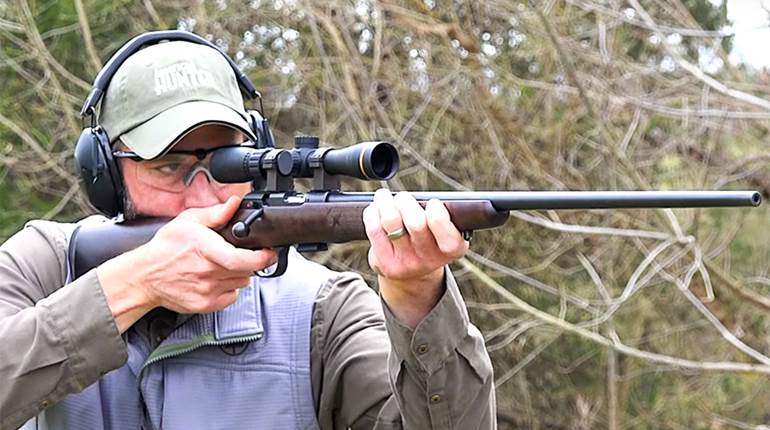
Despite being early adopters of several semi-automatic rifles for military use, the French army took several decades to work out a standardized semi-automatic rifle for general service use. The rifle that finally came to being was the MAS-49, which took several design cues from the previous MAS-36 bolt-action rifle. Watch our "American Rifleman Television: I Have This Old Gun" segment above to see the MAS-49 in action on the range.
"The French were also early pioneers when it came to even semi-automatic service rifles with the RSC 1917, but with the RSC and some of the other semi-autos that they incorporated into military service during the First World War, none of these saw really widespread service," American Rifleman Executive Editor Evan Brune said. "They never replaced a bolt-action service rifle, and the French struggled really from the early 1920s all the way until the late 1930s in finding a solution for the semi-automatic service rifle."
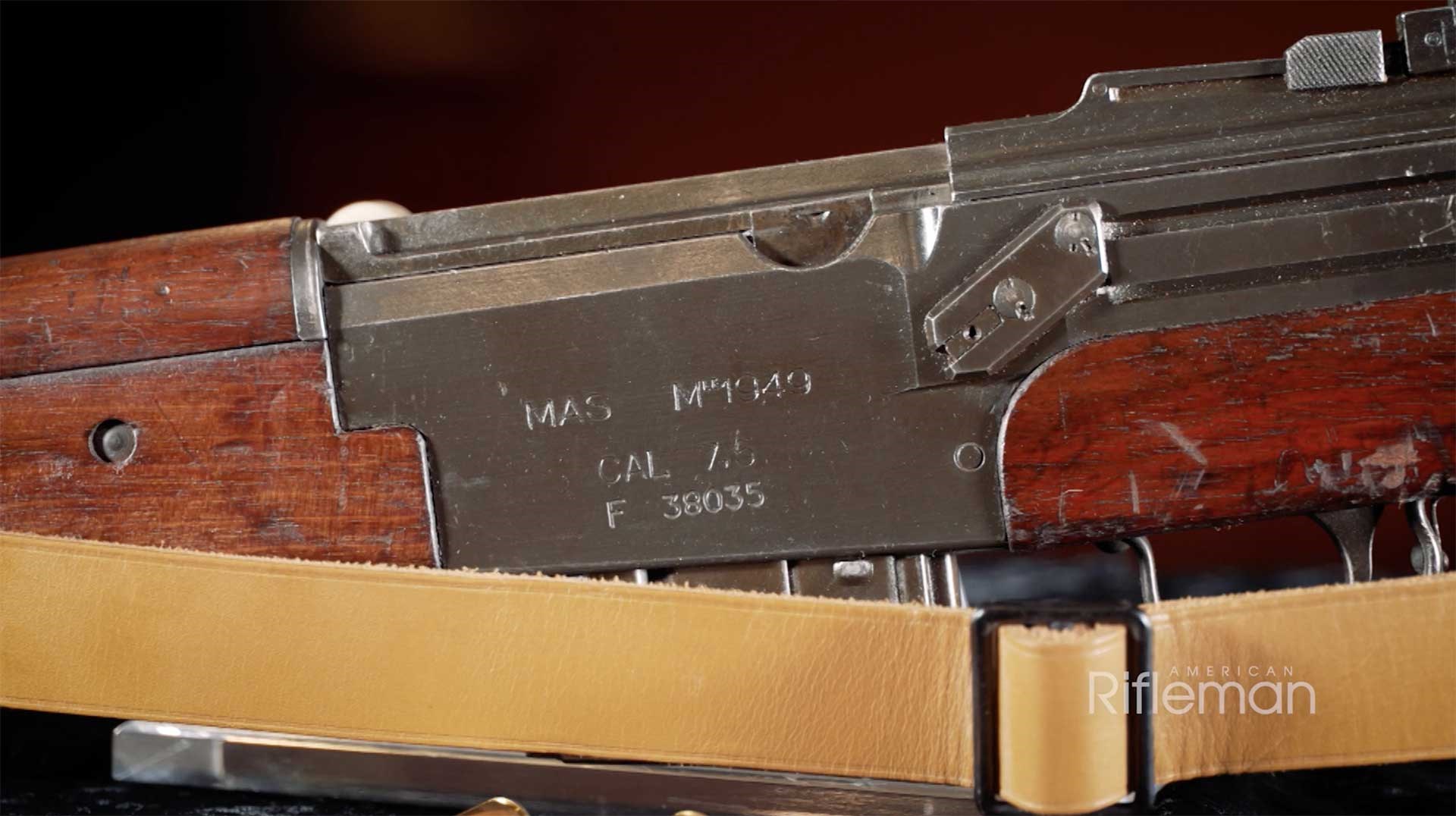
On the cusp of the Second World War, the French had done a great deal of work in experimenting with and finalizing a semi-automatic prototype, but in the battle for France in 1940, the ordnance factory at St. Etienne was overrun by German forces. Miraculously, through the clandestine efforts of workers and management personnel at St. Etienne, Nazi Germany never realized how close the French were to adopting a semi-automatic service rifle. An early variant finally entered service in 1944, but by 1949, a standardized semi-automatic was finally in widespread use.
"It was gas-operated. It was called a tilting breechblock in it, which was a kind of an interesting development," American Rifleman Field Editor Garry James said. "It also allowed for easy escapement of gas, rather than having to have a hole in the top of the gun to expend gas otherwise. The cartridge it chambered, the 7.5x54, was actually originally a machine gun cartridge. But then the French decided, 'Well, heck, we’re using the 8 mm Lebel. Let's make things, logistics, a little simpler and just have everything in 7.5x54.'"
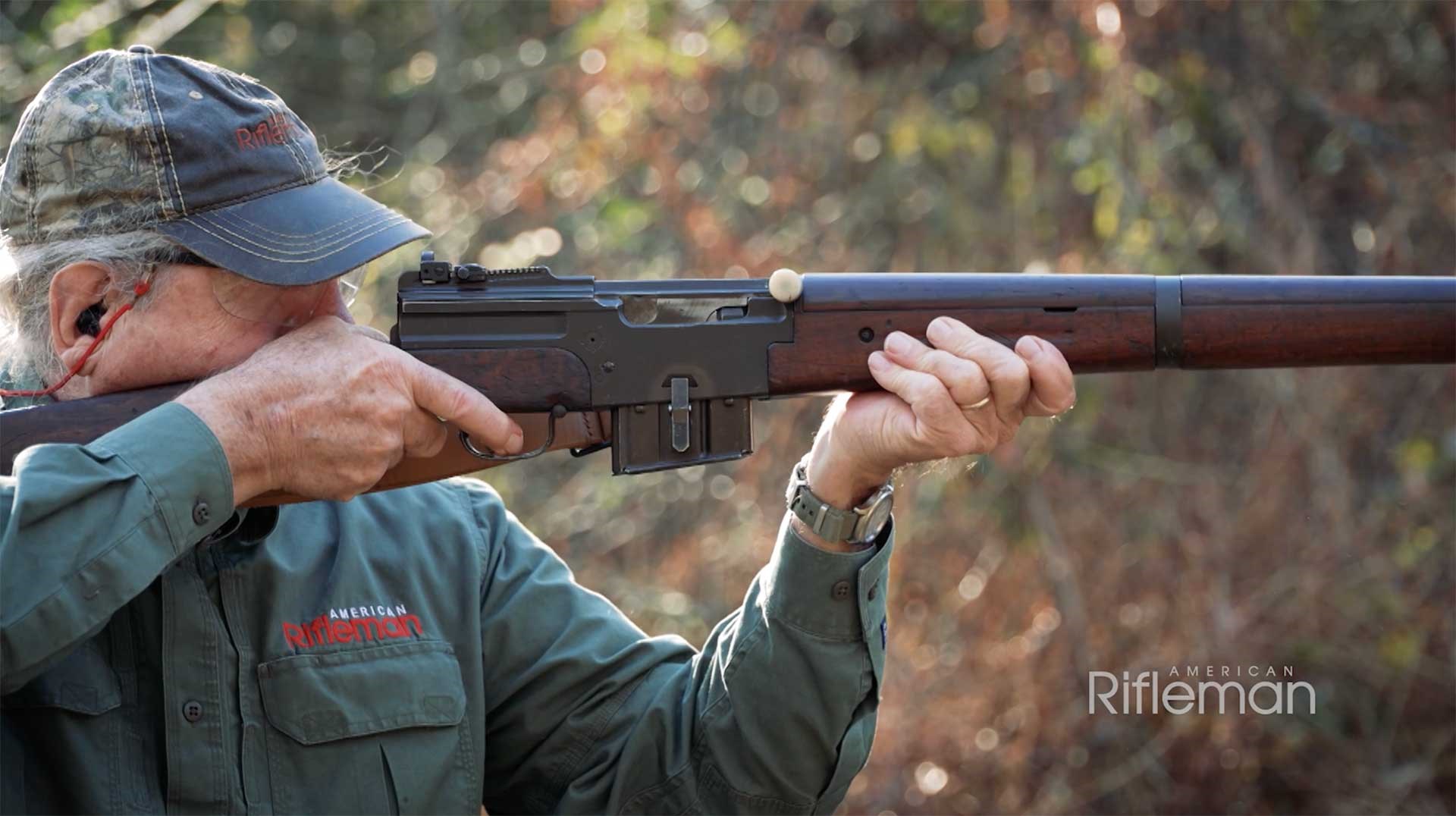
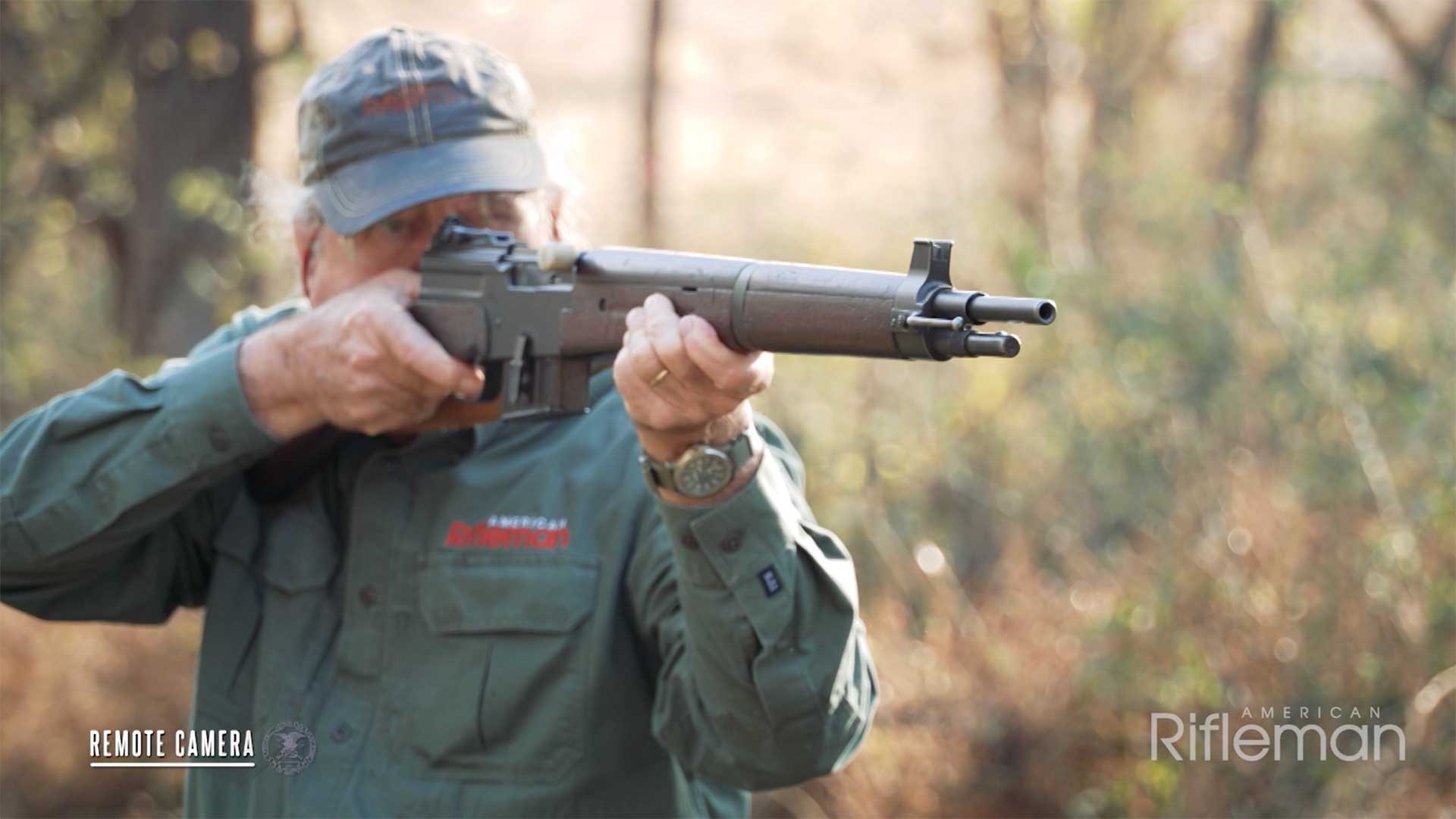
Following French experiences in Indochina and in the Suez Crisis, it became clear that some updating was necessary, and in the mid-1950s, the MAS-49 underwent several updates that shortened and lightened the service rifle while also allowing it to easily fire NATO-standard rifle grenades. This updated variant, the MAS-49/56, is more commonly encountered today by collectors, while the unaltered MAS-49 remains one of the rarest French military rifles.
"It's something that really survived in French service throughout the middle of the 20th century," Brune said. "I mean, this isn't replaced until the 1970s, when the FAMAS comes in, that famous bullpup rifle. And, you know, even today, when you look at what's out there in terms of, you know, these battle rifle-type guns, you know, the MAS-49 is a robust, reliable, shootable, capable semi-automatic."
To watch complete segments of past episodes of American Rifleman TV, go to americanrifleman.org/videos/artv. For all-new episodes of ARTV, tune in Wednesday nights to Outdoor Channel 8:30 p.m. and 11:30 p.m. EST.