In the 1880s, firearm technology was evolving rapidly, leading many nations to adopt new, cutting-edge rifles. The British military, which had used the single-shot Martini-Henry rifle since the early 1870s, incorporated several new advancements into one new military rifle adopted in 1888: the Lee-Metford.
“One of the pioneers in that field was a Scottish-born arms designer named James Paris Lee,” American Rifleman Executive Editor Evan Brune said. “He had designed the Remington-Lee, which is chambered in .45-70 Government. But if you look at the box magazine on the Remington-Lee, it looks really familiar. And that's because James Paris Lee took that design and incorporated it into his later Lee bolt-action rifles. Eventually, the British decided that this Lee action is where we're going to go.”
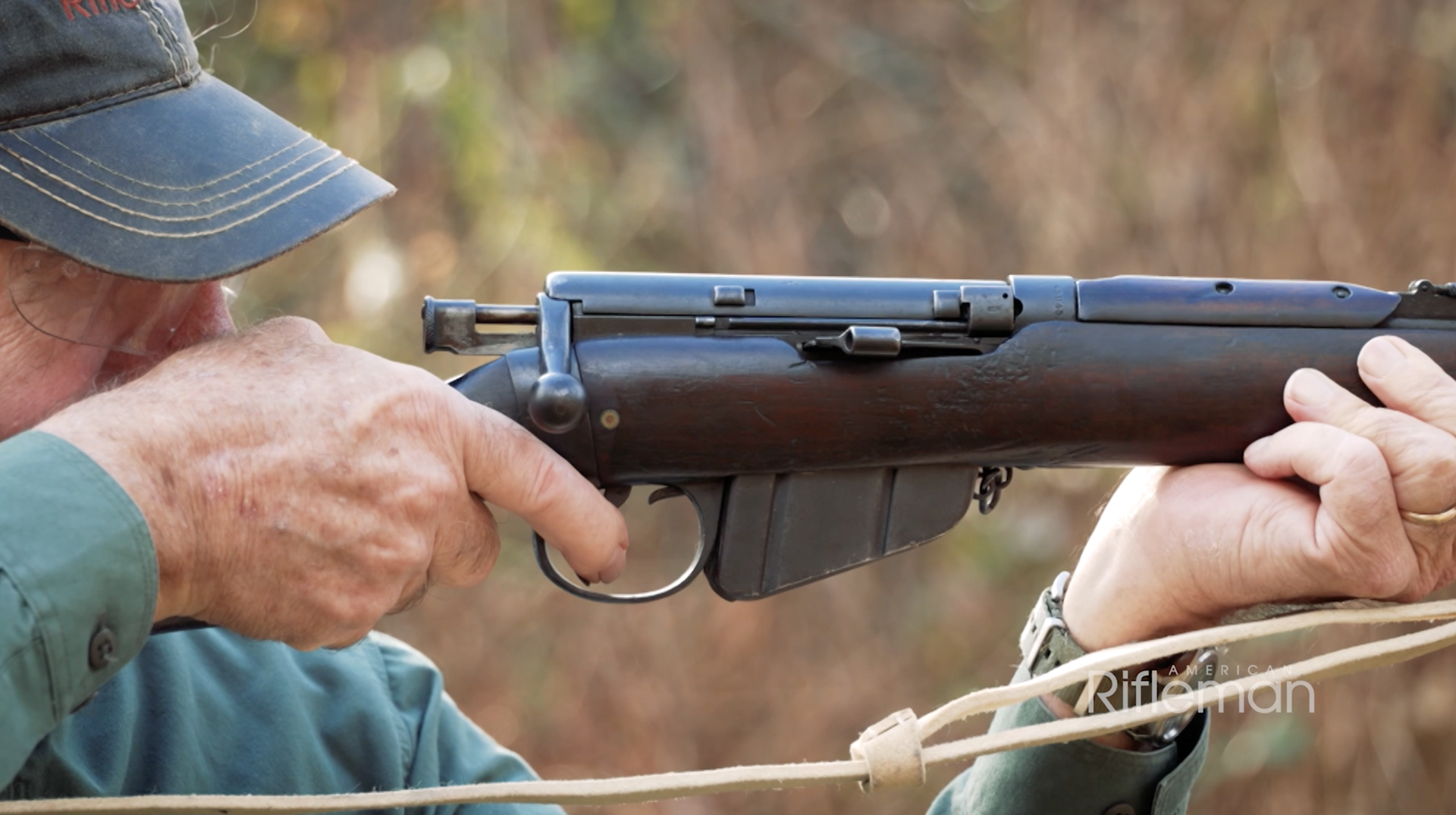
While the new Lee-based bolt-action rifle adopted by the British was chambered for the .303 British cartridge, at first, these rounds were loaded with black powder instead of smokeless powder. The shallow, Metford-type rifling used in the early Lee-Metford rifles was designed around the use of these black-powder cartridges.
“Well, in fairly short order, the British, like everybody else, started going over to smokeless powder,” American Rifleman Field Editor Garry James said. “They found that when you were shooting smokeless powder in the Lee-Metford rifle, it eroded the bore very, very quickly. So they adopted a later rifle, which was the Lee-Enfield. And this was much more adaptable to smokeless powder rounds.”
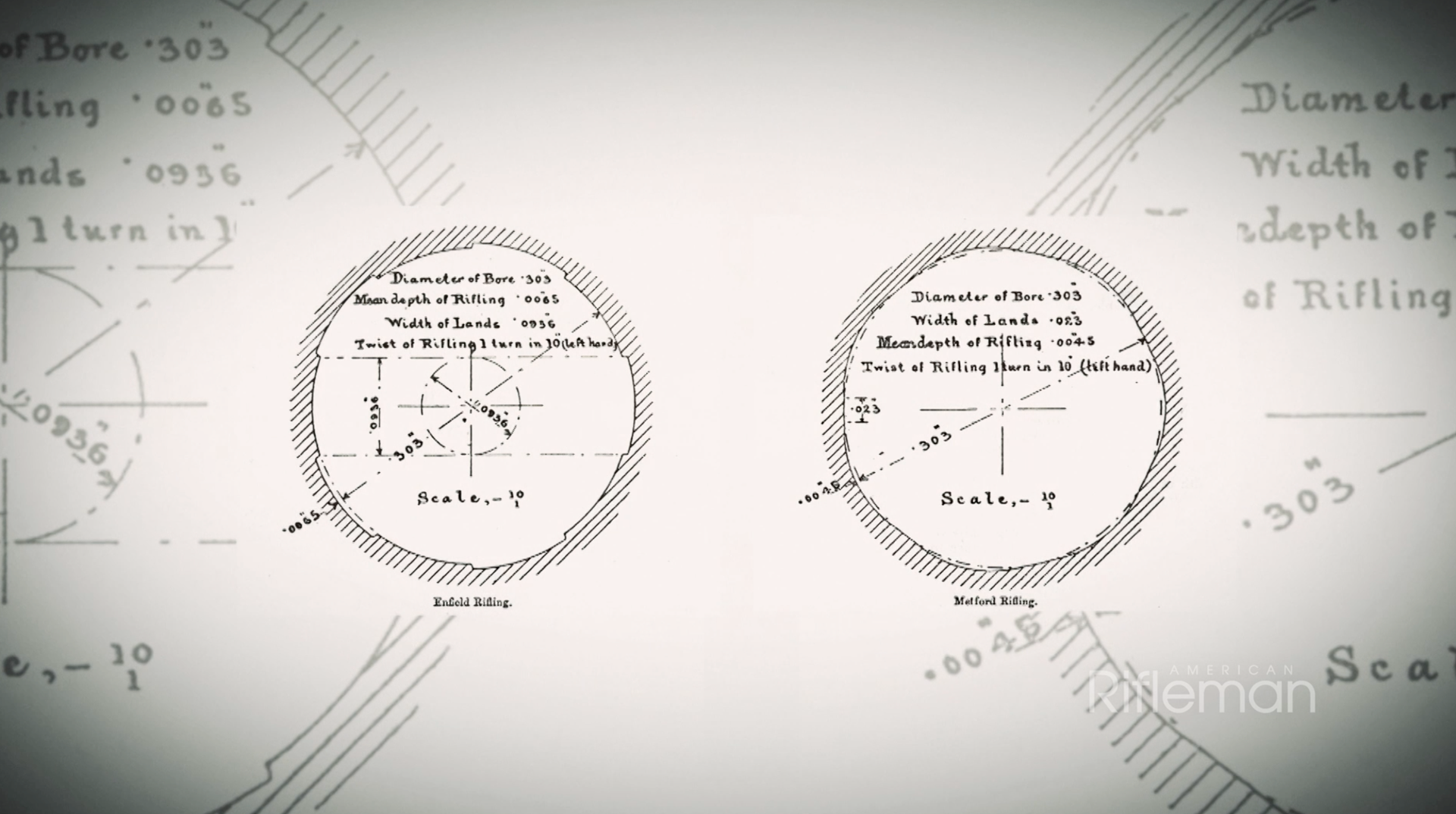
Outfitted with deeper, sharper Enfield rifling, the Magazine Lee-Enfield rifle was first adopted in 1895, and the British military used both the new Lee-Enfield rifle alongside existing Lee-Metford rifles for several years, including during the Second Boer War in South Africa at the turn of the 20th century.
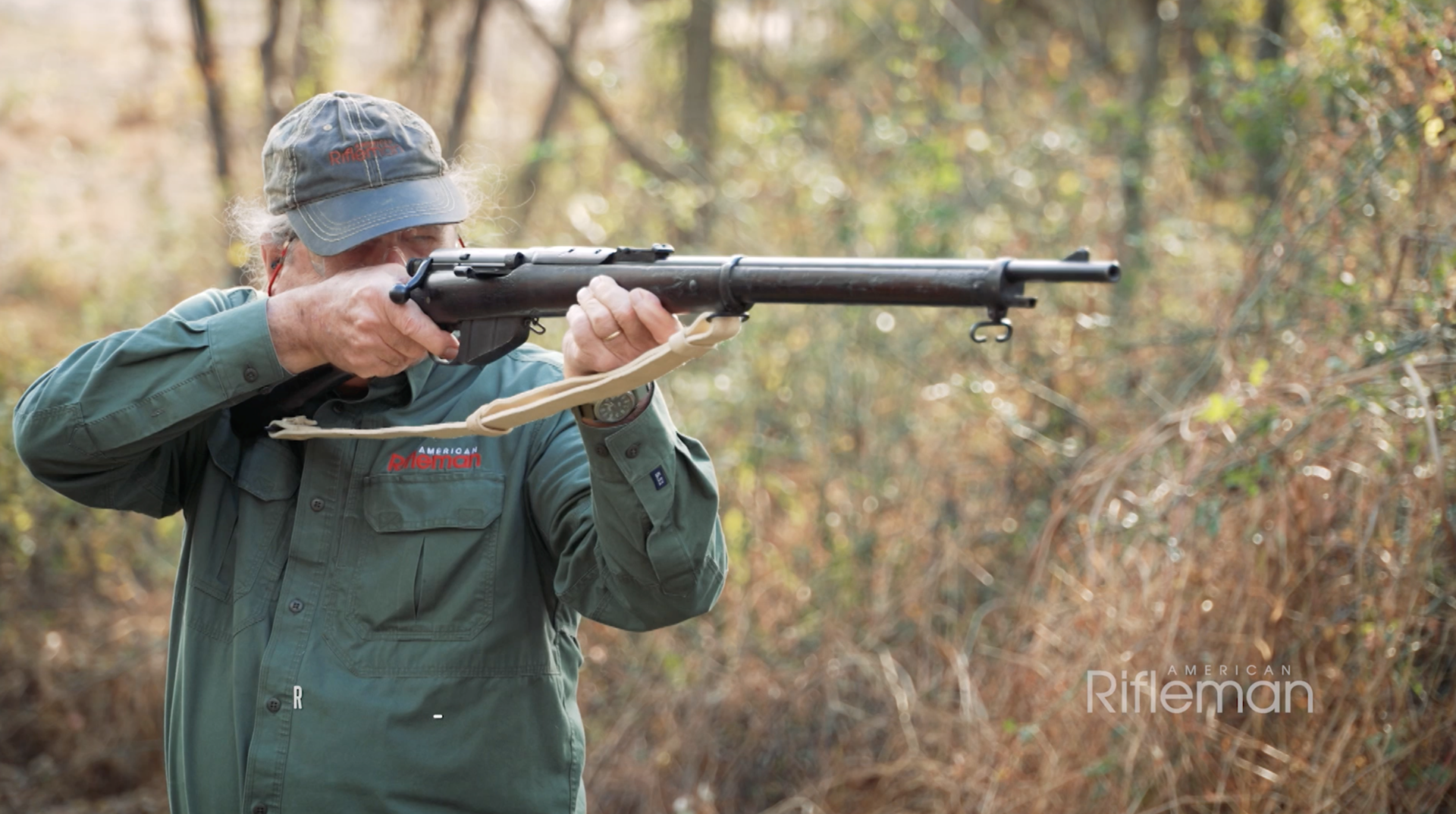
“Lee-Metfords, they're pretty tough to find,” NRA Media Editorial Director Mark Keefe said. “The problem is they upgraded them. You'll find a Lee-Metford that actually has an Enfield barrel on it, or it was modified later on to charger-loading, because there were no chargers yet. You were still shoving those rounds individually in through the top of the gun.”
To watch complete segments of past episodes of American Rifleman TV, go to americanrifleman.org/videos/artv. For all-new episodes of ARTV, tune in Wednesday nights to Outdoor Channel 8:30 p.m. and 11:30 p.m. EST.