In the mid-19th century, the French military had developed some new firearm designs to take advantage of what was then the novel concept of a self-contained cartridge. Initially, like many militaries, the French converted existing military muzzleloaders to a breechloading design with its Tabatiere system, and later, they developed the Model 1866 Chassepot, which used a unique, self-contained paper cartridge. However, after the Franco-Prussian War, it was clear a new design was needed. Watch our "American Rifleman Television: I Have This Old Gun" segment above to see the details of the Model 1874 Gras rifle.
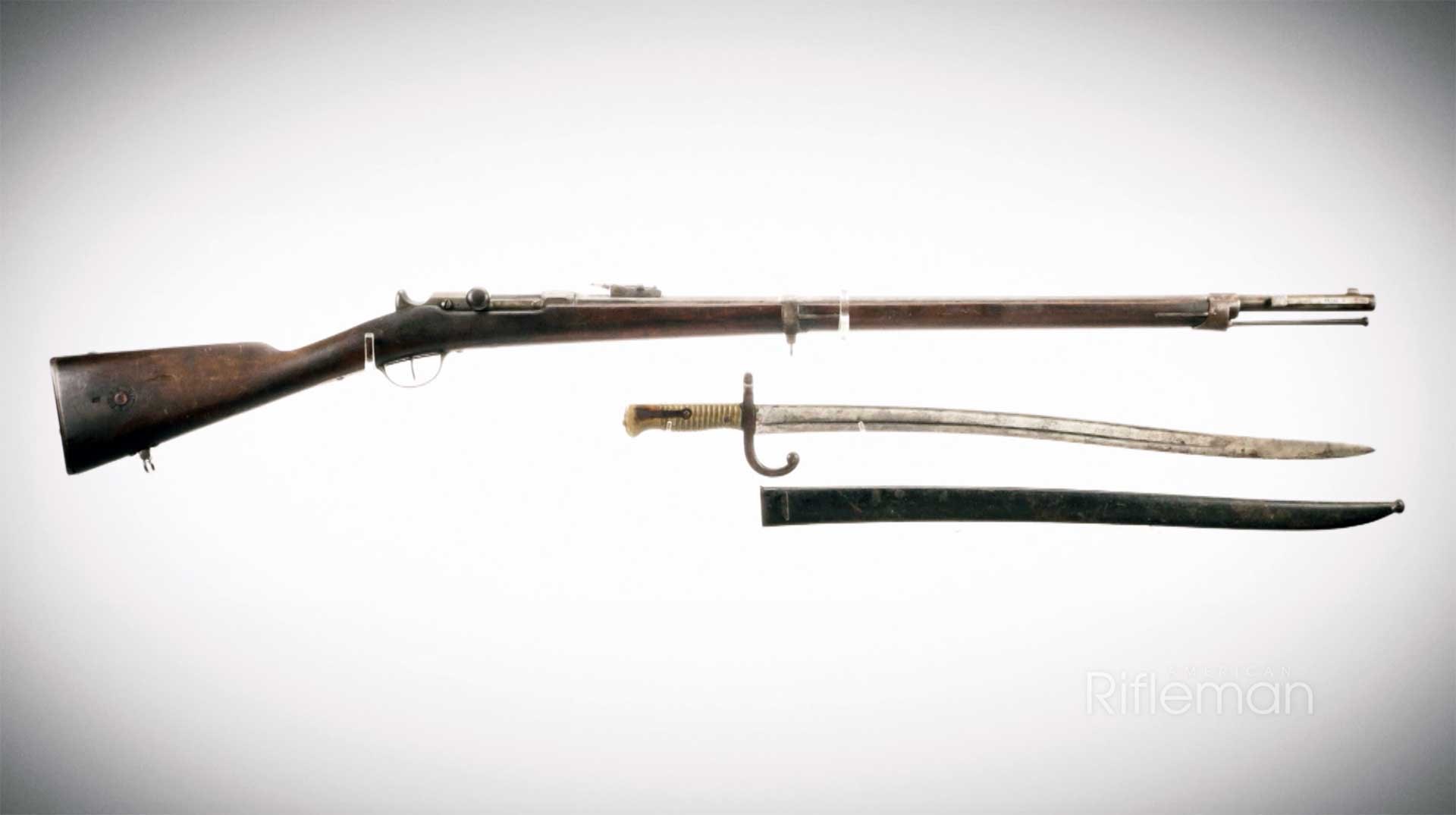
"The Gras rifle was developed really rather brilliantly by Colonel Basile Gras, where he really didn't have to develop much at all. All he had to do was come up with the suggestion that if the French were going to rearm themselves with a breechloading rifle that had a self-contained metallic cartridge, why develop a new rifle when we already have the Chassepot?" American Rifleman contributor Kenneth L. Smith-Christmas said. "So the idea was, let's simply redesign it so it takes a centerfire cartridge in a bolt-action rifle. And the result was the Model 1874 Gras."
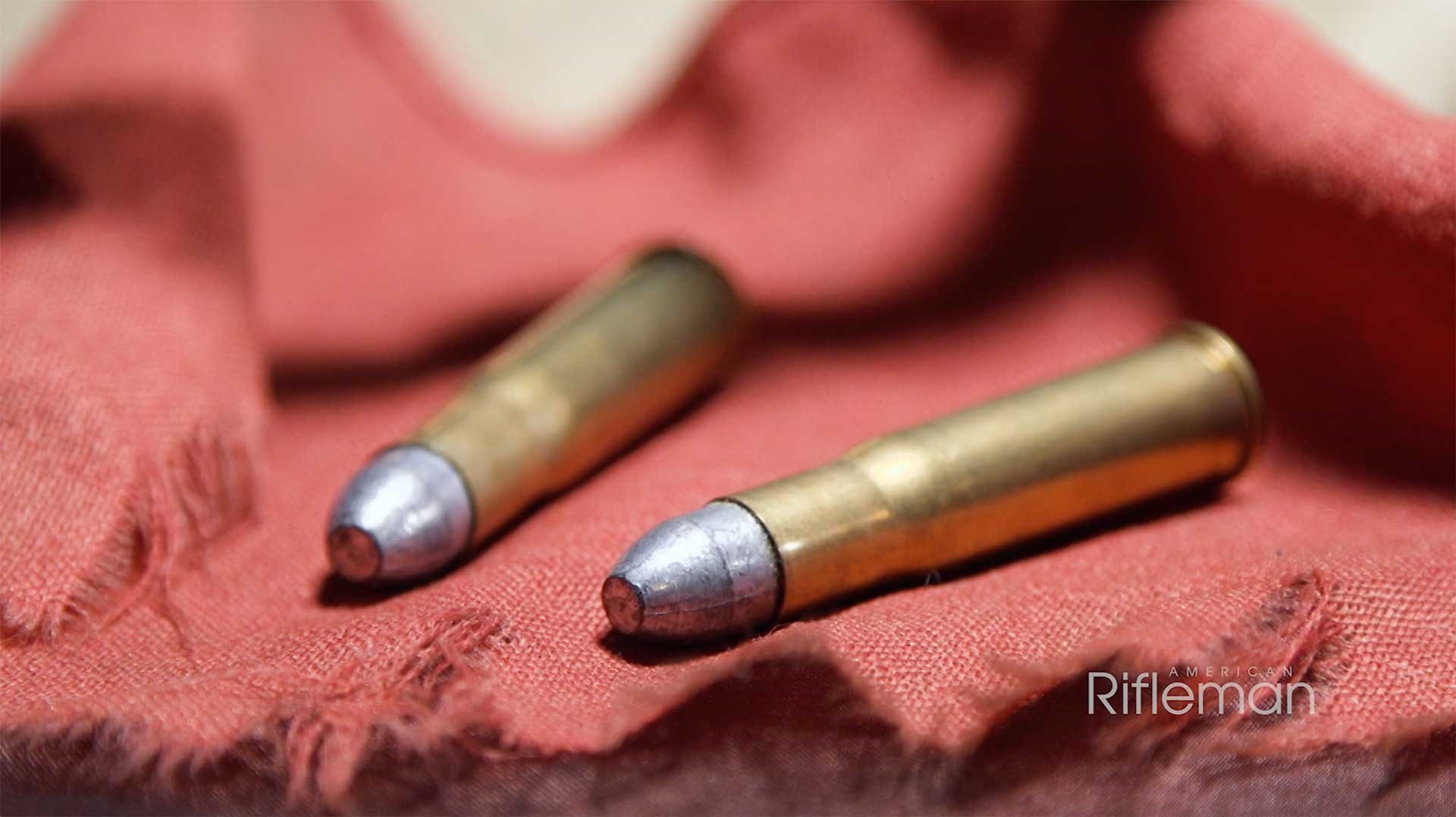
Externally, the Model 1874 Gras rifle shared many similarities with the earlier Chassepot design. Weighing 9 pounds, 5 ounces, the Gras was equipped with a 31-inch barrel and measured some 52 inches in overall length. It chambered the new 11x59 mm R Gras cartridge, which contained a 385-grain lead bullet backed by 78 grains of black powder in a centerfire-primed cartridge case that produced a muzzle velocity of approximately 1,400 fps.
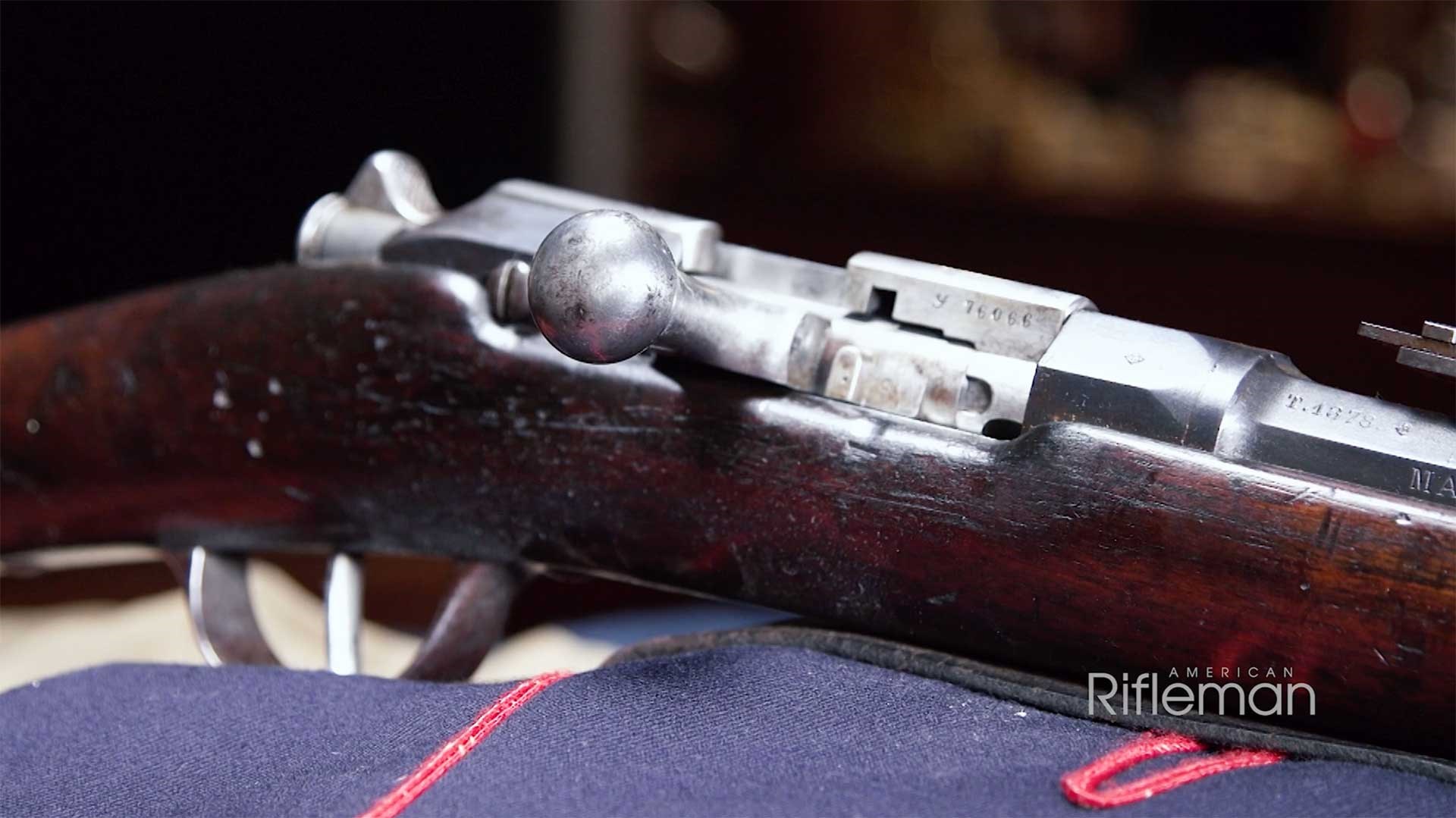
"But there were some notable changes. Of course, the Chassepot, since it was a self-consuming cartridge, you didn't have to extract anything. Now you have to extract a metallic cartridge case, so you have to build in an extractor, and there's a fixed extractor on the Gras bolt," American Rifleman Executive Editor Evan Brune said. "And in order to make this work, you have to have a rotating bolt head. So the Chassepot just has kind of a solid hunk of metal at the front of its bolt, whereas the Gras has this rotating bolt arrangement, but it still locks into the receiver lug at the root of the bolt handle."
One of the other notable changes on the Model 1874 Gras as compared to the earlier Chassepot was that the Chassepot had a cocker located at the rear of the bolt that had to be manually cocked by the user prior to the opening of the bolt. With the improved Gras design, the action developed into a cock-on-open design that cocked the striker when the bolt was opened by the user.
"In the back half of the 19th century, most of the advanced militaries in the world had adopted some sort of self-contained metallic cartridge, typically single shots," NRA Media Editorial Director Mark Keefe said. "You had, of course, the Trapdoor Springfield in the United States, the Snider in England, and the Germans, in 1871, they adopted the first Mauser, the Model 71, which was a bolt-action firing a large-bore metallic cartridge. So in this technology race, the French had to keep up."
The Model 1874 Gras rifle ultimately had a service life of about 12 years as a mainline infantry rifle for the French army. The advent of smokeless powder in the latter half of the 1880s relegated the Gras to secondary use, but even still, Gras rifles continued to see use in French service through World War I, and Gras rifles continued to emerge in areas of Indochina and Africa for decades after French departure.
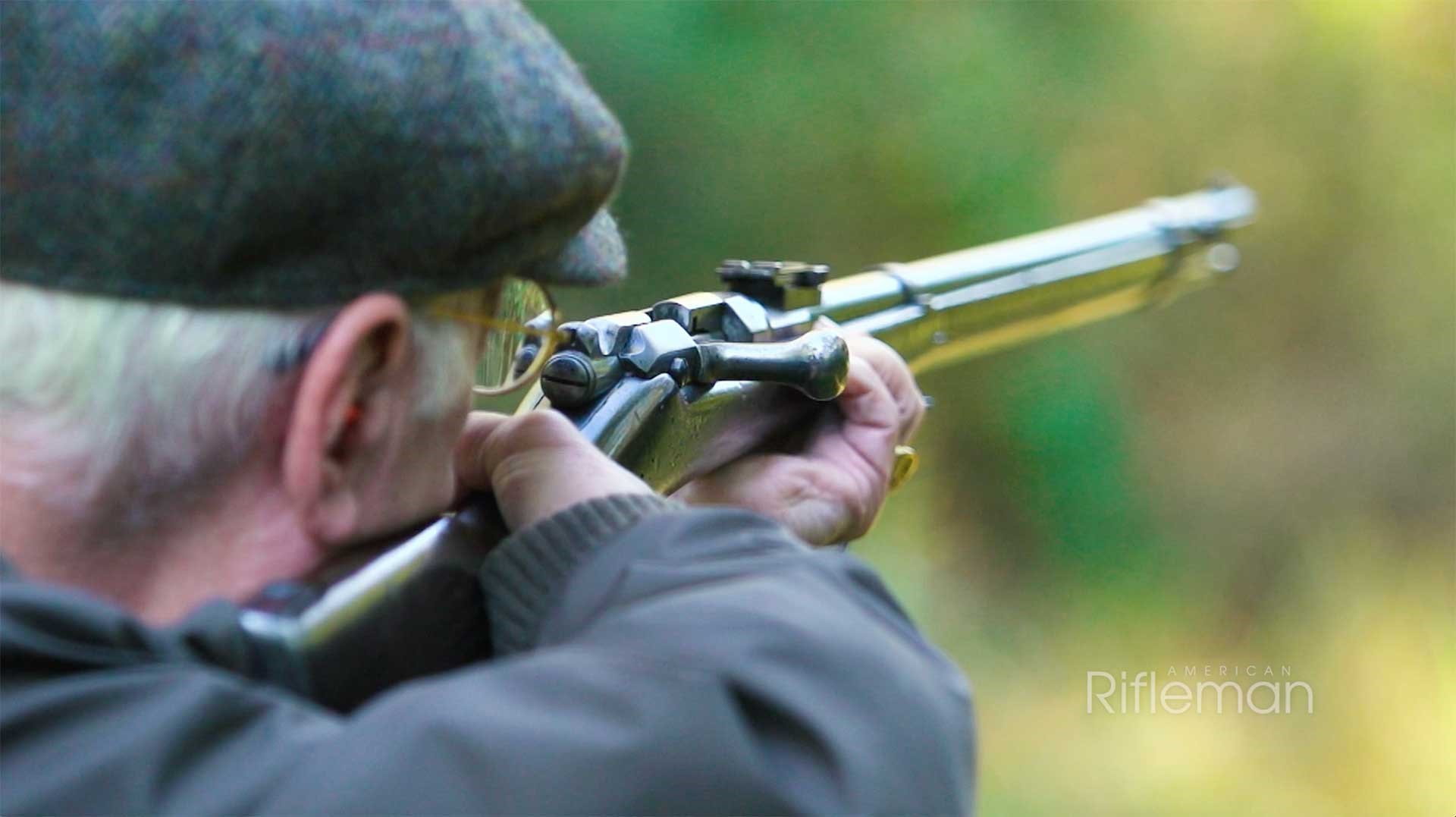
"In the expanding period of the great rush of imperialism at the end of the 19th century, where the British are off subduing new countries with the Martini-Henry, the Americans are conquering the West with the Trapdoor Springfield, the French are off with the Gras, and they're in Indochina with it," Smith-Christmas said. "They're all over Africa with the Gras, and it turns out to be a perfectly acceptable rifle. Until it's supplanted by the Lebel in 1886."
To watch complete segments of past episodes of American Rifleman TV, go to americanrifleman.org/videos/artv. For all-new episodes of ARTV, tune in Wednesday nights to Outdoor Channel 8:30 p.m. and 11:30 p.m. EST.