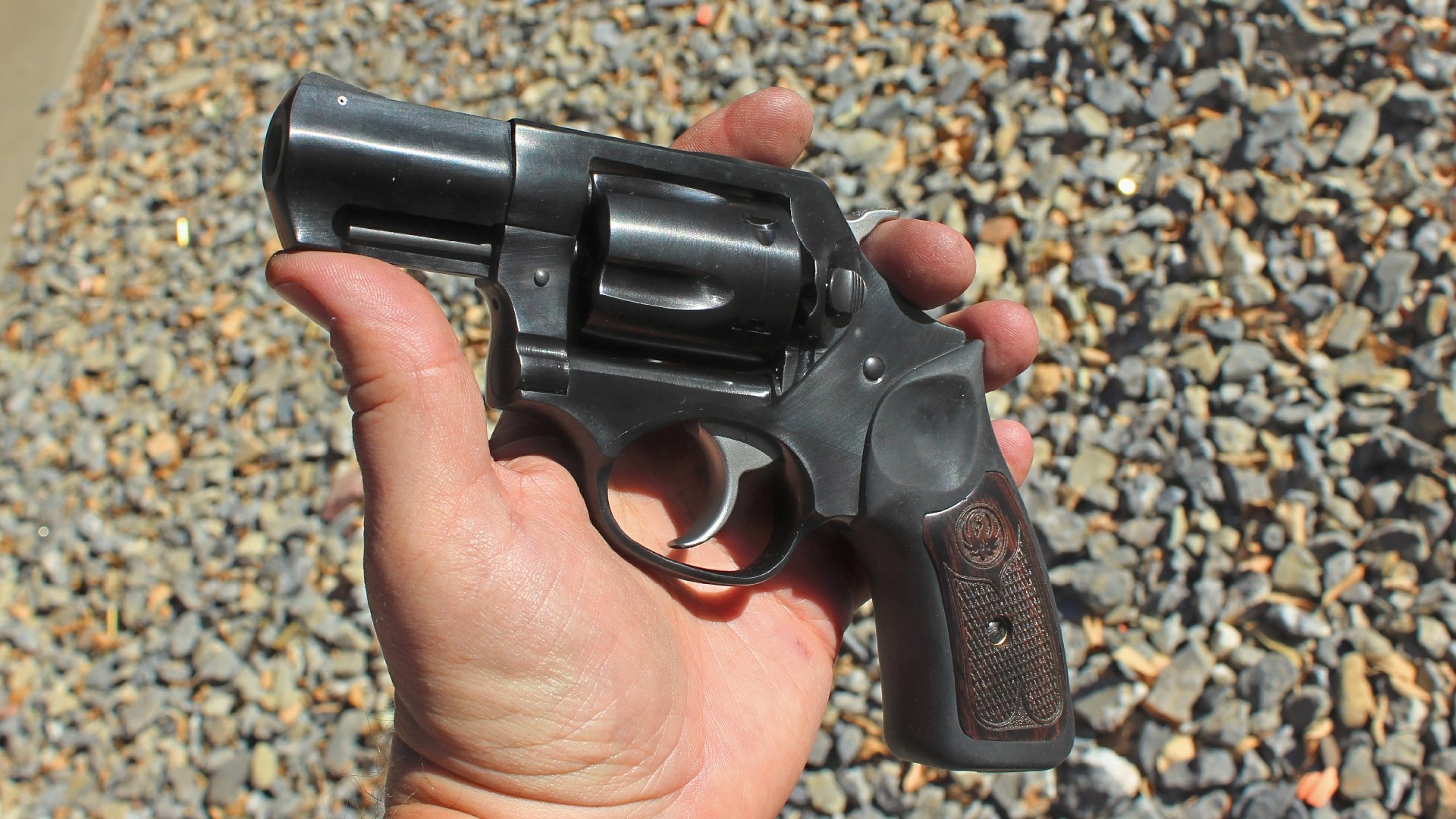
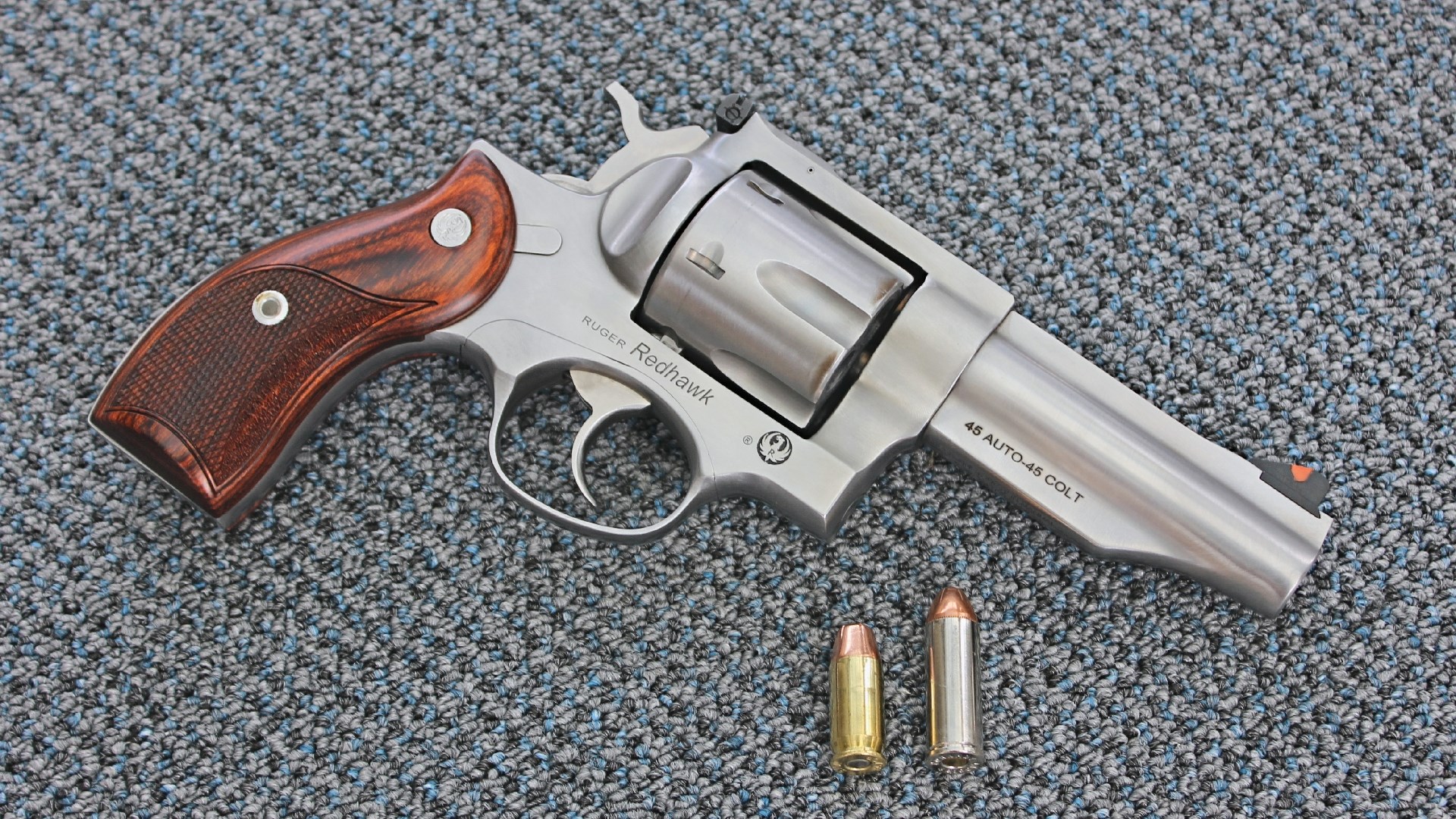
Before we begin, I want to assure folks that I am a dyed-in-the-wool Ruger double-action revolver fan. The first defensive snub-nose revolver I ever shot was a Ruger SP101 with a bobbed hammer. Shooting it with a buddy who invited me to the range more than three decades ago sparked a defensive handgun endeavor that has continued to this day. Over the years, I've owned, carried and test-fired a variety of Ruger LCR, SP101, GP100, Redhawk and Super Redhawk revolvers. They hold important places in my personal shooting experiences.
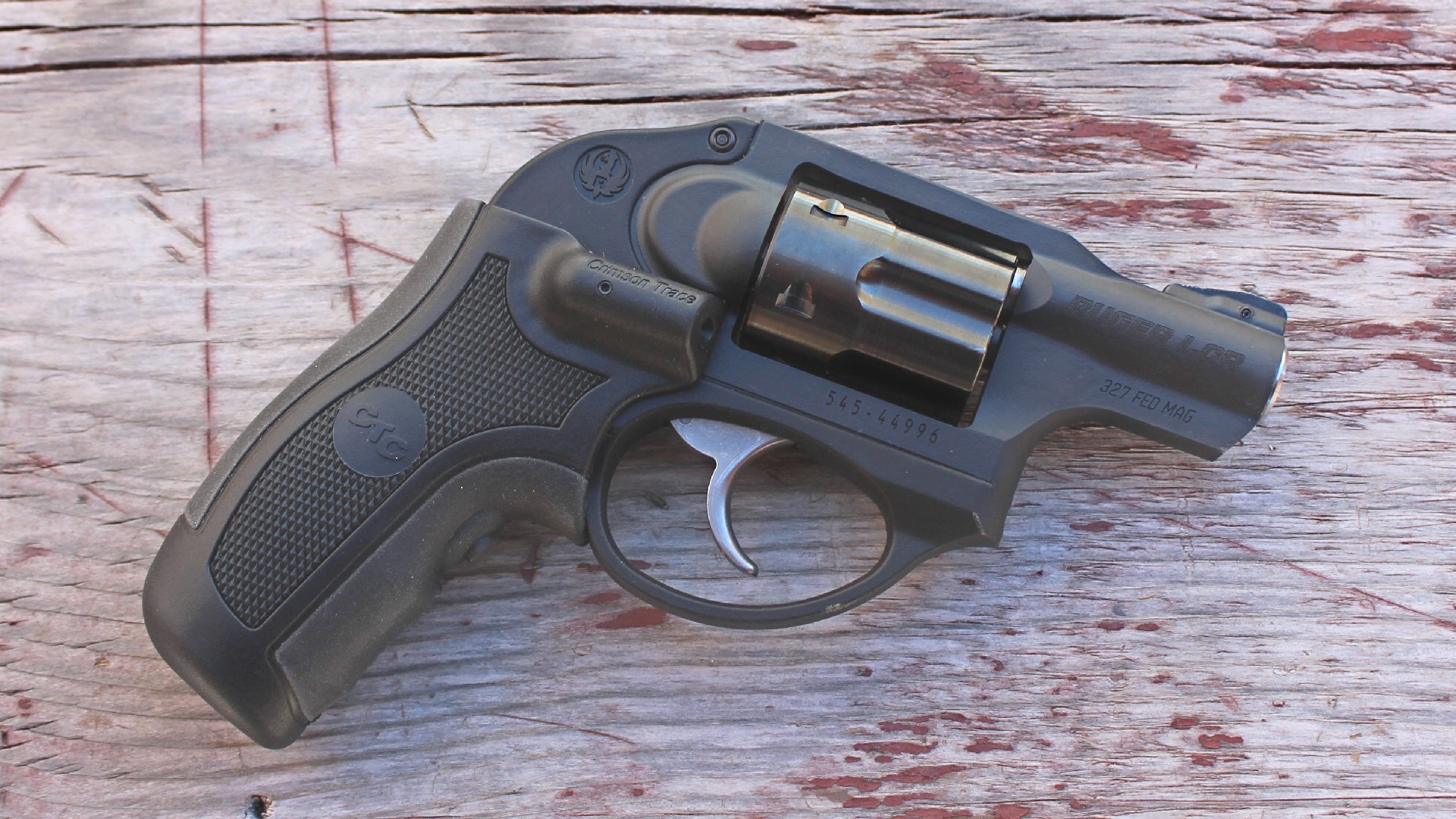
This is why I was disappointed to learn of Ruger's decision to shutter production of these models. Some are out of production now, while others will be halted over the next few months. Abbey Clary, who is Ruger’s director of media, advertising and public relations these days, said, “These decisions reflect our review of consumer demand, evolving market preferences, manufacturing complexity and the long-term profitability of each product family....” In other words, double-action revolvers are labor-intensive to produce, and they are not nearly as profitable as they used to be.
Does this mean the company’s double-action revolvers are gone forever? Clary states, "This does not necessarily mean these product families are permanently discontinued." Instead, the company's goal is, "... to focus our resources on the products consumers want most today while creating capacity for future product development and manufacturing modernization.”
Based on these comments, it seems there is still a possibility of Ruger revamping and re-launching its double-action revolvers sometime in the future. I would like to see that happen. But if they are going to invest in the research and development to do that, it would be wise for the company to take a page from the playbook of other manufacturers that are not only selling revolvers steadily but adding new models each year, like Taurus USA.
Now, before you decide it’s time to egg my car, know that I'm well aware of this company's past production history of odd revolver models (does anyone else remember The View?), inconsistent quality and heavy, rough triggers. I handled and rejected a fair number of those guns firsthand during fairly frequent trips to local gun shops in the 1990s and 2000s.
But Taurus made notable changes to its management and production processes late in the 2010s. Weird models were promptly discontinued. The product lines were tidied up, and serious time and resources were devoted to resolving quality issues. In 2019, the company opened the Taurus USA headquarters in Bainbridge, Ga., which includes a 200,000 square-foot manufacturing facility. That same year, the American-made TX22 pistol was launched and proved to be a top-notch rimfire pistol. After an evaluation of the TX22, I decided to give more time to evaluating Taurus products in general and the company’s double-action revolvers in particular. The guns I've worked with since then have proven to be affordable, reliable, and in some cases, ahead of the game in regard to up-to-date features and innovation.
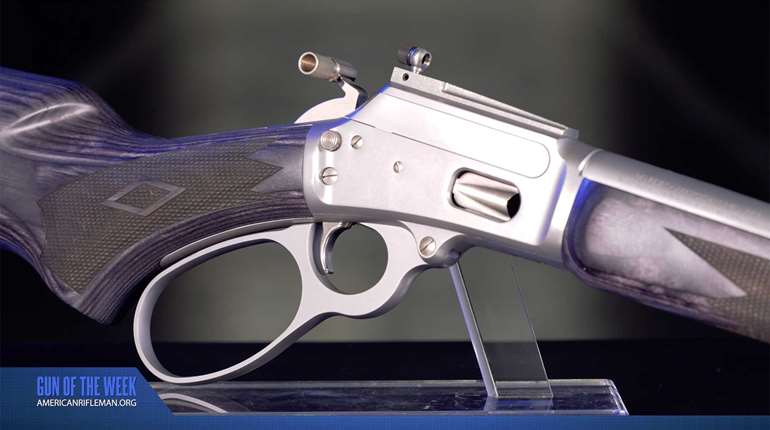
During that same time frame, Ruger revolvers were well-made and reliable but more expensive and mostly unchanged in regards to features and caliber options. In short, the wheelguns stagnated while Ruger was pouring its resources into other hot projects like the re-launch of Marlin lever-action rifles, the release of the RXM pistol series and revamping of its AR-15 offerings.
Ruger's recent product line choices are sensible, based on what folks are more interested in buying these days. However, it would be a tragedy for this American company's iconic revolvers to simply fade away. It is fair to say that double-action revolver sales have declined in general due to the popularity of polymer-framed 9 mm pistols. But the lack of innovation for the steel-framed, medium-size and big-bore models certainly didn't help.
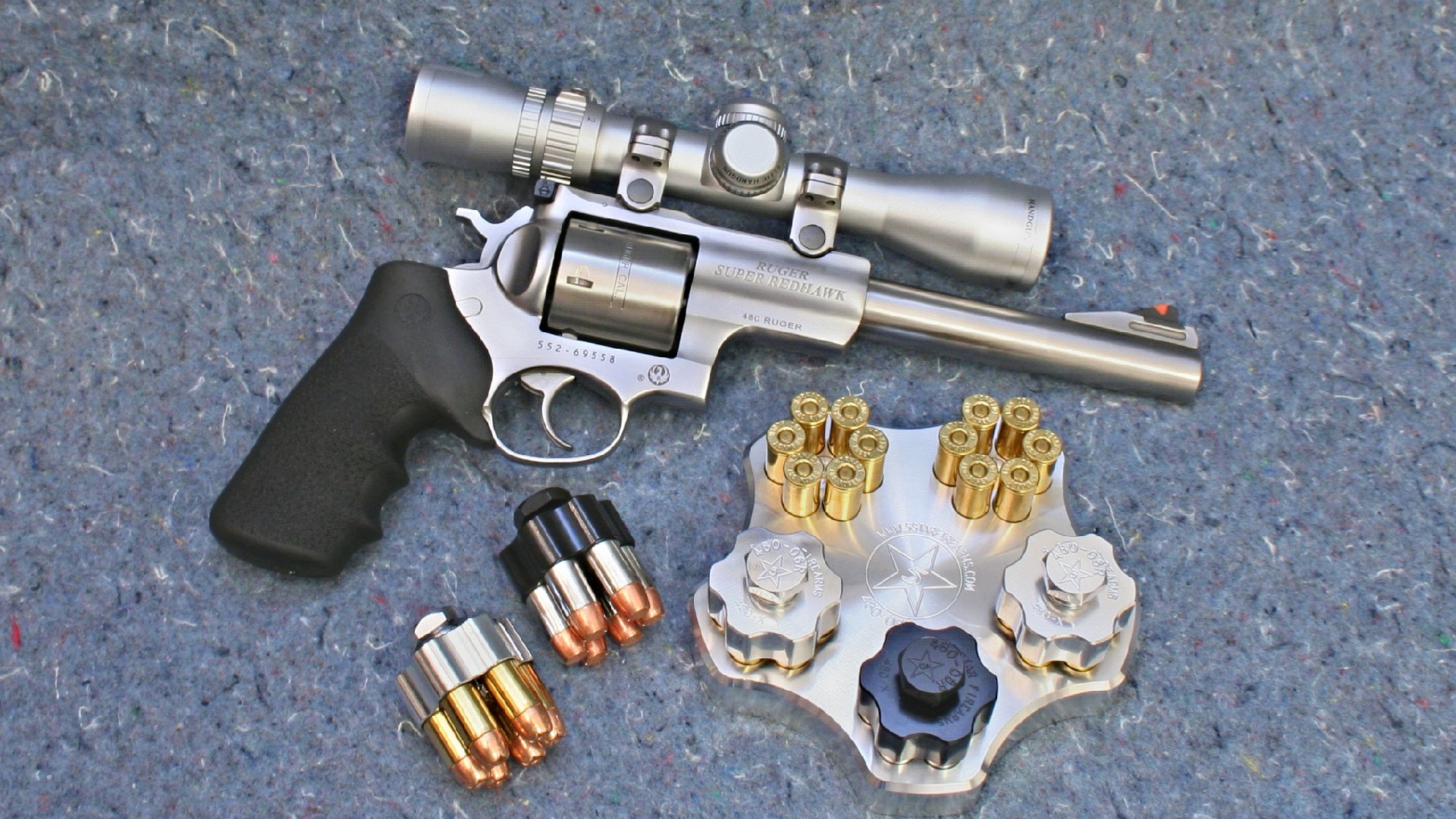
With this in mind, I would like to propose Ruger take a closer look at what is working in other sectors of the revolver marketplace and incorporate some of those strategies for its revolvers if and/or when the company ever decides to bring them back online. These are features and production strategies already in use with some models made by Taurus as well as other manufactures including Colt, Diamondback Firearms, Kimber and Smith & Wesson. But the company should also avoid throwing the baby out with the bathwater! Some Ruger features should stick around so that their revolvers continue to stand out from the crowd.
Two-Piece Barrels
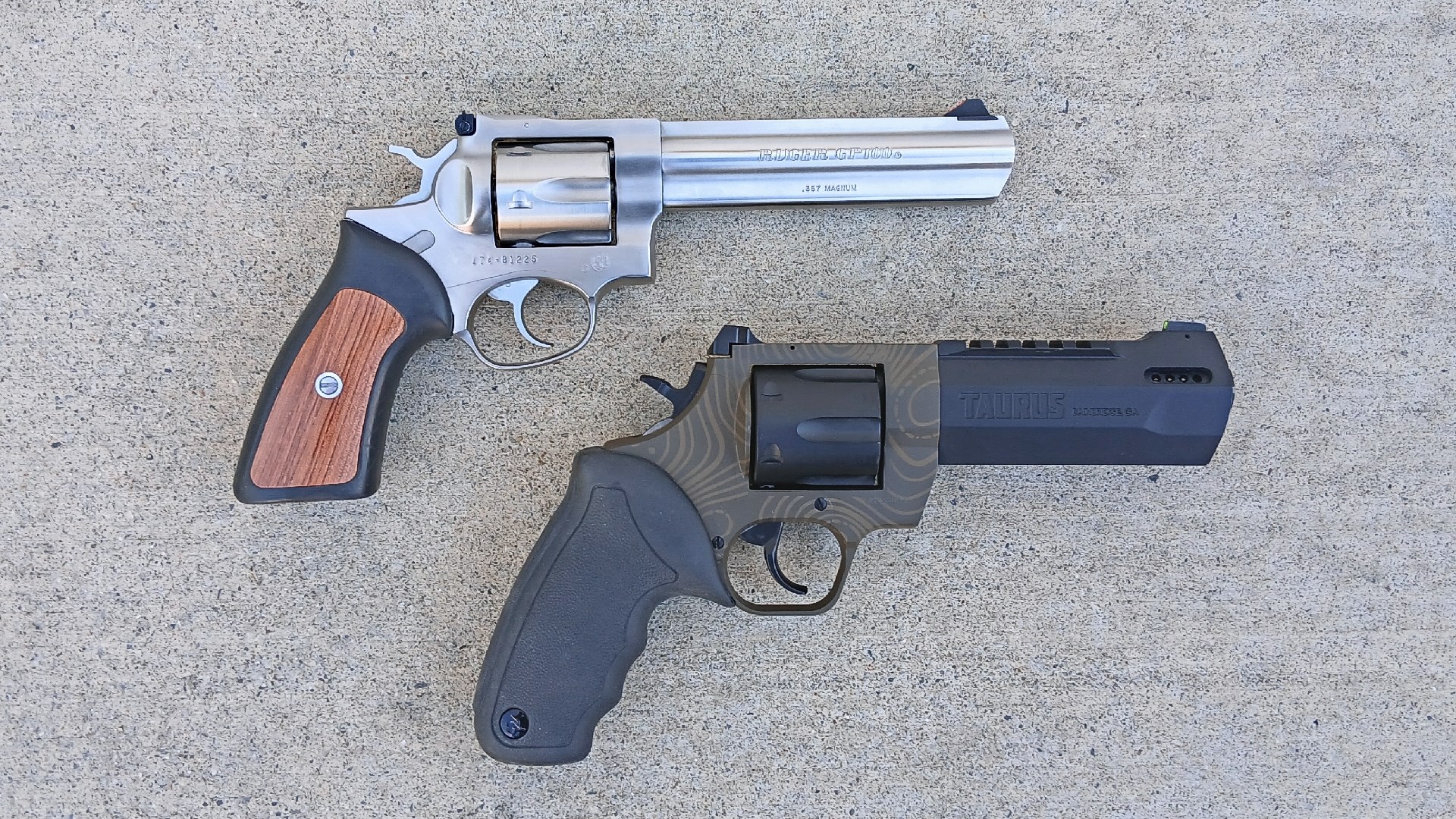
The Ruger SP101, GP100, Redhawk and Super Redhawk are all assembled using one-piece barrels that are challenging to fit. It is an art getting the twist on these barrels just right so that the front sight and underlug are aligned properly with the barrel properly tightened. This type of barrel contributes to the time and costs involved in making these guns.
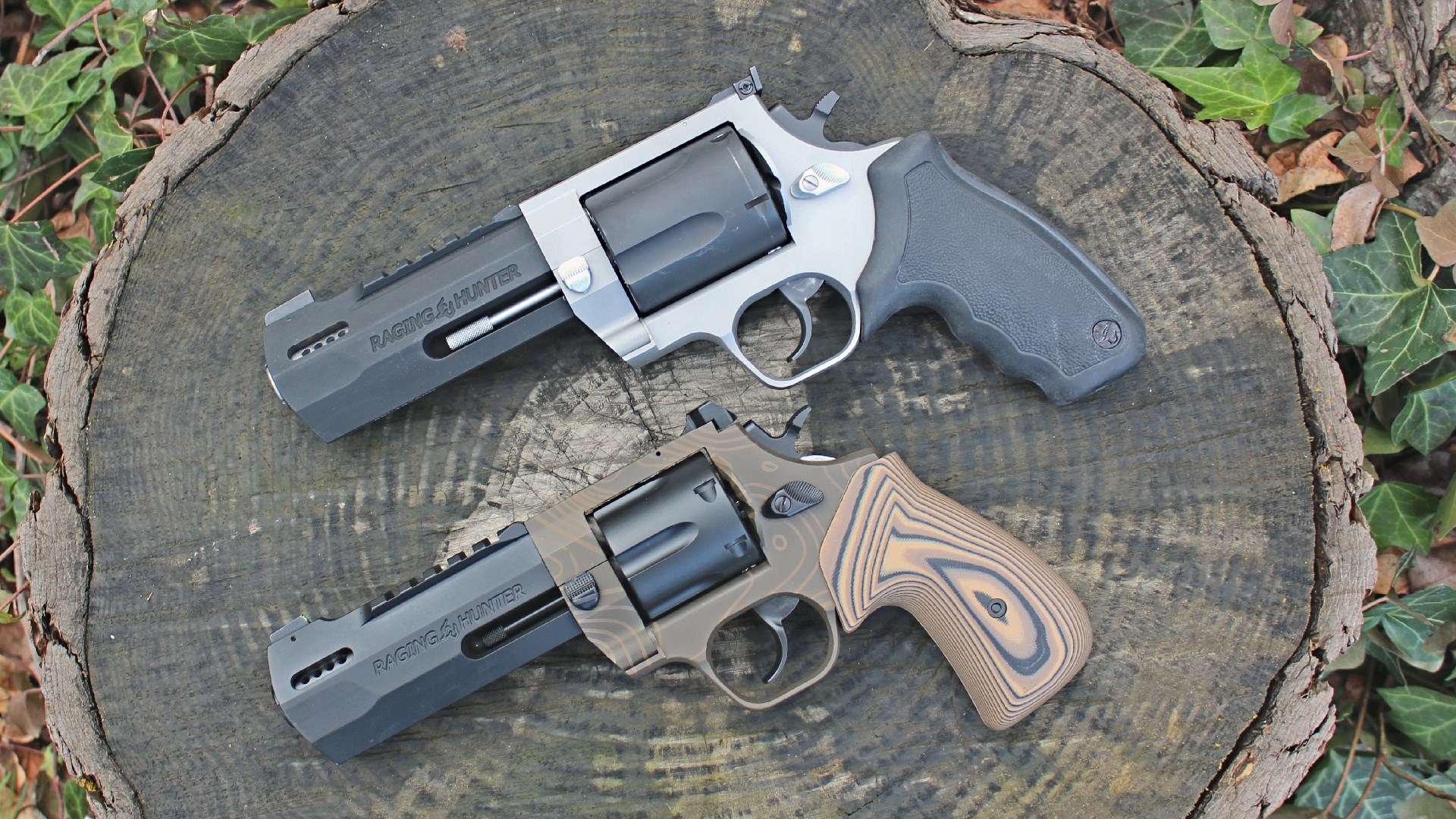
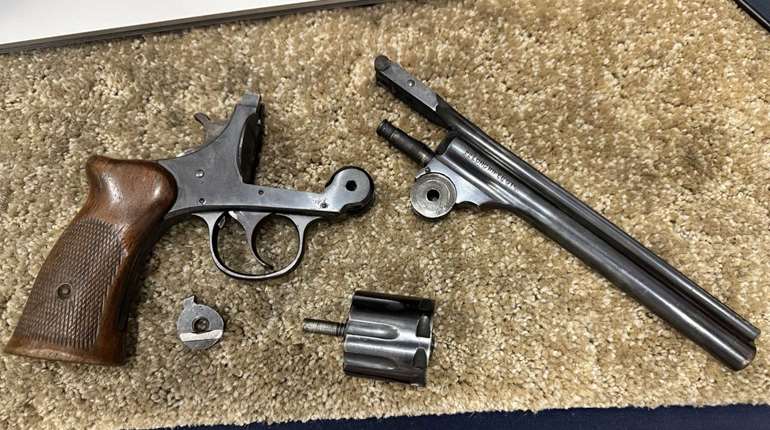
But back in the 1990s, Smith & Wesson had switched its wheelguns from one-piece barrels to two-piece assemblies, also known as sleeved or shrouded barrels, which were pioneered by revolver maker Dan Wesson in the 1970s. The assembly consists of a round-profile inner barrel paired with an outer barrel, or shroud, that is outfitted with the front sight and underlug. The inner barrel is twisted into the frame. The shroud slides over the inner barrel and into place, then the barrel and shroud are tightened against each other using a barrel nut. These barrel assemblies are much simpler to index, making them less expensive to install, and they have proven to be accurate as well.
Optics-Ready Right Out of the Box
Perhaps my greatest frustration with Ruger and its revolvers in the last few years is that the company has done nothing to make its revolvers optics-ready or to provide customer with optics-mounting hardware. Even Colt, one of the most glacially paced when it comes to revolver innovations, offers optics mounts.
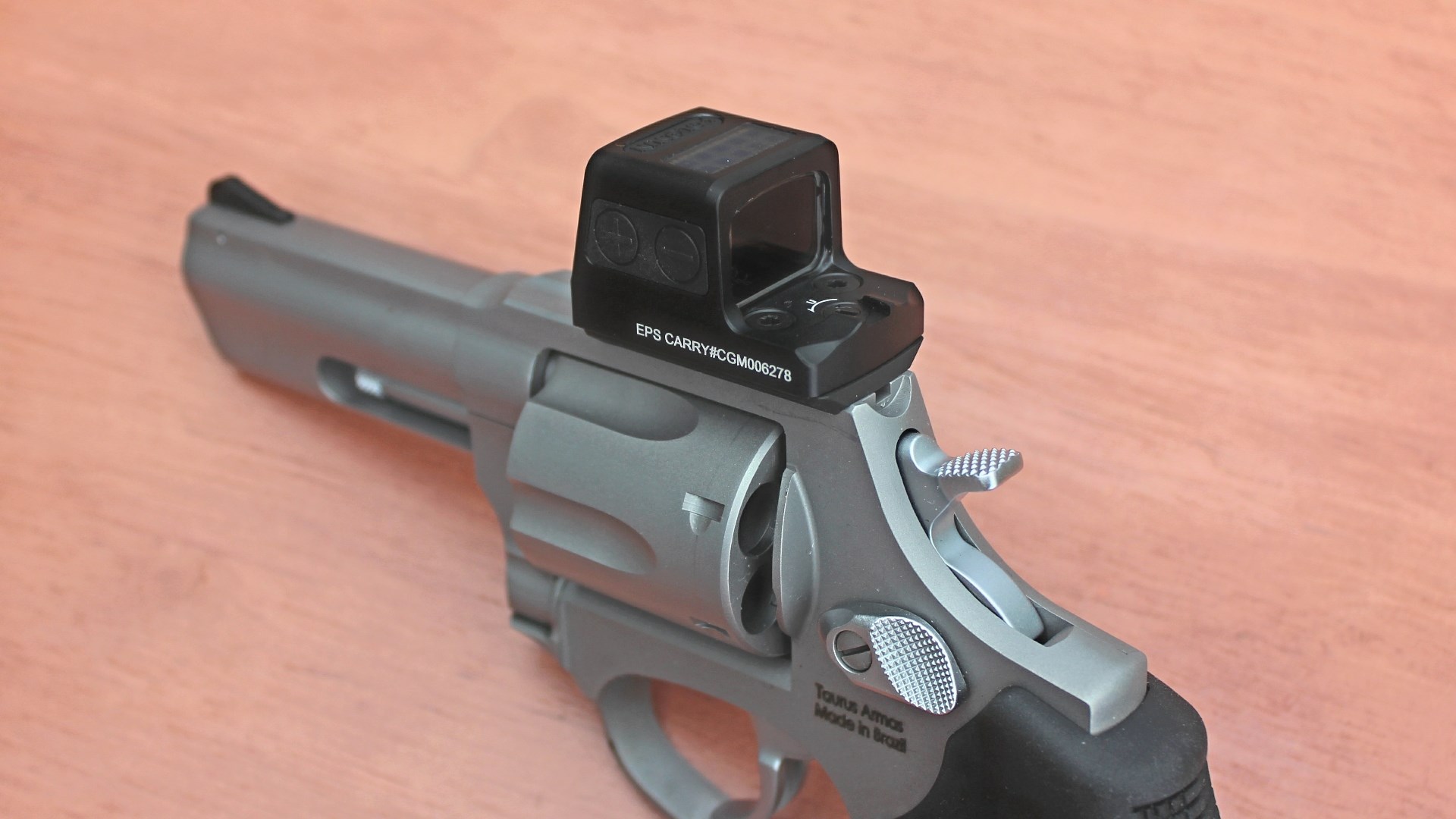
There are three ways to tackle this problem. First, offer revolvers with two-piece barrels that have optics rails milled into the shrouds. Taurus started offering this feature with its Raging Hunter series back in 2018. The second option is to drill and tap the revolver's topstrap to be fitted with an optics mount. Again, Taurus was out in front with this approach with the release of the T.O.R.O. (Taurus Optics Ready Option) Model 856 and Model 605 in 2023. This system was developed for small revolvers that have fixed sights.
Last, but not least, is an optics-mounting plate that can be installed in place of an adjustable rear sight assembly. These micro red-dot optic mounts have been available for Ruger and Smith & Wesson revolvers from third-party manufacturers like Weigand Tool and Design since the early 2010s. No permanent modifications are required to use them. All Ruger would have to do is ship its revolvers with a plate and hardware in the box just like the company does with some of its pistols.
Factory Ported Barrels
In the last few years, handguns with compensated barrels have made a big comeback. For revolvers, this involves cutting rounded ports or slots into the barrel near the muzzle. These ports redirect a portion of the hot, high-pressure gasses produced by the ignition of the cartridge. These ports essentially serve as little thrusters that push the muzzle of the revolver downwards to mitigate muzzle flip and felt recoil.
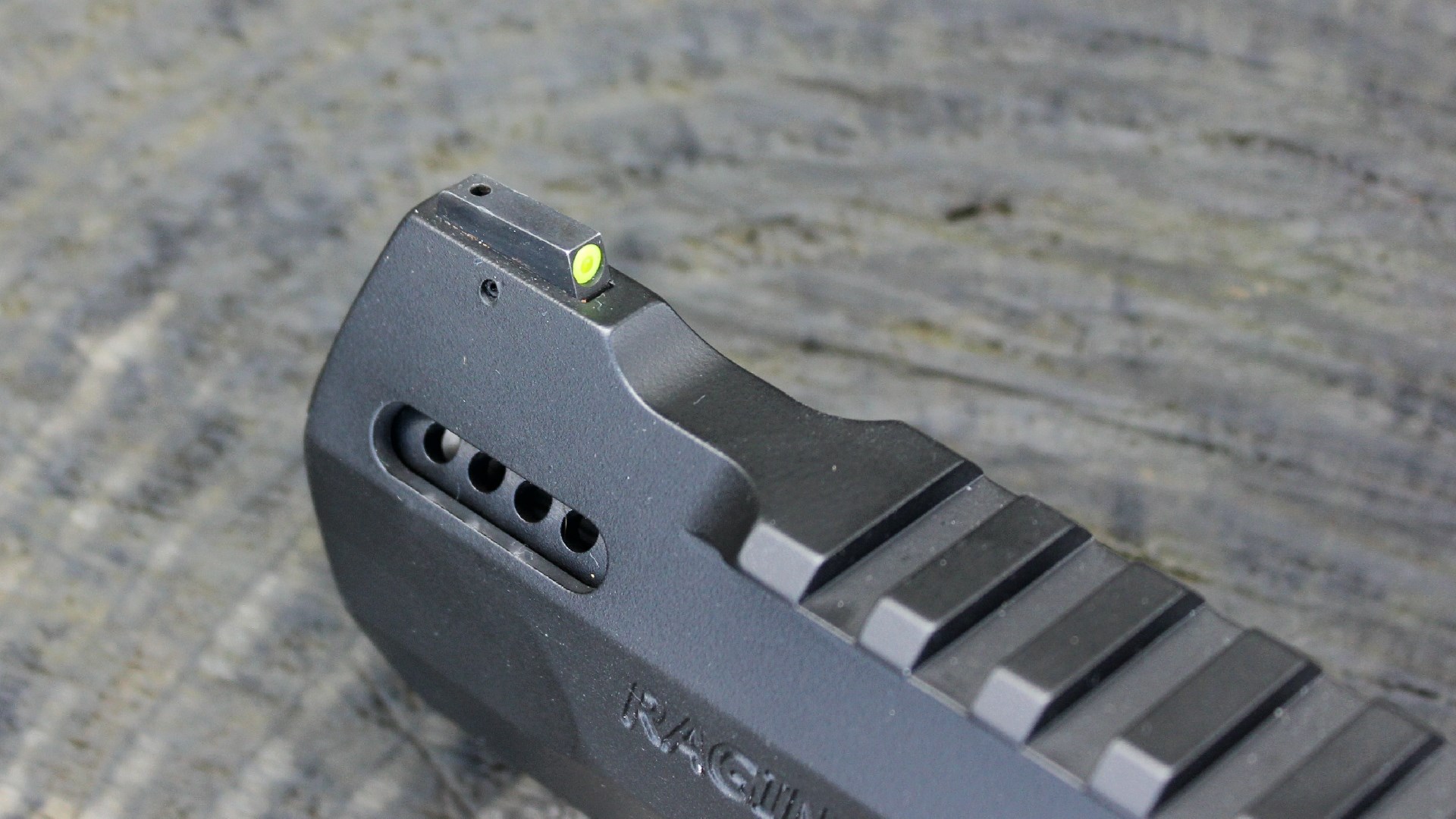
Ruger has yet to offer a factory compensated revolver, at least that I'm aware of. Most other revolver makers have offered at least a few models with ported barrels. If Ruger would add this as a catalog option, it would save customers the time and expense of having them installed by a custom gunsmith.
+1 Round for the SP101
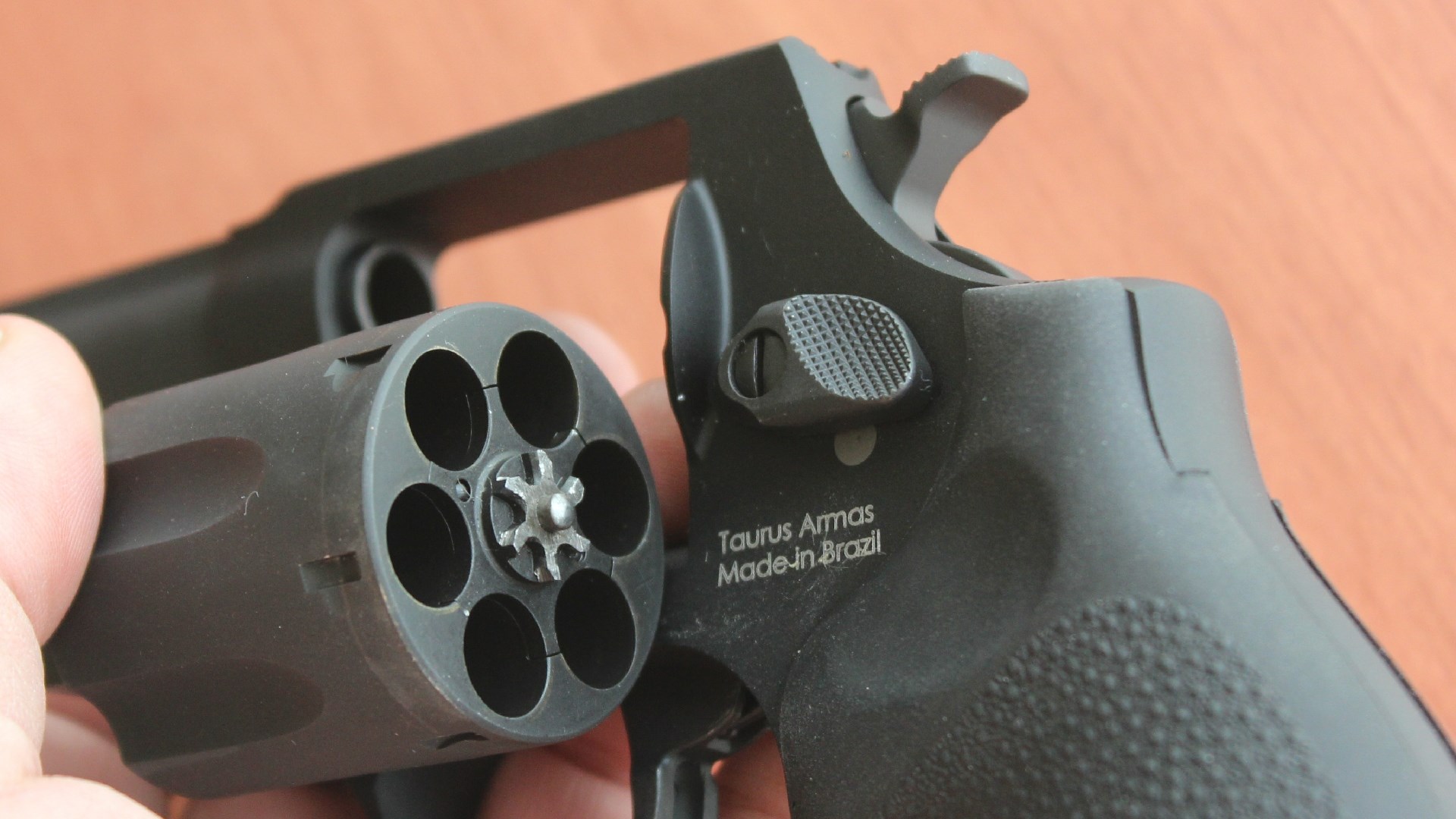
The five-shot Ruger SP101 chambered in .357 Mag. is one of the toughest small-frame revolvers made due to its design. But in recent years, some companies have increased the ammunition capacity of their small .38-caliber revolvers from five rounds to six. Taurus did this in 2019 with the Model 85. The dimensional changes to this gun, dubbed the Model 856, are minimal enough that this revolver still fits into many holsters made for the five-shot version. And this change did not limit the model options either. It’s still available in all steel or Ultralight aluminum frame configurations.
A 5-Shot Medium Frame .44 Mag.
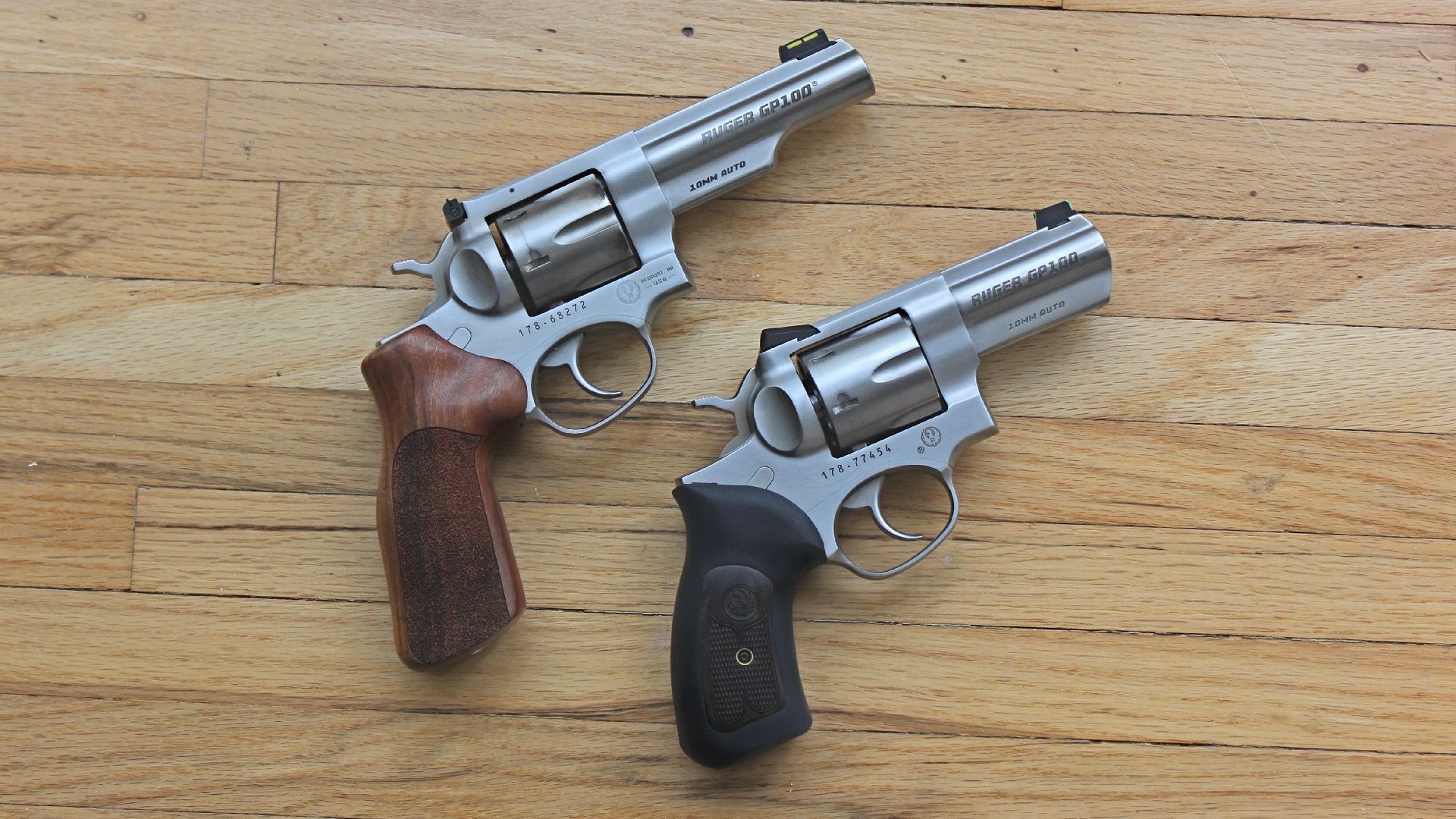
Taurus has offered a medium-sized, five-shot revolver chambered in .44 Mag. for several years dubbed the Tracker 44. I've been hoping for a 3-inch-barreled version but have yet to see one. But I got to take a 2.75-inch-barreled version of the five-shot Smith & Wesson Model 69 Combat Magnum to the range back in 2019. I liked it just fine and gave it a positive review from me. But I remember thinking just how well the features of the Ruger GP100 would lend themselves to this same handy big-bore configuration.
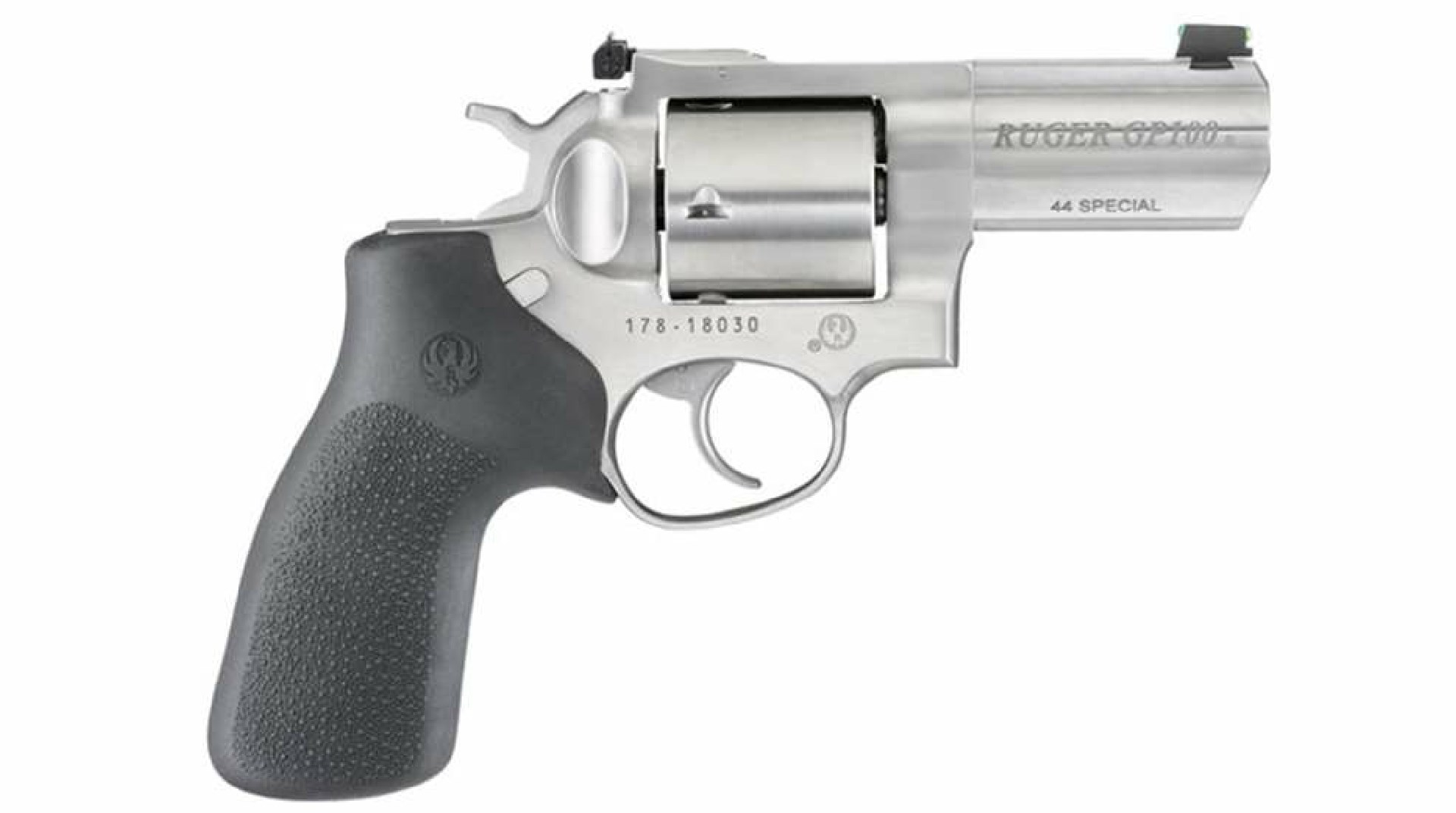
Ruger teased us with the possibility by releasing a GP100 five-shot .44 Special in 2016. All the heavy lifting of modifying the timing and resizing the chambers and bore had been completed. Why not just go ahead and increase the pressure resistance of the cylinder with a stronger alloy, like the Carpenter Custom 465 stainless steel used for the .454 Casull Super Redhawk, and make the GP100 a much more flexible .44 Mag.? The company never did get around to doing it, which was a missed opportunity to produce an excellent, multi-purpose trail gun. But one can hope that the decision could be rectified in the future.
Bonus Points: Quick-Change Caliber Convertible Models
Getting back to the Taurus Tracker series, one of the most flexible revolver packages the company offers is the Tracker 692. Made from stainless steel with a factory-ported, 3-inch barrel, this version arrives with two cylinders. One is chambered for use with the full range of .357 Mag., .38 Spl. +P and .38 Spl. loads. The second cylinder is configured to fire 9 mm +P and 9 mm loads using full moon clips. It's just about as flexible as a medium-frame revolver can get.
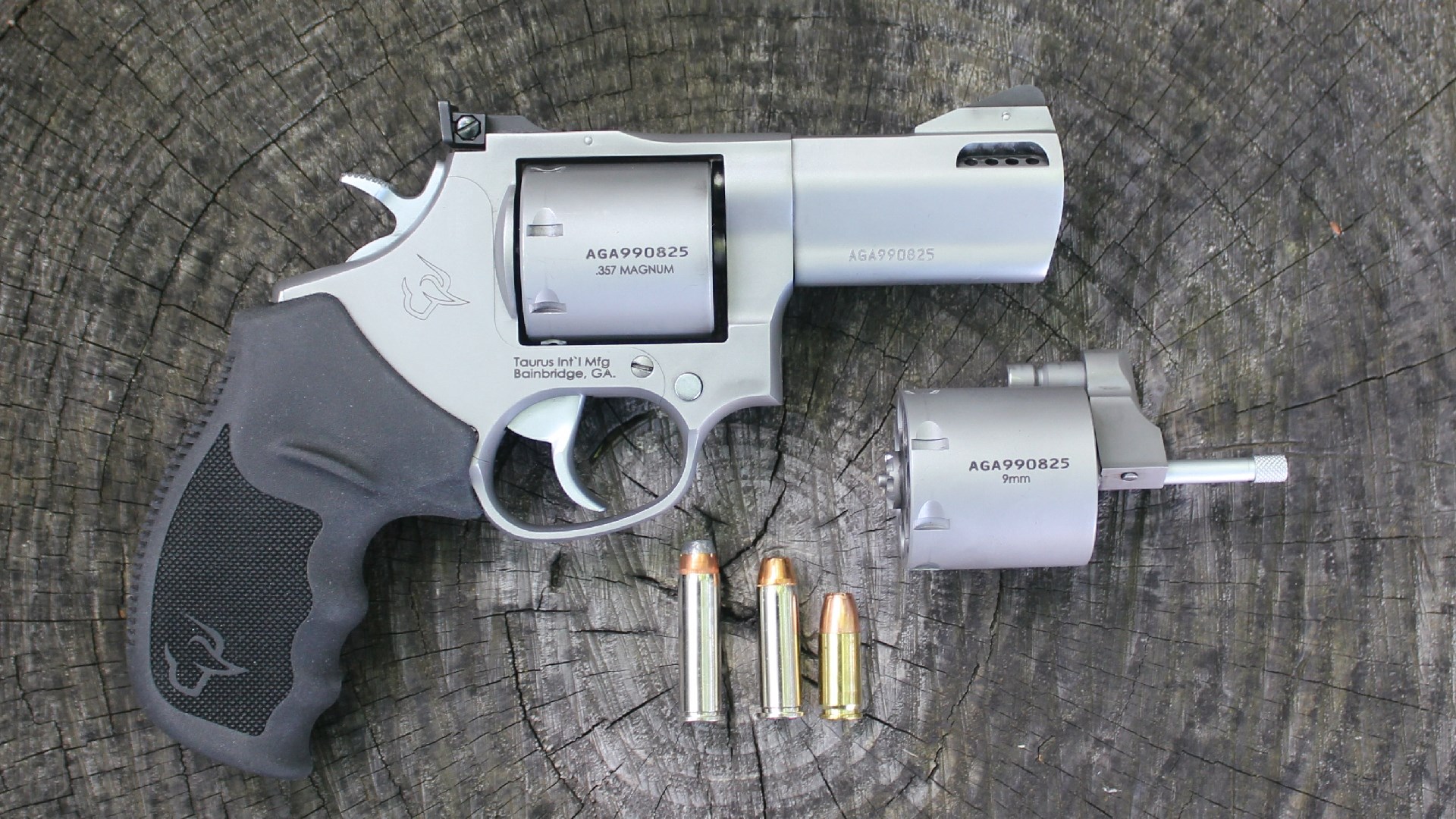
But what makes this package exceptional is the push-button release set into the right side of the frame. With the cylinder open, pressing the button releases the cylinder assembly, cylinder crane and all, to be removed from the frame so that the other assembly can be installed. No tools needed and no tiny screws to lose in the dirt. It would be fantastic if the .38-caliber Ruger GP100 and SP101 models made a comeback with quick-change 9 mm cylinders.
Please Change (But Stay the Same)
Could Ruger's double-action revolvers use some updates? Yes, it wouldn't hurt, should the company choose to bring them back into production. But the reason I've outlined this wish list is because, at their core, these revolvers are too good to be discontinued forever.
The monolithic frames are overbuilt in just the right places and formed from sturdy alloys, making these guns impressively tough. The central post that supports the grip allows for a wide variety of grip shapes and sizes. The triggers are good, and the cylinder locks into the frame at the at the front, the rear, and the bottom for positive alignment and added reliability.
Whatever Ruger chooses to do, let’s hope they never change the cylinder release. Its push-button design makes it one of the most intuitive to use. Let's keep our fingers crossed in hopes that these terrific wheelguns are not gone for good.