Most people picking out their first gun start off on the wrong foot. The classic move is to walk up to the counter, grab a pistol, and see "how it feels" before making a decision. With this approach, comfort gets treated as the priority. The problem is that buying a gun based on how it feels at the counter is like buying a car without test-driving it. It's the firearm equivalent of just sitting behind the wheel, going “vroom vroom!”
Comfort vs. Capability
One of the biggest mistakes I saw back when I worked behind the gun counter was people thinking comfort equals capability.
Small guns are the biggest culprit in this misunderstanding. There’s less weight, less bulk, and it's easier to handle. That initial impression drives a lot of decisions, but once you actually start shooting them, the trade-offs show up quickly.
Smaller guns are just harder to control. Less weight means more recoil, less grip means less contact with the frame, and what felt fine in your hand suddenly feels like a handful once you start shooting more than a magazine’s worth.
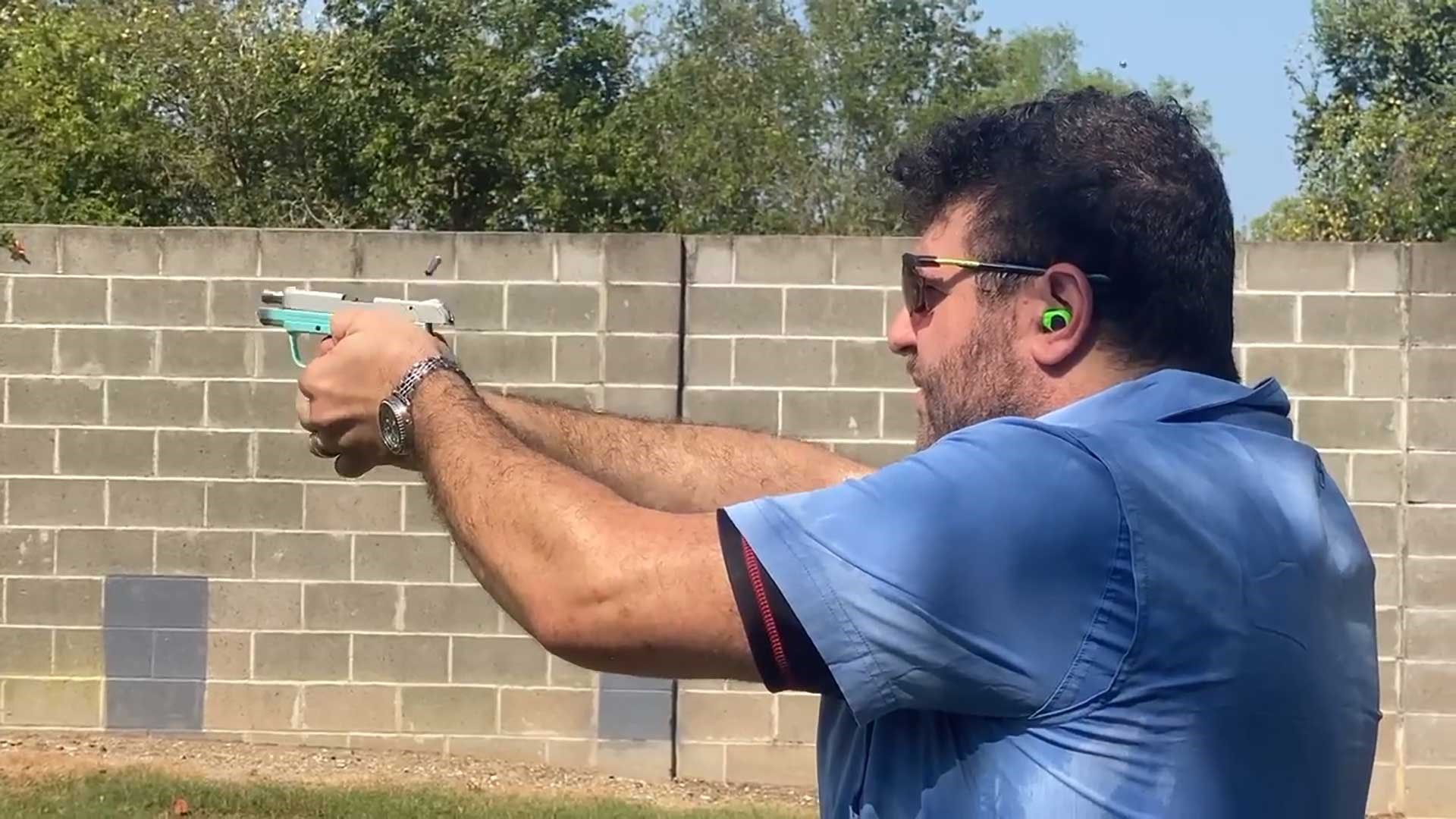
Instead of simply seeing how it feels, gun buyers should be paying attention to every aspect of a firearm's ergonomics.
That includes whether you can:
- establish a good, consistent grip every time (doubly difficult since many new shooters don’t know what constitutes a “good grip” yet)
- reach and operate the controls without breaking that grip (another struggle, since most firearm retail associates only focus on the trigger, a safety if it's present and maybe the magazine release)
- maintain control in recoil (not possible on the sales floor of a gun shop)
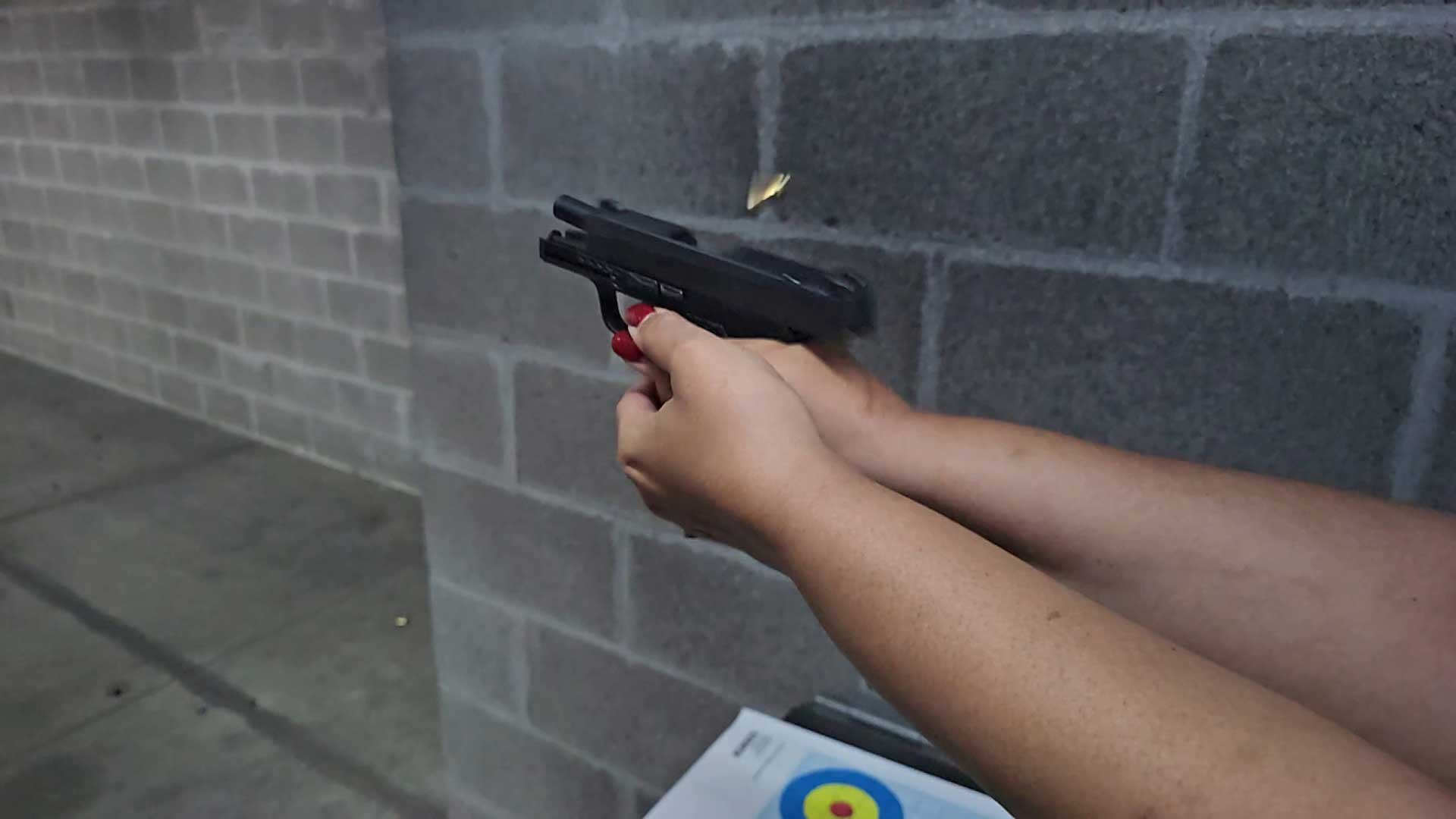
Guns that look friendly in the case often end up being a nightmare on the range, or at the very least, they present a bigger challenge than originally expected.
Mechanical Safeties & The Training Trade-Off
I encountered a lot of new shooters who liked the sense of security derived from a firearm's manual safety. They appreciated the idea of having an “off button," if you will. As with many things, it was generally a better idea on paper than in practice.
A manual safety is an active control. It has to be deliberately disengaged every time the gun is brought into action and habituated through repetition. If that isn’t trained to the point of being subconscious, it becomes another place where things can go wrong under pressure.
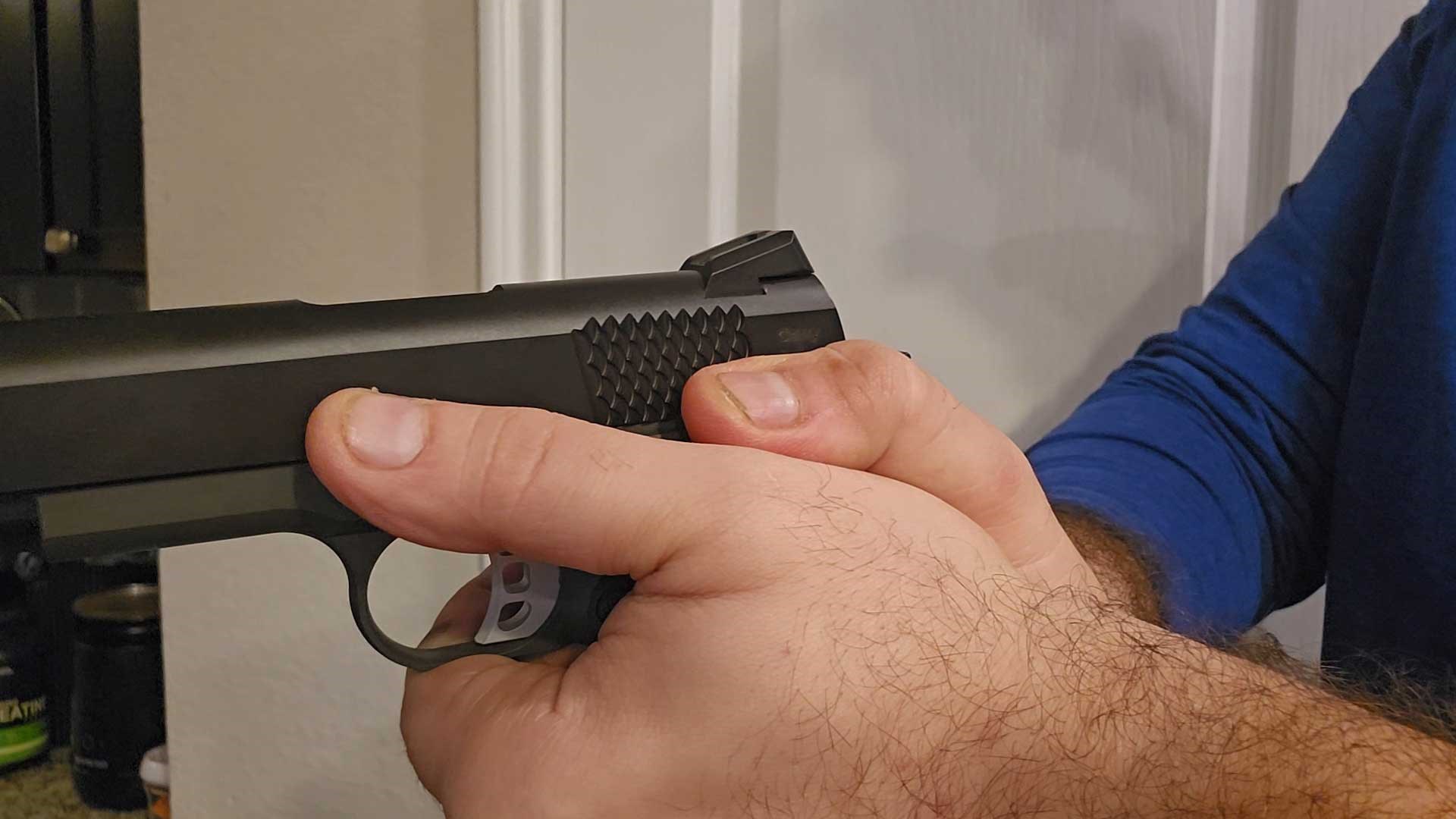
Additionally, many parents seemed to gravitate towards the idea of a manual safety, as if such a mechanism would somehow buy them time in the event of unauthorized access. Melody Lauer over at Citizens Defense Research has the unfortunate task of cataloging such outcomes as part of her Armed Parent & Guardian lecture. Her research has shown that, regardless of how many "switches" or "buttons" are on the firearm, a tragic outcome is inevitable in the hands of a curious child, meaning that safe storage is the only way to go, not a particular firearm configuration.
Safeties aren’t good or bad. Just like anything else, they just require thoughtful consideration and making sure that all the pros and cons are accounted for.
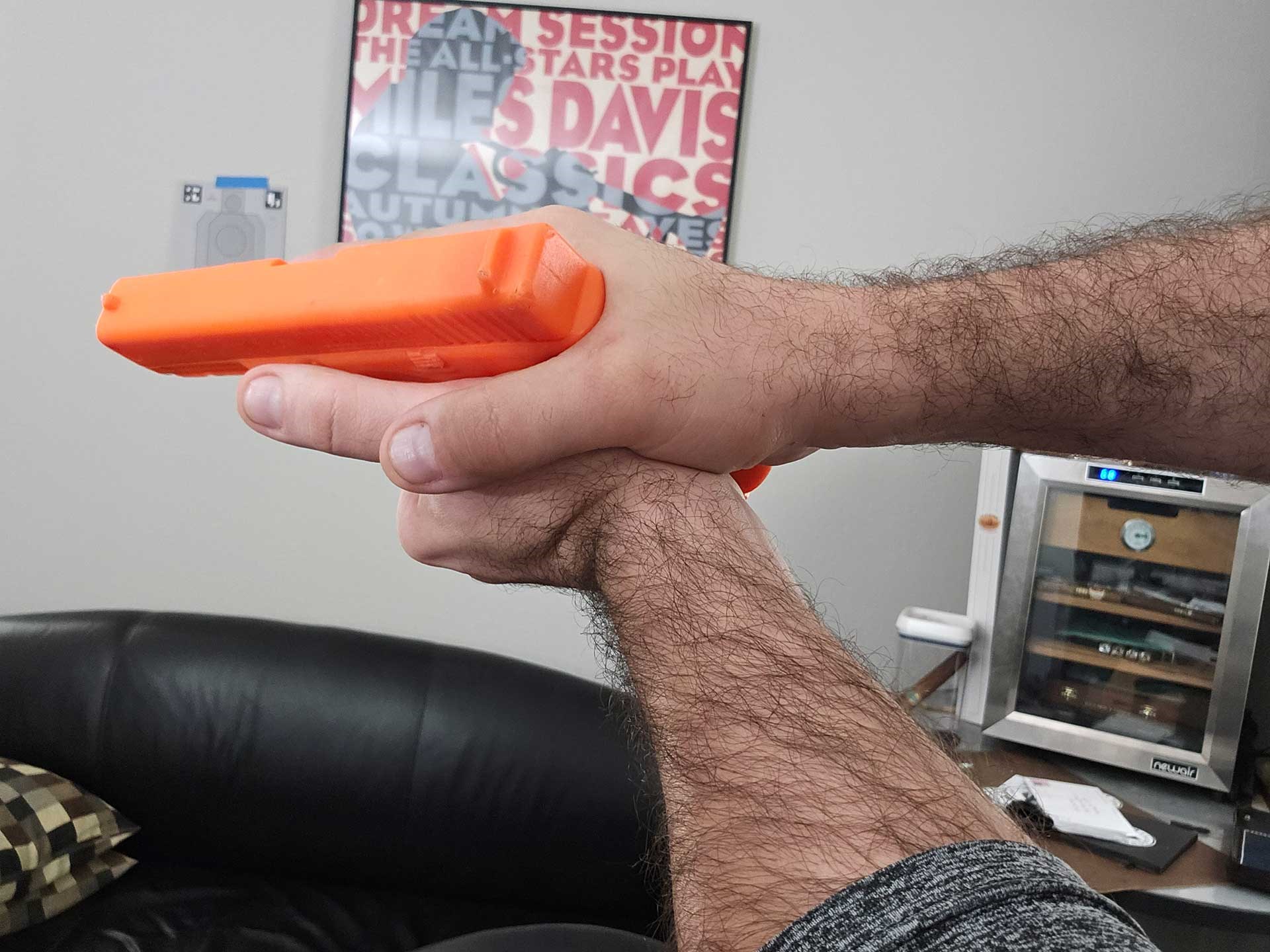
I’ll use myself as an example: During my first pistol class (Tactical Response’s Fighting Pistol back in 2009), I shot a Beretta 92 FS. After a reload, I ran the slide in the overhand method taught, went to shoot again, and nothing happened. My immediate response was to smack the magazine, run the slide and try again. Nothing. Tap, rack, nothing. I did that five times before I realized I’d wiped the safety on.
Can that be fixed with more practice? Absolutely! It’s just a matter of what you want to put your focus on.
Optimal vs. Actionable
Most firearm discussions tend to focus on optimization. These are boiled down into topics like what gun has the best trigger, best capacity, best recoil control, best reputation, etc. Unfortunately, those conversations tend to take place in a vacuum, where the limitations of real life are cast aside, sacrificed at the altar of “How much is your life worth?”
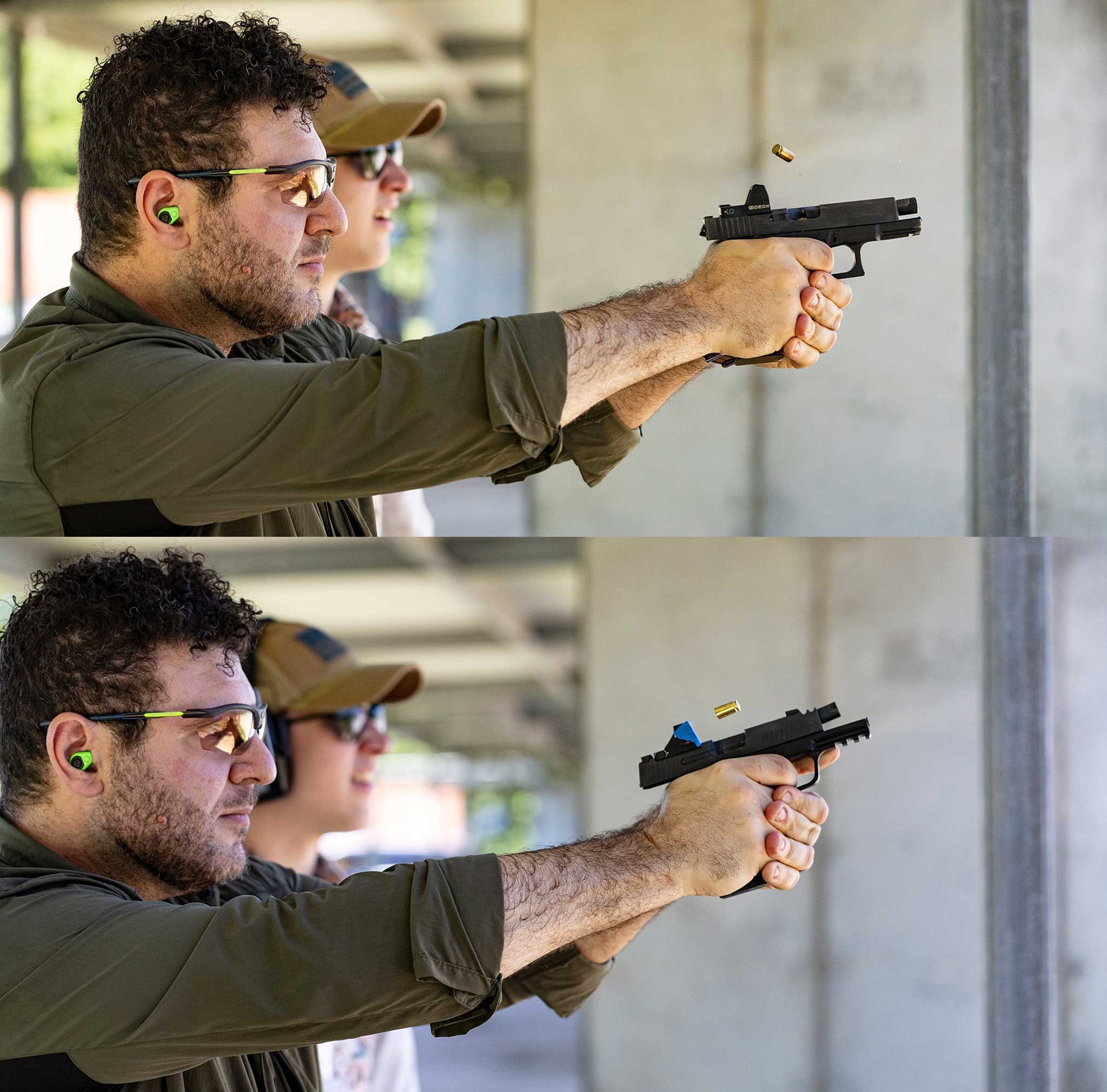
There’s a difference between what is optimal and what is feasible. Optimal is the theoretical best set-up under ideal conditions. Once the constraints of life, work, attire, routine, etc. come into play, suddenly, the “right” answer isn’t so cookie-cutter.
Everything is a compromise: Do you want a gun that’s easier to shoot or easier to conceal? What’s more important: maximum capacity or maximum concealment? All of a sudden, the question is less about finding the best firearm and more about identifying the most sustainable firearm for daily use.
One Student's Case Study
I had a student come to me who recently experienced a home invasion by an emotionally disturbed person. She was understandably rattled because she was forced to confront the reality that bad things can find us, and we are always going to be the first ones on the scene in our own defensive encounter.
She was unfamiliar with firearms, so after the first lesson, where we focused purely on safe handling and familiarization, we proceeded to the range. I have a variety of options in my training box, so students can experience the attributes discussed above for themselves.
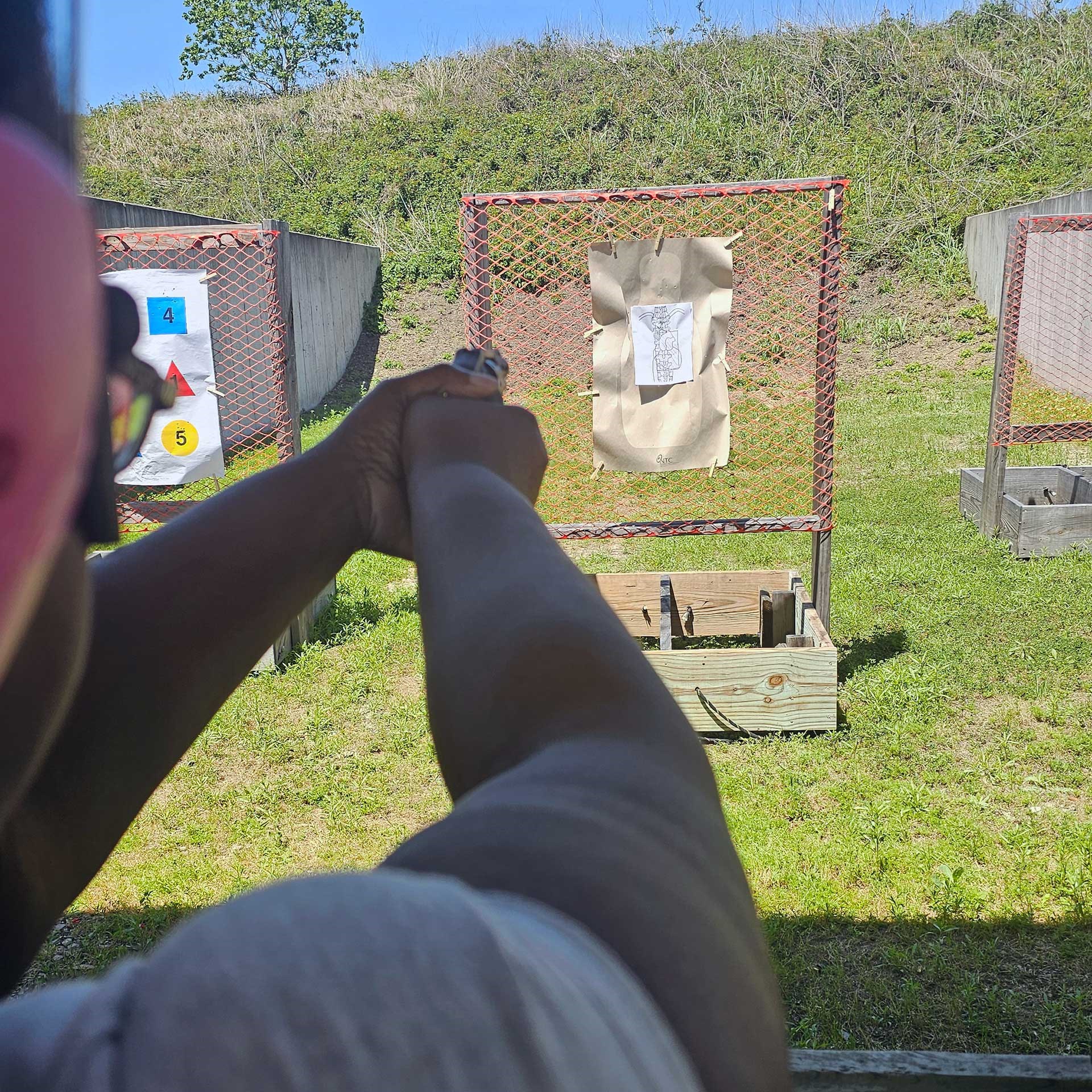
She had access to everything from a Ruger LCP II .22 LR to a 4-inch Smith & Wesson Model 19 (loaded with .38 Special wadcutters, because anyone that uses magnums or any heavy-recoiling cartridge to introduce new shooters… Well, let’s just say I disagree with them on a fundamental level, and leave it at that).
Despite the general consensus that a Glock 19-size pistol is the best place for people to start, this woman was most comfortable with the manual of arms and shooting experience of a Ruger LCR .22 revolver. She was consistently stacking rounds on a 3x5 index card at 5 yards, even with that long, heavy trigger and OK sights.
In some cases, shooters are more consistent with smaller guns that would never be considered for duty use. This isn't because those guns are inherently better but because they allow the shooter to build control and confidence without fighting the firearm.
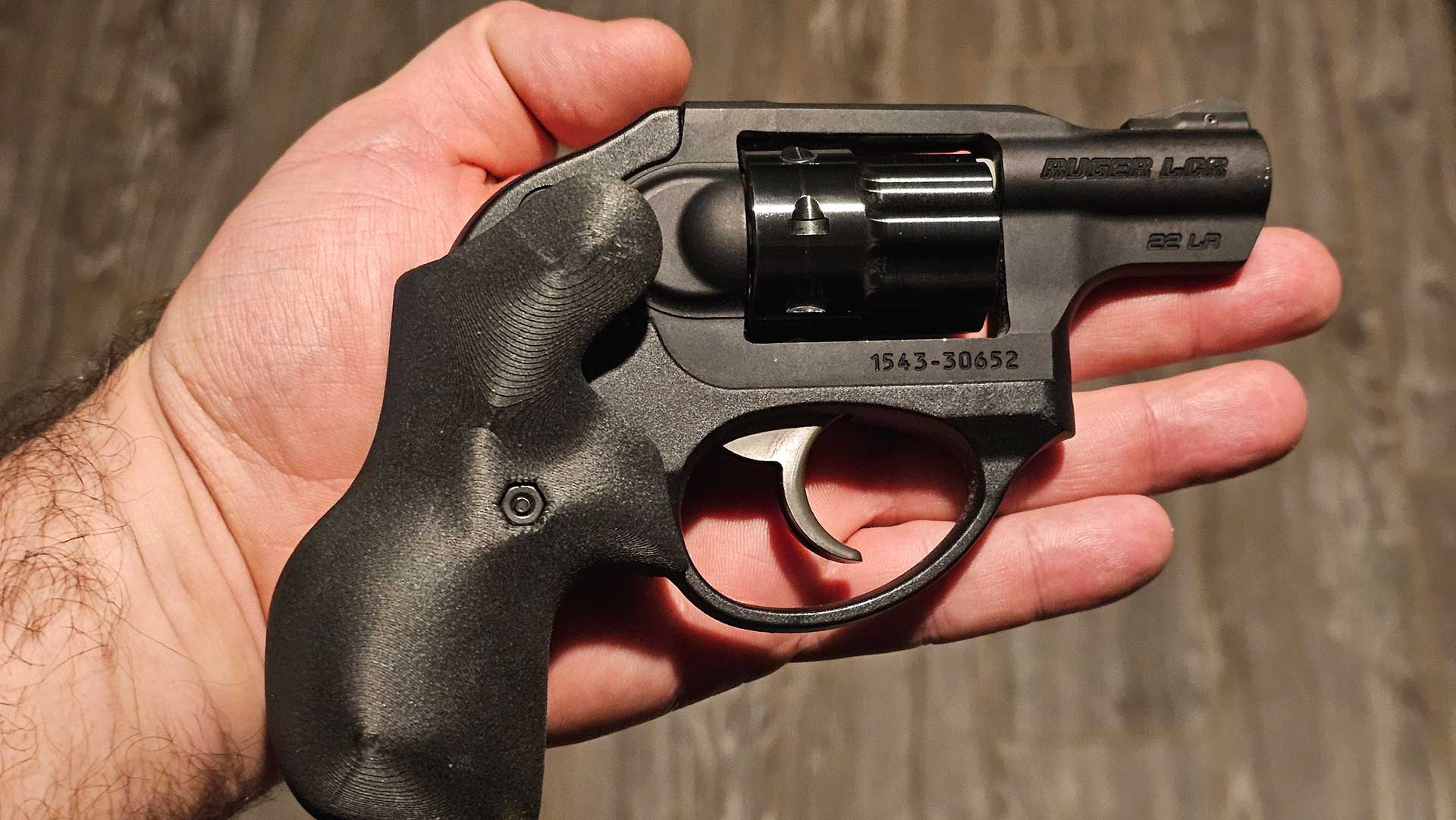
Early in training, control tends to matter more than theoretical advantage. Federal Punch out of that LCR .22 will meet the FBI's penetration criteria, and she’s able to put rounds where they need to go.
Ultimately, when it comes to firearms, there is no universal “best” answer. It all boils down to what removes the most friction points so that the user can be consistent, confident and competent with a particular gun.
Life Sets the Criteria for a Defensive Firearm
Once you move from the range to actually carrying every day, the environment can dictate certain factors.
If carrying the gun isn’t part of the job description and an individual works in a relatively controlled, low-risk environment like an office, the odds of getting discovered are considerably higher than being confronted with targeted violence that would necessitate a full-size fighting handgun.
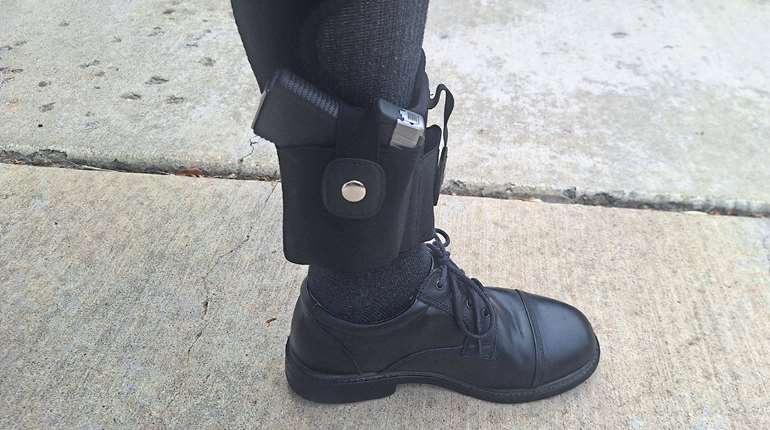
Smaller pistols and deeper concealment are increasingly popular because they increase the likelihood of carrying consistently. A slightly less-capable gun that is on you every day is often more effective than a duty-size gun you leave in the sock drawer.
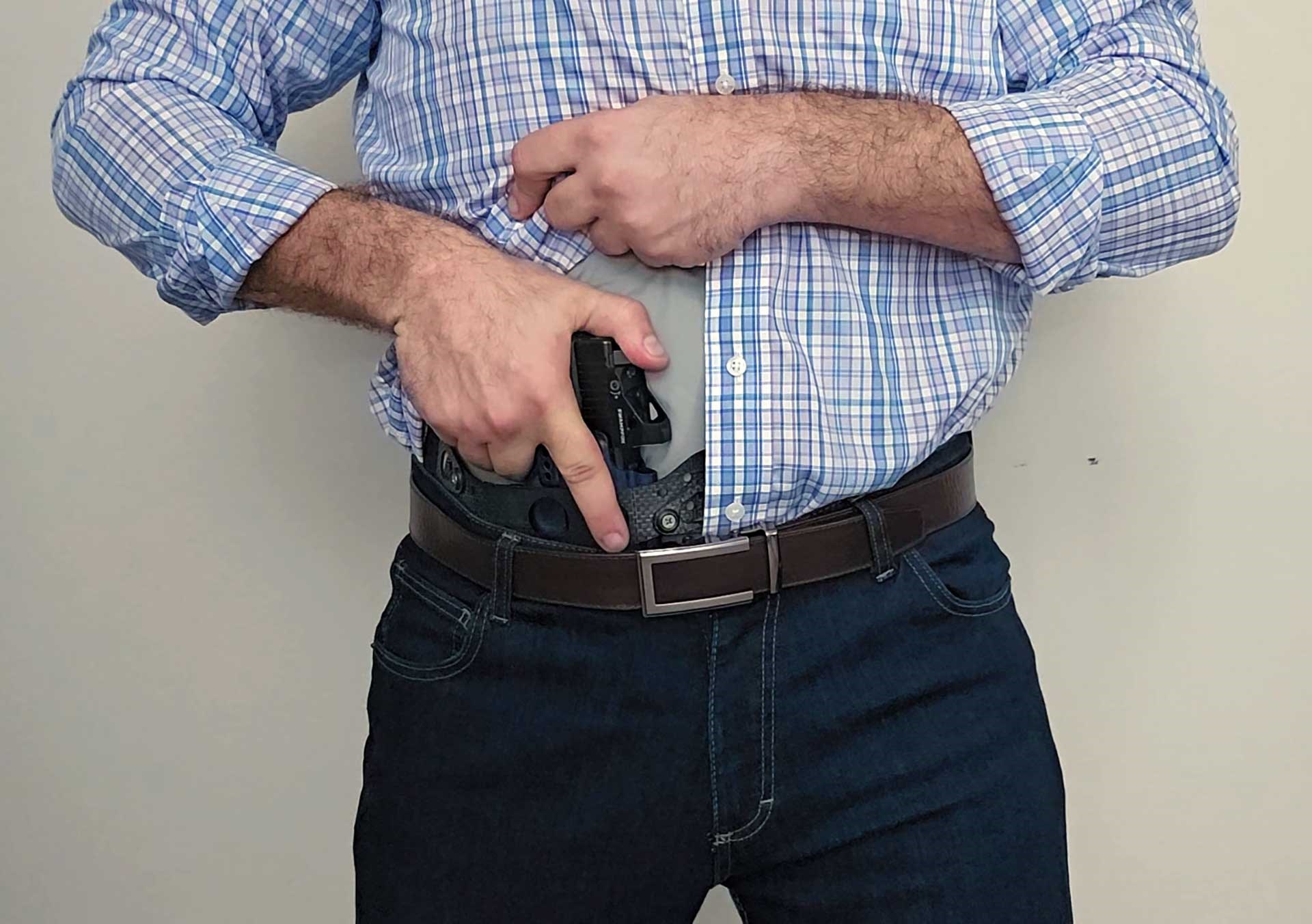
The biggest mistake I see with first-time gun buyers is treating it like a shopping list of features to check off. Capacity, caliber, trigger feel, brand—yeah, these features all matter, but none of them exists in a vacuum.
A more useful approach is to focus on attributes, instead of features. Here are a few questions to ask yourself:
- Can it be carried consistently?
- Can it be manipulated reliably?
- Can it deliver acceptable performance under realistic conditions?
If those boxes are checked, the system is already functional.
If Rule No. 1 of a gunfight is “have a gun,” then why put a bunch of arbitrary qualifiers after it that end up discouraging people from starting down the path? “Good enough” isn’t inherently a dirty word, as long as the person understands the limitations they’re accepting with the compromises they’ve chosen to make.
Most Popular