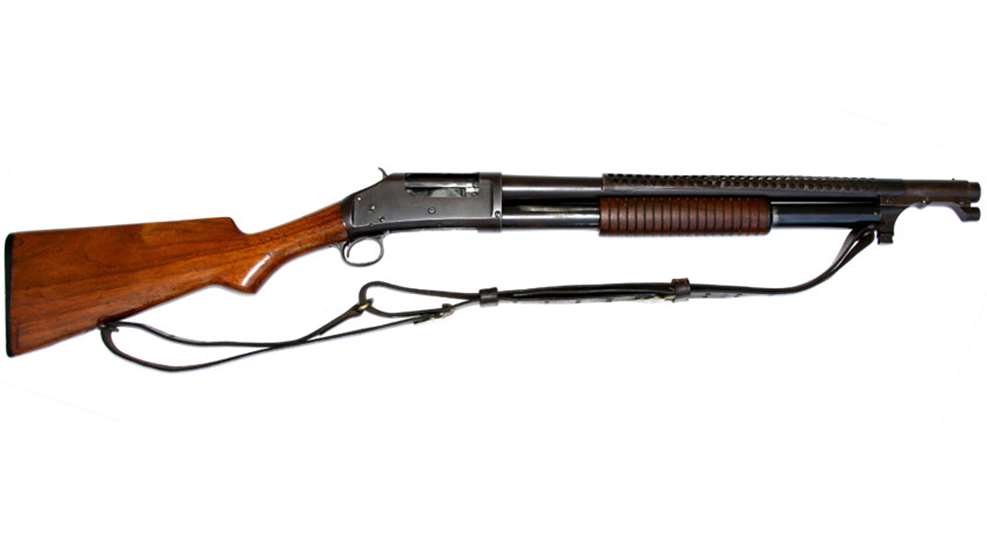
The Argonne, 1917
A squad of Doughboys slithered across No Man’s Land. They were led by a boyish lieutenant, not far removed from Princeton. Behind him was a desultory sergeant, a pre-war regular. He’d fought the Mexicans, the Spanish and the Moro. He was armed with a Winchester Model 1897 repeating shotgun; the genesis of which came from the genius of John Moses Browning.
The Doughboys dropped into a Hun trench. A sentry cried out in harsh, guttural German and the fight was on. The boy lieutenant dropped several with his .45 M1911. And our trusty regular Army sergeant dropped them by the handful with his scattered gun, most by slam-firing. And thus the lore of the “trench gun” was born.
Just one small problem: The above didn't really happen. At least not outside of very limited, experimental circumstances.
For a host of reasons, outside of a few select, recorded moments, the Winchester Model 1897 "trench gun" never really made it into combat on the Western Front. But, the fact remains that Americans have always revered the shotgun as the ultimate fight-stopper. And in some ways, that is a correct assumption. No less an authority on martial violence with firearms than Clint Smith has stated “that when loaded properly; a shotgun will remove physical chunks” off an assailant. And if a bit of a hyperbole, it’s still grounded in the absolute truths of ballistics.
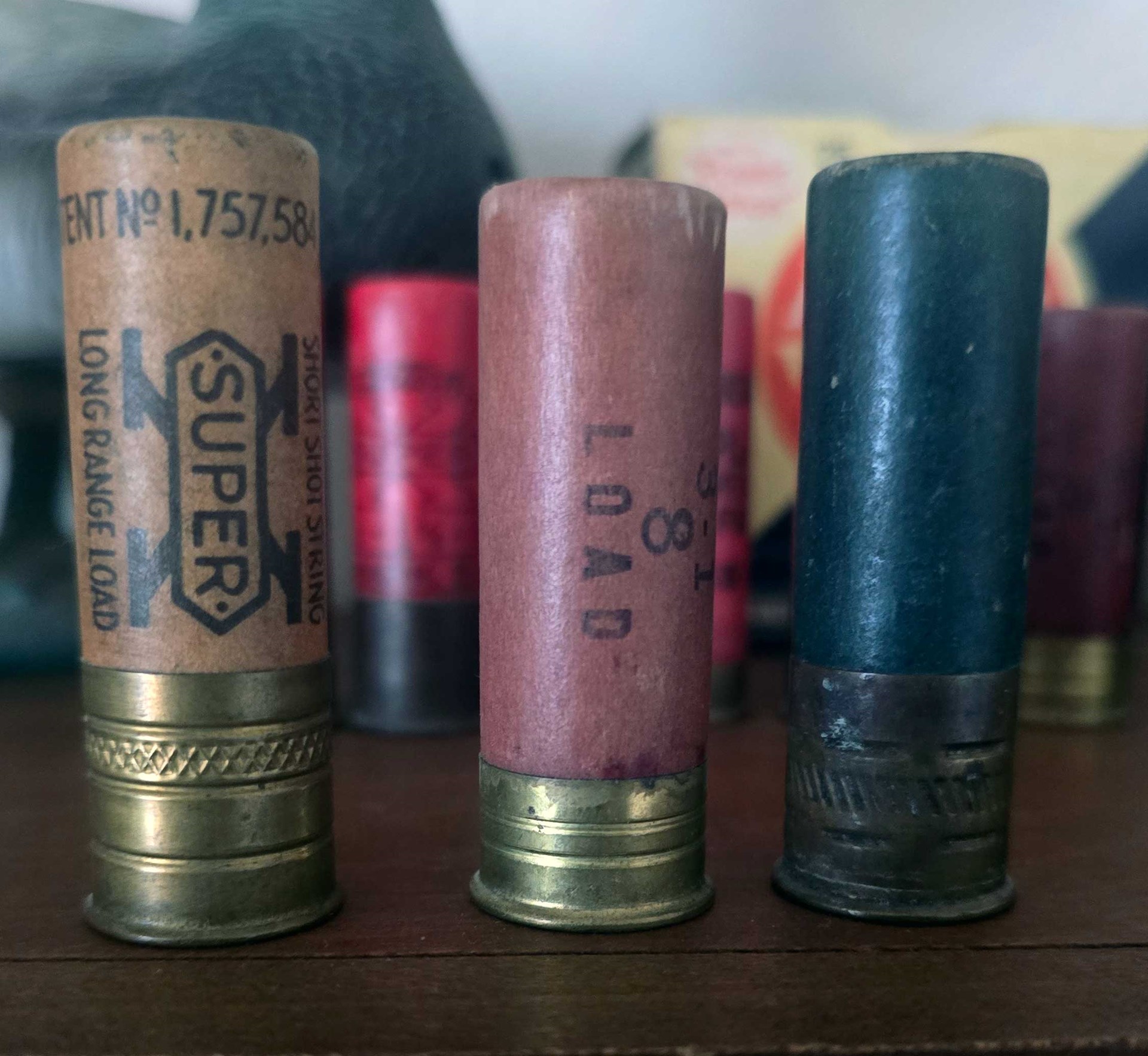
Now that being said; the "trench gun," at least in World War I, never quite lived up to the future myth of the "fighting shotgun." The main reasoning being the paper hulled shells of the time, which had the potential to cause serious malfunctions when wet.
I’m fortunate that I’ve never struggled to load and fire a shotgun in a muddy trench as I was attacked by angry German soldiers, but I have certainly fumbled about with cold and wet fingers in a duck swamp trying to get shells into a tube. And I can say with certainty that shells get wet. And that’s all well and good with modern loadings and their nice plastic hulls and nickel-plated brass. But the American Expeditionary Force (AEF) wasn’t so well-equipped. The paper hulls of the time became swollen and soggy in the mud of the Western Front.
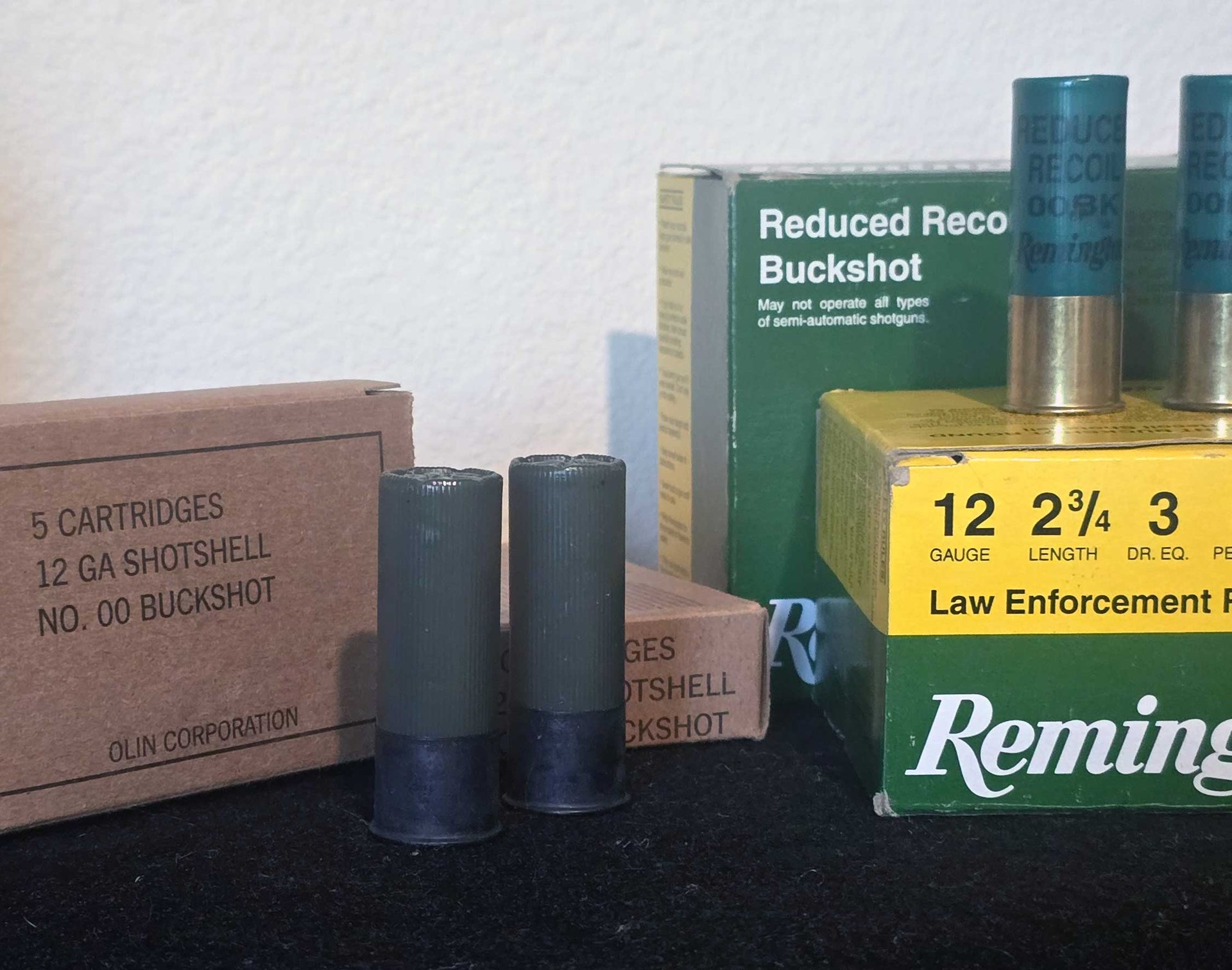
The lack of suitable ammunition wasn’t the only problem the “trench gun” faced in the Great War. Winchester simply couldn’t make enough of them. And the ones they did make were pressed into a different role: guarding scores of German prisoners that were taken as the Kaiser’s forces surrendered in the face of the AEF onslaught.
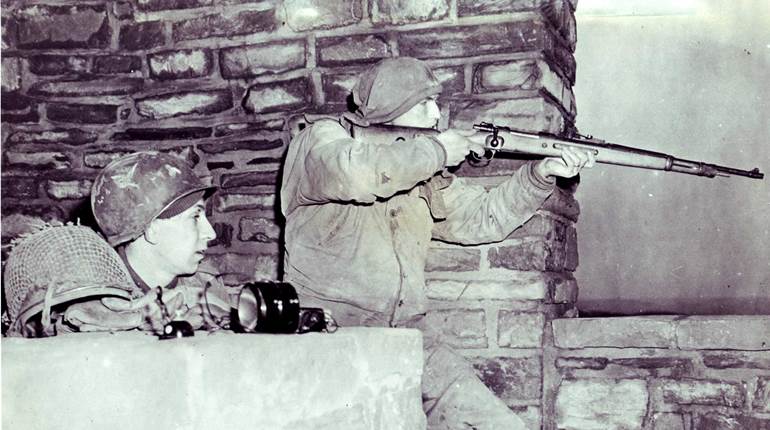
There was also some plain old American-style rifle preference. Major General Julian Hatcher writes that “The men of the 77th Inf Division preferred the rifle for open fighting as the front shifts.” Which makes sense; if you have the Hun on the run, you want to shoot at him with your Model 1903 or Model 1917 from a safe distance instead of closing in with a shotgun.
Regardless of actual field use and performance; the myth of the "trench gun" emerged, with a few kernels of truth buried within the myth, and this quite possibly led to the uniquely American view of the ultimate fighting prowess of the shotgun.
The American fighting man certainly used the scattergun across the world in the World War II. The humble Model 97, the new hammerless Model 12, along with different models from Savage, Stevens, and Remington all were issued to various units. Along with full brass shells. A case could be made that the “trench gun” could be more rightly called the “jungle gun.”
And soon thereafter, American went to fight communist aggression in another jungle. And the American fighting man carried two new shotguns; the Steven 77E and the Ithaca 37. The Ithaca 37 was especially nifty because it both loaded and ejected out the bottom, yet another legacy of John M. Browning.
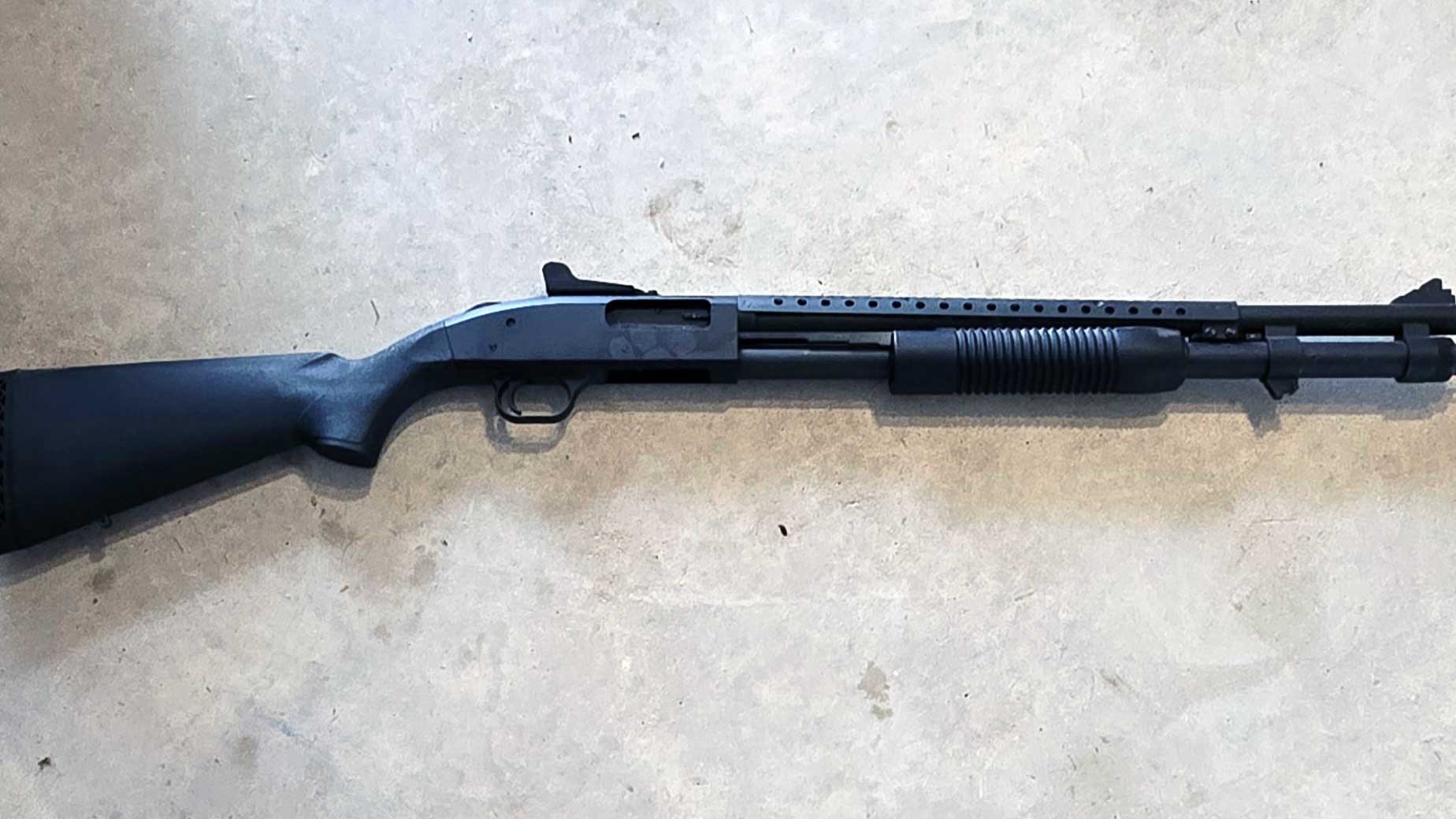
And the shotgun soldiered on through the Global War on Terror, now with models like the Remington 870 and the Mossberg 590. A shotgun has numerous uses in the type of fighting we did in Iraq and Afghanistan, one of which being the ability to easily switch between less-lethal and lethal ammunition along with being able to breach a door. I don’t care how bad a day you’re having, you can’t help but smile when you blow a door off of its hinges with a shotgun.
The use of the shotgun by American military personnel and law-enforcement officials is both the cause and effect of its popularity on the American commercial market. That same popularity leads to some rather cringe-inducing myths concerning the shotgun and its viability as a self defense tool. The staple of racking a shotgun as a deterrence method is tripe that needs to die a quick and an inglorious death. Along with the use of loads other than buckshot or slugs for actual, fool-shooting work.
The Dougboys didn’t stop the Hun hordes with birdshot. And you shouldn’t use it for anything other than birds.
Most Popular