The Thompson submachine gun, the PO8 Luger, the AK-47 family and the AR-15 all have an instantly recognizable silhouette; even to the firearms layperson. And all are associated with a famous designer; even if the AR-15/M16 overlooks Eugene Stoner in its nomenclature. However, there is one firearm that is instantly associated with both the original designer and original maker.
The Colt Model of 1911 is intrinsically linked with both the Hartford, Conn., Colt plant and the patents from John M. Browning. Browning had already patented the reciprocating slide with some of his earlier designs; the Government Model 1911 brought that particular operating system to the forefront. The M1911 is a quintessential American handgun. Designed with horse-mounted cavalry in mind, built around interchangeable parts, and chambered for an honest-to-God fighting cartridge, the 1911 was meant to be a fighting gun not as the badge of rank that some European forces seemed to view handguns.
The 1911 served admirably from, well, 1911 until 1985 as a standard-issue sidearm for the U.S. military. In the opinion of this writer, the only possible claimant to a better issue sidearm for most of that time frame would be the Browning Hi-Power. This long and distinguished service life, spanning two world wars, a handful of police actions and all the nastiness of the Cold War, has generated a certain mystique about the 1911. Some of it is rooted in fact. Unfortunately, the sheer expanse of history around the gun has also generated a lot of myth.
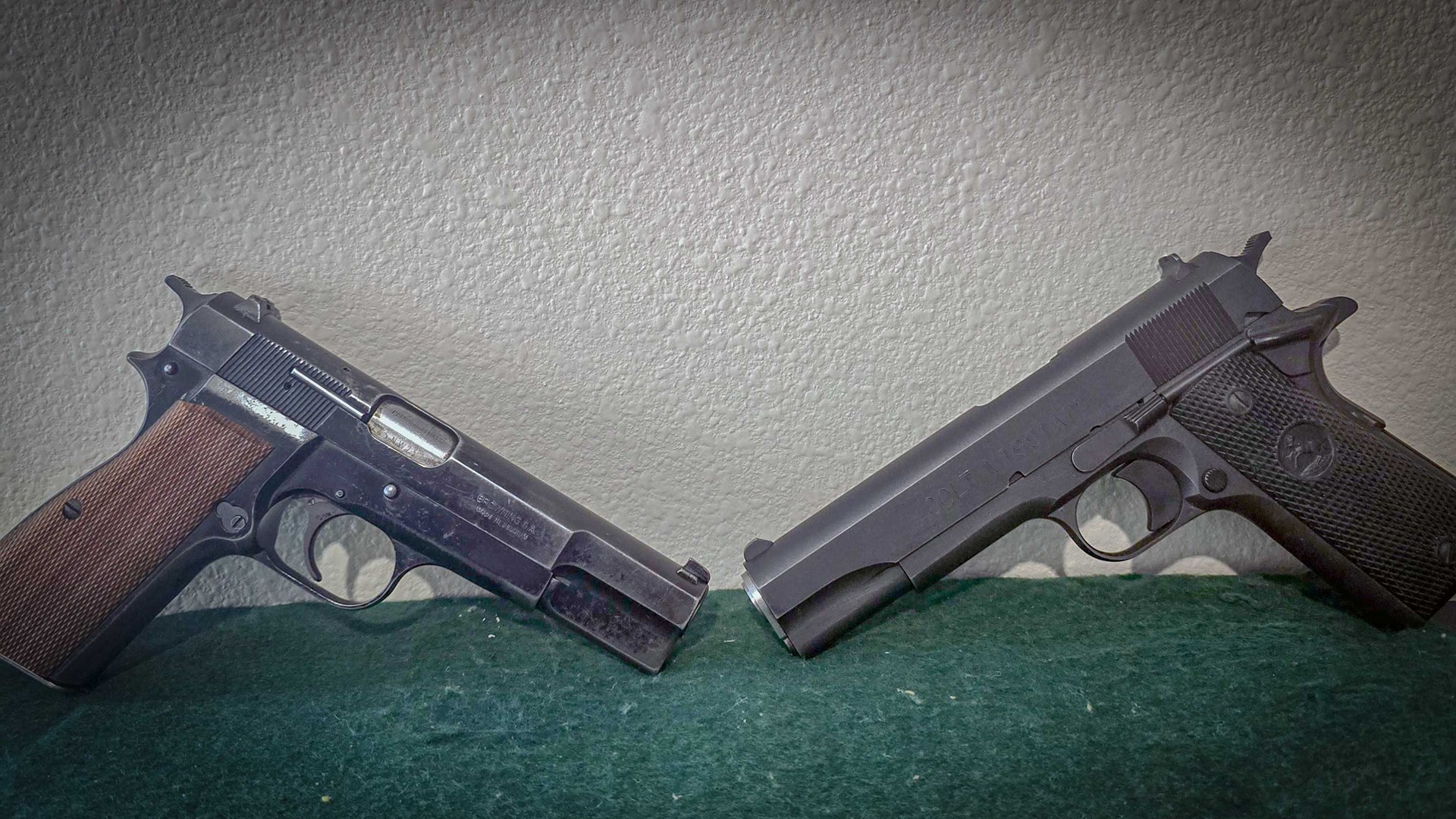
Myths of the 1911 generally center around how it is the best, most lethal, most efficient handgun ever produced. The case for such a claim might have been very strong once. In 1925. Or even 1952. But in the era of lighter-weight, striker-fired, polymer-framed guns with higher standard magazine capacities, the 1911 became more of an affectation for some rather than a serious fighting handgun.
Some of the last holdouts of the 1911 platform were various units of the United States Joint Special Operations Command. The vaunted Colt M45A1 saw service in the early days of Afghanistan and Iraq, and damn if those weren’t good guns. But their service in an era when more modern designs had already come to the forefront only served to highlight the flaws with original, century-old design. Among these were limited magazine capacities, questionable magazine reliability, excessive weight and burdensome maintenance requirements. The use of an almost hand-fitted pistol in the arid, dusty environment of CENTCOM led to a lot of logistical headaches.
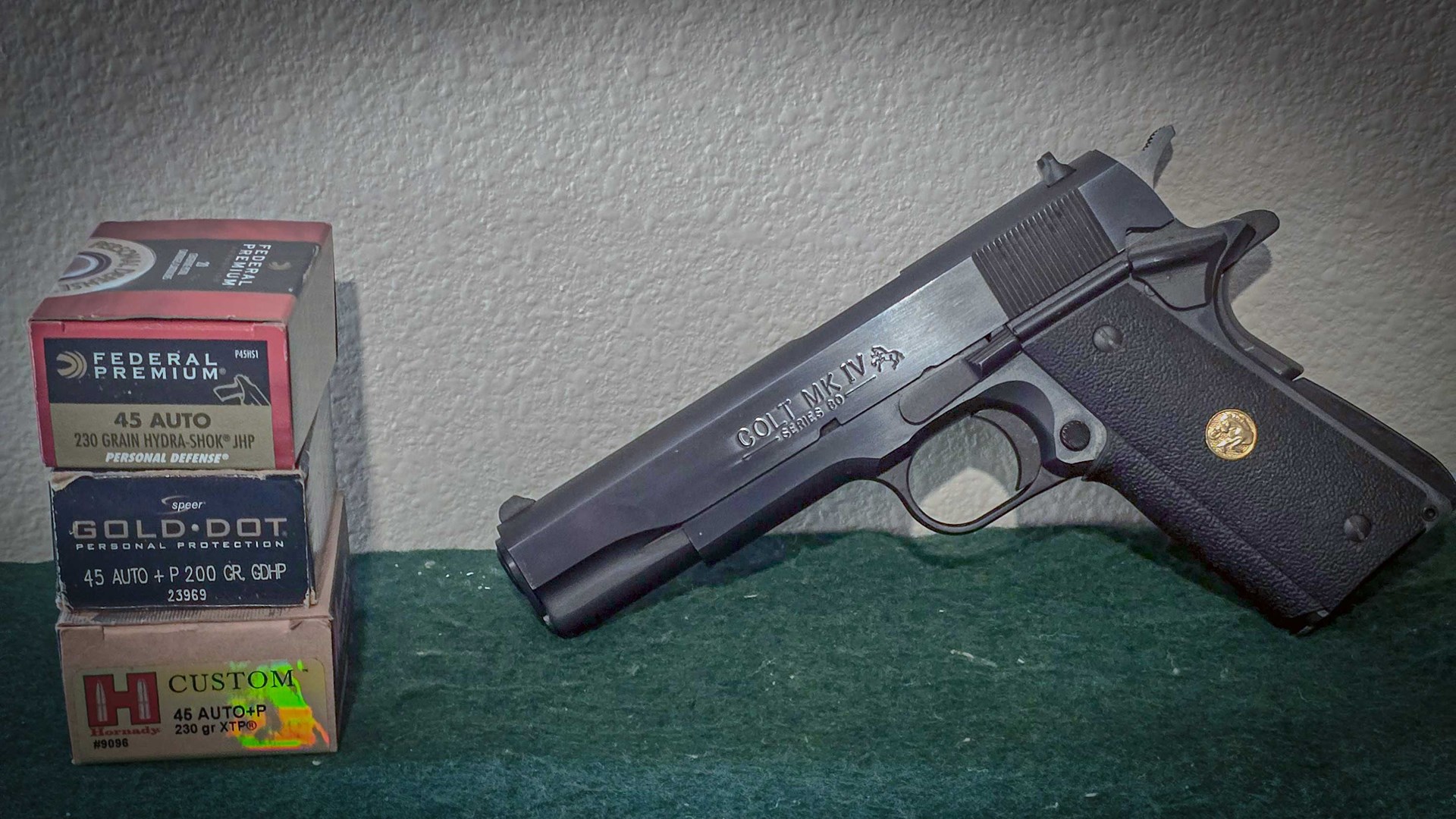
This is not to say the 1911 is worthless. Quite the opposite, in fact. I have a lovely Colt Mk IV that reigns supreme in local bowling pin matches. I have an equally gorgeous Commander that carries well in my “Florida Man” uniform of khaki shorts and a golf polo. And if I ever found myself in the unfortunate position of being a New Jersey resident, hobbled by both magazine restrictions and bullet-profile regulations, I’d carry some form of .45 ACP because a 230-grain FMJ is much more effective that harsh language.
If we are to look at a pistol purely as a self-defense defense tool and not as a status symbol or a more elegant arm from a bygone age, the 1911 begins to struggle. Weight, magazine capacity, magazine reliability, overall reliability, manual of arms and a certain peculiarity of bullet-profile preference all serve to hamper the 1911 in a modern setting.
I can hear the cries of “POLISH THE FEED RAMPS!” now, but, in 2026, that isn’t something one should be required to do before carrying modern self-defense ammunition. “THEY ALL FALL TO HARD BALL” come the plaintive screams, I’m sure. And again, in 2026, we should all be carrying an effective, duty-proven, hollow-point bullet for self-defense. Unless we live in New Jersey. And whereas eight or nine rounds of .45 ACP is certainly effective, do you really want to face more than one or two assailants with that low of a round count?
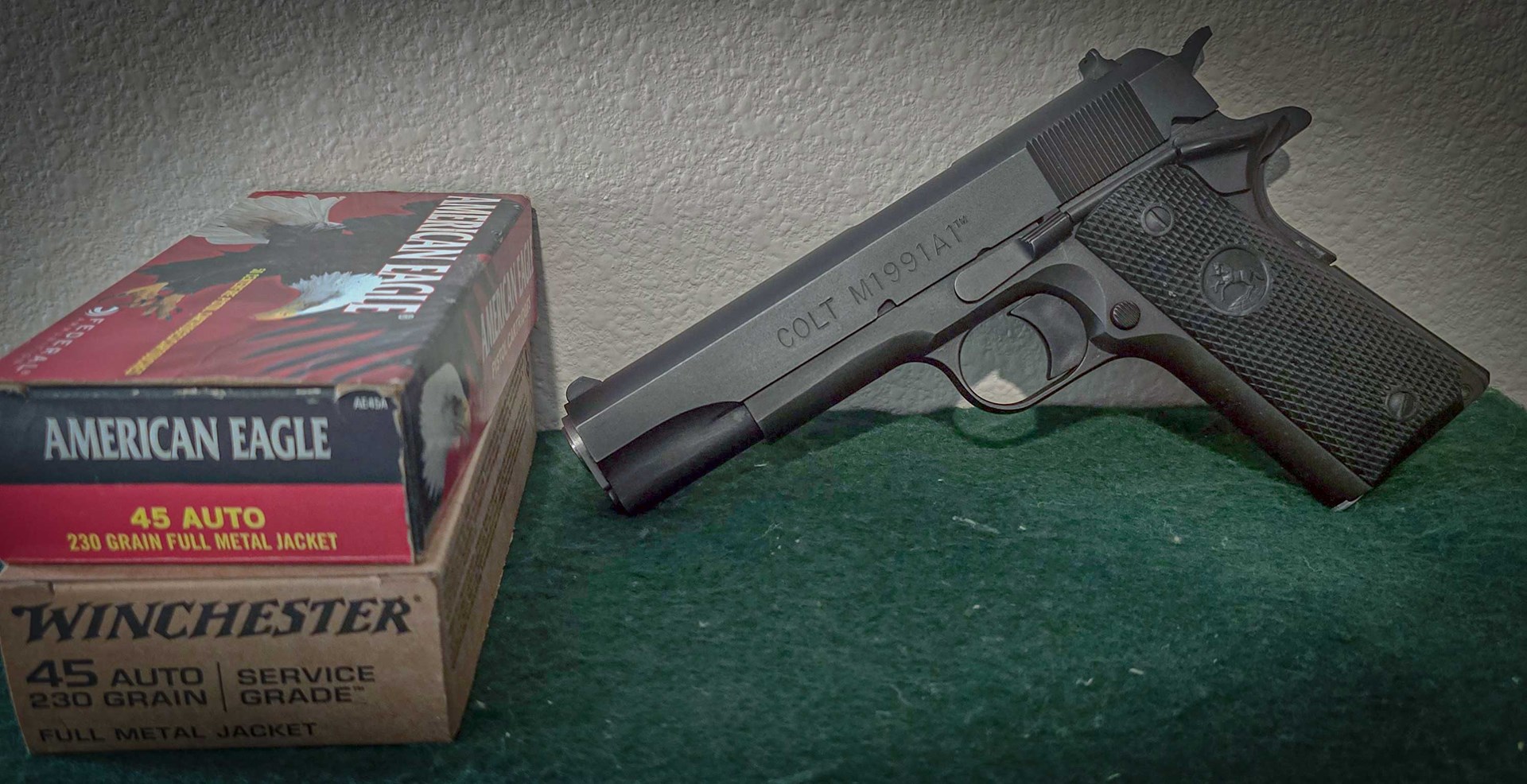
I love my assortment of Colt 1911-pattern pistols. My first centerfire handgun was a Colt M1991A1. I still shoot that gun quite a bit today. I’ve replaced almost every piece on it with something from the Wilson catalog at least once, which serves to underscore my most salient point about the so-called “modern fighting 1911.” The gun can be made to work great and is a lot of fun once done, but there are a host of better options for a fighting pistol that can run right out of the box.
The Model 1911 planted a lot of bad guys and saved a lot of good guys. Let the gun enjoy an honorable and well-earned retirement shooting bullseye matches and bowling pins.
Most Popular