I am a woman just getting into handguns for personal defense and sometimes recreational shooting. I go to an indoor range to shoot and become familiar with my SIG Sauer P365 Rose. The staff there are always talking about preventive maintenance and ensuring the guns they are using are properly cleaned and lubricated to keep them operational. I don’t mean to sound naïve, but what is preventive maintenance and how is “properly cleaned and lubricated” defined in relation to my P365? What does “operational” mean in the context of a handgun? Be kind; I am just learning my way around firearms.
J. Smith, via e-mail
What you are hearing about proper lubrication, preventive maintenance and operational readiness are essentially about the same thing: keeping the pistol in shooting condition. They all refer to the actions and procedures that should be periodically performed on the pistol to preserve the finish and to keep it operating as it did when it was new.
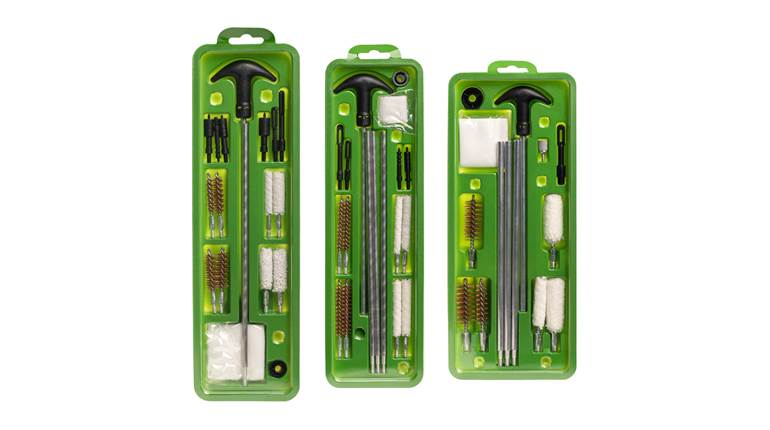
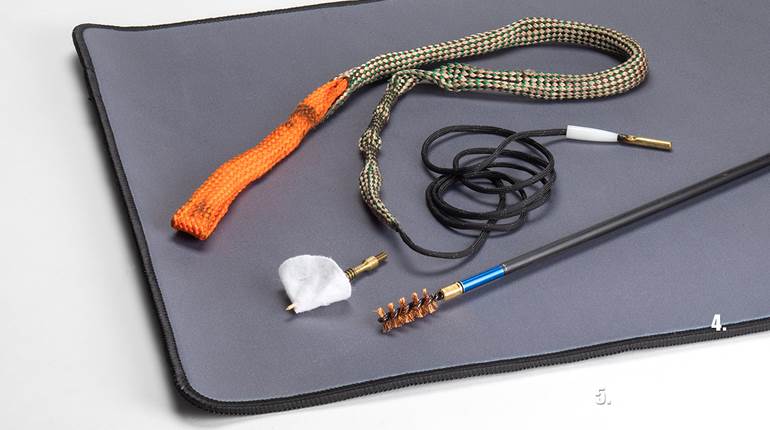
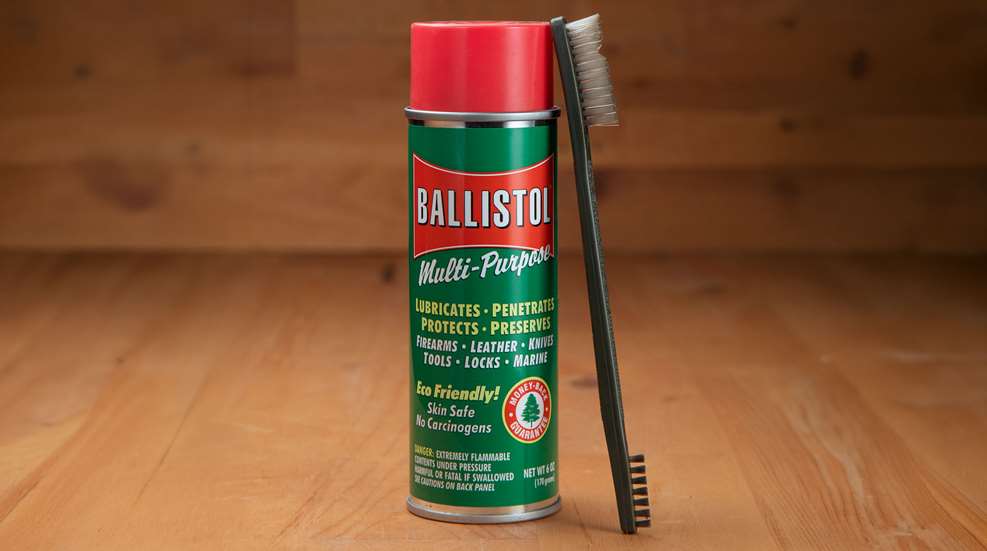
To get started, you will need a cleaning kit, solvent, cleaning patches, rags and lubricant. Cleaning kits usually have a double-ended toothbrush, a cleaning rod with brushes and jags properly sized for the bore of your pistol. These are the essentials, although other items may come in handy as an option.
Next, you will need to field-strip the pistol. This separates the slide, barrel, recoil assembly and frame for cleaning, inspection, lubricating and function-checking after reassembly. Your gun’s manual will walk you through this, but online videos and more experienced gun owners may also be useful resources.
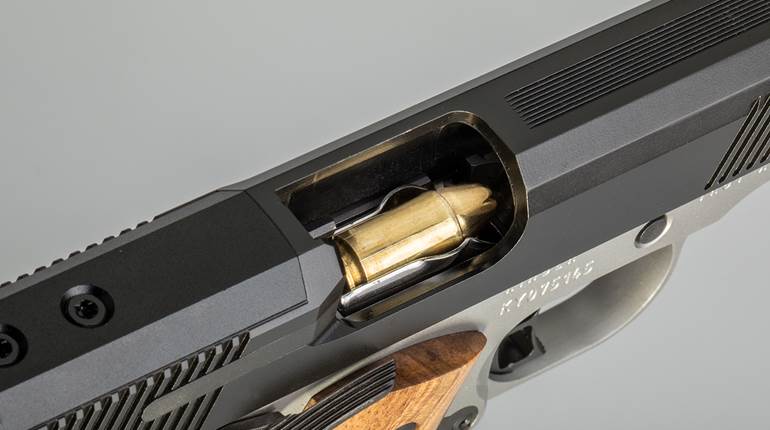
Initial visual inspection of each part will reveal what needs attention. Firing residue and obvious buildup should be wiped off or brushed out of each component of the pistol. Pay special attention to the breech face of the slide, where the firing pin protrudes through and under the hook of the extractor, which needs a good brushing to remove any build-up that may have collected there.
The inside of the barrel should be cleaned with solvent and a 9 mm bore brush (for your P365) to remove the fouling from the lands and grooves. Remove the solvent and firing residue from the bore with several patches pushed through with a 9 mm jag. Then pass a lubricated patch down the bore to protect the inside surfaces of the barrel. If the barrel looks smooth and shiny, you have met the standard.
Wipe the outside of the barrel and remove any carbon deposits with the toothbrush. Wipe or brush any firing residue or dirt from the recoil spring assembly.
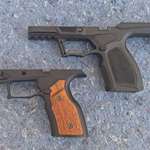
The fire-control unit and grip module can be treated as one piece for normal maintenance. Brushing or wiping off the obvious residuals of fouling from the frame (fire control unit and grip module assembly) is sufficient.
Once the disassembled parts have been cleaned, each should be inspected for visual abnormalities such as cracks, burrs, dents and bends that shouldn’t be there. Damaged parts should be repaired or replaced.
After passing inspection, it is time for lubrication. This reduces friction between moving parts and preserves the finish from rusting. An easy way to remember where to lubricate is the phrase, “If it is shiny, lube it.” “Shiny” means where the finish has been worn due to friction. The frame and slide rails are less obvious friction points, but do require lubrication. Anywhere one part moves against another is a good candidate for lubrication.
Each area should be treated with enough lubricant so that it is visually different from dry metal and can be recognized by touch. Too much lubricant will run under the force of gravity; therefore, it will not remain in the area in which it was applied. Excess lubricant should be wiped off with a cleaning rag.
Once the pistol is cleaned, inspected and lubricated, it should be reassembled and checked for function. Checking for function is a dry-handling operation (without live ammo) to ensure the gun will function as expected when ammunition is introduced and live fire takes place. Once the pistol is assembled, lock the slide to the rear with an empty magazine. This shows the slide-catch lever is operating as it should when the last shot is fired. The magazine should fall free when the magazine release is depressed.
After triple-checking to ensure the gun and magazine are free of ammo, release the slide by depressing the slide-catch lever. It should move forward without restriction. Point the gun in a safe direction and pull the trigger, keeping the trigger held to the rear. Cycle the slide and then release the trigger. You should hear an audible click as the firing mechanism resets for the next shot. This proves that the disconnector is working and that the gun will only fire one shot per pull of the trigger.
Finally, wipe down any metal parts exposed to the environment with a lightly oiled cloth, leaving a slight sheen to alleviate rust.