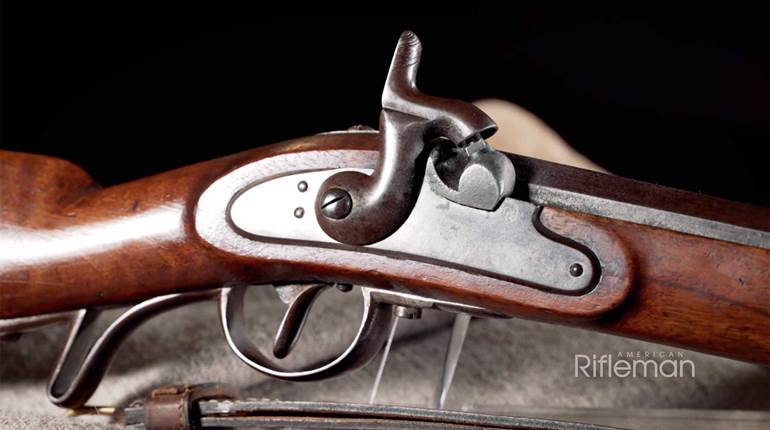
Gun: Model 66 Super Single
Manufacturer: Ithaca Gun Co.
Chambering: 12 gauge
Manufactured: 1963
Condition: Good (NRA Modern Gun Standards)
Value: $200
Nostalgia for the Old West during the 1950s remained strong well into the early ’60s, driven by television shows like Gunsmoke, Bonanza, Have Gun Will Travel, The Rifleman and many more. Many Boomer kids learned morality from the guys in white hats during the afternoon reruns. We also craved lever-action guns.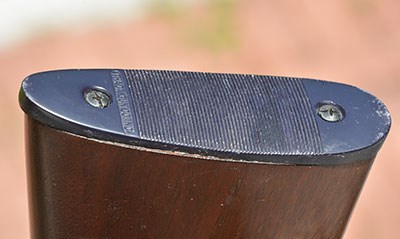 With that interest so high, making an “entry-level” shotgun in lever-action form made a lot of marketing sense. I suppose I was part of the target audience when, in 1967, my persistent begging paid off and my mother bought me a used Ithaca Model 66 Super Single lever-action, 12-gauge shotgun for Christmas.
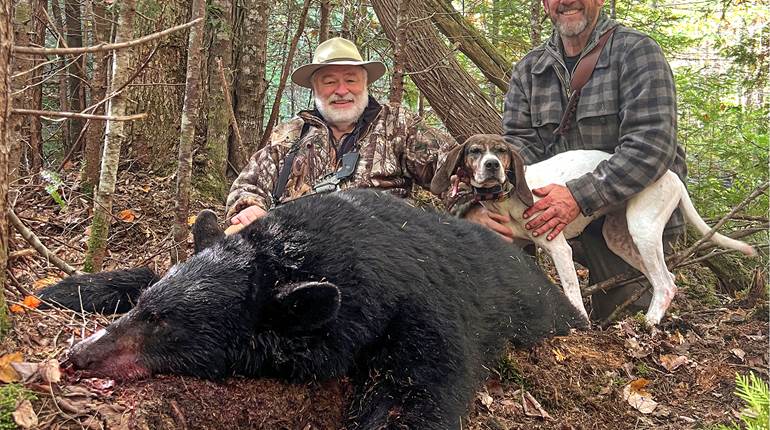
I shot my first snowshoe hare with it that winter. It was also the first hare that my beagle puppy Barney ever chased. He, I and the gun had a lot of great adventures until, like a stupid kid, I traded it away (the gun, not the dog).
I atoned for that sin later in life by replacing it with two more Ithaca Model 66 shotguns. One was pretty nice and the other a total relic. Its restoration to life is a chapter in an upcoming book on gunsmithing. I took both shotguns hunting, and with one in hand, it was my chance to be a boy again.
The shotgun was inspired by the success of the Ithaca single-shot, lever-action Model 49 .22 LR rifle introduced in 1961. The company sold 31,000 of them the first year at around $20 a pop.
The Model 66 Super Single shotgun was a unique single-shot produced by the Ithaca Gun Co. from 1963 to 1978. Initially, the retail cost was $32.95 (about $335 in today’s dollars). The lever was simply a mechanism to unlock the barrel from the receiver. The barrel then pivoted on a hinge pin, like most single-shot shotguns. Once loaded, the external hammer had to be manually cocked to fire.
The fore-end and rear stock on most models were hardwood without checkering (although some had pressed checkering). I have seen period photos with recoil pads on the gun, but a recoil pad was standard only on the Youth, Long Tom and Buckbuster models. Standard-production guns were fitted with a hard-plastic buttplate. Combined with light weight of 6 pounds, that fed the gun’s reputation for hard felt recoil.
To break down the gun, remove the fore-end screw and the fore-end. Open the gun and remove the screw on the left side of the pivot pin. Then, being careful not to damage the internal threads, tap out the pivot pin. Note the protrusion on the outside radius of the pin, which fits into a corresponding notch when fitting it back together.
The standard model had a blued, 28-inch barrel, while others had 26-, 30- or 36-inch barrels. Models came with 3-inch chambers and a fixed choke in full, modified or improved cylinder. Most I have seen were marked modified. The design predates the popular use of plastic wad columns, so most guns will shoot a tighter pattern than one might expect. Although marked “MOD,” mine has .027-inch constriction, which is closer to full choke than it is to modified.
The Model 66 was first introduced in 1963 in 12 gauge, followed by 20 gauge in 1964 and .410-bore in 1966. Variants include the Ithaca Standard Grade Super Single, Buckbuster slug gun, Long Tom with a 36-inch barrel, Standard Youth Grade and Vent Rib models.
The painted aluminum receiver chipped easily, so it is hard to find one without blemishes, and often, the stock has been refinished. A Standard Grade Model 66 in “good” condition will sell for $150 to $250. Other variations can go as high as $580, depending on condition and model. A new-in-the-box .410-bore seems to be the most valuable of the bunch.
Most Popular