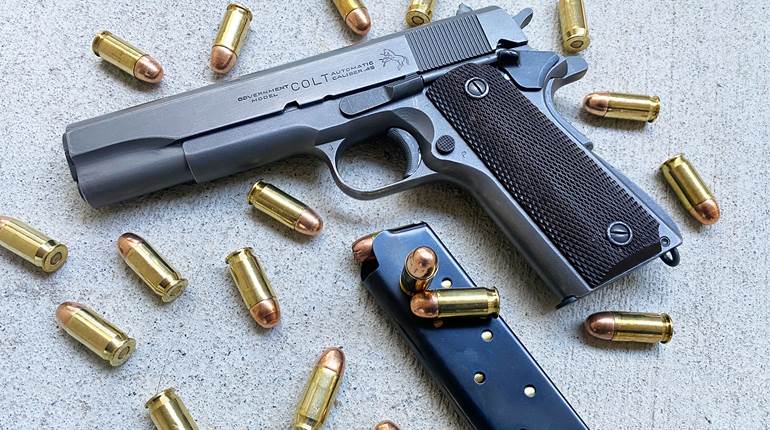
I am a collector of 1911-style, .45-caliber pistols because I like the way they feel in my hand. Most of these pistols were previously owned, but all seemed to be in good shape when I bought them. I also bought several extra magazines for each gun as I subscribe to the theory that one cannot have too many magazines.
I retired this past year, moved to a warmer climate, joined a local gun club and I’m now interested in getting to know and shooting the guns in my collection. I decided that I could save time at the range if I preloaded all my magazines at home before going to the range.
I bought a quantity of 230-grain ball, 200-grain jacketed hollowpoint and 185-grain semi-wadcutter ammunition to load in the magazines. I felt this should cover all the bases for personal defense, target shooting and general everyday use.
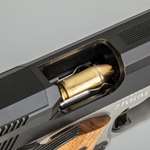
After shooting my 1911s, I started having failures that had me scratching my head. One gun in particular had feeding problems from the beginning. Even with ball ammunition and select magazines, it was difficult to get a round chambered.
Of all the guns that I fired that day, none functioned perfectly with every magazine that I used in it. I expected total reliability with the 1911-style pistols. Am I mistaken to believe that all 1911 magazines should be compatible with all 1911-style pistols?
It sure is a mystery to me as to why I had so many unexpected failures with my 1911 pistols.
K. Kratt, via e-mail
There have been more than 100 manufacturers of 1911-style pistols and magazines, some more faithful to the original drawings than others. The application and quality of these pistols is widely variable, and the narrower the application, the more sensitive to pistol, magazine and ammunition compatibility they become.
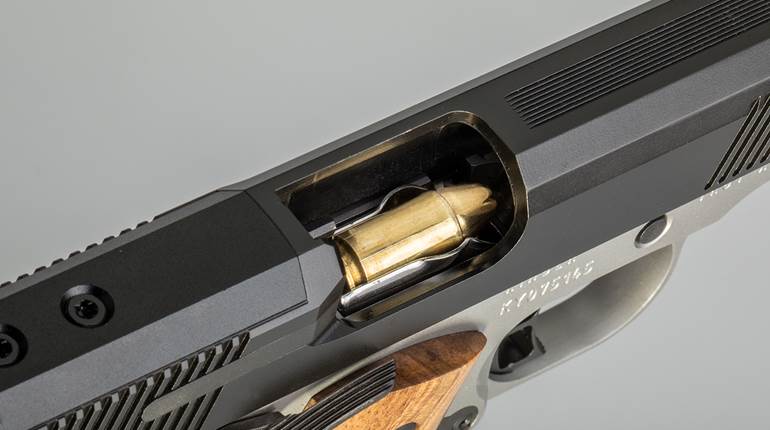
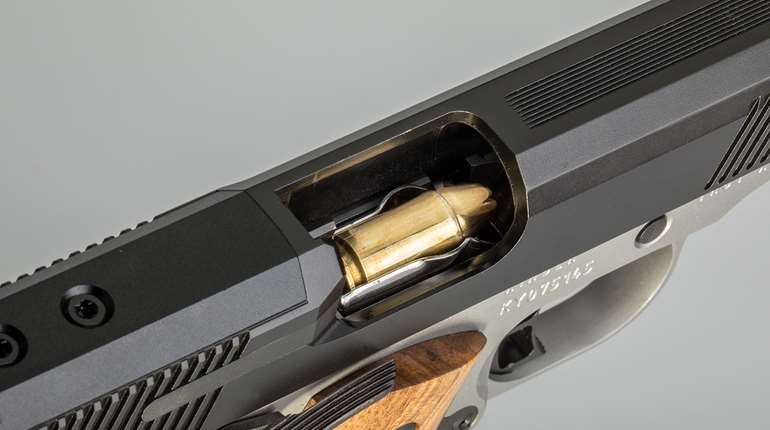
Speaking specifically to magazines, the variables are almost infinite as to how they interact with a host pistol. Metallurgy alone has changed from 1911 to present-day manufacture. The consistency of feed-lip shape and dimension is critical to feeding reliability in moving the top cartridge in the magazine from the magazine to the chamber of the barrel. The geometry required for consistent feeding will vary in pistols and magazines dependent on manufacturer and application.
While round-nose ball ammunition will generally feed in most pistol/magazine combinations, target ammo—such as wadcutters or semi-wadcutters—requires a different release point from the feed lips to function reliably in a pistol designed to handle that type of ammunition. Rounds designed for personal defense may work in standard magazines, but should be validated with the dedicated gun/magazine combination to determine reliability.
The follower of the magazine works in concert with the feed lips in facilitating the smooth transition of a cartridge from the magazine to the chamber. Followers vary in shape from flat to round to concave, and in composition from carbon steel to stainless steel to polymer. They should not be interchanged to other brands or types of magazines because of their relationship to the surfaces and contours of their original magazine.
In addition to the follower keeping the ammunition properly positioned in the magazine, it also interacts with the slide stop to lock the slide open after the last cartridge is fired. This is an important part of reliability for a multitude of reasons, including safety.
The magazine spring has the job of keeping each cartridge positioned against the feed lips from the first shot to the last shot as well as applying sufficient pressure to the follower to lock the slide open when all ammunition is expended. Magazine springs, unfortunately, create the greatest variable in magazines. Considering that 1911 magazines are available in seven-, eight- and 10-round capacities, the length and strength of the spring is critical in the timing of the operation cycle of the gun. The recoil spring in the pistol and the magazine spring must be compatible for the slide to engage the top cartridge in the magazine at the appropriate time.
Incompatibility can result in a double-feed on one end of the spectrum and an empty chamber on the other. Be aware that older springs that have seen a lot of use may have lost some of their ability to perform and could be candidates for replacement with new ones.
Some magazines have removable base plates, while others are fixed. Regardless of the type, magazines need maintenance. Dirty magazines tend to induce failures in the cycle of operation of any firearm. Some base plates are padded and/or are thicker than others. 1911 pistols with extended magazine wells require a thicker base plate to facilitate proper seating of the magazine in the pistol.
Considering the variety of 1911 pistols in your collection, I would recommend you separate them into areas of application followed by segregating your magazines into those same areas of application. That should help with your reliability concerns.
To be sure, I would recommend you test fire the pistols and magazines with the ammunition you intend to use in them to ensure the highest level of confidence in their reliability.
Most Popular