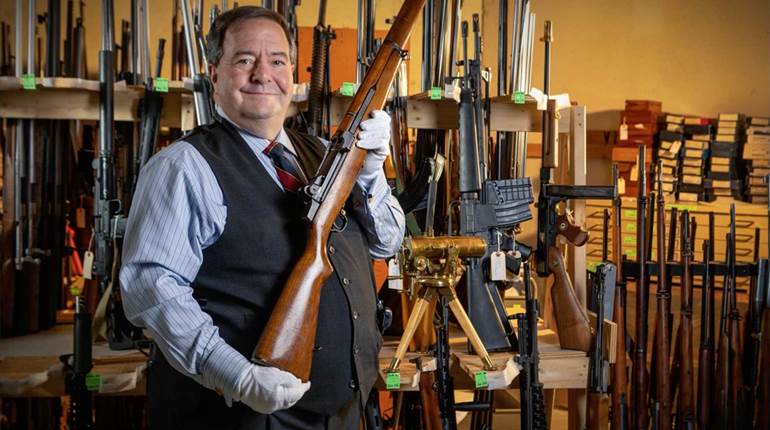
In the mid-1850s, the Austrian Empire adopted a rifled muzzleloading musket based upon a design by an army captain, Joseph Lorenz. Hundreds of thousands of Lorenz rifles were ultimately brought into the United States during the Civil War, and one unique variant of the Lorenz is the Jägerstutzen. Watch our full “American Rifleman Television: I Have This Old Gun” segment above to see the details.
“The Austrians adopted the Lorenz rifle in 1854,” American Rifleman contributor Kenneth L. Smith-Christmas said. “This replaced their previous Augustin musket that had been in use for decades before that. The 1854 Lorenz rifle was really a well-designed and very good weapon, as long as it was made in the Austrian state arsenals.”
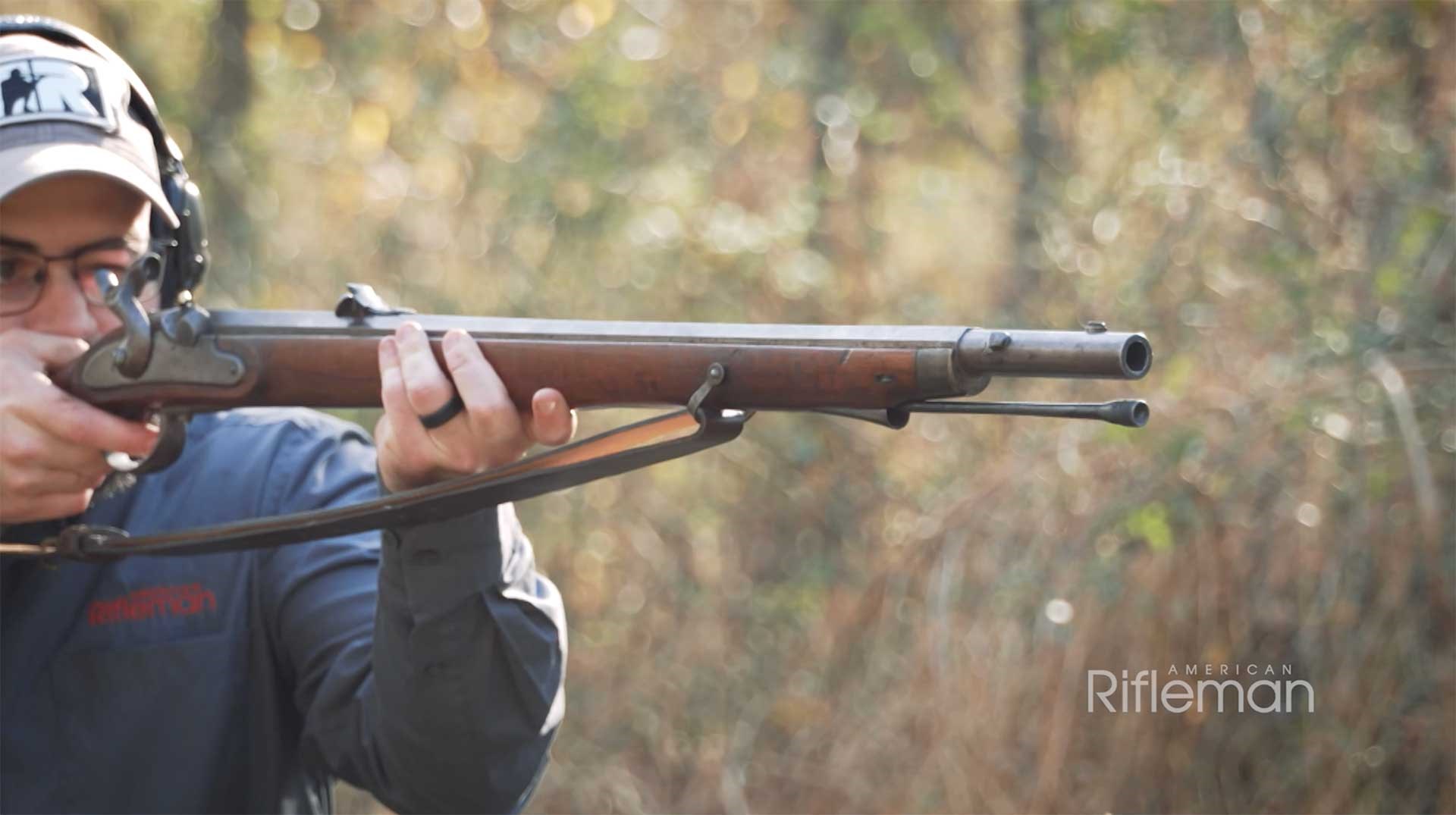
First issued to Austrian infantrymen in 1855, the Model 1854 Lorenz was typically a .54-caliber, percussion-primed arm with a 37.5-inch barrel and a full-length stock constructed of beechwood.
“Behind the 1861 Springfield and the 1853 Enfield, the 1854 Austrian Lorenz was the third most commonly seen long arm used in the American Civil War, primarily used by troops out west,” American Rifleman Executive Editor Evan Brune said. “But huge numbers of these guns were brought in. The Union ended up importing something like 226,000 Lorenz rifles during the course of the war. The Confederates imported more than 100,000.”
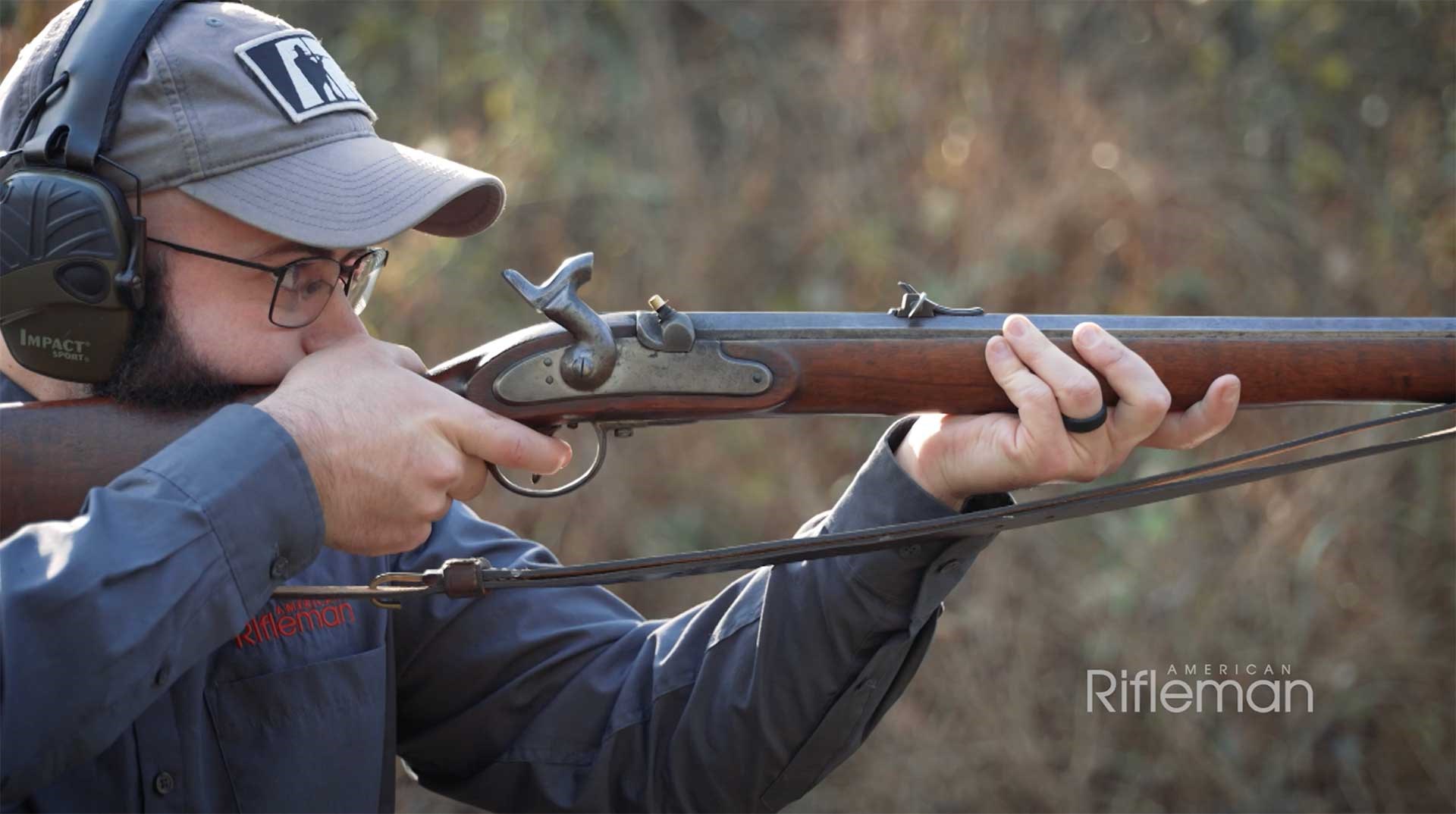
Within the Austrian army, sharpshooters were issued with specialized rifles called Jägerstutzens, which had shorter barrels and a refined sighting system that allowed riflemen to engage at longer ranges than typical Austrian soldiers armed with standard Lorenz rifle muskets.
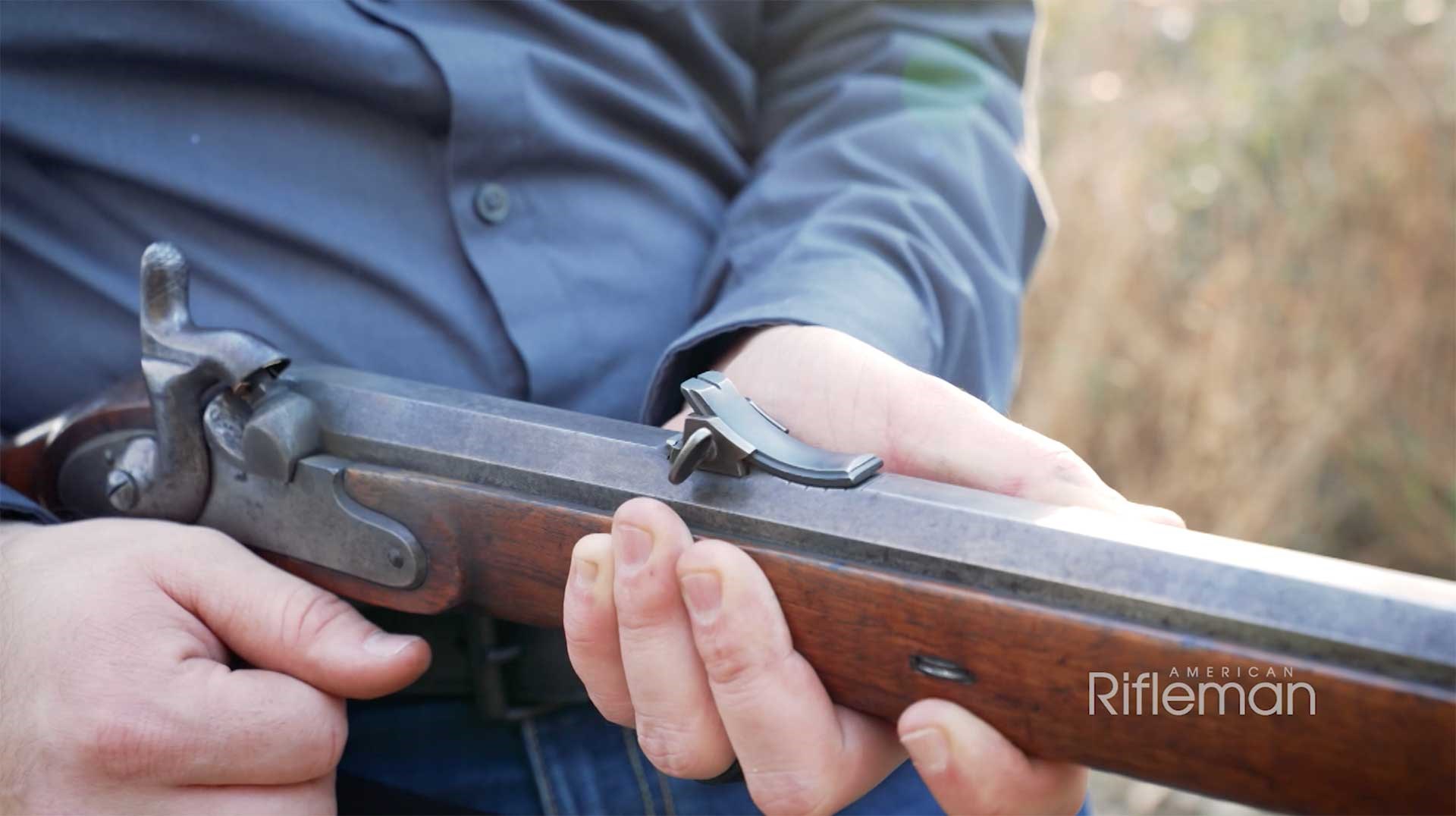
“Jägerstutzens in the Austrian Army were issued without ramrods. They were carried separately, which didn't make a lot of sense to me, but apparently it did to the Austrians,” American Rifleman Field Editor Garry James said. “However, the ones that were imported to the American Civil War did have ramrods, and consequently, the stocks and the actual shape of the gun was slightly modified for the import gun or export guns, depending on what side of the Atlantic you're talking about.”
At the outbreak of the American Civil War, Union and Confederate purchasing agents swarmed Europe to buy up all the available small arms possible, including Lorenz rifles and muskets. To answer the need, enterprising European entrepreneurs enticed buyers with examples of varying quality, with many Lorenzes having been poorly bored-out to the U.S.-standard .58-caliber bore size.
“So you end up with this hodgepodge of rifles that appear all over the North and the South during the Civil War,” Brune said. “And, you know, really, troop comments on them, it kind of depending on what sort of quality gun you got.”
To watch complete segments of past episodes of American Rifleman TV, go to americanrifleman.org/videos/artv. For all-new episodes of ARTV, tune in Wednesday nights to Outdoor Channel 8:30 p.m. and 11:30 p.m. EST.