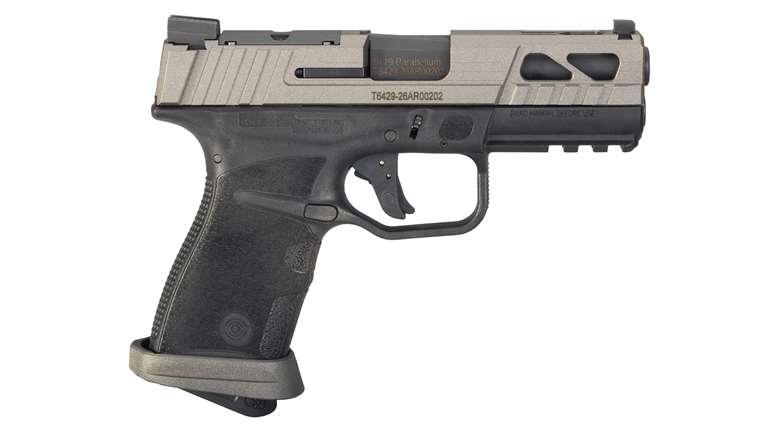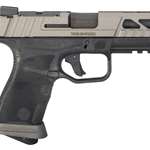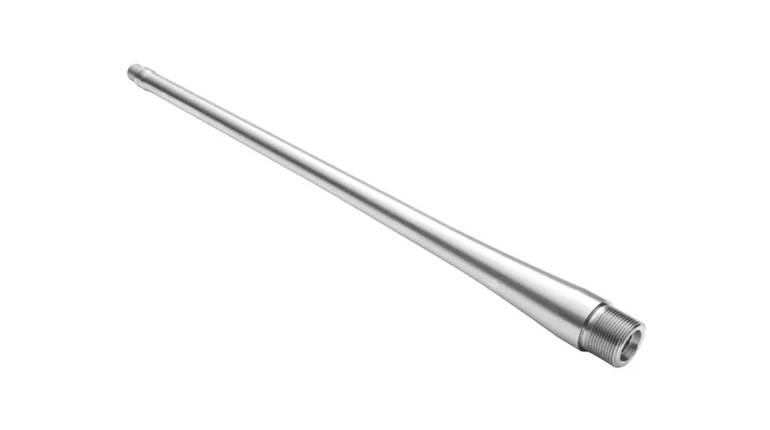
With some exceptions, the majority of common automatic pistols have a feed ramp. They have to have one because the ammo is fed from below and behind the barrel and its chamber. In the feeding and chambering cycle, the fresh cartridge moves forward and up to its place in the chamber. This is a simple invention that has been used since the very first pistols. More often than not, a small portion of the chamber mouth has a radius to form this feed ramp. This creates a small crescent of surface of the cartridge that is not supported by steel chamber walls. In firing, this area takes the full pressure for just an instant. But it takes the pressure at the head of the cartridge where the brass—a wonderfully elastic material—is thickest and strongest. Literally, billions of rounds of ammunition have been loaded, fired, extracted and ejected from typical pistols since the first one was fired.
The barrel in the 1911 pistol bearing serial No.1 has a feed ramp. If you replaced that barrel with a new one that had a fully supported chamber, I guarantee it would not work. It would appear that condemning a manufacturer for using an unsupported chamber as an unsafe practice is unsound. Manufacturers fired thousands of rounds through samples of before releasing it for sale. The testers also used a variety of ammunition even fired a few shots of proof loads, which are deliberately loaded to be over maximum pressure. But they did not use somebody’s handload, which was concocted to produce SAAMI-maximum pressures. And the reason they did not do that is because they have no control over what went into that load. And that is why they will never warrantee guns with handloads. I love the fact that Americans have the right and the means to concoct their own ammunition. However, doing so involves a major dose of common sense and discretion.
Most Popular