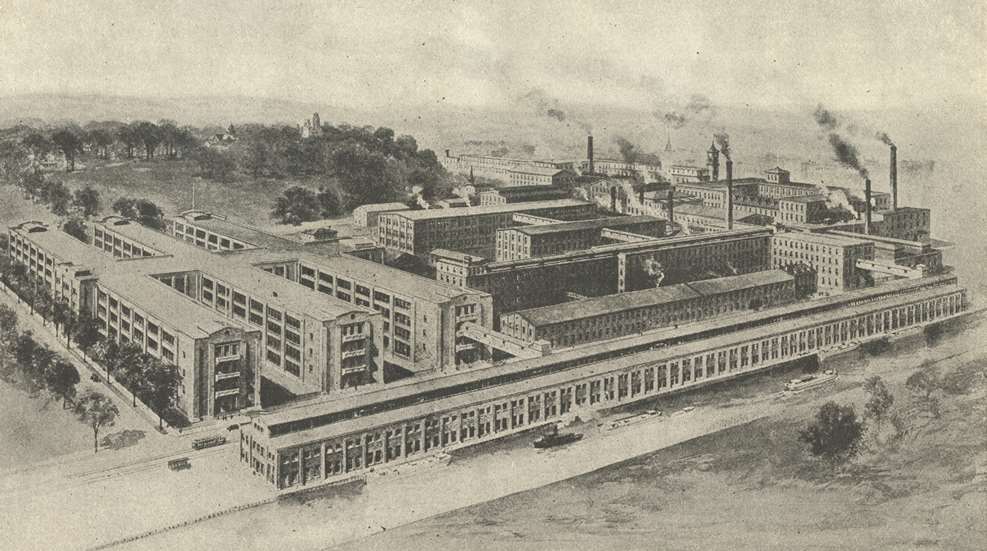
RemArms, owner and operator of Remington’s storied Ilion, N.Y., factory, announced it would shutter the facility in March 2024, moving all production to its current headquarters in LaGrange, Ga. The move ends nearly 200 years of firearm production in New York’s Mohawk Valley and signals the end of an era for the historic American firearm brand.
Eliphalet Remington, Jr., son of a blacksmith, produced his first rifle barrel in the family’s forge in Litchfield, N.Y., in 1816. For a decade, Remington made only barrels, eventually moving production to Morgan’s Landing, a small community on the Mohawk River. Manufacturing boomed in the area, bolstered by the opening of the nearby Erie Canal, and the town was eventually incorporated as Ilion, N.Y. While production began in Ilion as early as 1826, evidence of Remington’s first factory buildings in the area date to 1835. As demand grew, so, too, did the company, eventually adding brass furniture and English-made locks to its inventory, however, as late as the 1840s Remington still produced only components, not complete firearms.
The first complete arms to emerge from Remington’s Ilion factory were military rifles. Between April and September of 1850, Remington delivered 5,000 Model 1841 percussion rifles to the U.S. government. Another contract followed, then a third. By the mid-1850s, Remington was making revolvers, too; and, as the Civil War dawned, the company’s Ilion facilities would be tasked with supplying the Union during four years of bloody struggle.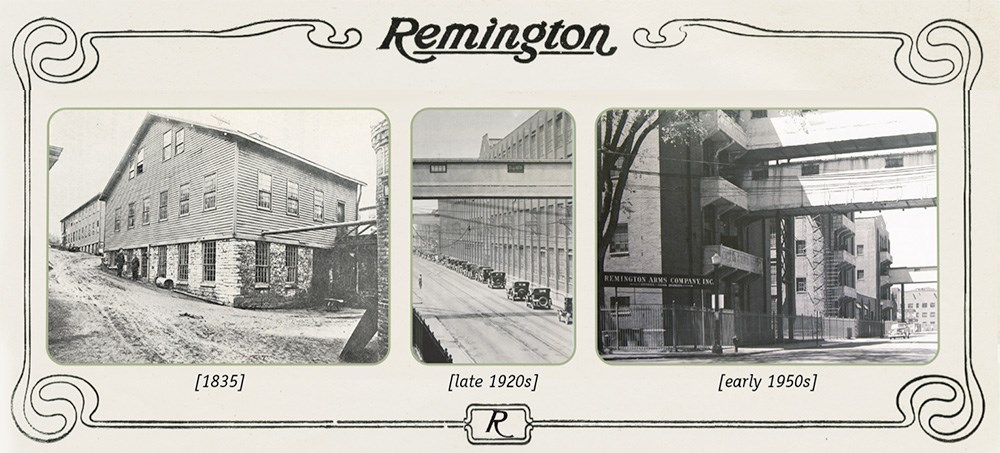
Designs such as the Remington Rolling Block, along with other products such as typewriters, safe doors, fire engines and sewing machines, saw the company into the 20th century. Ilion grew, with the town’s main street cutting through Remington’s industrial complex. Modern conflicts bolstered the demand for rifles, and Remington answered, producing millions of Pattern 14 Enfield, Mosin-Nagant and M1907/15 rifles for the Allied effort in World War I. During World War II, the company spearheaded the effort to re-work the Model of 1903 Springfield rifle into a design that was easier, less costly and faster to build.
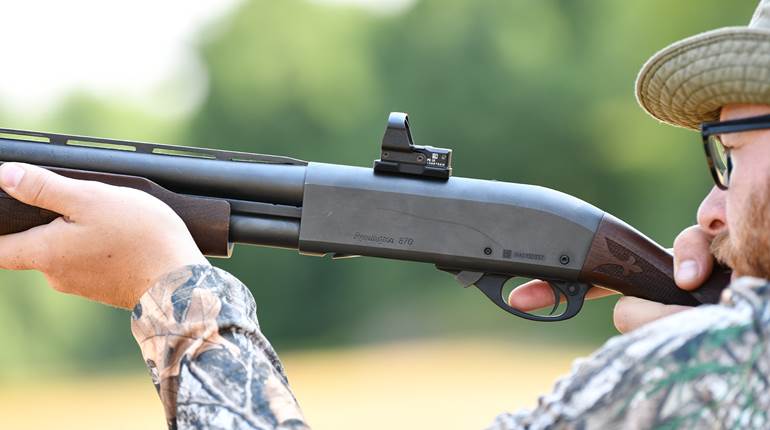
Remington reached new commercial heights in the postwar era, developing the now-iconic Model 870 pump-action shotgun and Model 700 bolt-action rifle. In the mid-2000s, though, a long legacy of quality and innovation was overshadowed by cost-cutting, poor management and debt accumulation under Cerberus Capital’s ownership of the brand. Efforts to revitalize Remington ultimately failed in 2020, when Remington Outdoor, the brand’s parent company, filed for bankruptcy. RemArms emerged as the owner of Remington’s Ilion facility, and despite several years of union negotiation and some renewed production, the Ilion plant’s closing marks the end of more than 200 years in New York by the state’s largest firearm manufacturer.
Most Popular