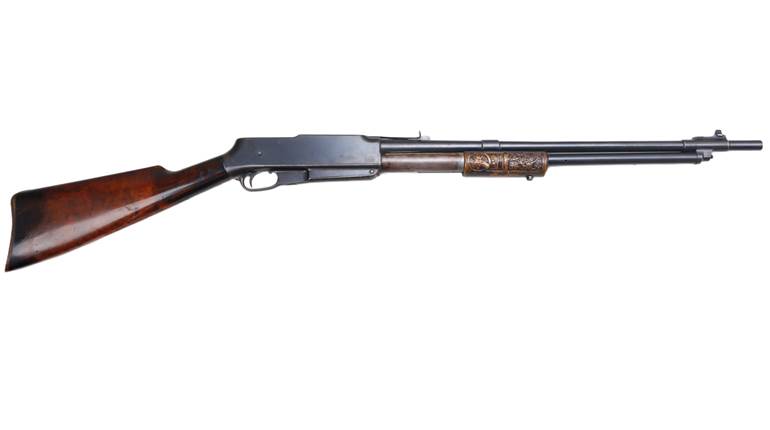
Along with the Type 99, the Japanese Type 38 "Arisaka" rifle served as one of the principal bolt-action battle rifles for the Japanese army during World War II. By the time World War II began, the Type 38 was an older rifle action, but it still had a number of innovative features that kept it in frontline service throughout the conflict. Watch our "American Rifleman Television" I Have This Old Gun segment above to hear the Type 38's story.
"When I say Type 38, that means the Japanese didn't name their guns after a person or whatever it might be. It was named after the year of the reigning emperor. How many years he'd been in reigning? In this case, it was the 38th year of the Meiji emperor, so Type 38," American Rifleman Field Editor Garry James said. "They had a, you know, a fairly simple bolt. Very, very, very, very strong action. As a matter of fact, it was determined, after World War II, that they were tested, and it was probably the strongest military bolt-action ever made. And it may still be to that, to this day."
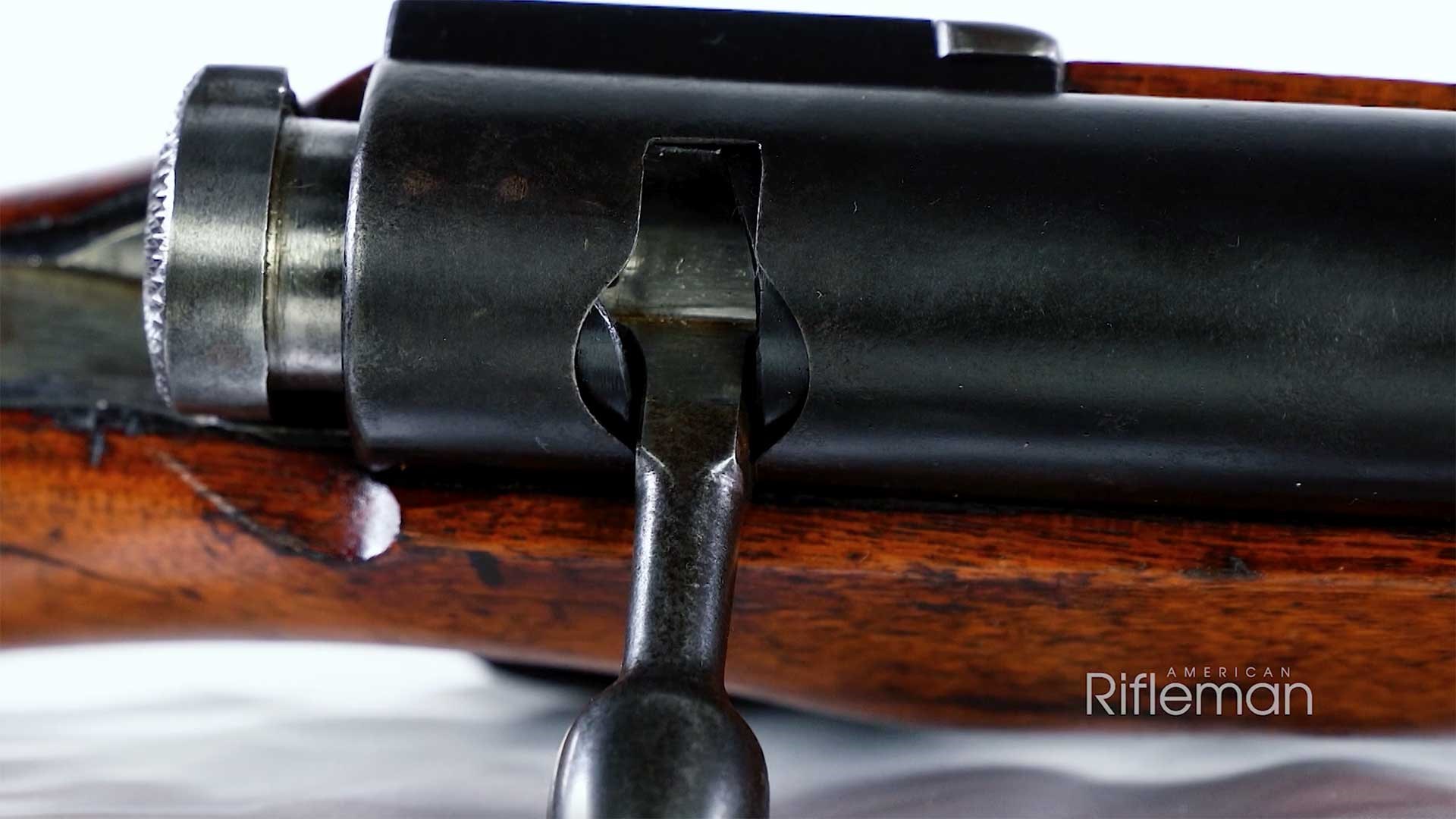
Initially designed in 1905 and then introduced in 1906, the bolt-action Type 38 was chambered for the 6.5 mm Japanese cartridge and had a five-round internal box magazine, like the Type 30 from which it was derived. The Japanese combat experience in the Russo-Japanese War fought from 1904-1905 highlighted deficiencies in the design, all of which were addressed with a redesign following the conclusion of the conflict.
"The Japanese Type 38 is one of those guns that we tend to generally call "Arisakas," but that's a little unfair to a man named Kijiro Nambu because, while Nariakira Arisaka designed the Type 30 from which the Type 38 is derived, the Type 38 has a lot of particular design elements that Nambu incorporated into the gun that are worthy of some praise," American Rifleman Executive Editor Evan Brune said.
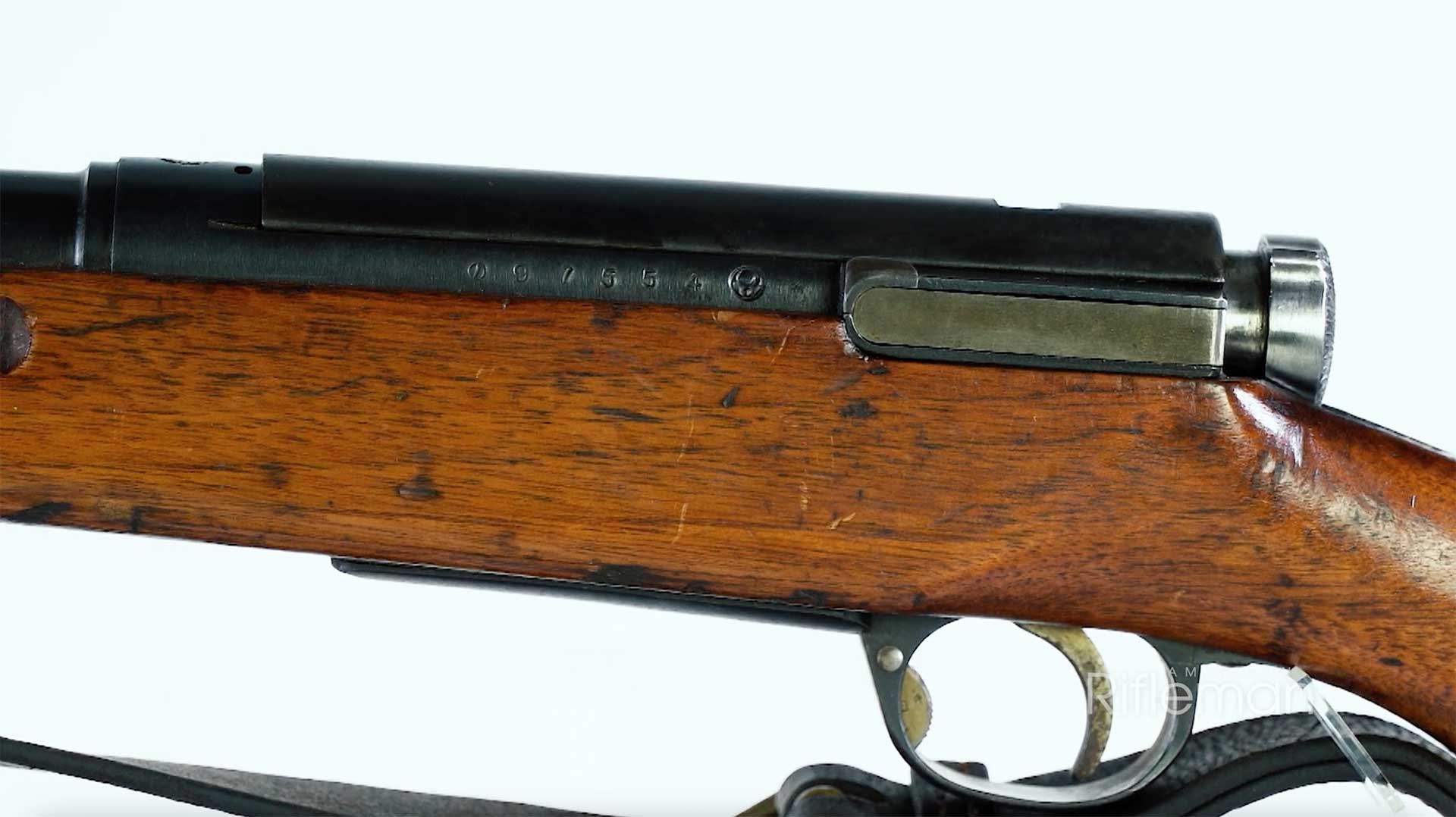
Notably, Nambu added a number of significant features, including a sliding bolt cover that protected the action from dirt and debris, as well as numerous gas-escape holes that protected the shooter in the event of a cartridge-case rupture. Given the wet jungle conditions in which the rifle was intended to be used, Nambu also included a cutout below the front receiver ring that allowed excess water and sand to be pushed out of the action, keeping it clear for use.
"So it's thought that at least 3 million of these rifles were made for Japanese imperial forces," NRA Media Editorial Director Mark Keefe said. "And at the end of World War II, of course, everybody wanted a Nambu pistol, but also they would bring rifles back to the United States as war trophies. So you see these guns around. They're very collected. Not as much so as, say, Mauser rifles or others. But the real problem with them is finding ammunition. I think they'd be shot a lot more if there was a steady supply of affordable ammunition today."
To watch complete segments of past episodes of American Rifleman TV, go to americanrifleman.org/videos/artv. For all-new episodes of ARTV, tune in Wednesday nights to Outdoor Channel 8:30 p.m. and 11:30 p.m. EST.