I have spent a lot of time behind a gun counter. More so even then in front of them. I also had the distinct pleasure (horror?) of running a decently sized gun shop/indoor range through the entirety of the COVID-19 panic. This provides me with a unique insight into what the first-time handgun buyer, especially one motivated by fear, is looking for in a handgun.
Firstly, let’s talk about motivation. Based on my completely anecdotal and personal experience, most first-time handgun buyers, especially those who bought guns during the COVID pandemic, are driven by fear. And to be fair, the spring of 2020 had the feel of the beginning of a bad zombie movie. With fear and personal protection being primary factors, we will concentrate on what to look for in self-defense-oriented handguns.
First and foremost, you need a gun that will go bang every time you pull the trigger. You also need a gun that won’t go bang unless the trigger is pulled. So reliability is paramount, and good reliability is a byproduct of firearms having gone through a mature development process, produced with good attention to quality control and designed to have inherently low maintenance requirements.
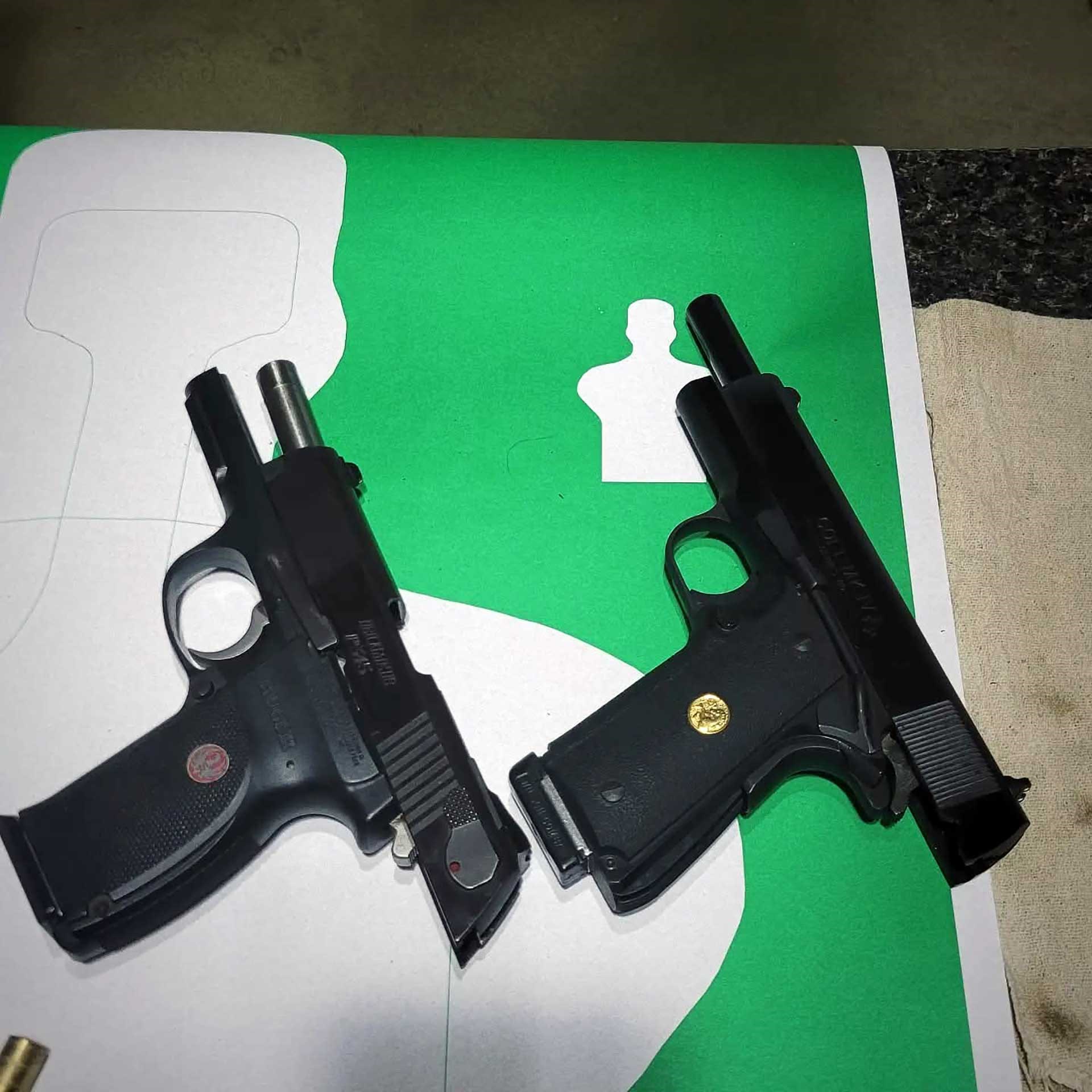
This is a fairly daunting list, but the good news is that most every reputable modern manufacturer makes a gun that meets the above criteria. Generally, in the modern handgun environment, this means a polymer-framed, striker-fired gun chambered for a common self-defense caliber with one of the new super finishes that resist all but the harshest of climates. A royal-blue finish looks gorgeous, but having to wipe down a gun every time you look at it gets old.
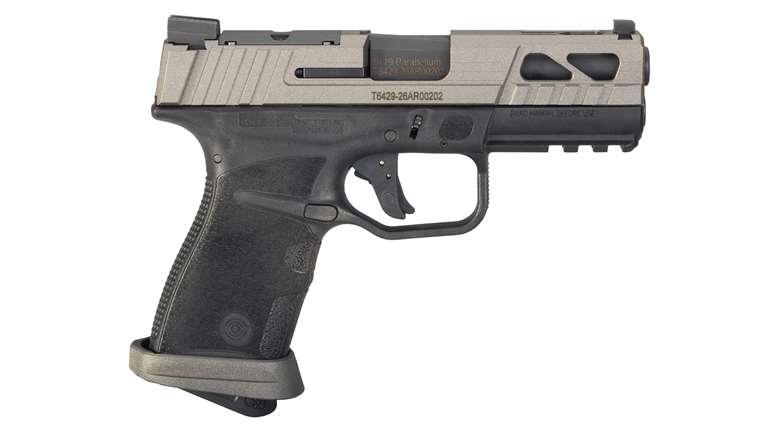
Caliber discussions get a lot of ink and electrons wasted on them. I am of the opinion that, for most people (again I say opinion and most) are best served with a 9 mm-chambered handgun in a mid-sized frame. This is not ideal for every situation, but it checks most of the boxes for most situations.
I recommend mid-sized guns for beginners because they are both readily attainable and easy to shoot. It was incredibly aggravating to spend three hours with a first-time gun owner getting good, repeatable performance on the range with a Glock 19, Smith & Wesson M&P9, CZ P10C or the like, only for said customer, generally at the behest of a well-meaning boyfriend, husband or other male friend or family member, to buy a J-frame-sized, snubnose revolver built with some lightweight miracle alloy and chambered for .357 Magnum.
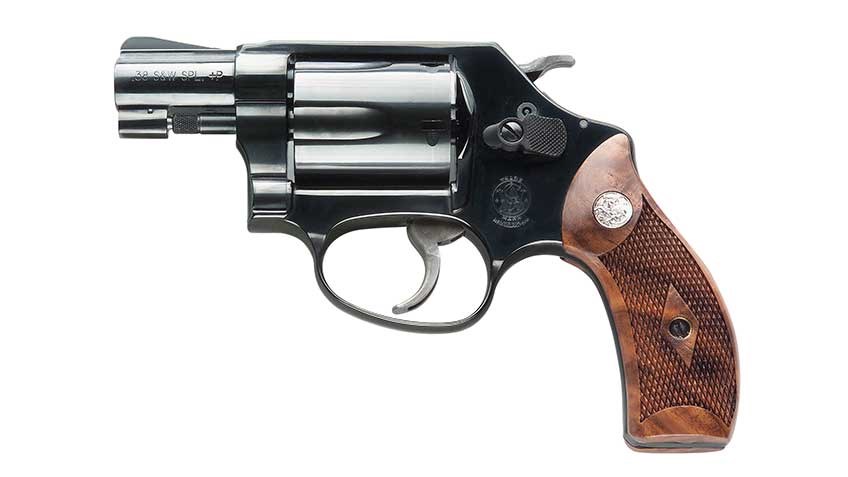
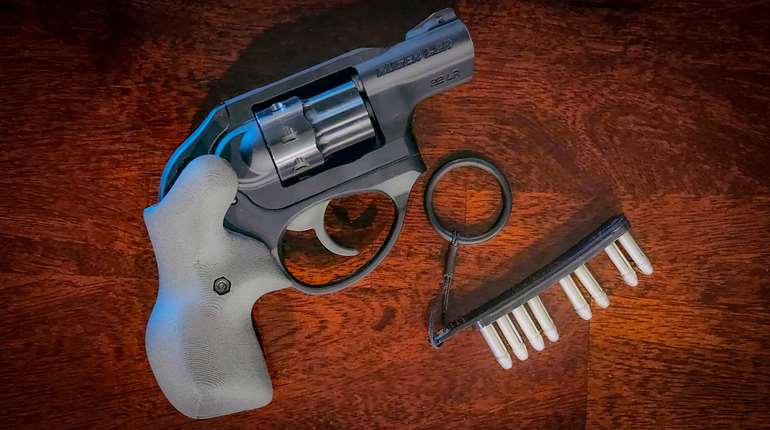
The humble J-frame-sized revolver has planted a lot of bad guys. They ride shepherd in boots and pockets all over the country, but they have some enormous drawbacks in relation to their small size. Sights are vestigial at best (unless you have one of the new Smith & Wesson Ultimate Carry revolvers). Trigger-pull weights range from heavy to atrocious. Capacity is limited. Finally, with a barrel length measured in fractions of inch, you’re not getting the full performance of most common loadings, especially from the .357 Magnum cartridge. To put it shortly, boot guns are not for beginners.
Now that we’ve decided upon a polymer-framed, mid-size, 9mm-chambered, striker-fired gun, let’s address the elephant hiding in the wallet: cost. Simply put, firearms are long-lasting, durable goods that are the perfect example of the "Buy once, cry once" mantra. A reputable pistol from a reputable manufacturer, in its basic stock configuration, will run you about $500 to $600. Big-box sporting goods and local gun stores will sometimes have sales that might save you $50 or so or, more importantly, have a bundle deal with extra magazines and the like.
With the first-time buyer, I will loudly and vociferously champion a new-in-box gun from a large-scale manufacturer. If it's a foreign-made gun, be sure it's one with a well-established stateside importer.
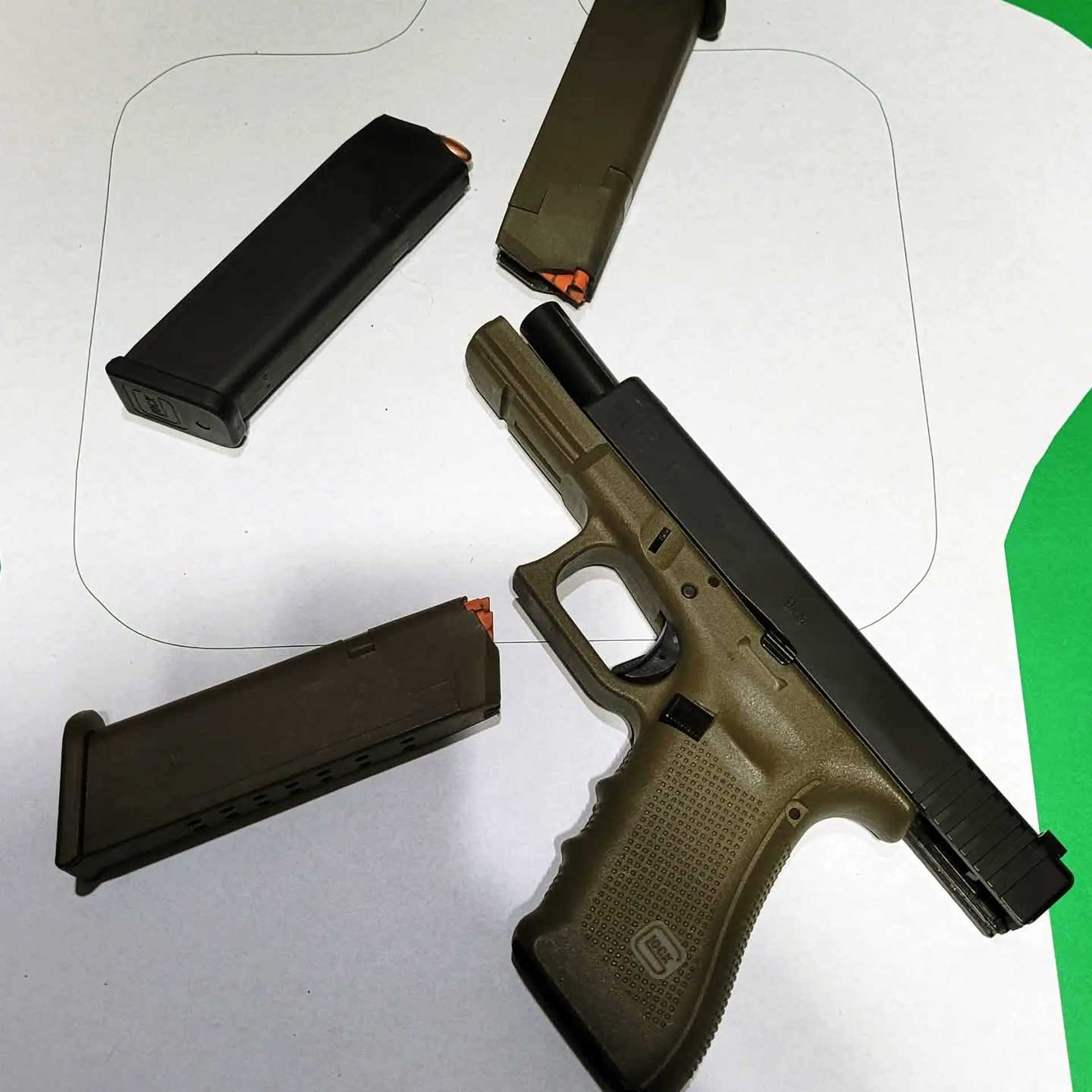
It is often the case with budget-priced imports from some of the big surplus houses that any value saved on the upfront cost is often lost on the price of ancillary equipment such as magazines and spare parts. Magazines are a crucial commodity in keeping semi-auto handguns running, and they wear out. I, personally, get twitchy unless I have five magazines on hand for any gun that may be used for any real-world scenario. Spare magazines can be downright impossible to find for some of the more lower-priced import offerings, and even when you do find them, they can be pricey.
So, we’ve got our new-in-box pistol with a couple of spare magazines, some eye and ear protection and a couple boxes of ammo. Now what?
Training, of course.
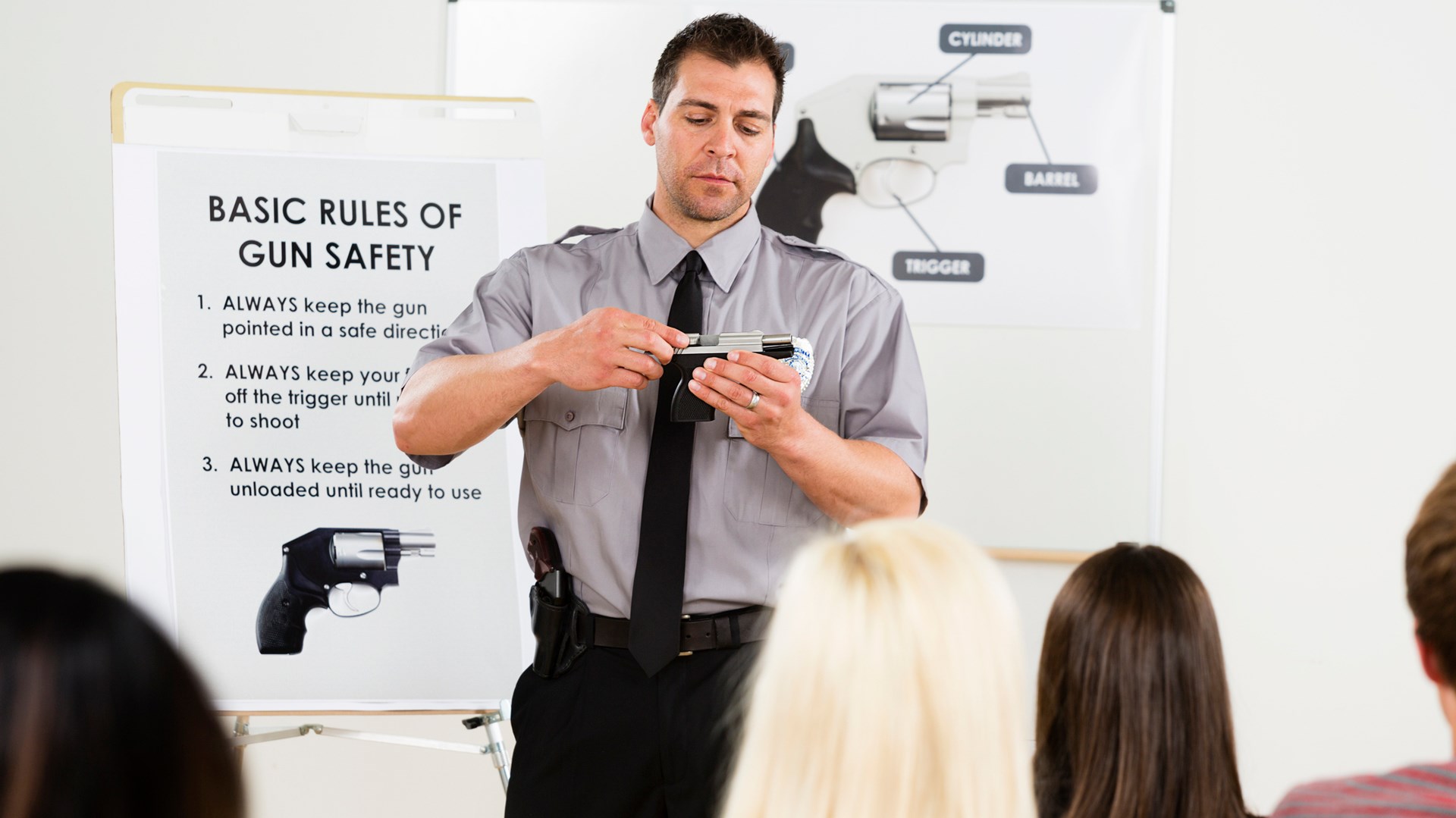
I cannot overemphasize the need for a first-time pistol buyer to take a basic handgun course. The NRA First Steps course comes to mind. Most indoor ranges have a staff instructor and offer beginner courses. In the beginning, all you need is a competent, certified instructor to walk you through the basics. There's no need to find the former SWAT ninja instructor.
Remember, the pistol sitting unloaded in your sock drawer does not magically ward off bad guys. It takes training and practice to achieve competence with a defensive handgun. Shooting is also a perishable skill, so biweekly range trip is a great way to stay sharp and have some fun.
With that, go forth and have fun with your new gun.
Most Popular