In the runup to World War II, several new firearm designs were developed for the Japanese military by Gen. Kijiro Nambu. In particular, Nambu was tasked with designing a smaller sidearm for specialized roles in addition to the main Japanese service sidearm of the time. The resulting Type 94 has widely been considered to be one of the worst firearms ever made. Watch our "American Rifleman Television" I Have This Old Gun segment above to see the Type 94 on the range.
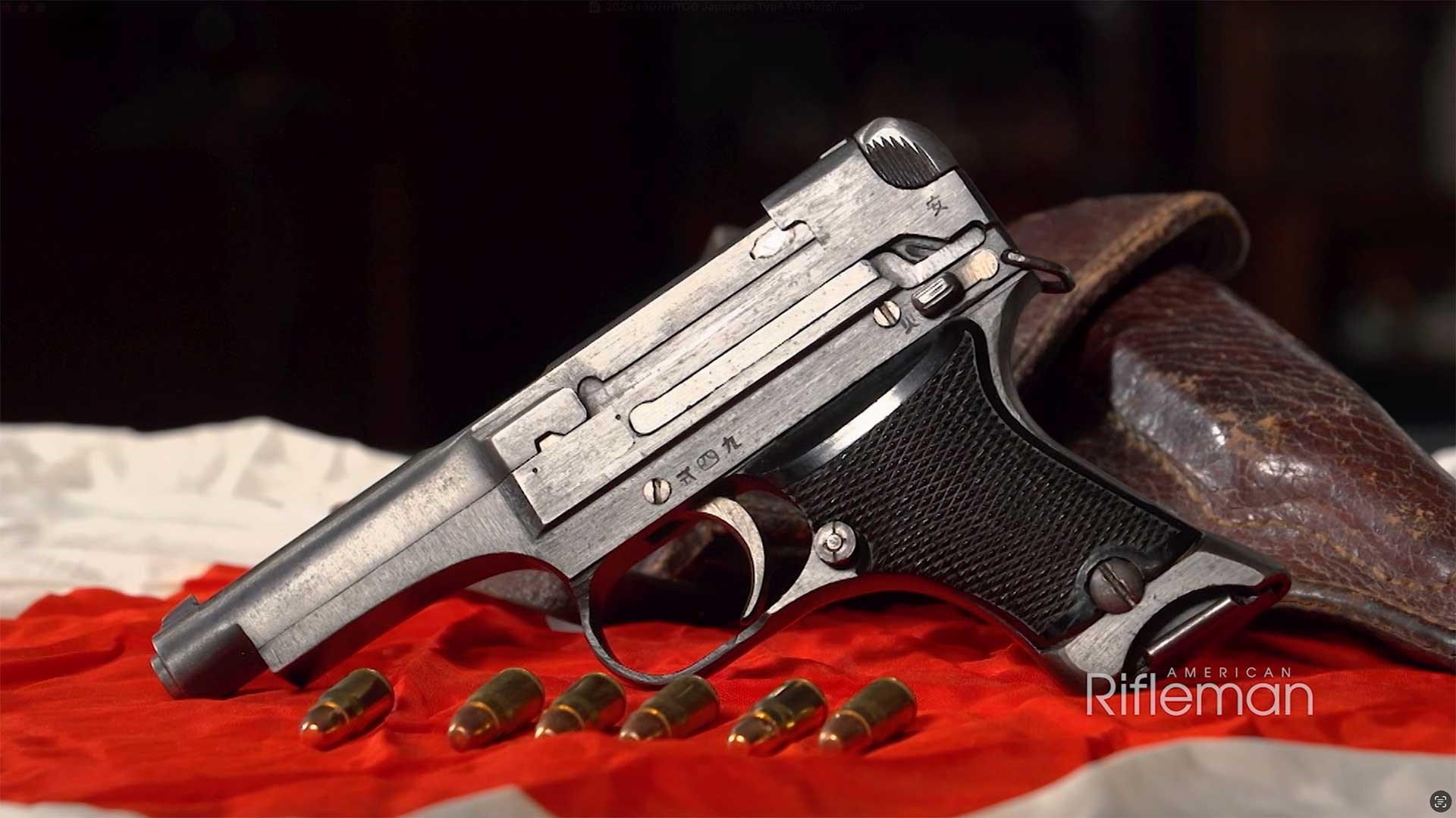
"[Nambu] designed several guns for the Japanese military going into the Second World War, particularly the Type 14 Nambu, which is the official sidearm of the Japanese military during the Second World War," American Rifleman Executive Editor Evan Brune said. "But it's kind of a big gun. It's an officer's sidearm, and there are specialized roles that needs something a little bit smaller. Notably air crew, tank crews, they need a side arm, but they need it to be as compact as possible. So Nambu in the 1930s is tasked with designing a subcompact arm that we come to know of today as the Type 94."
To make the gun as compact as possible, Nambu placed as much of the operation above the grip frame as possible, resulting in an ungainly looking platform with what appeared to be a short, stubby grip. Due to the odd configuration, the Type 94 stands out among World War II-era firearms as being one of the ugliest firearms ever produced.
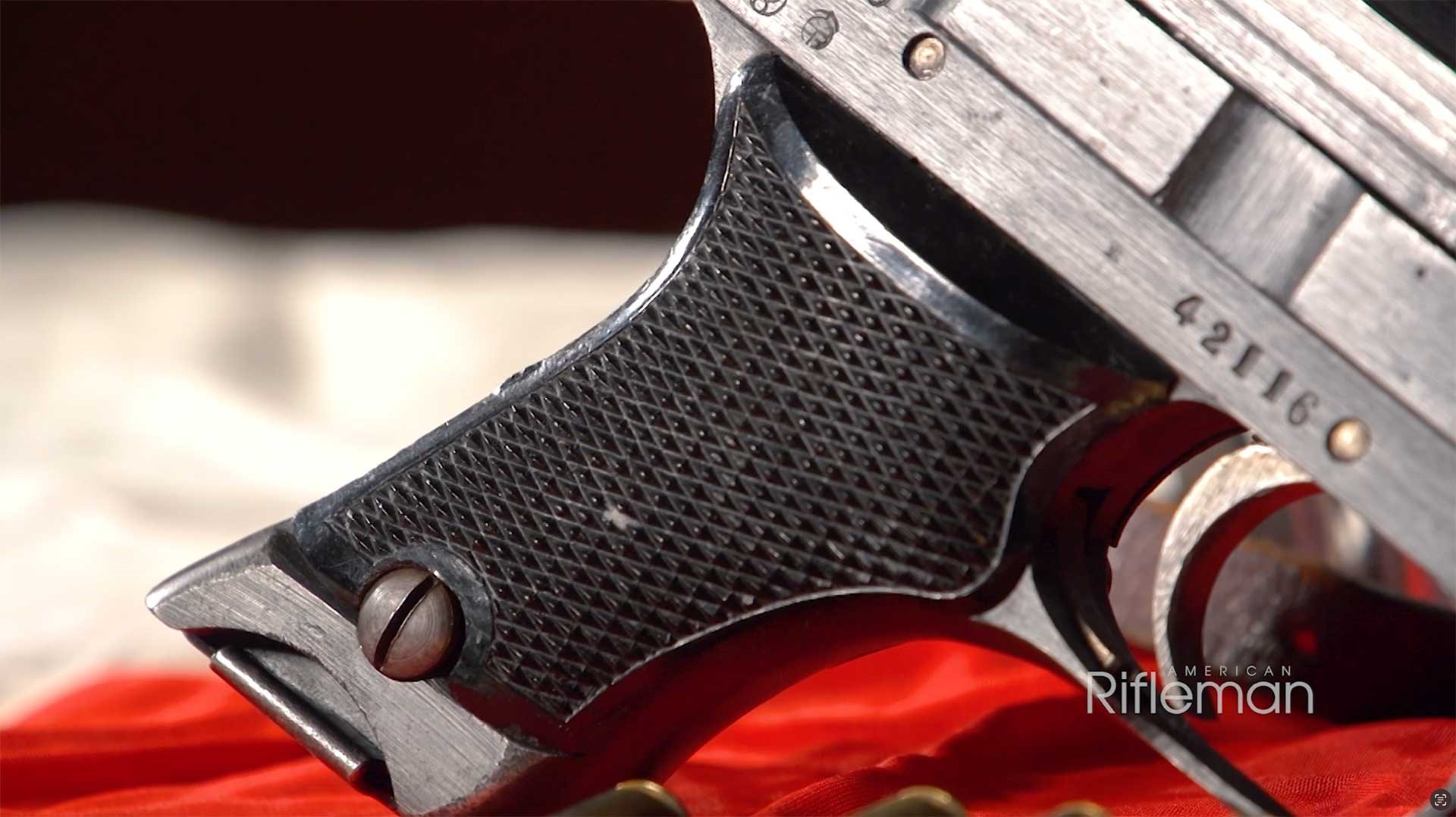
"Size-wise, it wasn't bad. It was reliable," American Rifleman Field Editor Garry James said. "It had an unusual shaped grip, which a lot of people say makes it the ugliest pistol in the world. I can't disagree with that. There's maybe one or two other that are slightly uglier than this one, but not more so. Now, to be fair, I've shot the Type 94. I don't have very big hands. I find the grip very, very comfortable. I find it totally accessible, and I find the gun to be a reasonably reliable little pistol."
Aside from its aesthetics, the Japanese Type 94 is also roundly criticized for its exposed trigger sear located along the left side of the frame. Pressure on this sear will allow the firearm to discharge without the trigger being pulled, leading most people to consider it one of the most dangerous firearms ever made.
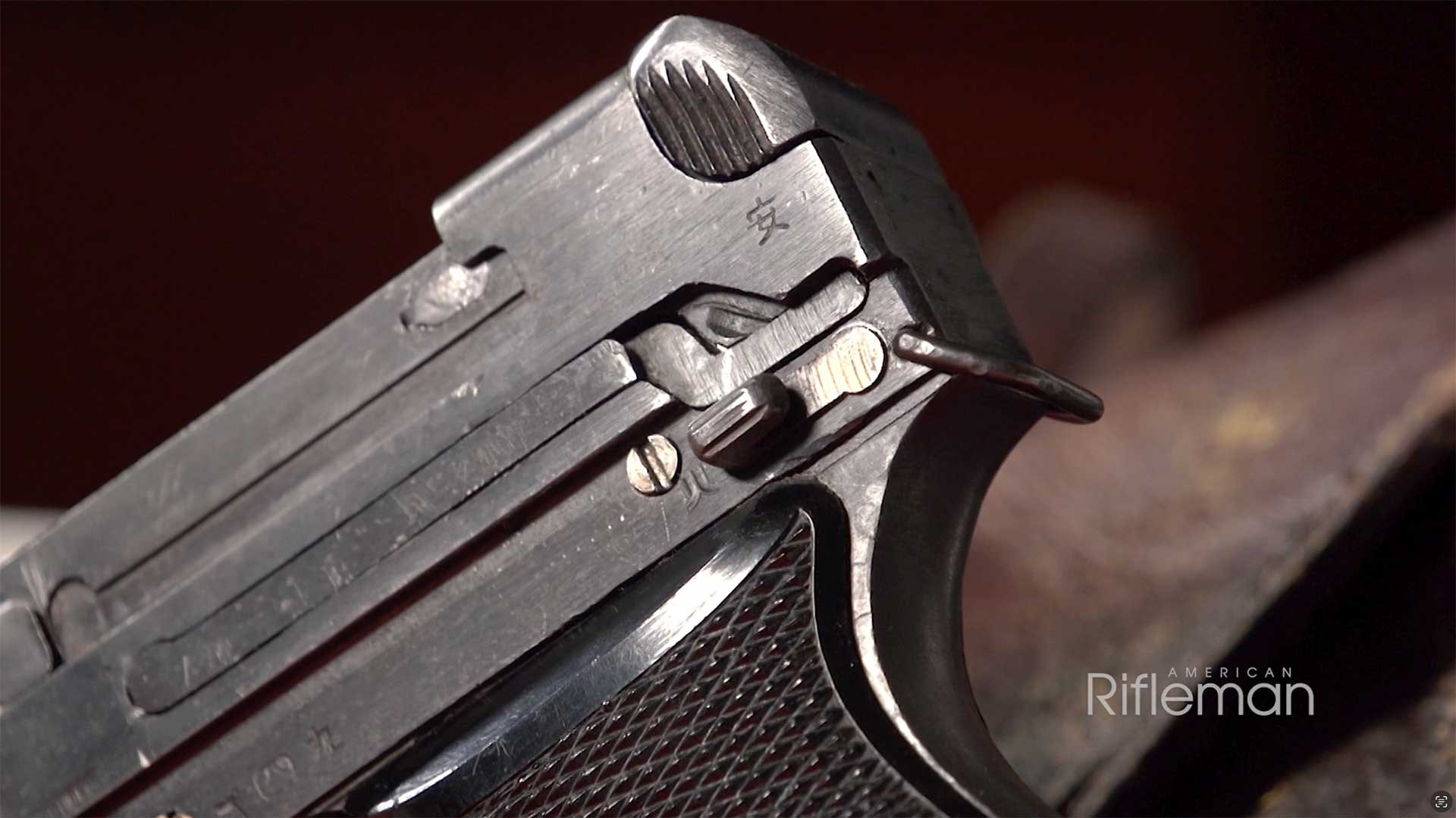
"While it certainly isn't a great design, what people don't realize is that it takes a lot of pressure in order for that sear to go off," Brune said. "You've really gotta be pushing in on the sear in order to set the gun off, and it's kind of recessed a little bit into the frame itself. The other thing, too, is it's got a manual safety, and if you have the safety engaged, then it's physically blocking the sear. So while it isn't the smartest design for a handgun that we've ever seen, certainly it also isn't the super touchy, temperamental, dangerous object that people have come to believe it is."
To watch complete segments of past episodes of American Rifleman TV, go to americanrifleman.org/videos/artv. For all-new episodes of ARTV, tune in Wednesday nights to Outdoor Channel 8:30 p.m. and 11:30 p.m. EST.