In the spring of 1990, a salesman in a New York sporting goods store placed an all-black Ithaca 12-ga. shotgun on the counter in front of me. Shaking his head, he confessed, "I don't know what it is. I have no idea how it got here. It's not in our database, and I can't send it back." He looked up at me. "You want it?"
I had an equally confused expression, because it was not the gun I had ordered weeks earlier. I was there to pick up a Model 87 Deerslayer featuring a blued finish, polished walnut furniture and four-shot magazine. It was my first gun order. I was 18 years old.
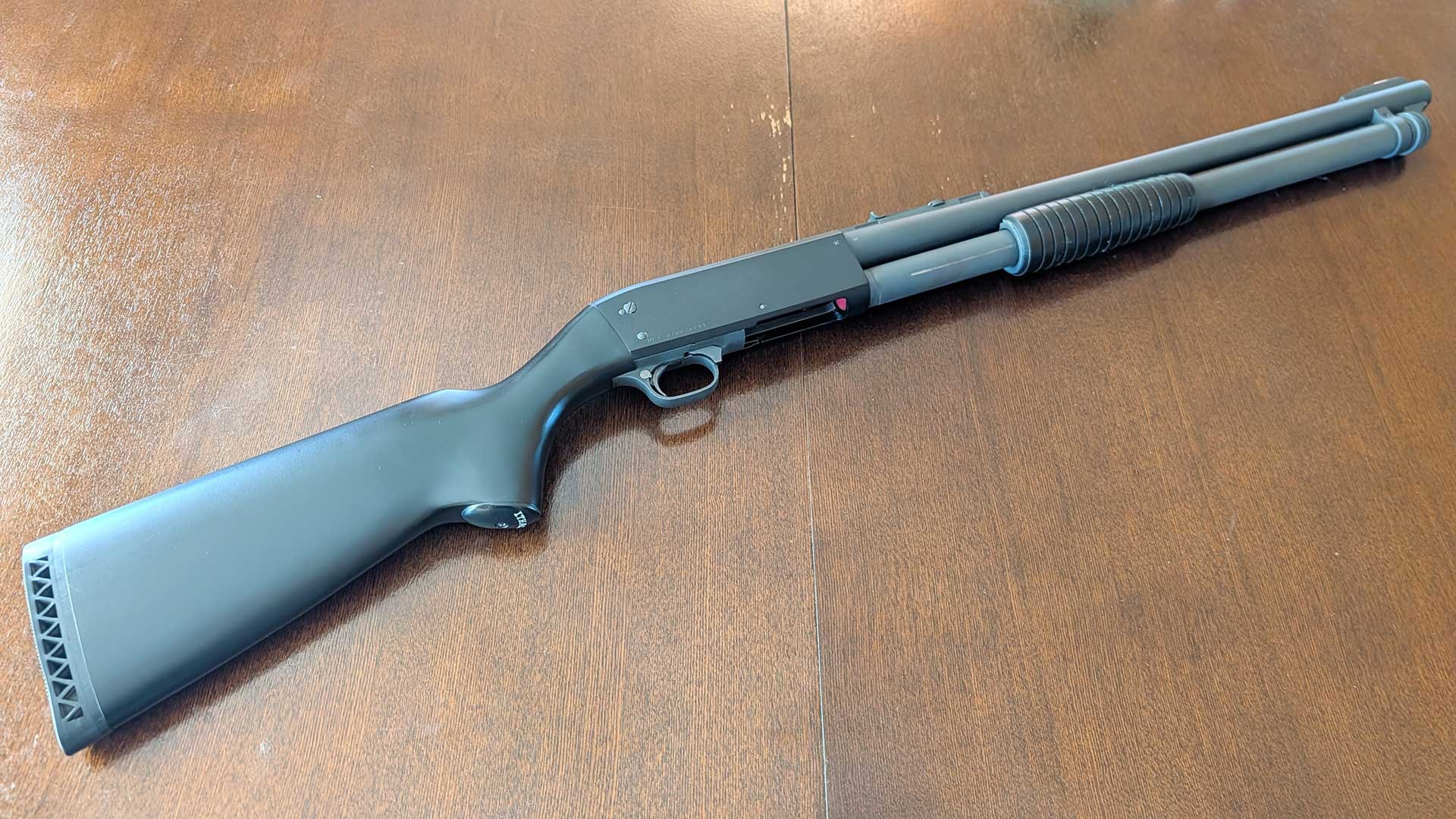
No one in the shop had ever seen a gun like it. With its Parkerized finish, flat-black furniture and extended magazine tube, it didn't scream "Ithaca." It was a cool gun, sure, but I wanted my Deerslayer. After a long negotiation, I begrudgingly bought it for $375, a fortune for a teenager who washed dishes for five bucks an hour at the time.
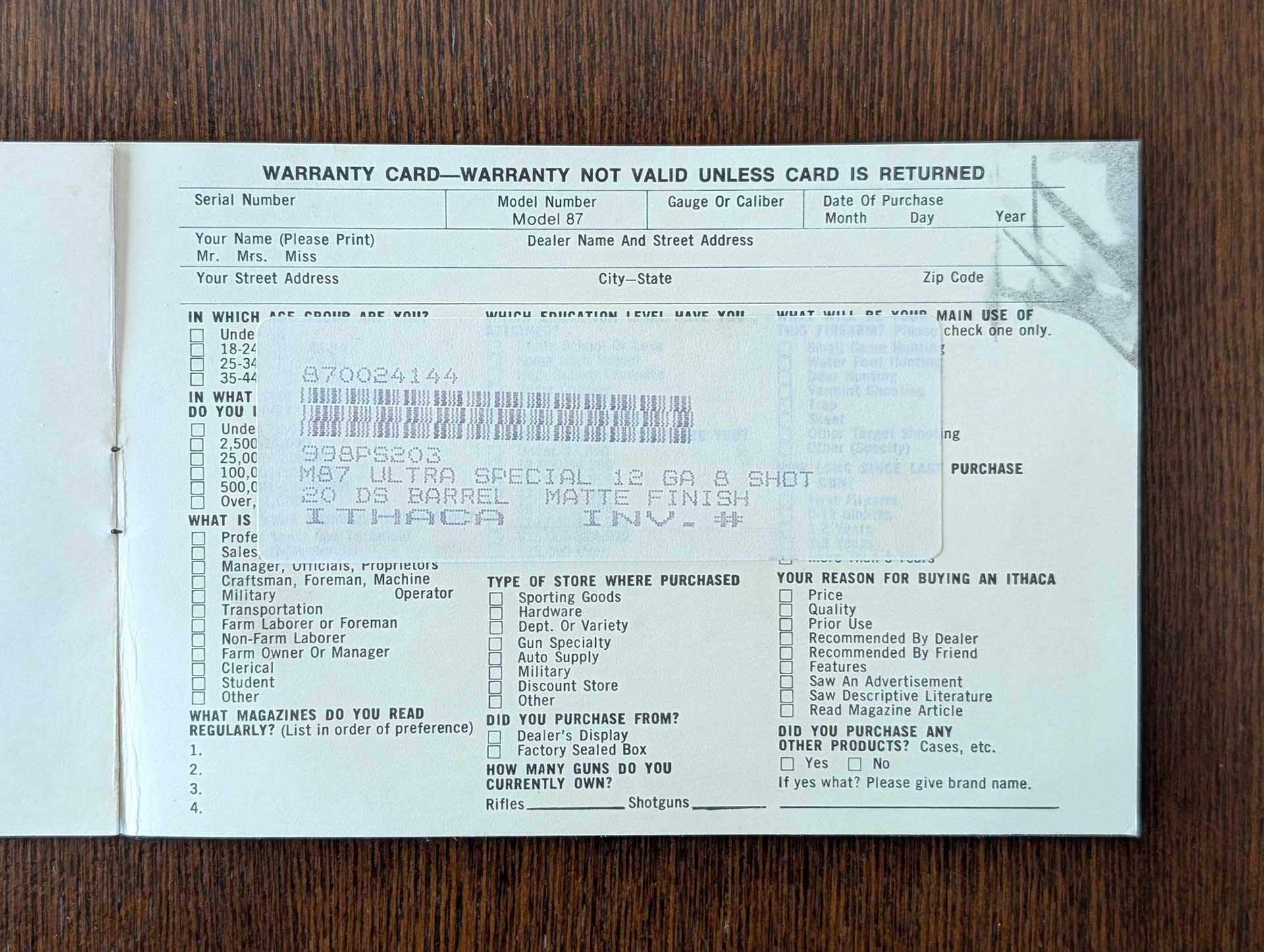
I brought the firearm home and examined its tag. Adhered to it was a factory build label that carried cryptic codes. The "998PS203" and "Ultra Special" were the most intriguing ones. It was all Greek to me. I tossed the hangtag in a box and forgot about it.
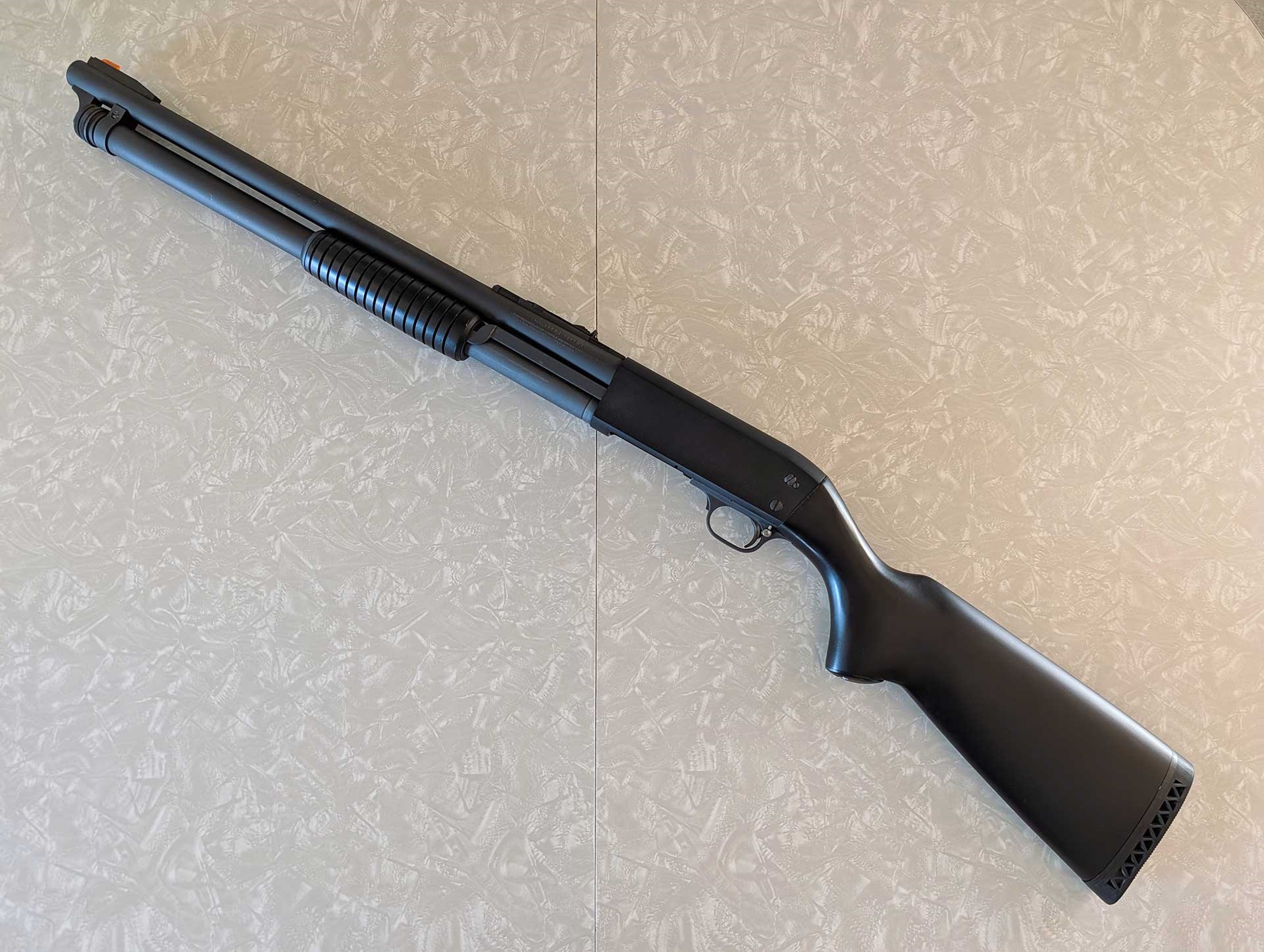
When I was at the store a few months later, the salesman noticed me and strolled over. He said, "That gun you got in April? The black one? Ithaca said it was supposed to go to a California law-enforcement agency. I guess it got sent here by accident." I naively asked if the agency was looking for it. He assured me, "Erik, you bought it. It's yours."
During the next few decades, the gun was basically never used. The thing kicked like a mule, and ammo was pricey. Though I owned other guns that came and went, I never sold the Ithaca. I sensed there was something special about it. In early 2026, while sorting through boxes of old documents, I stumbled upon the tag with the build label still adhered to it. I considered tossing it, but just as I had sensed something special about the gun, I sensed something special about the mysterious label.
I decided to decipher the cryptic codes to determine if the gun really was a police shotgun gone astray. The problem was, Ithaca records from 1985 to 2005 were destroyed or submitted to the ATF, where they remain inaccessible to the public. As a professional researcher with a knack for uncovering forgotten history, I rolled up my sleeves and began a deep dive to find out what the gun is. After six months of research fraught with dead ends and wild goose chases, I didn't just learn what it is. I uncovered an exclusive law-enforcement weapons development program unknown to gun collectors and even to Ithaca historians.
By 1990, Ithaca had endured one buy-out and two bankruptcies. What remained was a skeleton crew operating out of an abandoned school building, using the same machinery that cranked out M1911s and trench guns during World War II. The company's leadership determined their only viable path to financial recovery was law-enforcement contracts. The strategy had worked before. In 1981, the Los Angeles Police Department had purchased 1,000 Ithaca Model 37 shotguns for $850,000. To stay afloat, Ithaca needed to replace those aging inventories with fresh Model 87s.
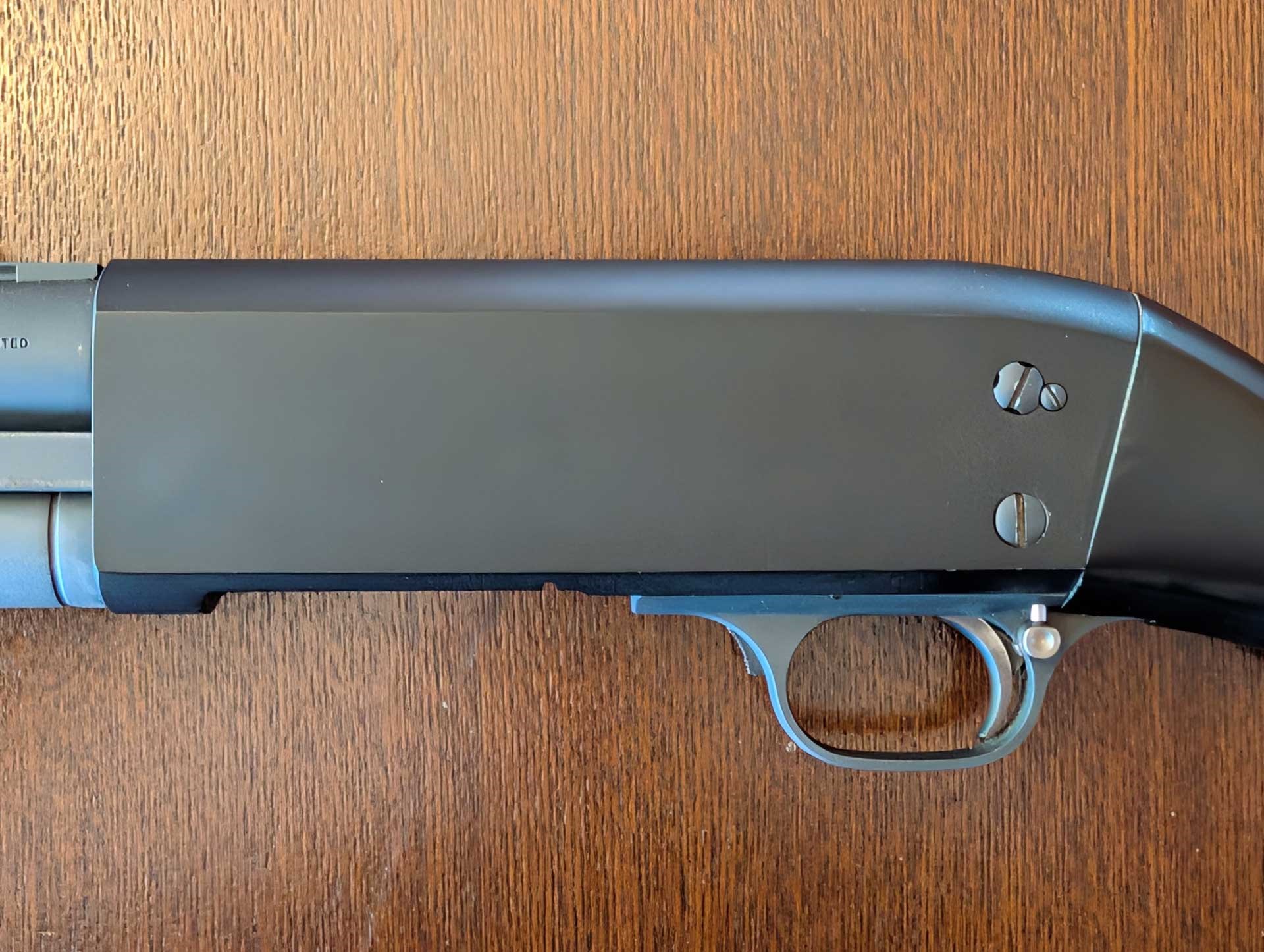
The name chosen for the company's law-enforcement initiative was peerless: Ultra Special. Engineers and gunsmiths got to work producing a micro-batch of shotguns unlike anything made in the company's 107-year history. They began by dusting off abandoned aircraft-grade aluminum blocks from a mid-1970s "proof-of-concept" program for a field shotgun and carved them into receivers chambered for 3-inch, 12-ga. shotshells. It was an exceedingly uncommon move. By 1990, Ithaca had manufactured 1.5 million 12-ga. shotguns. Based on surviving serial‑number data, fewer than 100 of those guns had aluminum receivers designed for use with magnum rounds.
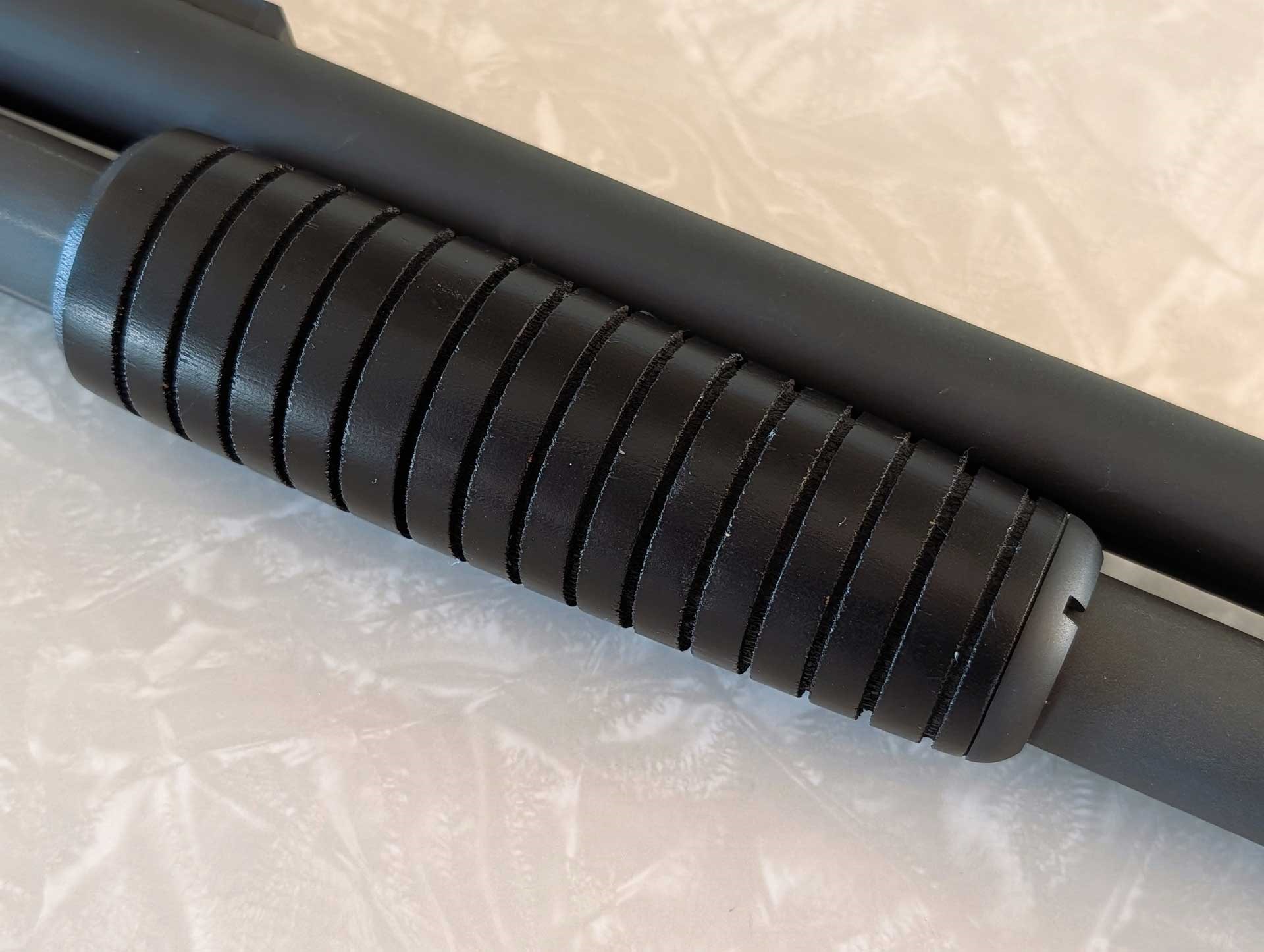
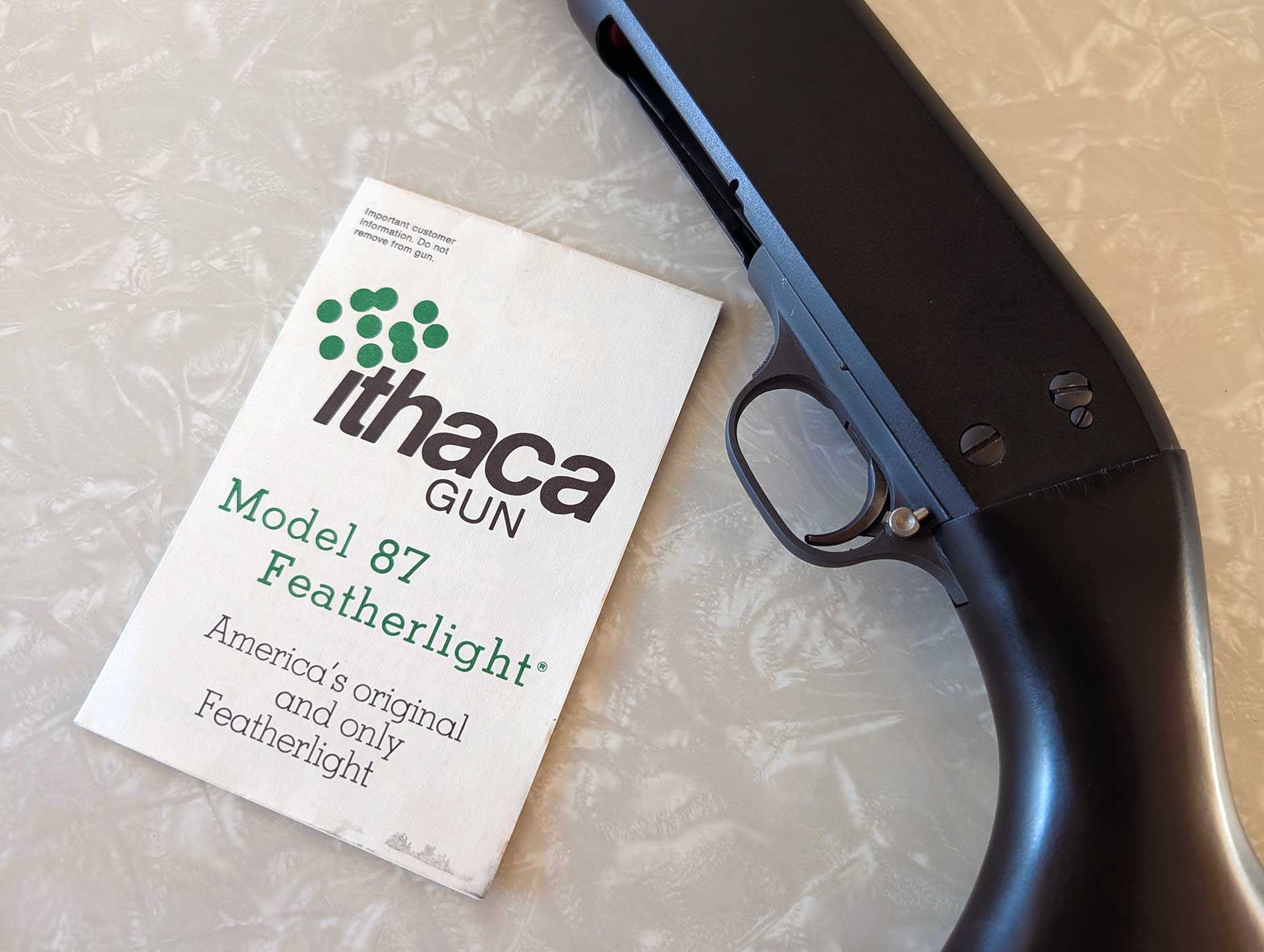
Evidence suggests six total Ultra Special units were produced: two test guns, one final electroless nickel plated gun and three final Parkerized guns. The Parkerized guns, one of which is mine, are almost sinister-looking in appearance, with their anodized receivers, Parkerized barrels, and flat-black furniture.
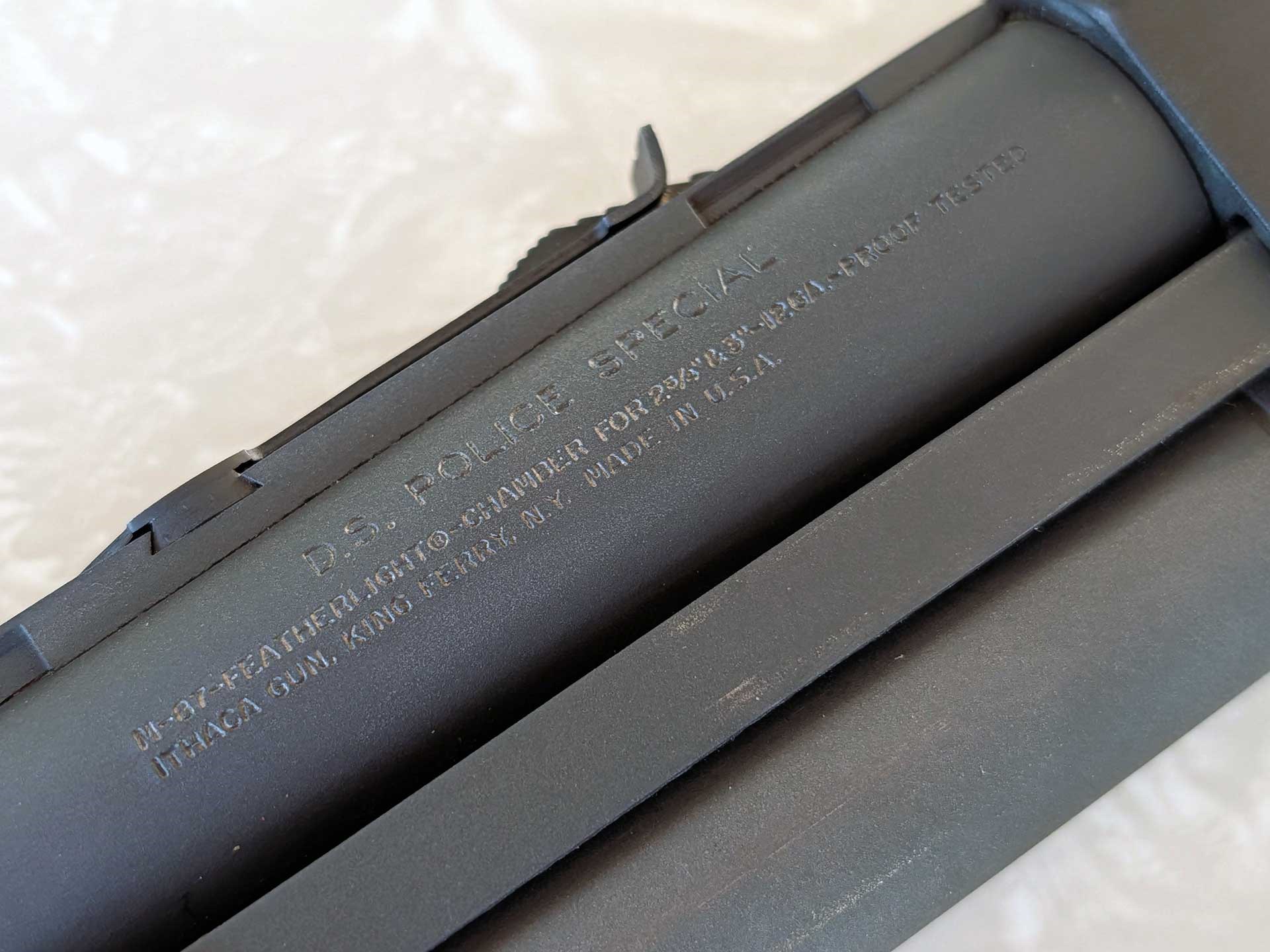
Ithaca had four lightweight prototypes to fuel its gamble. While Remington 870 Police Magnums and Mossberg 590A1s of that era weighed about 7.5 pounds, the final Ultra Specials weighed an astonishing 6.2 pounds each. The pitch "It's the lightest shotgun you can buy" was what Ithaca offered, because that's all it could. That year, the company had no synthetic stocks, fore-end lights or ghost-ring sights, let alone the massive economies of scale of Remington and Mossberg. Yet if the LAPD, the agency the Ultra Specials were probably designed for, bought just 500 guns, that would keep the lights on at Ithaca for another year.
But it wasn't 1981. Mossberg had secured a massive Department of Defense contract in 1987. Remington dominated the domestic police market. It is believed that LAPD canceled the evaluation midstream. It had already found a supplier or, more likely, got cold feet over Ithaca's instability. The rejection hit the struggling manufacturer like a front kick to the solar plexus.
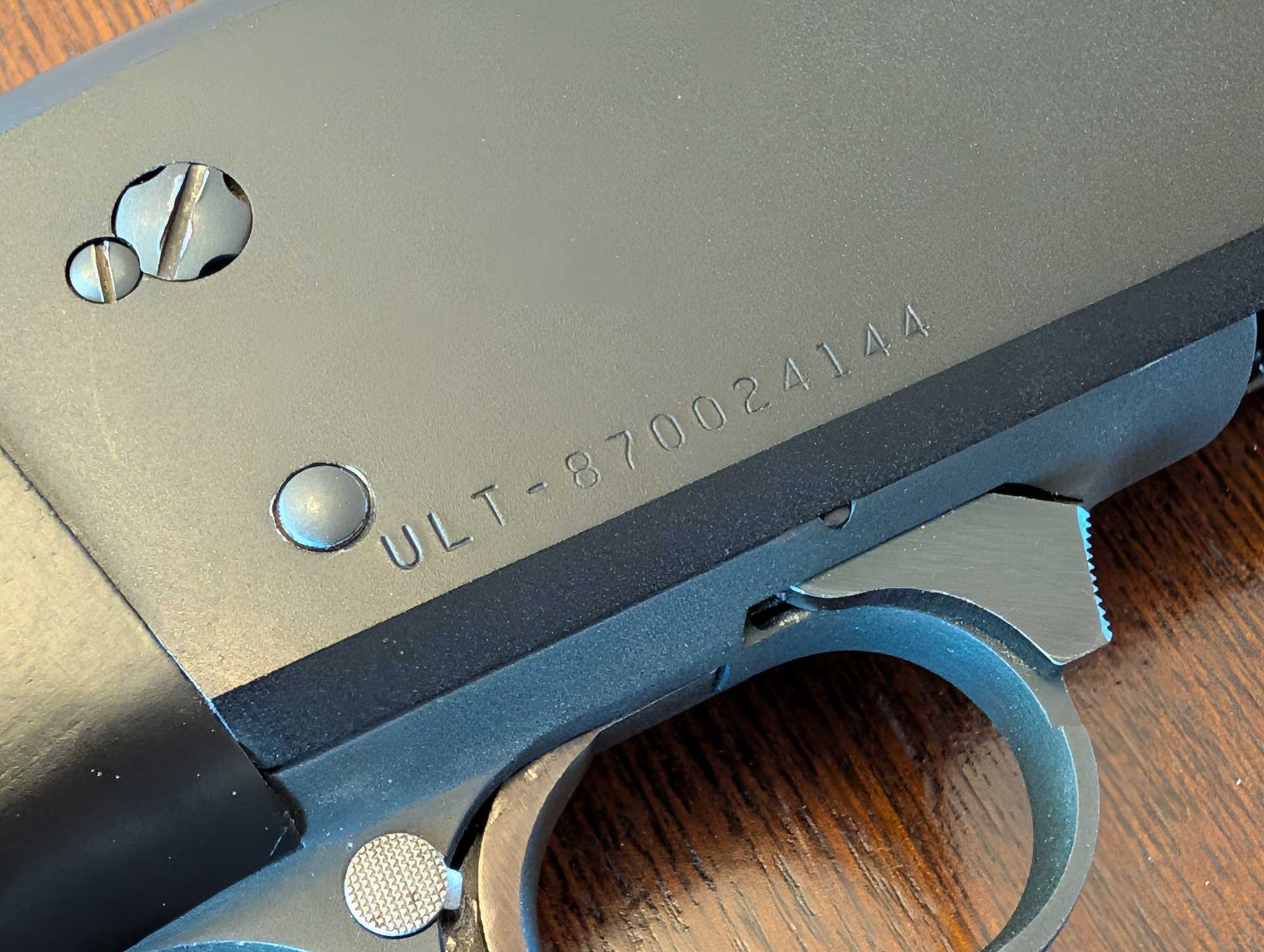
The six Ultra Specials were demoted from engineering masterpieces to the last gasp of a dying company. They had no inventory numbers, SKU identifiers or database entries because they were never intended for retail sale. At first, no one probably knew what to do with them.
How one of these ultra-rare prototypes ended up at a sporting-goods store remains a point of debate. None of Ithaca's surviving employees, all now in their 80s, know. A long-retired Ithaca production manager communicated to me, "What you got probably should have been sent back to the factory. It was sent by mistake. Or someone sent it, and they shouldn't have."
The evidence best supports the latter theory. In 1990, Ithaca was financially hemorrhaging and needed cash. It is most likely my Ultra Special was rammed into the retail environment to recover R&D costs. It was probably identified as a nondescript "Model 87" since "Ultra Special" was not a standardized name. When the next Model 87 order was received—the one for my Deerslayer—the Ultra Special was sent. The salesman and customer would be left to figure it out, which is precisely what happened in that New York sporting goods store 36 years ago. As one person neatly summed this rogue purchase, "You ordered the bronze. Ithaca sent you the gold."
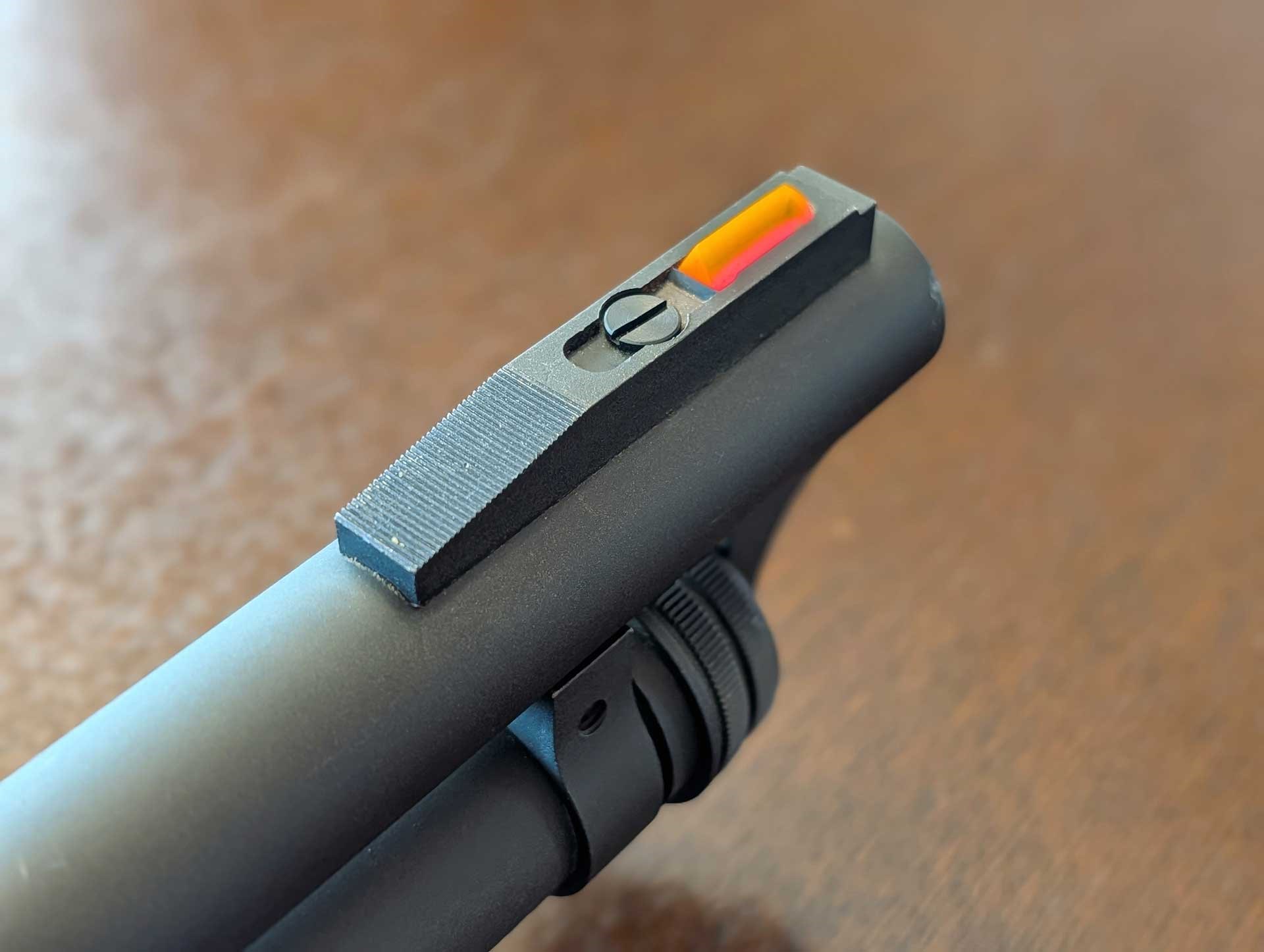
Ithaca Model 87 Ultra Special Specifications
Manufacturer: Ithaca Gun Company
Manufactured: 1990
Gauge: 12
Receiver: aluminum, anodized finish
Barrel: 20-inch Deerslayer Police Special (DSPS), cylinder bore; 3-inch chamber; Parkerized finish
Capacity: 7+1 (2.75-inch shells)
Stock: walnut (factory-painted black)
Sights: Adjustable rear notch, Raybar blade front
Overall Length: 39.75 inches
Length of Pull: 14 inches
Weight: 6 pounds, 3 ounces
Factory Build Label
- 870024144: Serial number
- 998PS203: Uncatalogued code + 8-shot + Police Special + 20-inch barrel + 3-inch chamber
- M87: Model 87
- ULTRA SPECIAL: Ultra Special build
- 12 GA: 12 gauge
- 8 SHOT: 7+1 capacity (2.75-inch shells)
- 20 DS BARREL: 20-inch DSPS cylinder bore barrel
- MATTE FINISH: Parkerized finish
- ITHACA INV. # [blank]: Uncatalogued firearm
Most Popular