It was way, way back in the pre-Internet dark ages when I decided to start learning about defensive shooting. At the time, I really didn't have anyone to turn to for advice beyond the guys at the gun shop and the gun writers. Today, those who are investigating firearms for personal protection have a veritable ocean of information to dive into. Websites, books, videos, periodicals and online forums abound.
But despite all of the useful information that's readily available today, there are still bits of not-so-sage self-defense advice that continue to cling to the community's conversations like crab grass to a putting green. Some folks will be polite by sayings it’s advice that should be taken with a grain of salt. But here are five ideas and practices that should just be put out to pasture.
5. Trust me, I've been doing this for years.
The assumption is that if someone has an extensive shooting background, then they are qualified to dish out self-defense advice. This seems a little strange since folks don't usually make this kind of generalization when it comes to other specialties. For example, five-star chefs, caterers and at-home cooks all prepare food for people to enjoy. Generally speaking, they all do the same thing. However, even though the work they do is similar in nature, it's not in actuality the same. Each of these styles of food preparation requires a different set of techniques, tools and ingredients.
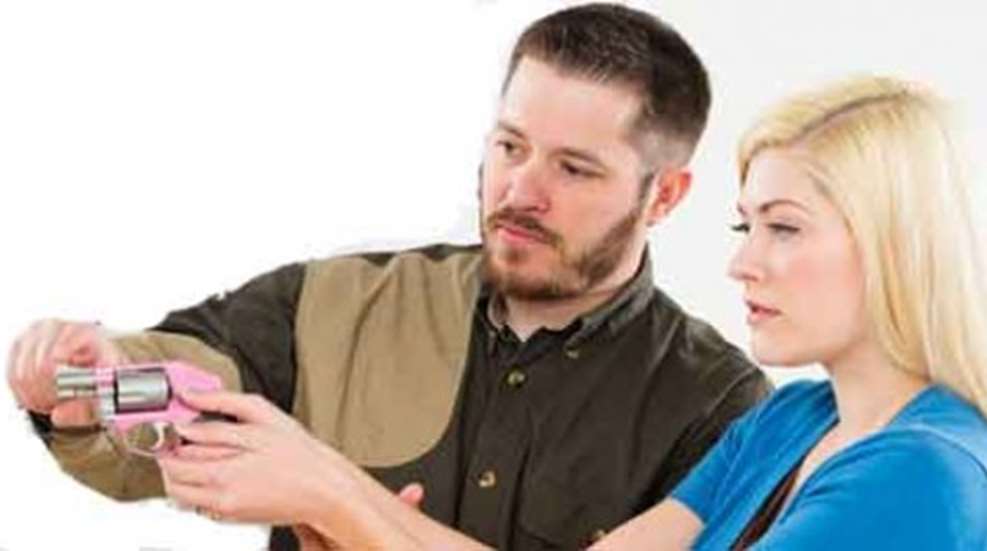
This holds true for shooting skills, tactics and gear selection. Although guns are used for harvesting waterfowl, high-speed target competition and military engagements, each activity requires a unique approach and mindset. Handling guns in a variety of contexts, even if it's done on a regular basis over the course of a lifetime, will not automatically translate into the specific, specialized skills required for personal protection situations. If you are looking for self-defense advice, then turn to the folks with the right background to provide it.
4. If you practice at the range regularly, you'll be good to go.
One should never underestimate the importance of spending time at a static-target shooting range. When conducted properly, these sessions are invaluable for refining trigger control, forming a sight picture, reloading techniques and so on. However, a regimen consisting solely of square-range practice time is incomplete. In a defensive scenario, a personal protector will have to handle several problems at once. These can include drawing from concealment, seeking cover and evaluating the threat, all while moving quickly with their heart pounding. One of the best ways to enhance defensive-shooting skills is to seek out live-fire practice that includes these key defensive elements. Shooting classes, local club events and organized competitions (IDPA, ICORE, IPSC, SASS) can provide opportunities to shoot and move at the same time.
3. I don't bother with reloads.
Yes, carrying reloads increases the uncomfortable weight and inconvenient bulk of an already heavy concealed-carry handgun. But you’ll be hard pressed to find professionals, including law enforcement, military, security and self-defense instructors alike, who say it is okay to skimp on reloads. Instead, they'll cite situations in which a spare magazine or speed loader was the key element in winning or losing a gun fight.
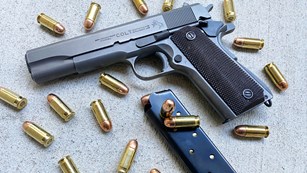
Having reloads on hand is not about sending more lead down range per se but keeping the gun running until the fight is over. What if the one pistol magazine you have is damaged or defective? What if the magazine gets dropped and lost? What if you have to fend off multiple assailants with your 5-shot revolver? More ammo means more options. If it's worth all the work and expense it takes to have a concealed handgun with you, then having enough fuel on hand to keep it running should make sense as well.
2. There's only one gun you can trust to get the job done.
Firearm owners who have found a cartridge and firearm combination they feel confident in for personal protection should be congratulated. They've successfully waded through a seemingly infinite number of possibilities and can now focus on the all-important task of honing their skills. But for those enthusiasts who hold to the “One True Gun” mindset, saying that all other options are stupid, bad or just plain wrong, well, it's time to take a deep breath and relax a bit.
In truth, there is no One True Gun because the diversity of the shooting community presents a wide range of considerations including the individual’s wardrobe requirements, climate, body shape, skill level and personal preferences. This is why a particular gun is a perfect fit for person A and a boat anchor to person B. But beyond the like and dislike factors, there are literally dozens, if not hundreds, of gun and caliber configurations that will be more than adequately powerful, reliable, and accurate for self defense.
1. You don't even have to aim it!
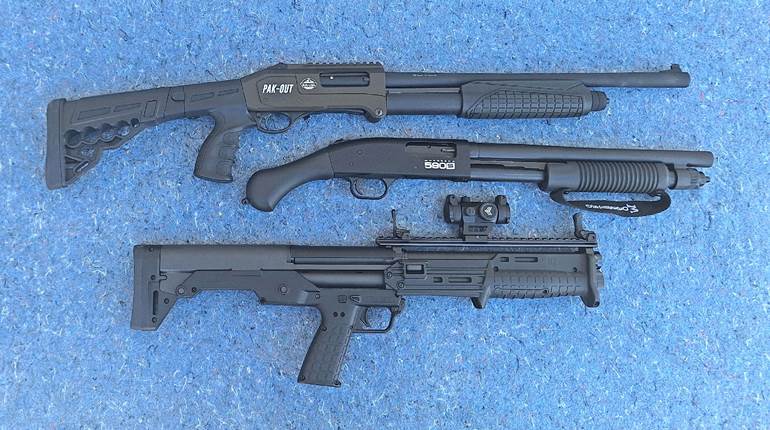
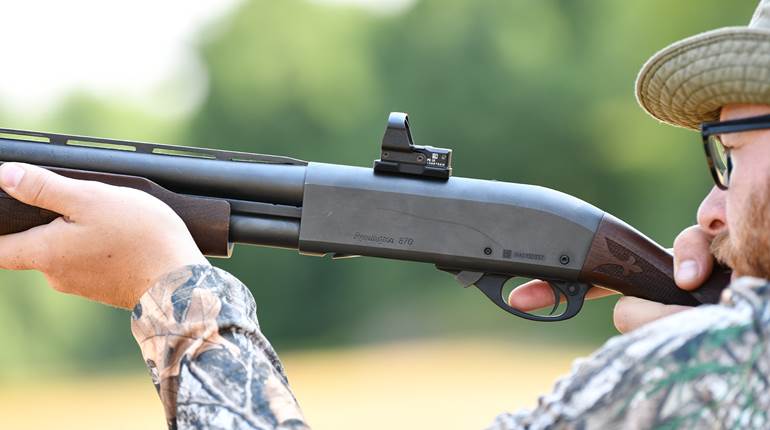
Just when it seems that the myth about defensive shotguns being plug-and-play tools has finally dried up, it pops up again. Just days ago I was talking over options for home defense with some friends when it was said, once again, that the great thing about shotguns is that there is no need to aim them. This statement is simply not true. Just like any other defensive firearm, shotguns have to be aimed and handled with some degree of proficiency in order to work properly.
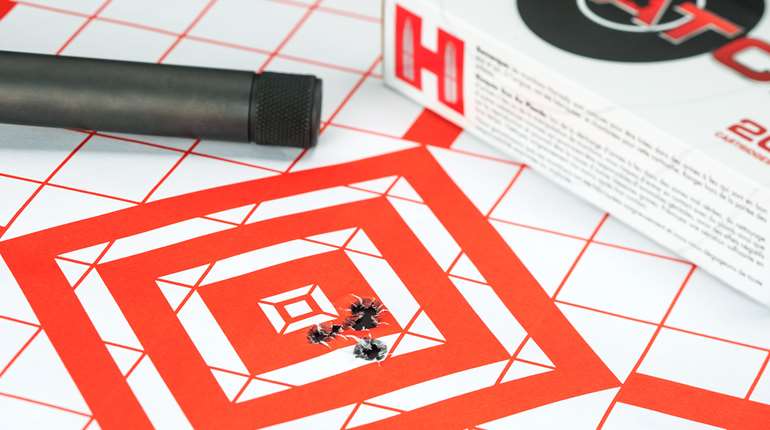
Defensive shotguns produce a devastating impact and the spreading pattern of shot pellets increases the odds of hitting the target. However, a shotgun is not a magic wand. Depending on the distance from the target, the shot pattern may only be as big around as a golf ball or a tennis ball. It is bigger impact area than a single rifle or handgun bullet to be sure but still small enough to miss an assailant completely if the shot is not properly placed. If a shotgun is going to be employed as a defensive tool in the home, be sure to understand its benefits and limitations before putting the gun to work.
Most Popular