In late 2017, Hornady released its proprietary ballistic calculator, 4DOF (4 Degrees of Freedom), as a free smartphone app. A couple years and a few software updates later, I was presented with the unique opportunity to test out the revolutionary application where it is most at home: at a long range … uhhh … range in the Oregon high desert, flinging the most advanced projectiles Hornady has yet to offer at targets an outlandish distance away. The results were edifying to say the least, and left me with a tremendous amount of respect for the program Hornady has put together.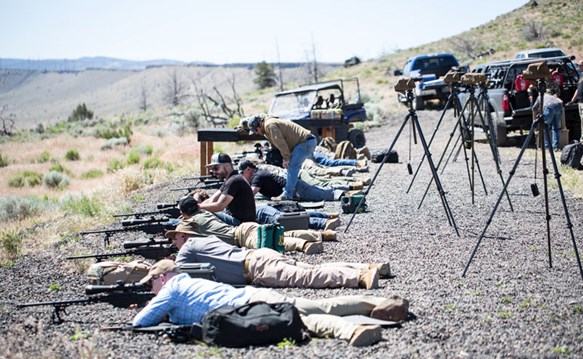
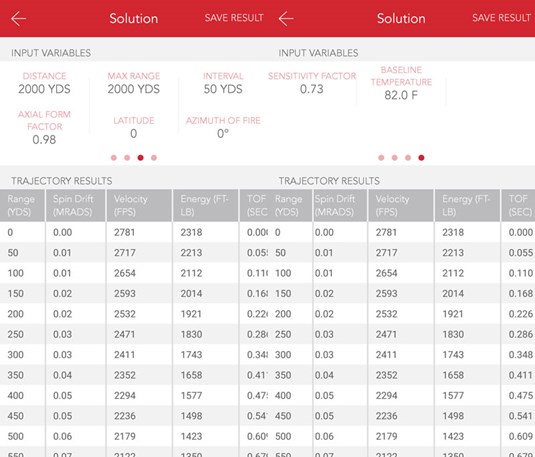
 Hornady’s 4DOF app takes a fresh look at ballistics by determining trajectory based off Doppler-measured Drag Coefficient, instead of Ballistic Coefficient. This means that, rather than using a comparison to a “standard projectile” (essentially a fluid ratio), 4DOF can work off of physical modeling of the projectile, measuring its mass and aerodynamic properties. This gives it the ability to to predict things like Aerodynamic Jump (the vertical shift a bullet experiences in a crosswind), allowing the output of impressively accurate readings, despite any rough conditions. Its name is derived from the fact that it is able to measure a bullet’s movement around its own center of gravity and subsequent angle relative to its line of flight, in addition to the more traditionally measured factors of windage, elevation and range. Hence while traditional calculators only allow three Degrees of Freedom (3DOF), this one allows for four (4DOF). Science aside (if you would like to learn more about what goes into Hornady’s 4DOF calculator, check out Hornady’s explanations and videos here), the 4DOF app is easy to use, with enough inputs to make readings utterly precise.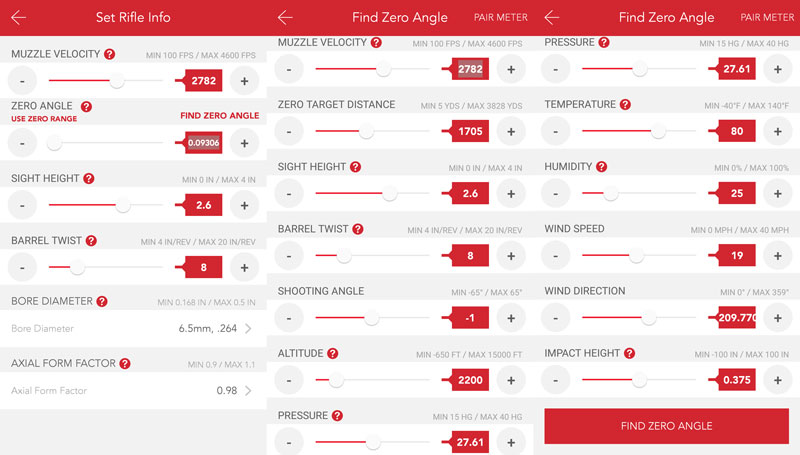
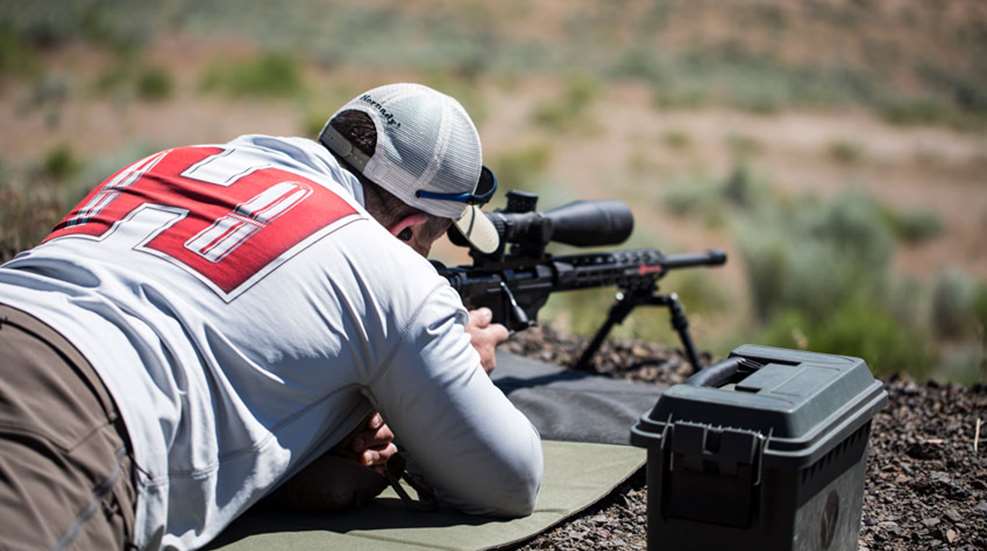
O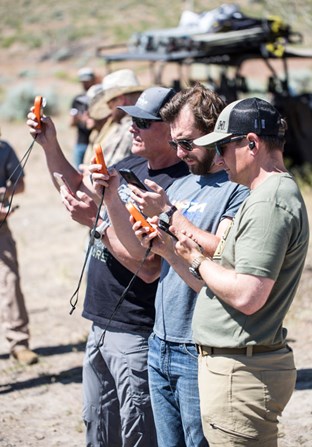 ut at the range, we began by inputting some basic load (powder type, bullet weight, caliber, barrel twist and muzzle velocity) and environmental (altitude, humidity, pressure, etc.) data to set a baseline. The latter of these could also be set automatically by syncing a bluetooth-capable Kestrel. From there we inputted sight height and shooting angle before firing five shots from our pre-zeroed rifles at 100 yards. We then measured the average difference between point of aim and actual point of impact to determine our Zero Angle, a variable which recalibrates zero to take environmentals into account. Next we used 4DOF to calculate our windage and elevation for 500 yards, then fired a five-shot group and measured the difference in elevation between the average impact and where the impact was calculated to be. This gave us our axial form factor, essentially a tunable variable designed to adjust the Drag Coefficient curve to match the un-generalizable details of a specific setup (miniscule variations in barrel, twist rate, rifling, etc.) These factors inputted (with a few hiccups on my part due to an improperly calibrated Kestrel, and substandard math skills), and 4DOF made long-range shooting almost too easy.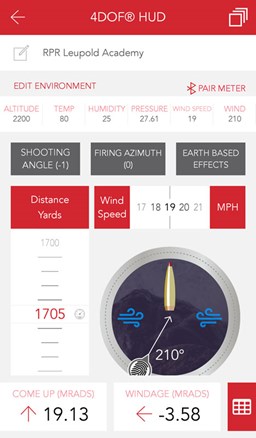
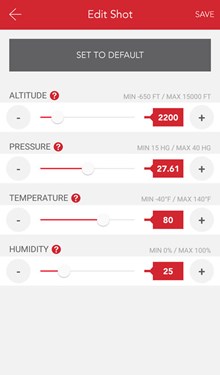 As you can see in the screenshot above, after one’s base calculations are established, all that has to be done is input range, wind and wind direction. Using these inputs, the calculator spits out a reading (in inches, MRAD or MOA) for windage and elevation adjustments. In my weeklong experience, calculations proved dead-on accurate. Change locations? Just go into “Edit Environment” and put in your new Altitude, Pressure, Temperature and Humidity—the formula will be adjusted accordingly. Shooting out past 1000 yards and need Coriolis and other such effects to be taken into consideration? Just fire up “Earth Based Effects” and input your latitude, either manually or by allowing your phone’s GPS to do so. It really is that simple.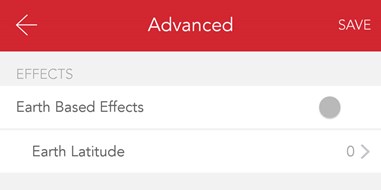
Now, being that Hornady created the app, and the modeling that goes into each specific bullet is so extensive, a common misconception I have encountered is that 4DOF only works with Hornady bullets. To the contrary, the app covers an impressive breadth of the market—101 different bullets from 13 different manufacturers are loaded into the 4DOF calculator at the time of this writing, and more are being added all the time. Hornady’s in-app bullet library (outside of the dedicated 4DOF calculator) is even larger, and includes both handgun bullets and shotguns slugs, as well as rifle bullets.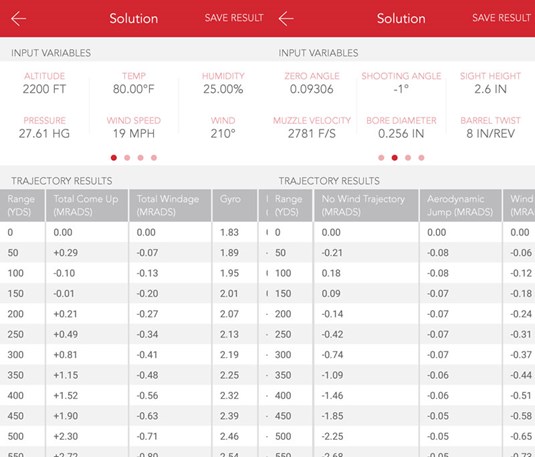
For more information on this free, game-changing application, please visit hornady.com. To read a little more about my trip to Oregon and the success this app (combined with Hornady’s A-Tip bullets) made possible, check out the companion article to this piece here.
Additional Reading:
Hornady 4DOF Ballstics Calculator Now a Free App
Product Preview: Hornady Kestrel 5700 Ballistics Weather Meter
Most Popular