Images courtesy RockIslandAuction.com.
Many years ago, I was hard at work in a new dream job—I was a gunwriter. After using guns in a bunch of different ways for all of my adult life, I had blundered into a gig where I drove to a big seven-story building on the Sunset Strip in Hollywood. Five days a week, I made the trip, arriving early and spending the entire day writing various stories about handguns—and they paid me! It was a great spot for which I will be forever grateful, but the very best thing about that job was the doors that opened because I had it. Things like the time a leading collector offered to loan me a Luger Carbine for a shooting review. It should come as no surprise that I quickly accepted that offer. But on another occasion, I ended up shooting a gun that I would probably have been better off never taking to the range.
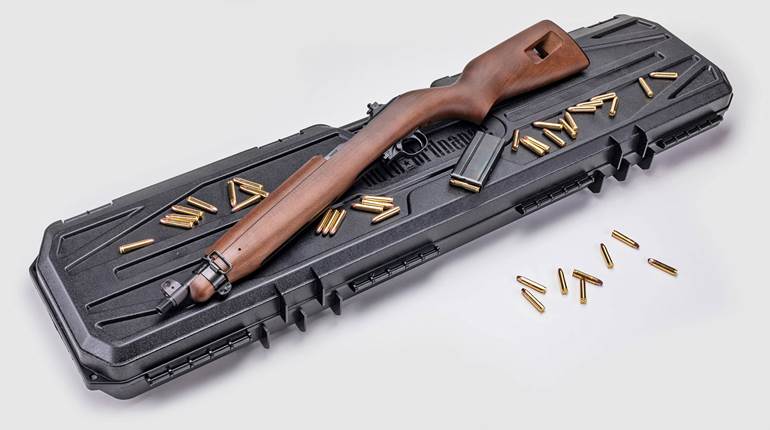
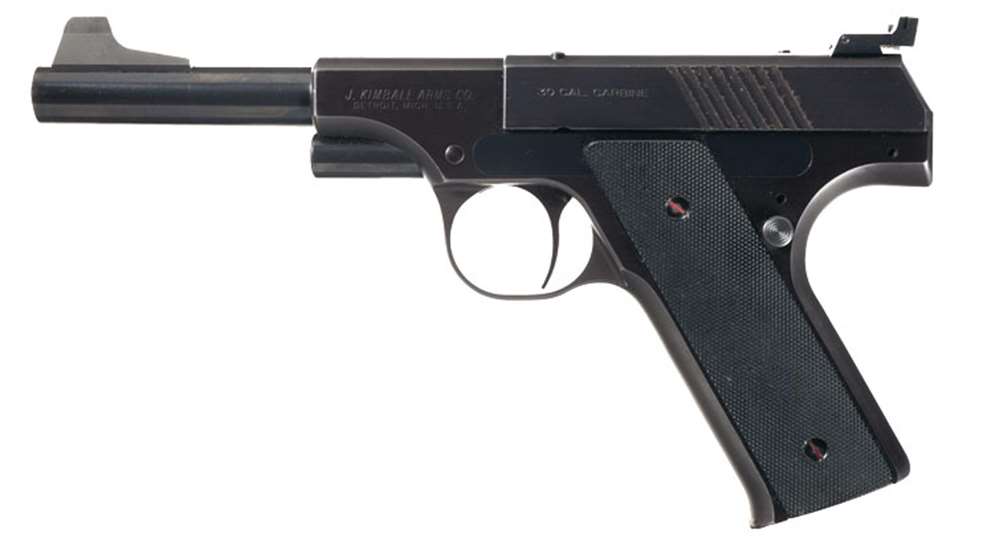
The handiness of the US M1 Carbine made it immensely popular during World War II and when the little .30 Caliber began to enter the surplus stores in the 1950s, it was well accepted. Since there was somewhat of an American tradition of handgun and carbine shooting the same ammunition, the idea of a .30 Carbine handgun was also well received. Bill Ruger brought out his Blackhawk revolver in this caliber and encountered some success. By the way, both Smith & Wesson and Colt experimented with big revolvers in .30 Carbine. However, it was far more likely that an automatic pistol format would be a greater commercial success. Eventually, this perceived demand would be filled by one of Harry Sanford's creations (AutoMag), but in the '50s it was a gun called the Kimball. That gun failed and disappeared.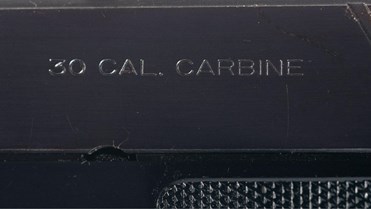
That situation was reported in this blog just a while back, but I am raising the topic again. In the process of looking up some other point, I found some new information. The Kimball failed because it was a delayed blowback, a hopelessly lightweight way to make a .30 Carbine pistol. The means of delaying the breech was a grooved chamber. On firing, the cartridge expanded quickly into a shallow groove, delaying it briefly. When the short, half-slide made it all the way to the rear, it came up hard against a vertical lug in the receiver. Contemporary accounts said this lug sometimes cracked or snapped in half. This would allow the slide to part company with the remainder of the pistol, presumably with a good head of steam.
When I borrowed that gun for shooting, the guy who loaned it to me told me that he had fired the gun a good bit, but quit because of the alleged problem. I was cautious but proceeded with the shoot. It was accompanied by sharp reports and nasty recoil, but functioning was normal. My new information says that failed guns showed obvious damage to that recoil lug. The inventor of the piece was quoted as saying that he had to re-examine and correct the heat treatment. I took my specimen apart for cleaning and saw no damage.
Did I get one that was “fixed” and, if so, how? If that is true, misinterpreted history may have killed off a promising design. We'll never know—only 238 Kimball .30 Carbine pistols were ever made.
Most Popular