There’s more to being competent with a rifle than static marksmanship. Being able to shoot in contextual situations, shoot from unusual positions, manipulate the rifle quickly and rapidly adjust one’s position based on distance are all essential skills for a well-trained rifleman. To train these abilities, The Complete Combatant hosted the first annual Rifle Renaissance event in March 2026. The event was designed to not only focus on marksmanship but also the other skills necessary to round out a rifleman’s repertoire.
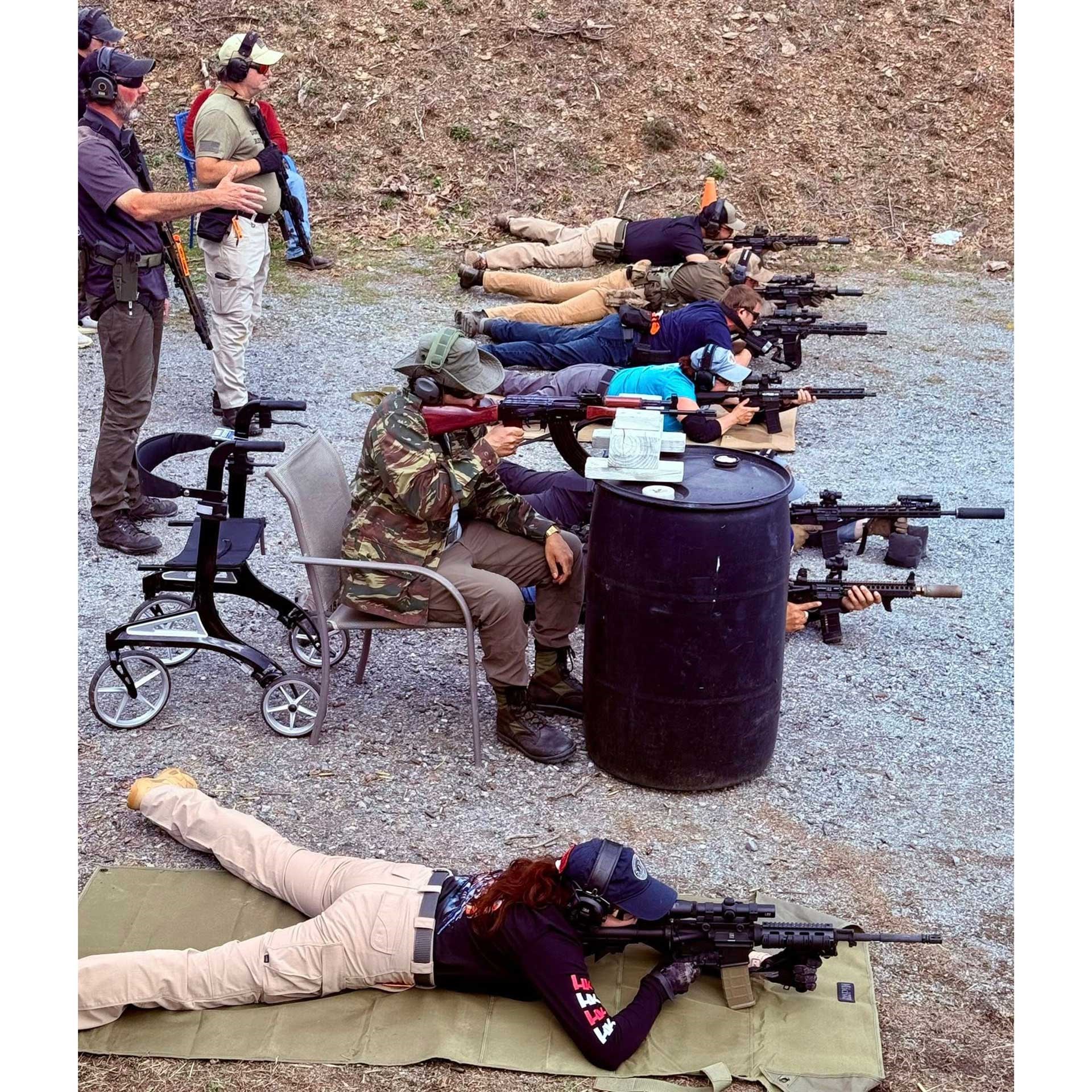
Four instructors with a wide variety of backgrounds in competition shooting, law enforcement and the military came together to train more than 60 shooters in advanced rifle techniques. Brian Hill of The Complete Combatant, AJ Zito of Practical Performance, Shane Kerwin of Personal Survival Solutions and Adam Winch of Defenders USA were the cadre for a three-day weekend of high-level training. Beautiful Pickens County Sportsmen’s Club in Jasper, Ga., was the venue for the event.
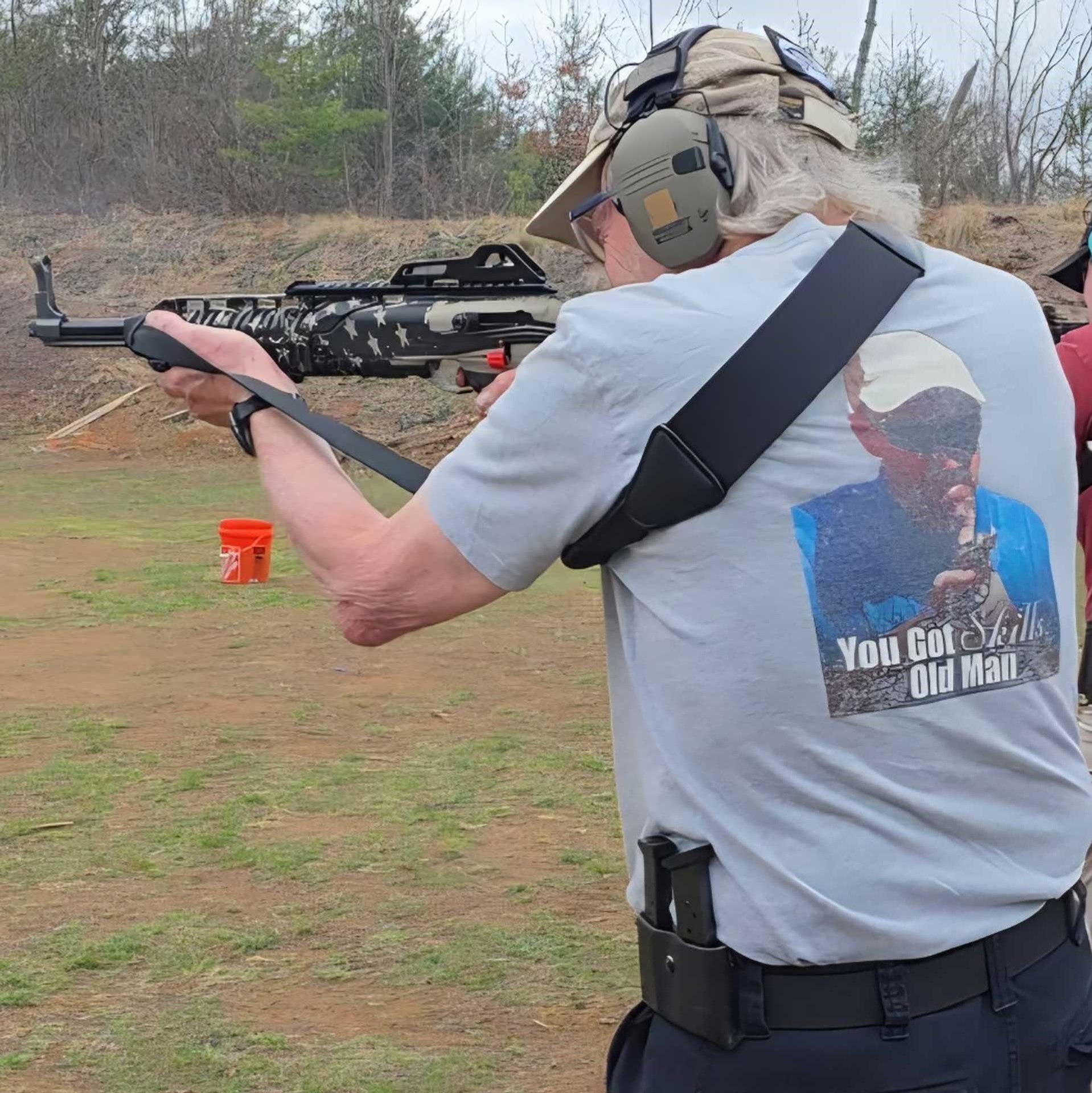
More than 60 shooters came from 14 states to attend. Almost 25 percent were women, and there were mobility-challenged shooters as well. Most participants shot AR-pattern rifles in 5.56 NATO. There were a few pistol-caliber carbines and one Ruger 10/22. As an experiment, this author chose to purchase and shoot a Hi-Point 995 9 mm carbine.
The shooters were divided into four groups, with each group training with one instructor for half a day. Then the groups rotated so that, over the course of the first two days, each group worked with every instructor. On the third day, the shooters attended a lecture about equipment selection in the morning and then again rotated through a series of final skill challenges in the afternoon.
The Hi-Point 995 held its own in the company of the AR rifles. It proved to be more than adequate in terms of accuracy and gunhandling capability. Two upgrades were added to increase its performance; a supplemental addition to the safety and a more appropriate sling.
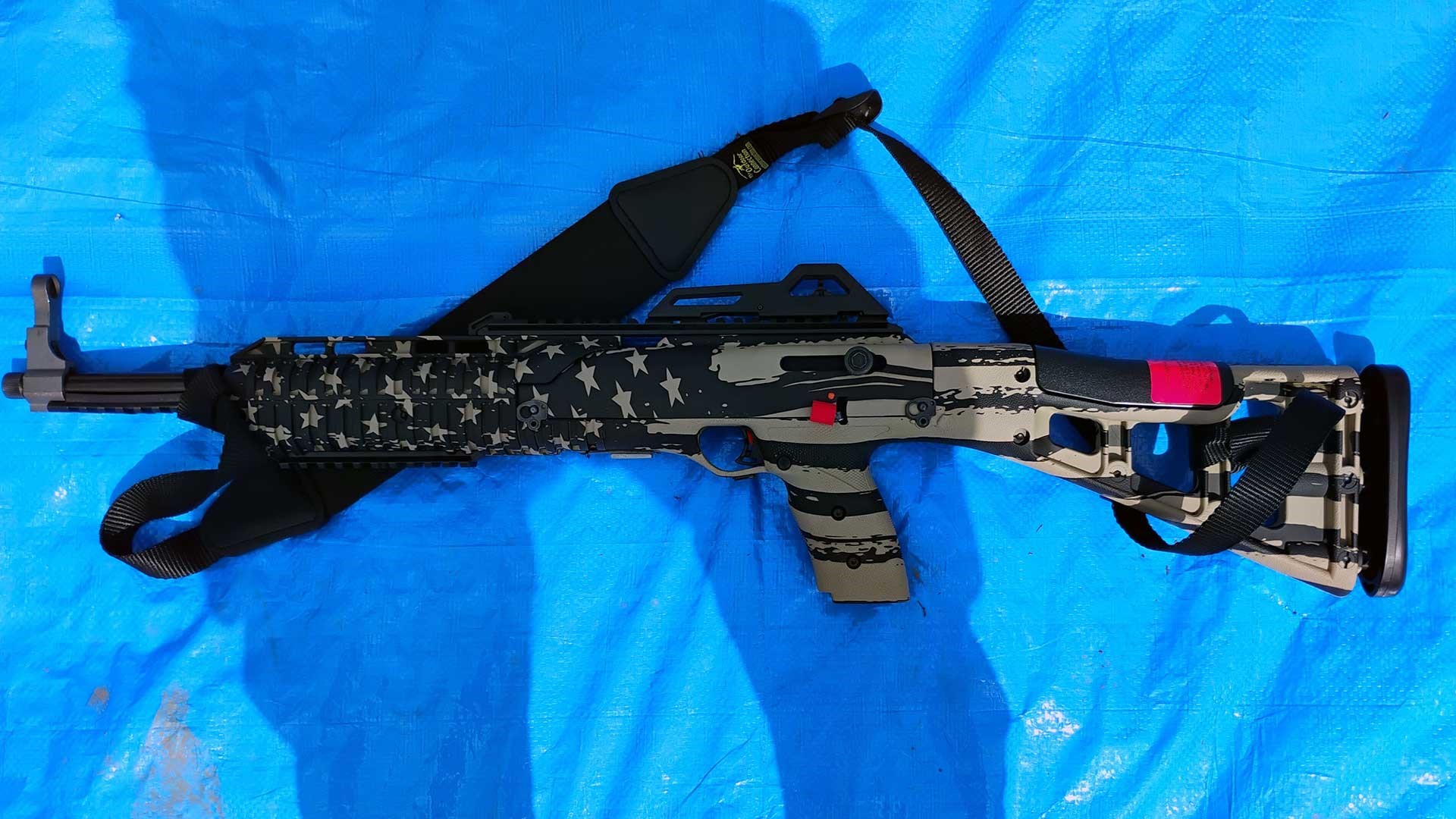
Making the safety easier and quicker to manipulate was the reason for adding to the safety enlargement button. Since much of the weekend’s work was done from a hanging sling, the simple strap sling included with the carbine was replaced by a padded and end looped sling that was much more suitable for the event’s activities. A 1911 magazine pouch served to hold spare magazines.
The iron peep sights of the carbine worked well enough to shoot a 2-inch group at 50 yards. The rear sight did need to be set all the way to the right, but that position was sufficient for the tasks required at the event. The bolt handle and front sight also required Loctite, as mentioned in the carbine’s instruction manual. A baseball bat bag was a convenient and low profile way to transport the carbine in.
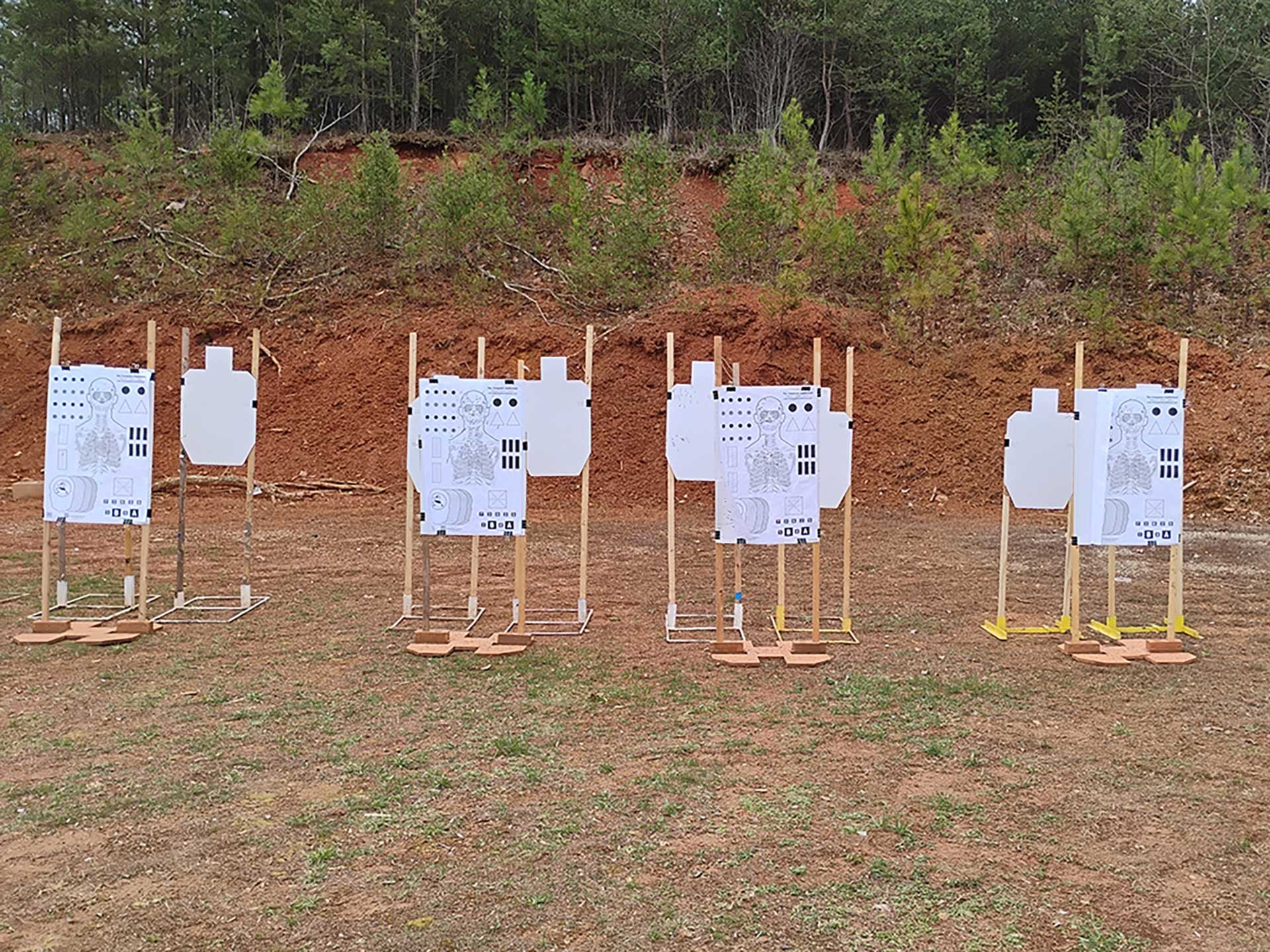
The distances of the training ranged from 15 to 50 yards, with varying levels of accuracy and shot placement required. Some of the targets were silhouettes and others were bullseyes. Having a variety of targets and desired points of impact kept the training interesting and challenging. During one session, shooters were introduced to the concept of a "dirty background," meaning having to adjust their positions to engage a target in between non-threat silhouettes.
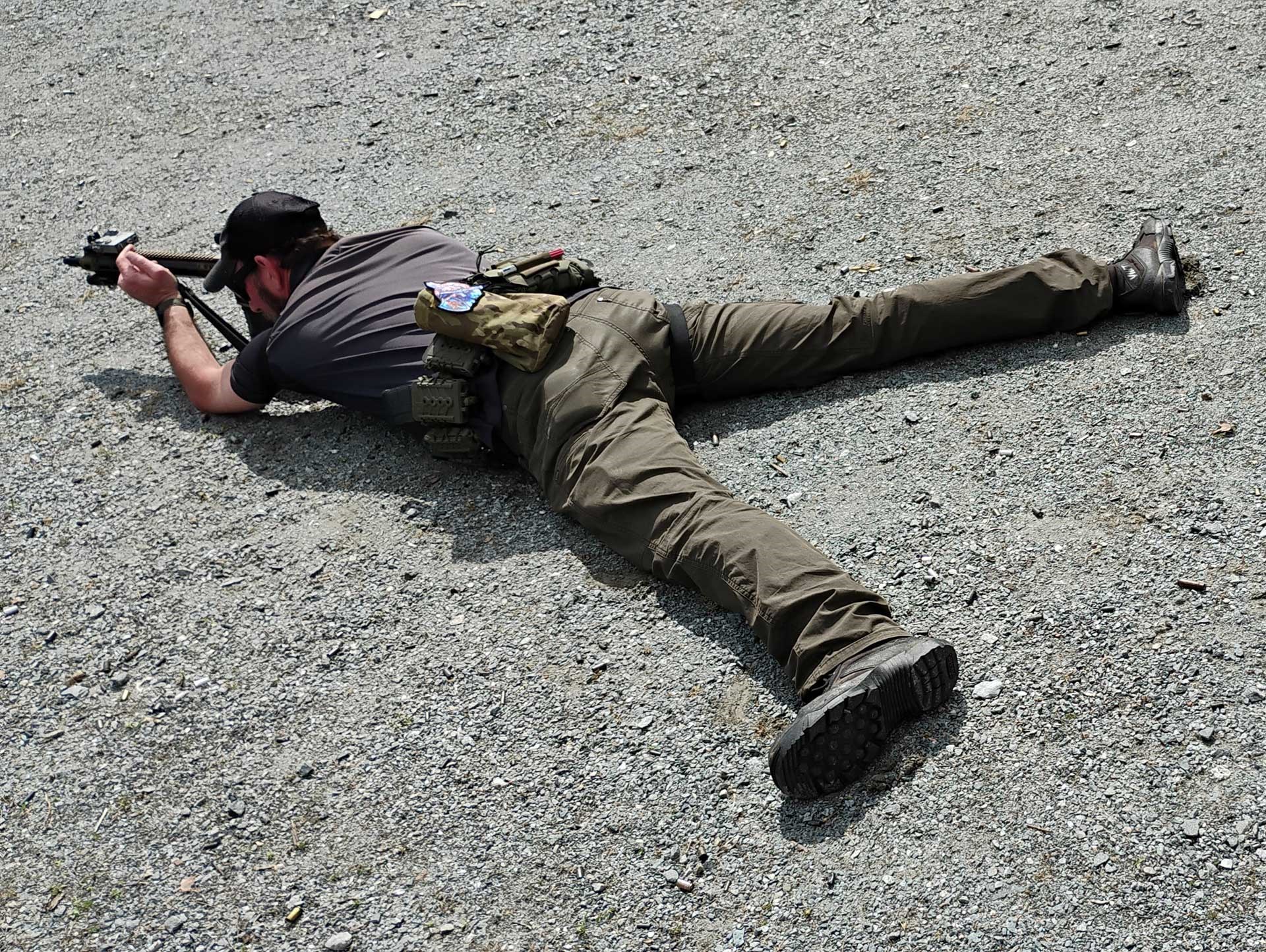
Traditional positional shooting (standing, kneeling and prone) was the emphasis of one session. Non‑traditional positions, such as shooting on one’s back, was the emphasis of another session. During what was called a “Flow Drill,” various non-traditional positions were alternated while being timed. All of the sessions reiterated the importance of a weight-forward stance to help control muzzle rise during rapid shot strings.
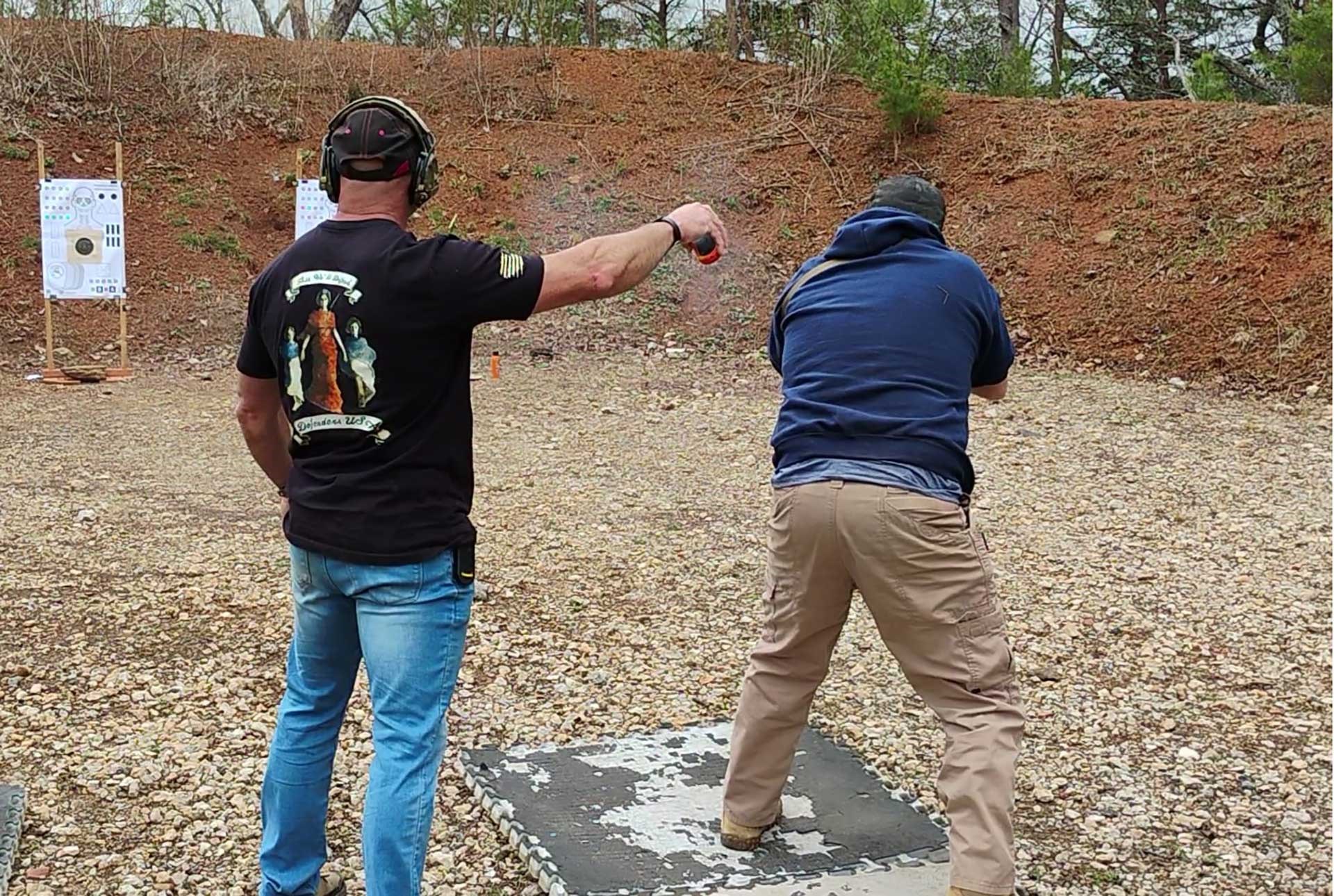
Sunday’s skill challenges were graded and timed. One required engaging a target with a dirty background. Another was a multi-distance traditional shooting position test. A third was a timed Flow Drill. The fourth was a challenging shoot, reload, shoot exercise. The challenges were designed to test the shooters’ abilities to put their training into action on the clock. The idea was not to pass or fail but rather to allow a shooter to evaluate where their skill level was for further practice. Every attendee received a copy of the challenges by email after the event so they could practice on their own.
The United States had, at its core, the value of being a nation of riflemen. Ever since the American Revolution, we have endeavored to keep this tradition alive. The 2026 Rifle Renaissance was a valuable continuation to maintaining a uniquely American custom.
Most Popular