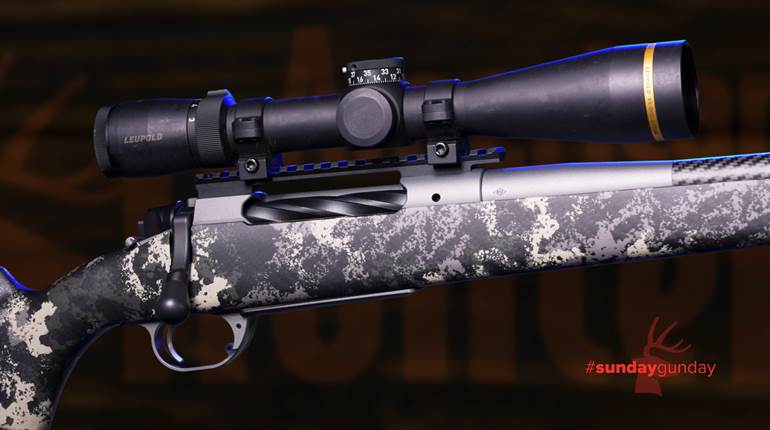
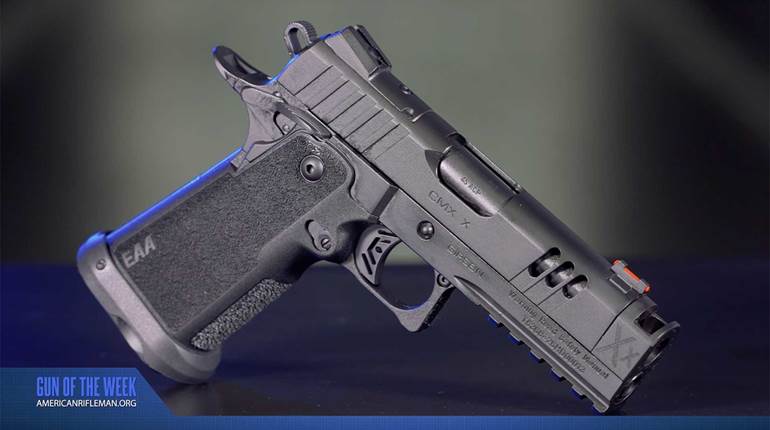
Subsonic ammunition produces muzzle velocities slower than the speed of sound. This eliminates the harsh supersonic crack you hear with standard-velocity ammunition. But, the speed of sound is not a constant; it varies due to air temperature, humidity and altitude. Additionally, at subsonic velocities, bullets can struggle to deform, upset or expand—as some like to call it—after impact. Finally, with semi-automatic rifles and handguns, you might see reliability issues.
You can safely shoot supersonic ammunition from a suppressed firearm and still experience substantial noise reduction, in most cases below 140 decibels (dB), which is what OSHA considers hearing-safe. And from a terminal-performance standpoint, there are no issues when shooting supersonic ammo through a suppressor. With subsonic ammunition, suppressed shooting can be very quiet, as low as 70 dB. However, there are some things you need to know.
Subsonic Velocities
At sea level, the speed of sound is about 1,087 fps when the temperature is at 32 degrees Fahrenheit. However, the speed of sound increases with temperature. At 68 degrees Fahrenheit, the speed of sound is about 1,125 fps.
Humidity also increases the speed of sound. If you increase the humidity from 0 to 75 percent at sea level and shoot at 68 degrees Fahrenheit, the speed of sound would increase to about 1,128 fps. But, at higher altitudes, sound travels slower. Given 32 degrees Fahrenheit and 0 percent humidity in Denver, Colo., the speed of sound would be about 1,086 fps.
Velocity consistency and barrel length come into play, too. It’s not unusual for some loads to have an extreme velocity variation of as much as 50 fps. Also, if your gun barrel is longer or shorter than the barrel used to establish the velocity of the subsonic ammo, you could see faster or slower velocities. The .22 LR is a perfect example, because a rifle chambered in .22 LR will develop its maximum velocity with a barrel about 16 inches long. With shorter or longer barrels, the muzzle velocity will be slower. And finally, some barrels just produce faster or slower velocities than others.
For all these reasons, ammunition manufacturers generally load subsonic ammo to between 1,000 and 1,050 fps. These velocities will generally be slower than the speed of sound in any atmospheric condition, at any practical elevation and out of most firearms. But, this also explains why sometimes, with some subsonic loads in some guns, you might experience some shots that are supersonic—just above the speed of sound.
Subsonic Terminal Performance
Most self-defense pistol loads still deliver good terminal performance at subsonic velocities. In fact, many pistol loads operate at subsonic velocities. Where terminal performance can become tricky with subsonic ammo is with rifle cartridges, because some subsonic rifle loads do not use bullets designed to upset at subsonic velocities.
For example, a lot of subsonic loads—like Winchester’s excellent Super Suppressed loads—utilize hollowpoint or open-tip bullets. Both are generally considered to be “expanding” bullets, but at subsonic velocities, they’re not. (Winchester Super Suppressed loads say “Range” right on the box and that is where they should be used.) If you’re going to use subsonic rifle ammo for hunting or self-defense, make sure you choose the right load.
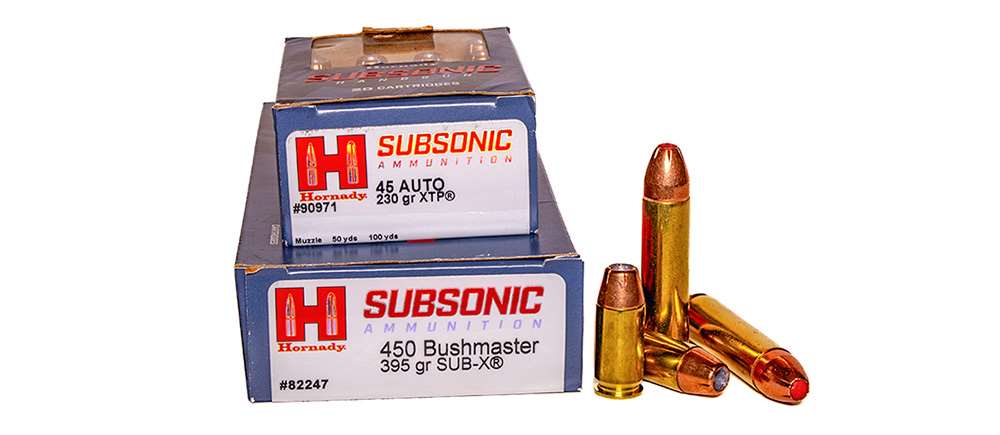
Federal just introduced a new line of subsonic ammo for rifles that’s loaded with bullets that will upset at subsonic velocities. They’re available in .300 BLK, .308 Win., .30-30 Win. and .45-’70 Govt. The bullets Hornady uses in its Subsonic ammo line will also upset at subsonic velocities. They’re available for the same cartridges, plus 7.62x39 mm, 338 ARC, 350 Legend and .450 Bushmaster. Most subsonic hunting and self-defense rifle loads utilize lead-core bullets, but for a lead-free option, Lehigh Defense offers several subsonic .300 BLK loads for hunting and protection.
Of course, you can always load your own, and subsonic load data is available at hodgdonreloading.com. But, you must still pay special attention to the bullets you use, because most rifle bullets need to impact at more than 1,600 fps to show meaningful upset. For those crafting their own subsonic ammunition, Hornady’s Sub-X and Lehigh Defense ME and CF bullets are good options for hunting and self-defense.
Reliability
With semi-automatic rifles and pistols designed to perform with supersonic ammunition, you can sometimes see feeding, extracting and ejecting issues with subsonic ammo—in both suppressed and unsuppressed applications—because subsonic ammo often produces less pressure in the chamber and at the port with gas-impingement rifles. Don’t panic; it’s not unusual. With AR-pattern rifles, this issue can typically be addressed with a gas-block adjustment; with handguns you may need to experiment with different-weight recoil springs.
Most Popular