11/13/2012
In a discussion about personal defense, there are many healthy conversations about guns, ammunition, gear, training, awareness and tactics. What is generally missing is any meaningful consideration of what happens after a defensive encounter.
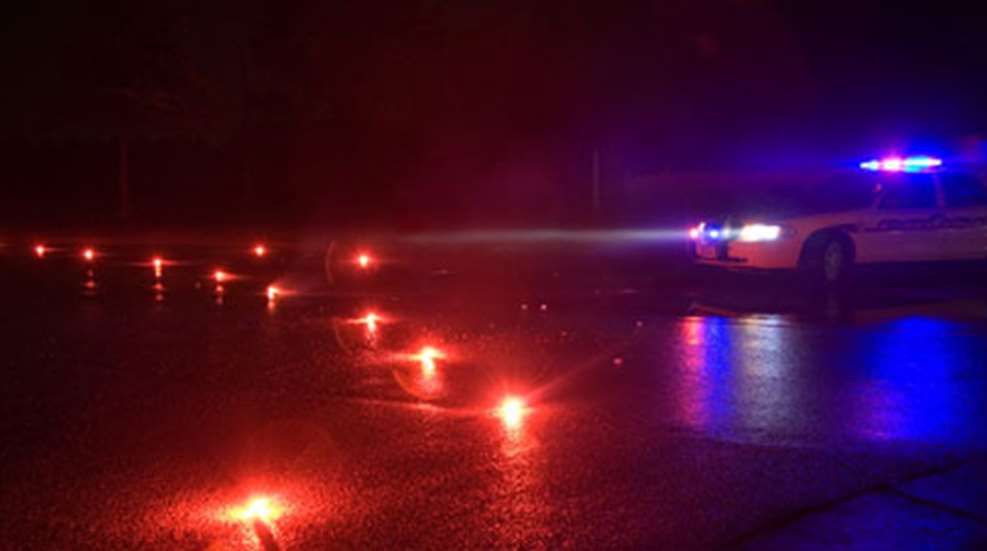
Following a dangerous encounter, whether shots have been fired or not, a person is going to be dealing with an enormous adrenaline rush, with emotions exploding to the surface. He or she may be flip-flopping between reliving what has just happened and trying to decide what should be done next. It can be a very confusing time. And, right in the middle of all of this, the police will be there wanting an explanation.
If at all possible, the armed citizen should not have a gun in hand when the police arrive. That is just a good way to get shot. Instead, if things have become peaceful in the immediate area, the gun should be holstered or placed in plain sight some distance away. If it is not possible to restore peace to the immediate area, the armed citizen should get as far away from the action as possible.
The real danger occurs when the armed citizen is holding a criminal at gunpoint. It is a great idea to have friends or relatives notify the police that the crook is on the ground being held by a legally armed citizen. Still, there have been incidents when the police, armed with this information, have arrived at the scene and shot the good guy. For this reason, the best choice may be to let the criminal escape, put the gun out of sight and let the police chase him down once they arrive.
Simply put, having a gun in your hand when the police arrive is an invitation to disaster. You must understand that their adrenaline is also at an increased level and they can't simply look at people and tell who are good guys. The armed citizen must understand this and find a way to deal with it.
Once the attack is over, the citizen should use a cell phone to call 9-1-1. He should identify himself, ask for police response and, if blood has been drawn, an ambulance. It is wise to be as brief as possible in explaining what has occurred. A good example would be, “My name is John Smith. A man just tried to rob me and I shot him. Please send police and EMT to...” It is really not necessary, and may not be advisable, to go into any further detail over the phone.
In fact, there is a good bit of disagreement as to just what and how much a citizen should say to the police about the incident. One school of thought suggests that, if it has been a justifiable shooting, the citizen should cooperate fully and answer any and all questions put to him by police investigators. The problem with this approach is that the person is still under the effects of adrenaline. In this situation, a person may very well get the facts mixed up, or use language or display emotions in front of the police that would not be advisable. And this is at a time when anything that is said or done is admissible in a court of law.
This is one of the reasons that some advise the citizen to exercise his or her Constitutional rights and say nothing. Upon arrival, the police must advise the person of rights before questioning about a possible crime. Advocates of this solution recommend that the citizen respond by not saying anything other than the desire to talk to a lawyer.
The problem with this approach is that the citizen should expect to be immediately handcuffed, transported to jail and locked in a cell. It may be hours before a lawyer becomes available. And, in the meantime, criminal charges may well be filed.
Another solution often offered is for the citizen to provide proper identification to the officers. After being warned of his rights, the citizen makes a very brief verbal statement, “That man tried to rob me and put me in fear of losing my life. I had to shoot him. I will be happy to talk to you at length about what has just happened, but I want my lawyer to be present when I do that.” The citizen then shuts up until conferring with a lawyer.
Not being an attorney, I won't pretend to explain the proper avenue in dealing with the police after a dangerous criminal encounter. Instead, I will strongly suggest that citizens obtain professional legal advice before carrying a defensive handgun. Legal training is just as important as training on the shooting range, maybe more so.
Also, the armed citizen should not get legal advice from just any lawyer. A real estate attorney really doesn't know much about criminal law. The citizen should seek out a criminal defense attorney, one who has a good reputation for dealing with criminal cases. This is the person who knows how the system works in that immediate area. He or she knows the investigating officers and the prosecuting attorney. This is the sort of lawyer who will know the best way to proceed.
Now lawyers rarely work for free and that their services don't come cheap. Ideally, one would make an appointment with such an attorney and pay for a consultation. Listen to what the lawyer says about your defensive, the business of talking to the police and what to expect from the judicial system in the area.
If the expense of going one-on-one with a criminal defense attorney will put a strain on the family budget, consider forming a small group to meet with the lawyer and share the expense. Paying a lawyer to come to your local gun club and give advice is also a good idea.
Honest citizens should always be willing to cooperate with the police, but you should be sure that your emotions and confused state of mind do not cause problems. In short, you need someone sitting beside you who can calm you, help you answer questions properly and who knows how the system works.
Getting proper legal advice is just as important as getting training on the range. And both should be done before you ever holster that defensive handgun. It's just the smart thing to do.
Most Popular