Immediately following the end of World War I, the dissolution of the Austro-Hungarian Empire led to the rise of several new nations, one of which was Czechoslovakia. The new nation needed to equip its new army, and one of its priorities was to select a service sidearm, which ultimately became the vz.27. Watch our "American Rifleman Television: I Have This Old Gun" segment above to hear the story of how the Czechs selected this particular design.
"One of the, you know, lower-echelon priorities is having a service sidearm. But they do start working toward this," American Rifleman Executive Editor Evan Brune said. "They hold a little bit of a trial, and there are a few notable names that participate in this. Vaclav Holek, who of course invents the ZB 26, the greatest light machine gun of the age, he participates in this trial, but ultimately they go with a design from the Zbrojovka Praha factory, and this is termed the vz.22."
The vz.22 was a full-size service sidearm chambered for the popular 9mm Luger cartridge, but after some experience with this gun, Czech military planners decided that, for a sidearm, a lower-powered cartridge would suffice. This led to the shrinking of both the handgun and the cartridge for which it was chambered.
"This is the gun that ultimately gets adopted into Czech service as the vz. or vzor 24, so the model of 1924, in .380 ACP," Brune said. "They produced some number of these, but they decide that they need something else that's a little smaller, a little more compact for primarily police use is what they're envisioning these for. And they're looking at the 7.65 Browning or the .32 ACP."
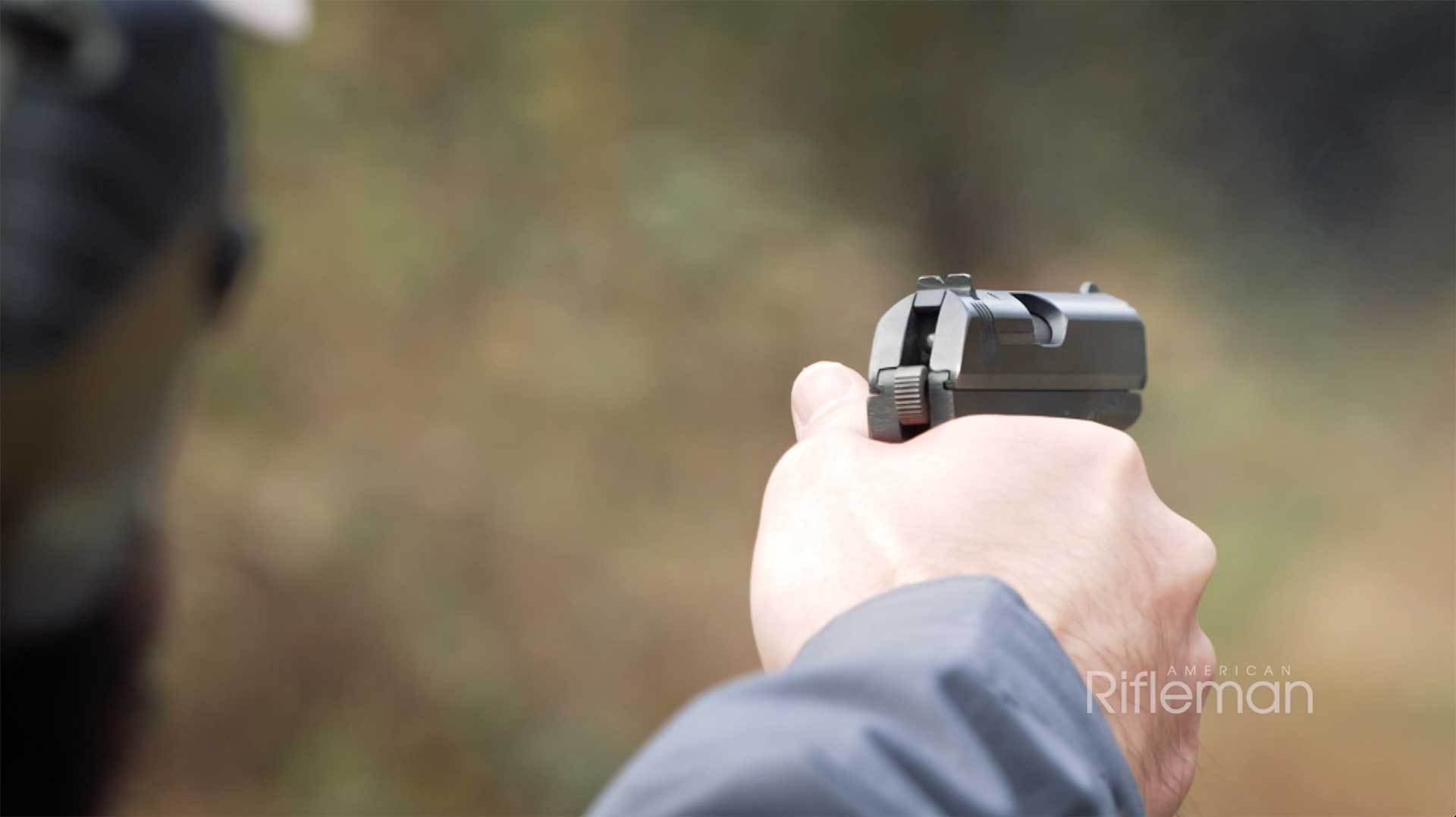
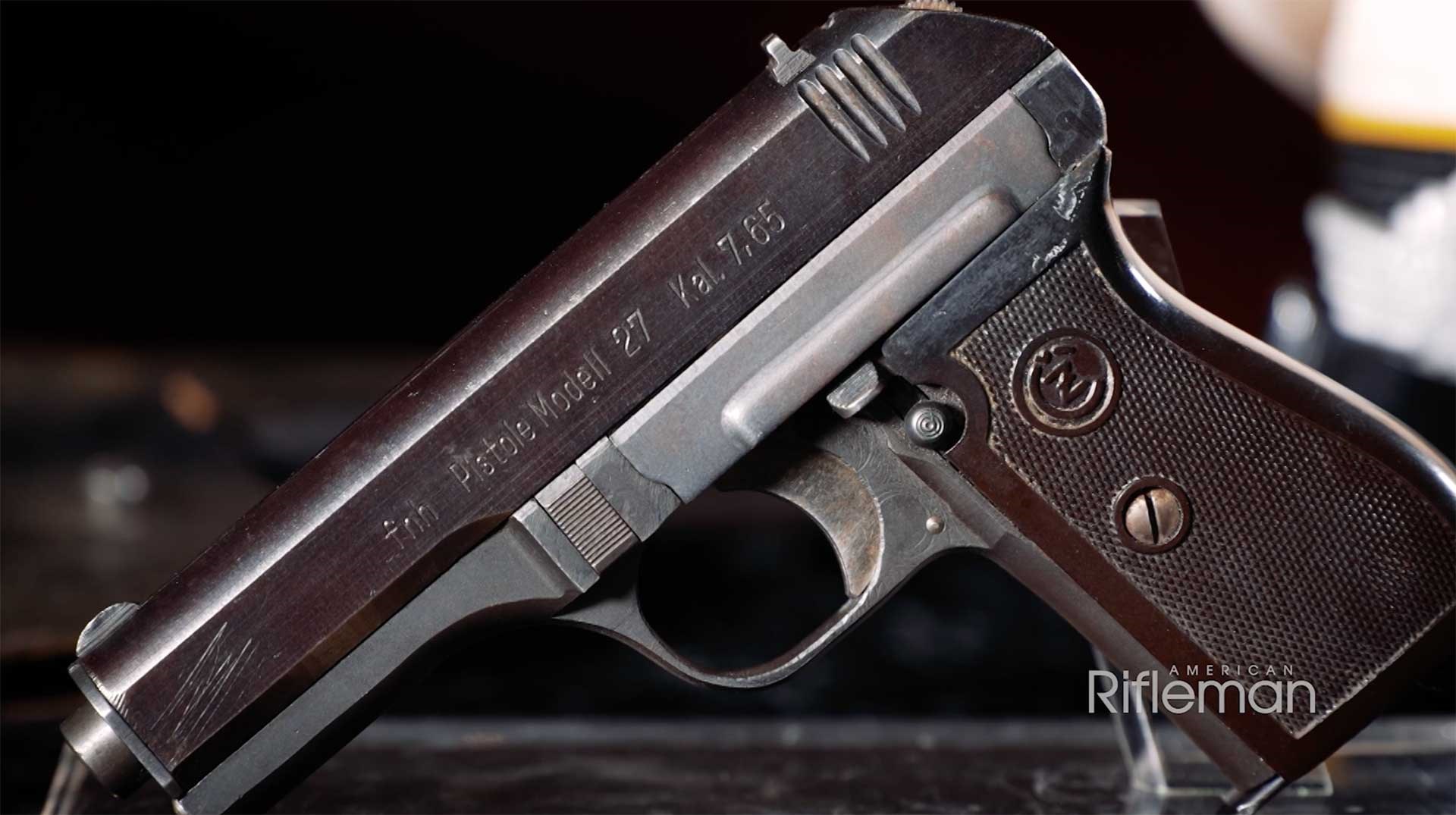
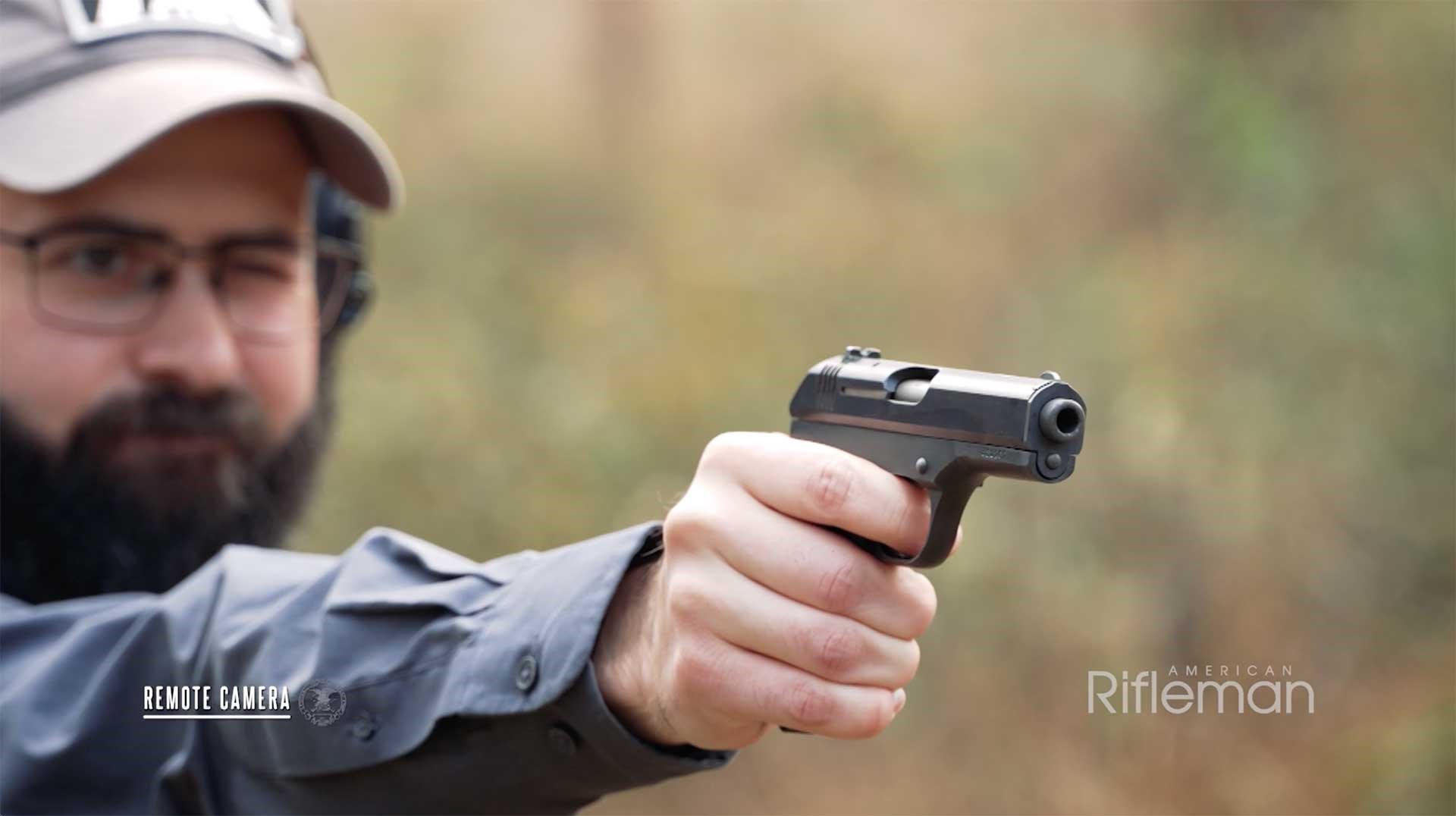
Ultimately, by 1927, the Czechs develop a smaller, .32 ACP-chambered, semi-automatic pistol for military and police use that is designated the vz.27. The single-action, hammer-fired design used a nine-round detachable box magazine secured with a typical European-style heel release. On the left side of the gun, a lever allowed users to put the gun on Safe, and depressing the push-button just below the lever allowed the pistol to fire.
"The gun itself is, it's kind of an odd, strange-looking gun," Brune said. "The Czechs sort of have this habit of making esoteric-looking semi-autos, you know, it's kind of got this, you know, sort of curved rear end of the slide. It's a somewhat shrouded external-hammer-fired gun. You can actually see the hammer spur there, but it's not prominent like it is on so many other interwar semi-autos."
To watch complete segments of past episodes of American Rifleman TV, go to americanrifleman.org/videos/artv. For all-new episodes of ARTV, tune in Wednesday nights to Outdoor Channel 8:30 p.m. and 11:30 p.m. EST.