Unlicensed copies of the Browning Hi-Power Have been made all across the world to varying degrees of quality, with many not completely measuring up to originals made by Fabrique Nationale. However, those made by Argentina and used by its military are a different story entirely, and have a direct connection to FN. They are known as the FM FAP.
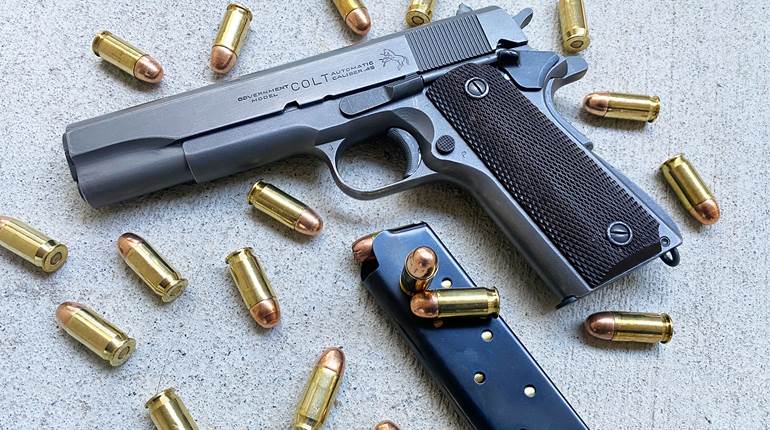
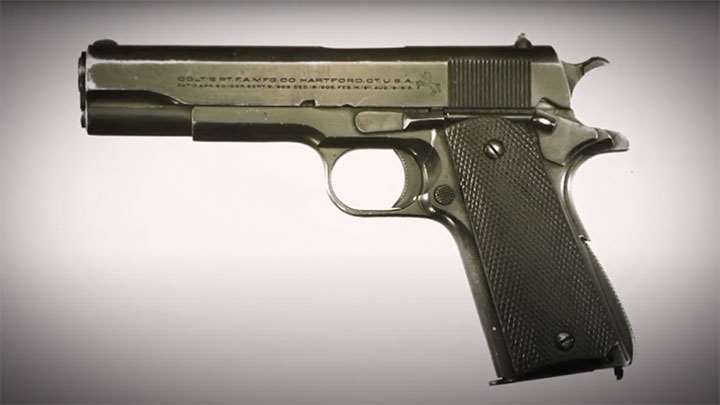
During the 20th century in Argentina, the nation made some interesting selections on which firearms to adopt for its military, with particular emphasis on John Moses Browning designs for sidearms. Up until the 1970s, the Argentinians issued their forces with a licensed copy of the Colt M1911A1 chambered in .45 ACP known as the Model 1927, or S27. It was at that time in the 1970s that the Argentinians began to look at new designs to replace the aging S27.
The Argentinians looked to another popular Browning handgun design which was possibly the finest military pistol at that time, the Browning Hi-Power. The Hi-Power offered the improvements that Argentina sought in a new sidearm for its military, including 9 mm chambering and a staggard-column magazine. The design was single action only and ergonomically excellent.
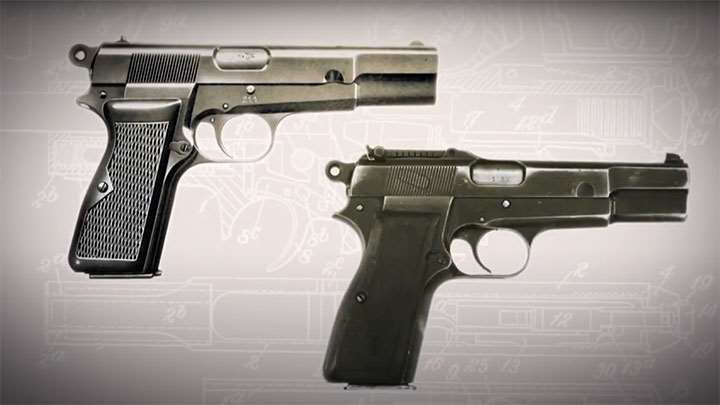
The Argentinians realized the potential and success of the Hi-Power design, and thus sought to quire their own for their new service pistol. At first, Argentina bought some Hi-Powers from FN, before then deciding to make it themselves under license from FN. Around 1969, a factory was set up to produce the handguns. This factory was unique in that not only were the pistols it was producing faithful licensed copies, but FN had a direct hand in setting up and equipping the new factory. The tools used in the factory were supplied directly from FN. Engineers and technicians from FN also helped plan the layout of the factory.
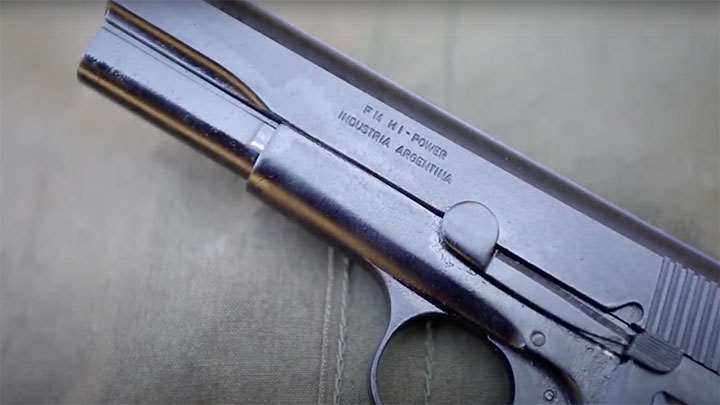
The result of the direct involvement of FN in supplying and setting up the Argentine factory were Hi-Power copies that were of notable quality compared to others. The Argentine FM FAP has the same build characteristics, features, and reliable function of the FN produced guns of the same era. In many cases the build quality is so exact that the only way to easily tell if a Hi-Power is of Belgian or Argentinian manufacture is based off the manufacturer’s markings.

Another unique feature of the FN FAP’s production was that modifications of the design closely followed any design modifications made by FN. Under the terms of the license, if the Belgians made a change the Argentinians would make a similar change. As a result, the characteristics of FM FAP handguns closely followed those found on FN produced Hi-Powers from each era of production.

One thing that the Argentinians did that was not in sync with the Belgians was the development of a smaller detective version. These detective versions of the FM FAP were simply bobbed, with length removed from the barrel and grip to reduce the overall size. Everything else about the design remained basically the same except for different configurations used by different importers to the United States market.

After the end of the Falklands War in mid 1982, the circumstances of the Argentinian defeat resulted in the collapse of the Argentinian military leadership. This in turn resulted in economic upheaval in Argentina, creating a need for new forms of revenue. They turned to their domestically produced firearms as part of the answer for the revenue question, in particular the products of the arms factory in Rosario.
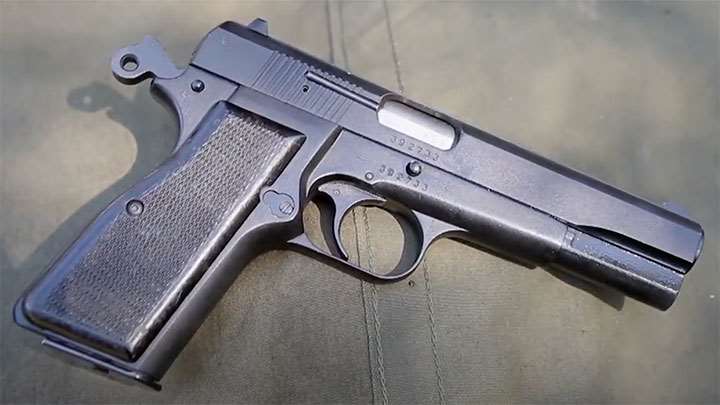
Argentina decided to sell the products of the state-run factory, which included rifles, handguns and ammunition, to the United States civilian firearms market. The U.S. market welcomed the Argentinian products which became popular in some circles. It was at this time that Argentina began offering an export sales version of the FN FAP handgun, known as the M90. For the most part, these M90 handguns were surplus FM FAP handguns that were overhauled, given a new coat of paint and had different grips installed before being sent to the U.S. market.
To watch complete segments of past episodes of American Rifleman TV, go to americanrifleman.org/artv. For all-new episodes of ARTV, tune in Wednesday nights to Outdoor Channel 8:30 p.m. and 11:30 p.m. EST.