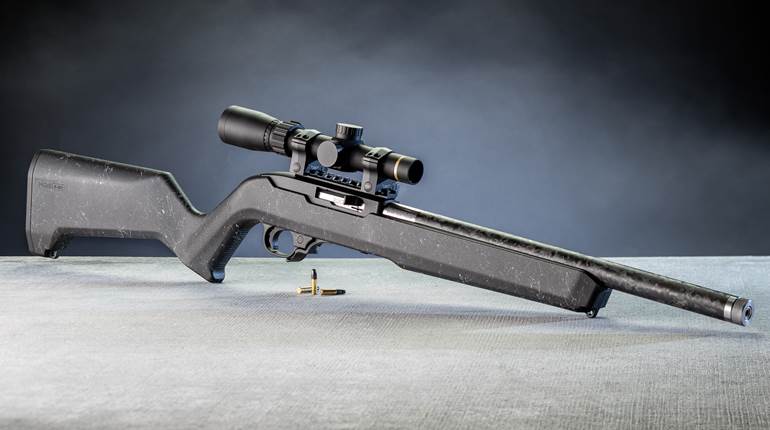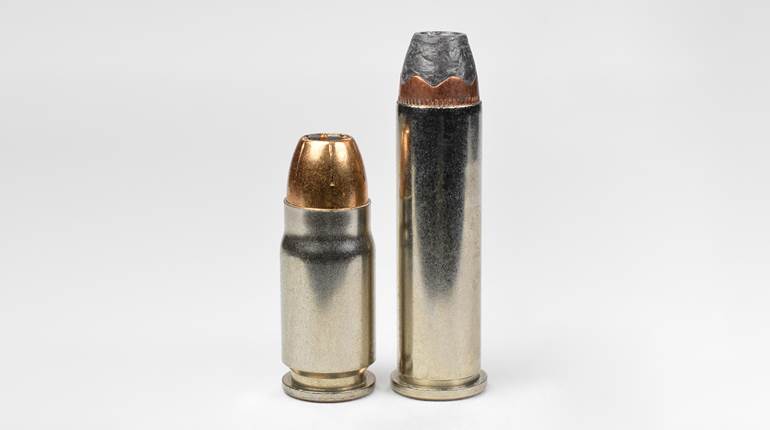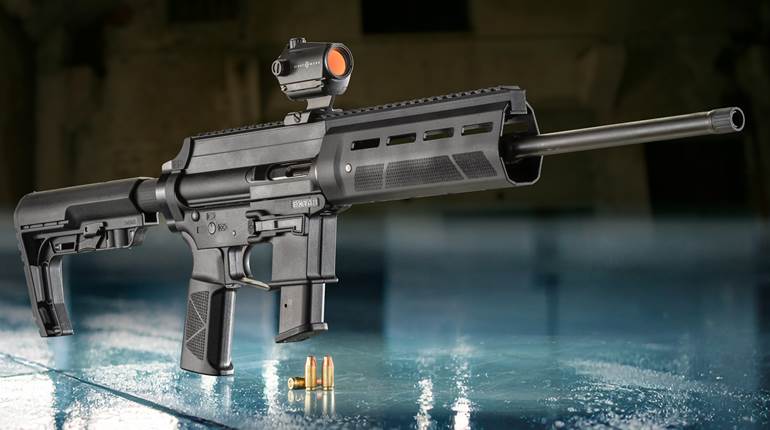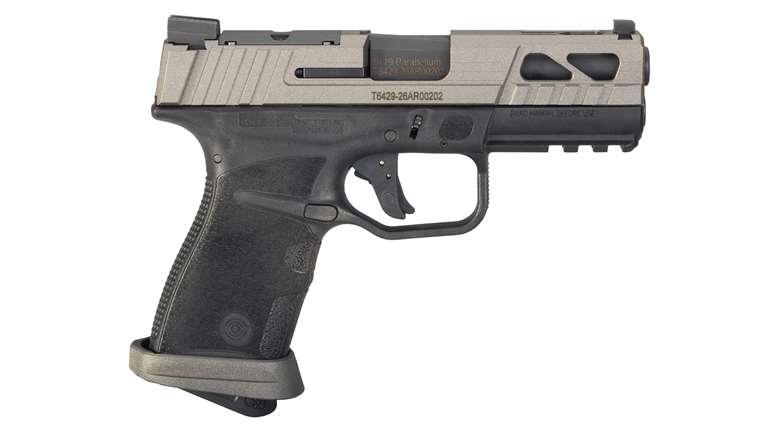
Introduced in 2012, TNW Firearms’ Aero Survival Rifle (ASR) was originally designed as an emergency survival tool for pilots forced to land in wilderness areas. However, this takedown-capable platform has steadily gained a following among outdoor enthusiasts looking for rugged, reliable pistol-caliber carbines with removable barrels for easy storage and transport. The ASR, along with the more compact pistol version (ASP), also provides the flexibility of convertible chamberings. The company offers a variety of receiver color options along with a selection of rimfire and pistol-cartridge conversion kits including .22 Long Rifle, 9 mm Luger, .357 SIG, .40 S&W, 10 mm Auto, .45 ACP and .460 Rowland. An ASR chambered in .357 SIG, with an OD green anodized finish, is the subject of the following review.
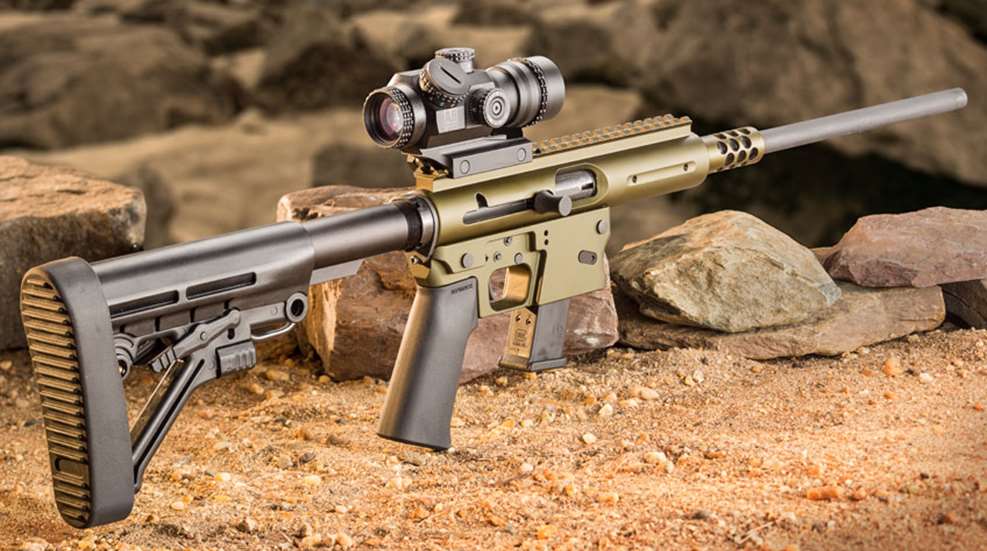
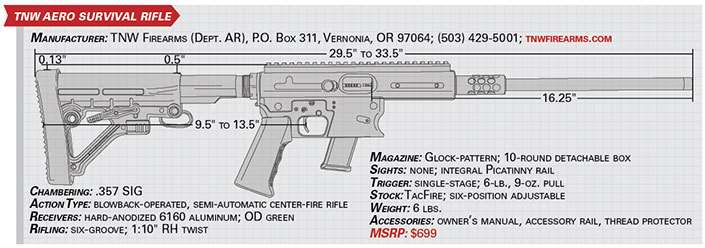
The ASR is a blowback-operated semi-automatic with a simple, rugged design that is reliable in harsh environments. The tubular upper receiver is milled from a single piece of 6160 aircraft-grade aluminum to support the barrel, action and receiver extension. The lower receiver houses the trigger group and magazine well. The receivers are locked together by two removable pins, much like an AR-15. The six-position receiver extension, adjustable shoulder stock and removable pistol grip are also AR-compatible in order to take advantage of the wide variety of accessories currently available on the market.
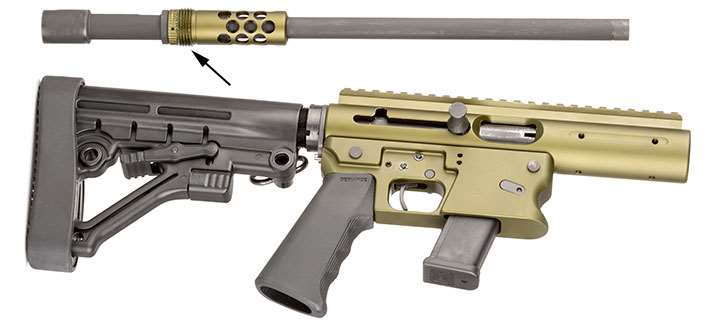
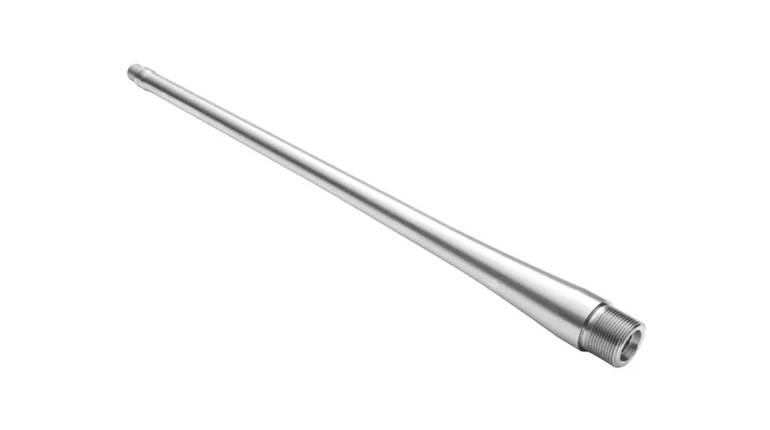
The 16.25" Parkerized 4140 steel barrel is secured to the receiver using a 3.32" ventilated aluminum barrel nut that is anodized to match the rest of the rifle’s finish. A few twists of the nut allows the barrel to be lifted out of the receiver for storage or cleaning. In the case of the .357 SIG barrel, the traditional land-and-groove rifling is cut at a 1:10" right-hand twist, and the muzzle is threaded 9/16x24 TPI. A thread protector is provided. The upper receiver is topped with an integral 9.5" M1913 Picatinny optics rail. Attachment points are drilled and tapped at the 3-, 6- and 9-o’clock positions, just behind the barrel nut, to accept the 3.5" aluminum accessory rail that ships with the gun.
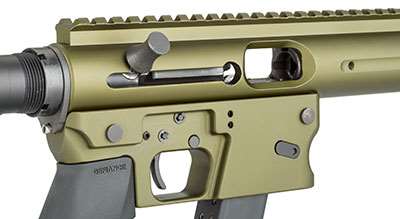
The steel bolt assembly is just over a pound of the rifle’s total 6-lb. weight. A reciprocating charging handle is located in a channel on the right side of the receiver. A notch cutout at the rear of the channel allows the bolt handle to be pulled back and manually rotated up into a locked open position. However, the bolt does not automatically lock open when the last round in a magazine is fired. The bolt can be reconfigured to allow for left-side ejection, and a second ejection port on the left side of the receiver facilitates this.
At the rear of the upper receiver, the commercial-size, matte-black, six-position aluminum receiver extension is secured by an AR-15-style castle nut with a modified endplate that is locked in place by a roll pin mounted to the lower receiver. The TacFire AR-15 shoulder stock allows for an adjustable length of pull ranging from 9.5" to 13.5". The stock features a textured buttplate, a single-point sling attachment port and four steel-lined QD sling swivel ports—two in front, two in back.
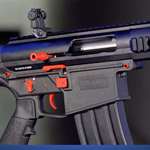
The milled one-piece lower receiver features all-steel controls, including the left-side-mounted magazine release button, the cross-bolt safety and the smooth-faced trigger. The magazine well is curved along its front edge to provide a finger rest. The single-stage trigger provides a clean break and a short travel distance of 0.3" before stopping against the interior of the trigger guard. Our test gun’s trigger was on the heavy side for this model, requiring 6 lbs., 9 ozs., of pull to cycle.
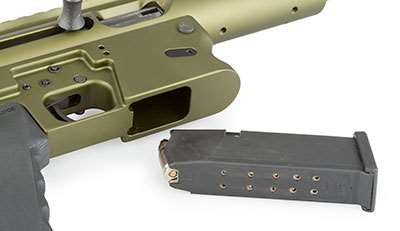
As of this writing, lower receivers are available with three different magazine well configurations designed to support the company’s various cartridge conversions. The “small” well accepts Gen3 and Gen4 Glock magazines for 9 mm Luger, .357 SIG and .40 S&W models. The “large” well accepts Glock 10 mm Auto, .45 ACP or .460 Rowland magazines, while the rimfire lower is sized for Remington 597 rifle magazines. Conversions within a particular lower’s magazine size range can be accomplished with just a bolt, barrel and magazine change. Moving between the well sizes will require the use of an additional lower assembly.
The ASR was fired with a variety of .357 SIG loads, with bullet weights ranging from 80 grs. to 135 grs. using Glock factory magazines. The rifle operated reliably throughout the testing process without any mechanical or ammunition-related failures or malfunctions. Because most of this long gun’s weight rests directly above or just in front of the trigger, it handles and swings more comfortably than one might expect. The degree of felt recoil produced by this chambering and platform combination was quite manageable, making it a suitable option even for the recoil averse. Accuracy was quite adequate for a pistol-caliber carbine intended to be used at short range.
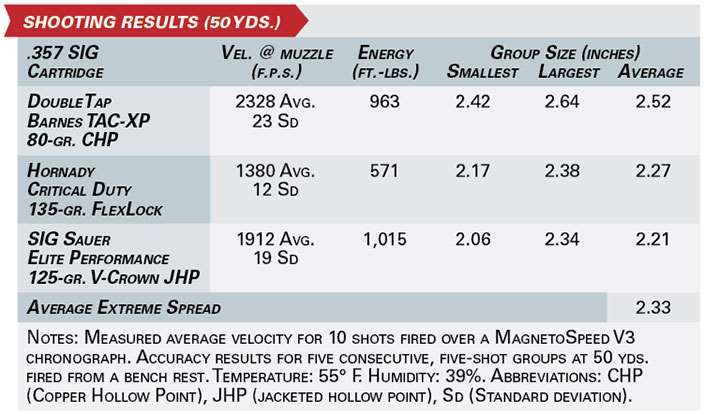
The .357 SIG cartridge was designed to be a relatively high-velocity chambering when fired from standard pistol-length barrels—as was expected, use in a 16" carbine resulted in significantly increased velocities. Compared to the manufacturers’ listed pistol velocities: Hornady’s 135-gr. Critical Duty load gained 155 f.p.s.; SIG Sauer’s 125-gr. round increased 427 f.p.s.; and the DoubleTap 80-gr. bullet gained an impressive 628 f.p.s.
The American-made TNW Aero Survival Rifle proved to be a well-made, reliable, lightweight takedown rifle ideal as a pistol-caliber emergency survival gun. It also makes a solid target shooting, plinking and Glock-compatible home-defense option as well, made even more flexible by the ease with which its chambering can be converted.
Most Popular