In September 1944, Allied forces in Europe launched a large-scale operation into the German-occupied Netherlands. Codenamed “Market Garden,” the goal of the operation was to create an opening in German defenses in the occupied nation and secure a route for Allied advances through the Netherlands, over the Rhine River, and into Germany itself. It was hoped that, if successful, the operation would allow for a faster end to the war in Europe. The operation called for the use of massed airborne infantry to secure key points behind enemy lines, including bridges and roadways, ahead of the advance of Allied ground forces in a fashion similar to the airborne operations ahead of the D-Day landings.
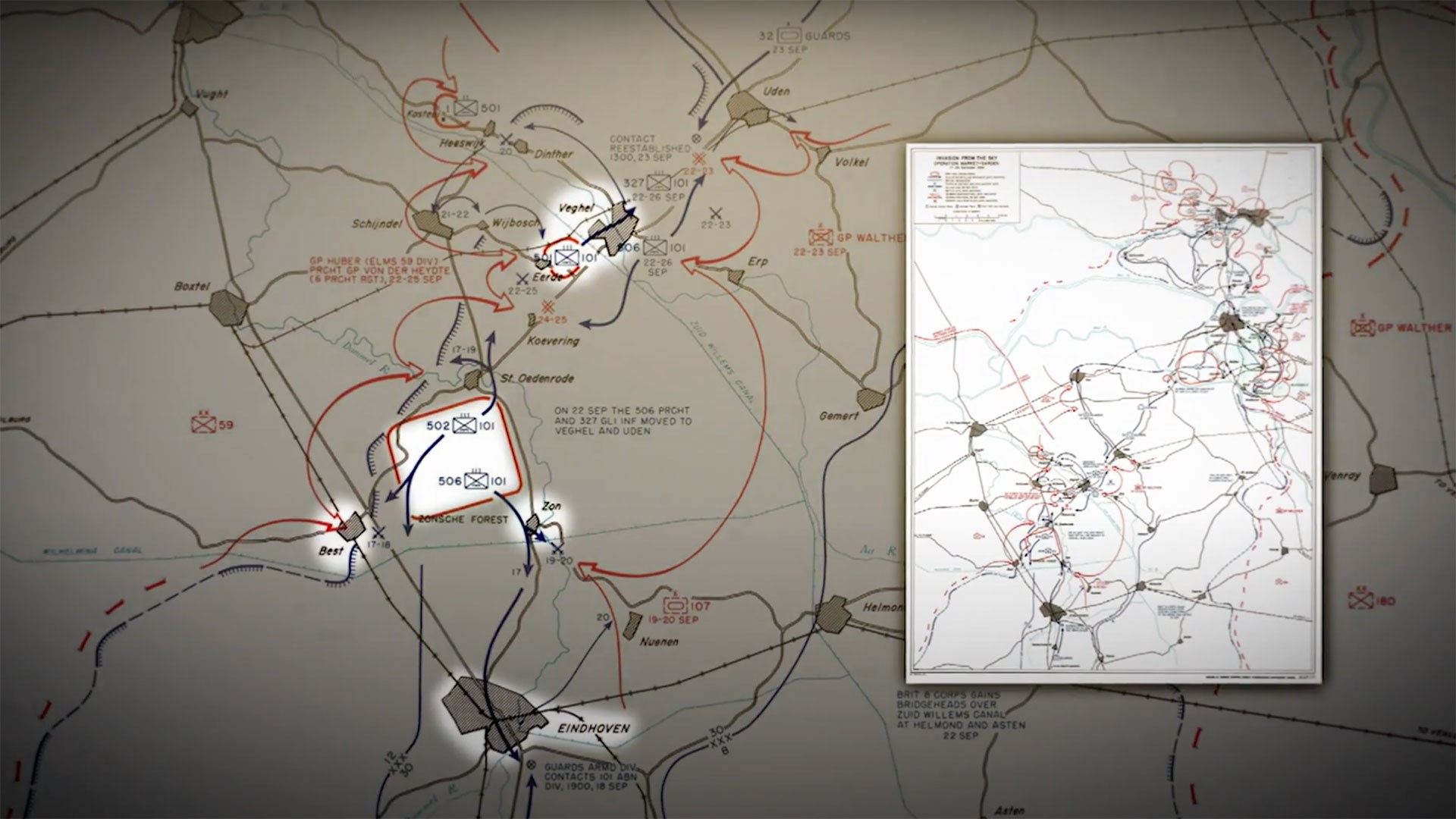
However, the scale of this airborne operation was much larger than D-Day and involved twice as many airborne units. This included the use of large numbers of C-47 “Skytrain” transport aircraft, along with the use of towed gliders that would land with more equipment. The operation was suggested and pushed by Field Marshal Sir Bernard Montgomery, despite the hesitancy of Supreme Allied Commander Dwight D. Eisenhower. Yet, Eisenhower wished to keep German forces on the defensive, and the operation promised to do just that. It was given a limited priority for logistical support from American commanders, with British-sourced food and other supplies being relied upon by the American airborne.
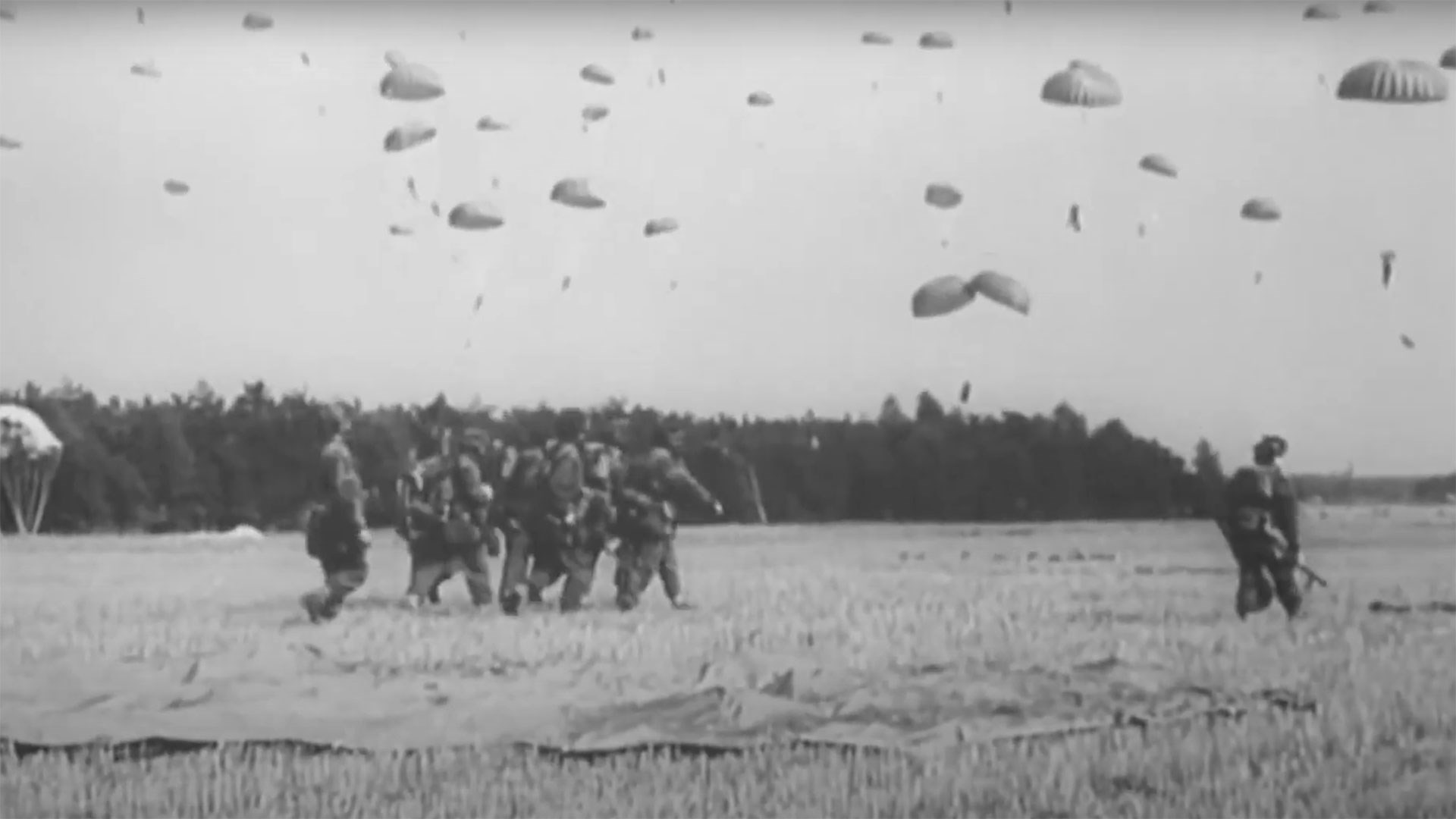
Like the pre-landing air operations on D-Day, the American paratrooper element consisted of the 82nd and 101st airborne divisions. With them, they brought a variety of weapons to combat the German forces they would encounter, from the M1 Garand and M1 Thompson submachine gun, to the M1A1 “Bazooka” rocket launcher for combating enemy armor. Operation Market Garden commenced on Sept. 17, 1944, with most all of the American airborne forces reaching their designated landing zones and managed to land without much resistance, at first. Both the 101st and 82nd airborne troops were able to quickly secure the designated bridgeheads and towns indicated by the plan and held position waiting for the planned Allied ground advance that was supposed to follow in short order.
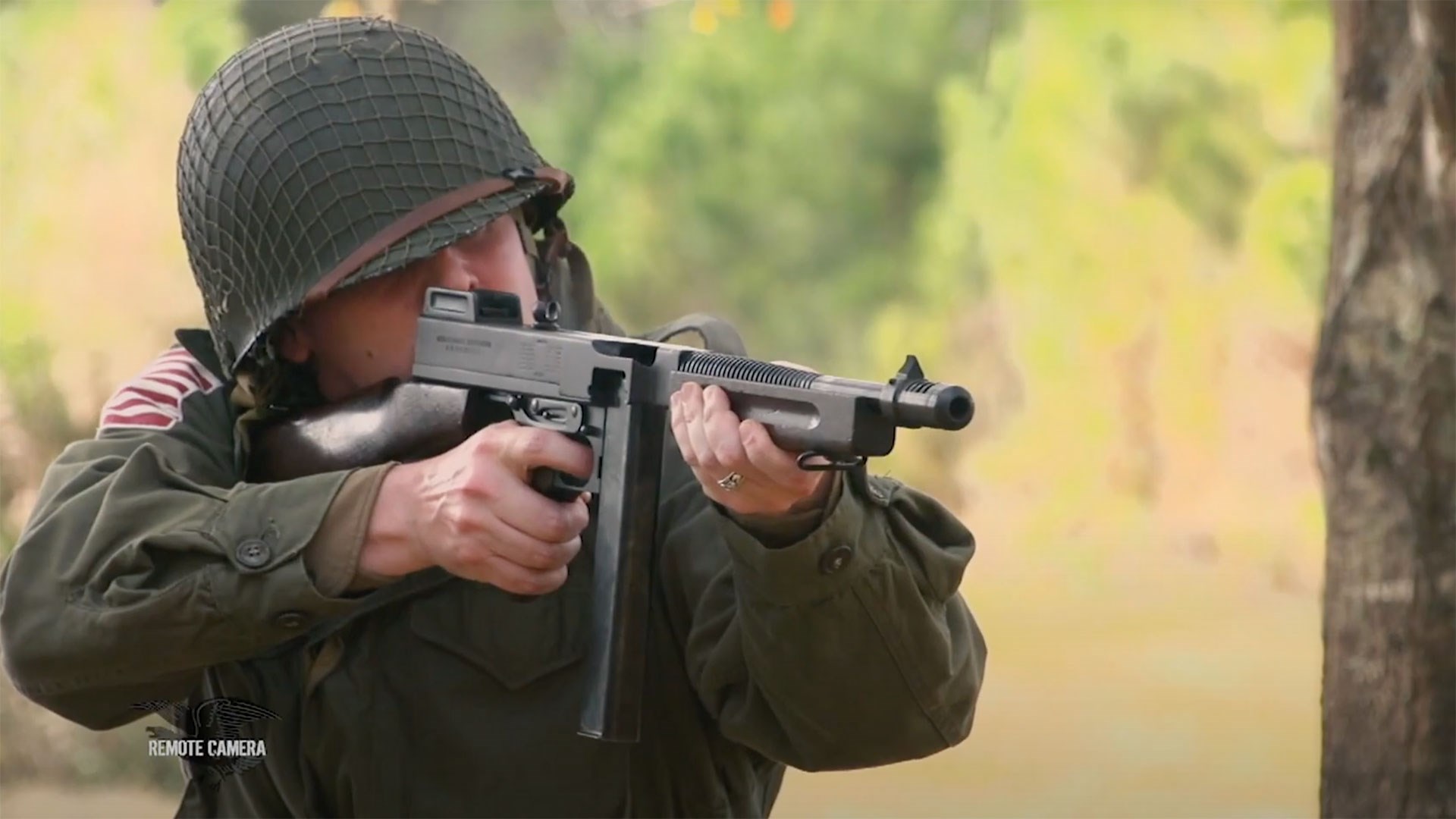
Initially, the Allied operation caught the Germans by surprise, who were not expecting such an influx of Allied airborne. However, the German forces quickly regrouped and began coordinated counterattacks against the Allied-captured bridges. With that, the Battle of Operation Market Garden began, and it would last for more than a week.
To watch complete segments of past episodes of American Rifleman TV, go to americanrifleman.org/artv. For all-new episodes of ARTV, tune in Wednesday nights to Outdoor Channel 8:30 p.m. and 11:30 p.m. EST.