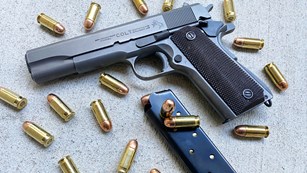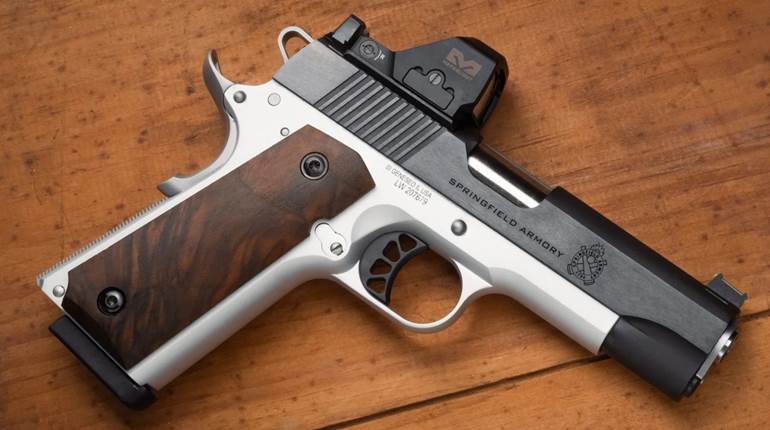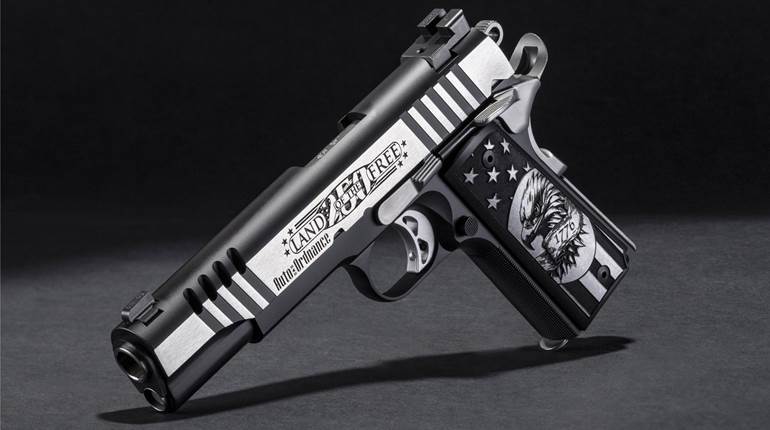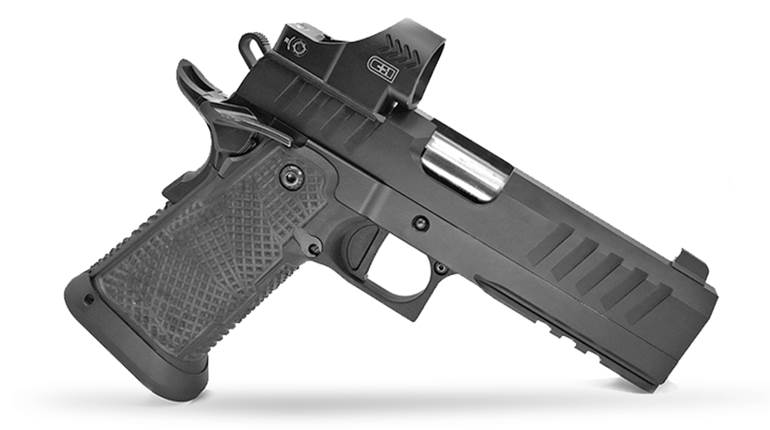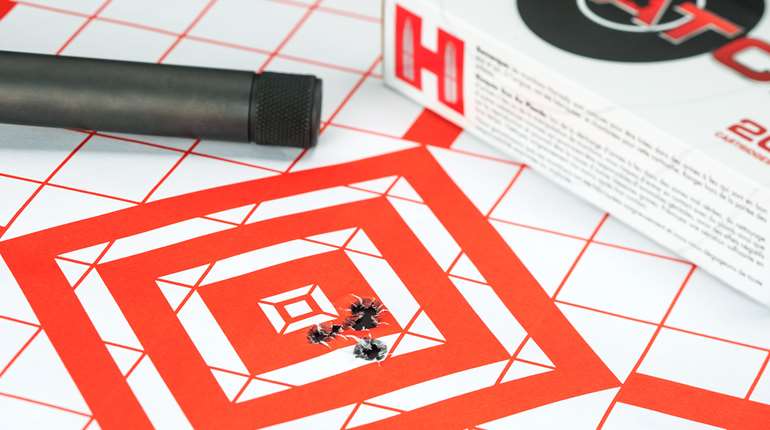
I am old-fashioned and still cling to the idea that a handgun is primarily for personal defense and that every shot should be aimed and hit something. I know that there are handgun competitions where a high volume of fire is acceptable. This has led to gun modifications that are not really a good idea. Trigger pull weight is one such modification. By far, the most common handgun type you'll find in my hands is the 1911 pistol, followed closely by DA/SA revolvers. Both types of guns have SA or DA trigger systems that lend themselves to modification.
In the case of the 1911 and its SA trigger, modification can do two different things. One is to reduce the amount of pressure required to fire; the other is to smooth the release to make it a single uninterrupted motion. Go easy on the former, since a too-light trigger pull is not a good idea on a defense gun. When the adrenaline is flowing, the wimpiest clerk at the ribbon counter will make a 1911 with a 6 1/2-pound trigger work just fine, but a 3-pounder might go before he is really ready to have that happen. The smoothness of the trigger motion is far more important the weight. Experienced shooters are usually more annoyed with a trigger that creeps to the rear with fits and starts than they are with one that is heavy. The website of ace pistolsmith Wayne Novak recommends a crisp, 5-pound-plus trigger pull on a custom 1911 used for defensive work.
DA revolvers are a little different in that the trigger has to move in order to turn the cylinder and fully flex the mainspring. For many years, we have accepted that the DA revolver trigger pull averaged about 12 pounds, but improvements in springs has lowered that to around 10. It is possible to make it less than that, but the risk of misfires grows exponentially as the effort to do so increases. It is better to put training effort into managing heavier trigger pulls than it is to risk problems with premature discharges and misfires. In short, if it ain't (really) broke, don't fix it.
Most Popular