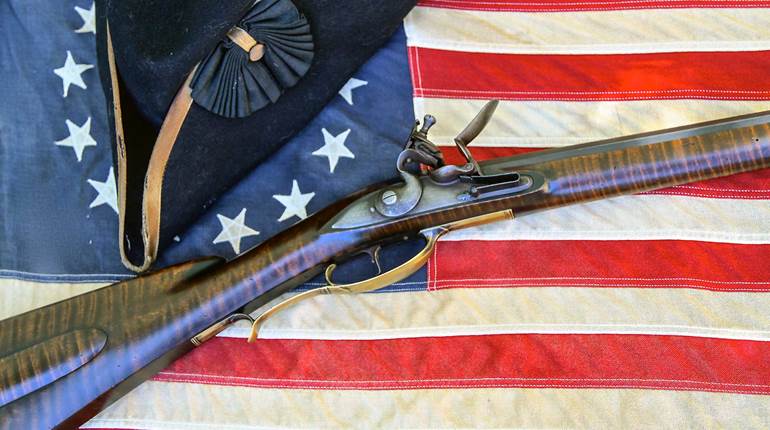
Is there anything prettier than fire bluing? This bright, “peacock” blue color is one of the world’s oldest firearm finishes and can be found on guns dating back as early as the 16th century and is still used on some of today’s high-end custom arms. And doing it yourself is much simpler than you might think.
Simply put, “fire blue” is a thin oxide layer that forms on carbon steel when it’s heated between 590o F and 640o F. This oxide layer is so thin that it allows light to pass through it, reflecting off both the upper and lower surfaces of the layer and creating the beautiful bright-blue color.
Today’s hobby gunsmith can easily fire blue his or her own screws and small parts at home. All he or she needs is a propane torch, a cup of water and a little oil. The process is simple. First, polish your parts. Using fine emery cloth, polish your parts to at least 600 grit. The finer the polish, the better, as a more reflective finish will allow for a deeper, more lustrous blue.
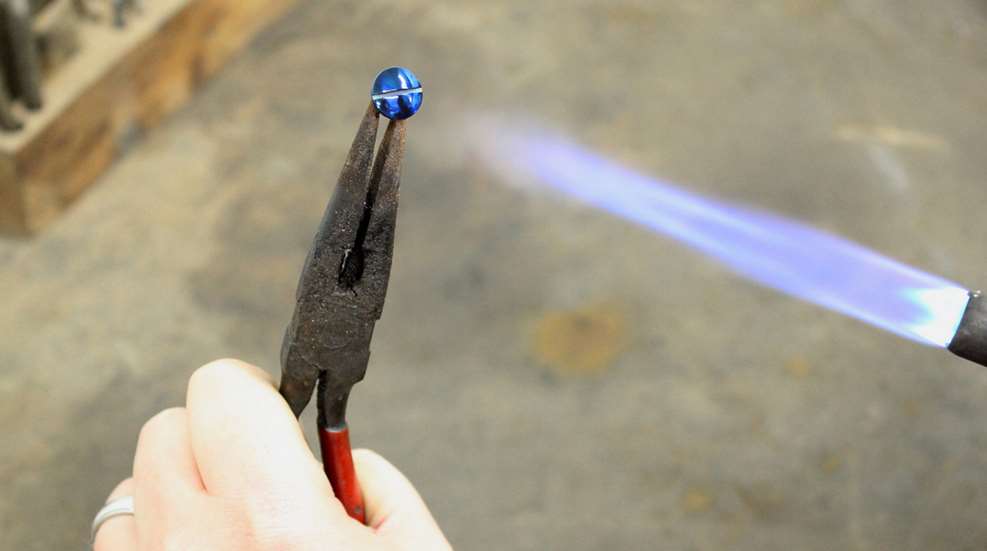
Then hold each part with a pair of needlenose pliers and gently heat it with a propane torch, holding the part about 2" from the end of the flame. Now watch as your part begins to change color—first to a very light yellow, then a deep purple and finally a beautiful blue. Be careful not to heat the part too much; if the temperature rises higher than 650o F, it will turn from a bright blue to a dull gray. If this happens, just polish the part again once it cools and re-heat it to try again.
Once you’ve achieved a color that you’re happy with, quench the part in water to “lock in” the color and prevent the temperature from rising any further. After the part is cooled, apply a coat of oil to prevent rust (I usually drop my parts in used motor oil for a few minutes), and re-assemble your gun. This is a great way to add a touch of authenticity to a historical reproduction or a touch of class to an otherwise ordinary field gun.
—David Stavlo, Lodgewood Mfg.
Most Popular