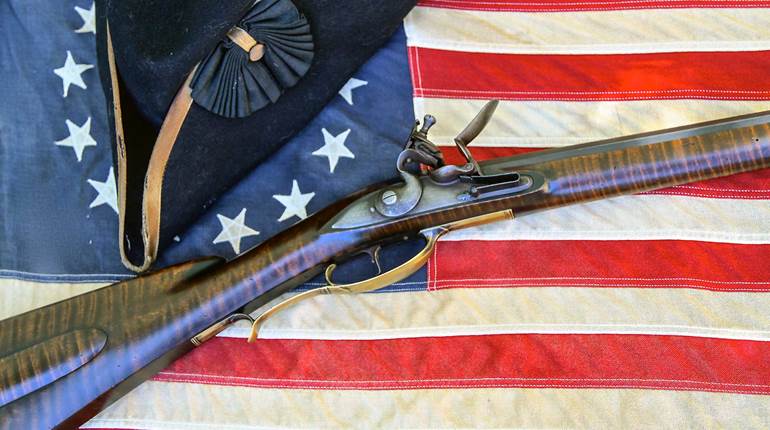
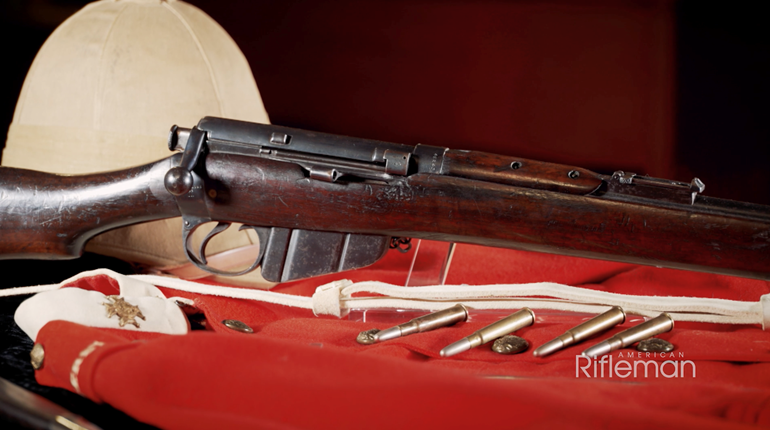
Linseed oil may be the oldest wood finish known to man, with evidence of linseed oil finishes being applied to wood as far back as ancient Egypt. It’s been a favorite treatment for firearm stocks since the invention of gunpowder and has been used by the Springfield Armory on just about every wood-stocked U.S. military arm. An annual application of linseed oil to your antique military stocks will not only keep them looking good but will also help prevent damage like dry rot and shrinkage cracks during storage.
Applying a linseed oil finish is surprisingly easy, if done correctly. However, when done wrong, it can leave your stock with a tacky finish that’s stickier than the floor of a movie theater. Here’s the right way to apply a linseed oil finish to your military stock:
First, pick up a can of boiled linseed oil from your local hardware store (it’s readily available at just about any store with a paint department) and apply a liberal coating to the inside and outside surfaces of your stock with an old paint brush.
Now set the stock aside for 30 minutes to allow the oil to penetrate the wood. After returning to the stock, you’ll notice areas where dry spots have formed as the stock absorbed the oil. Re-apply another heavy coat of oil and allow the stock to sit for another 30 minutes. Continue this process until no more dry spots appear and the stock is no longer soaking up oil.
After the stock has been re-hydrated, but before the oil is allowed to dry and harden, take an old T-shirt and buff the stock until it’s completely dry. Your goal here is to remove any pooled oil from the stock. Any oil that hasn’t penetrated the wood and is allowed to dry for more than a few hours will become tacky and sticky.
Once the stock has been thoroughly buffed dry, let it sit overnight to allow the oil to finish impregnating the wood. The next morning, you should have a thoroughly hydrated stock with a beautiful (not sticky) satin sheen that is more resistant to rotting and cracking.
—David Stavlo, Lodgewood Manufacturing
Most Popular