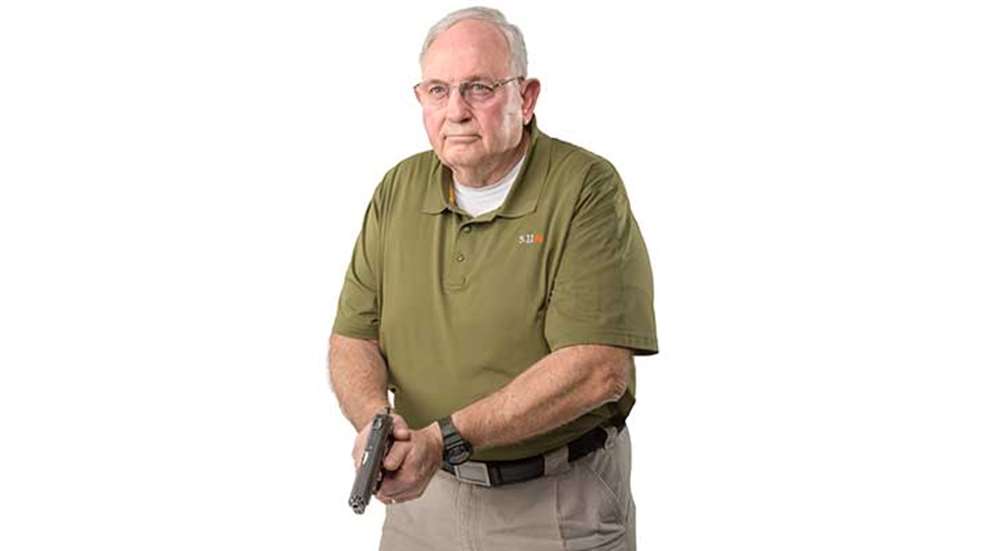
As we get older, we must keep in mind that we can still be a target for criminal attack. In fact, we may become even more of a target as the years catch up with us. The crooks see the gray hair, the wrinkles and figure that we will be less likely to resist and less likely to be armed. Age may cause us to have physical problems to deal with, but many of them can be overcome. We owe it to ourselves and our families to be as tough a target as is humanly possible. Here are a few ideas to help older defensive shooters deal with their issues.
1. Use The Most Powerful Handgun That You Can Shoot Quickly And Accurately.
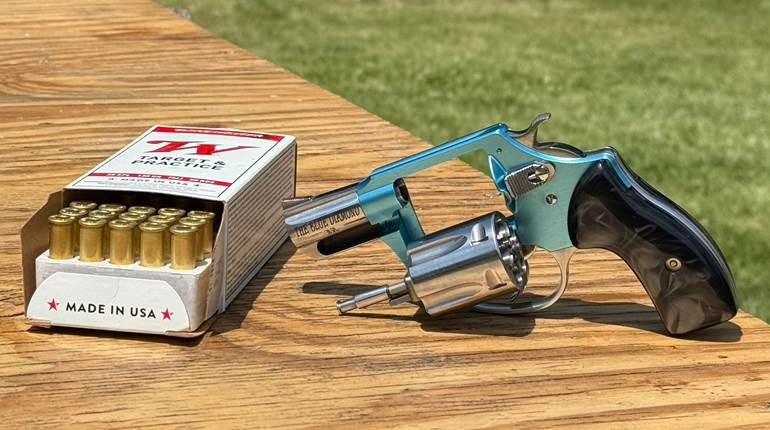
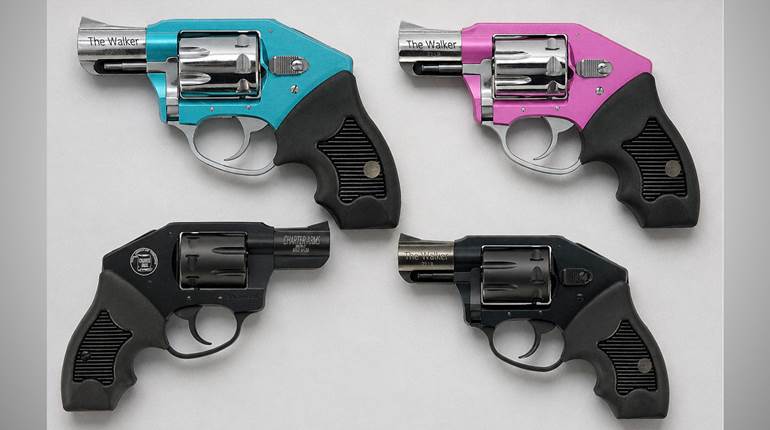
You may be surprised to learn that this is what I tell all shooters, regardless of their age. However, you may have found that, due to infirmities, you can no longer manage that .357 Mag. or .45 ACP pistol. This doesn't mean that you should quit. It means that you should scale down to a 9 mm Luger, .38 Spl., .380 ACP, or even .22 LR, depending upon your particular needs and abilities.
These smaller calibers may not be as capable, but they sure do beat fighting with your fists. The lighter the caliber, the more important bullet placement becomes. So, you'll have to practice more and work on delivering the best bullet placement possible.
2. Consider Changing Carry Positions.
One of the most common defensive carry techniques is to wear the handgun on your strong-side hip, just behind the hip bone. Unfortunately, with aging, many shooters lose mobility in their joints. To make a draw from this popular position, your shoulder must move up and back, and it must do it quickly. Some folks just have a tough time with this.
A better choice for the aging shooter might be the appendix carry; that is, wearing the handgun on the strong side but in front of the hip bone. The shoulder does not have to move so radically with this technique. The same may be true with the crossdraw carry method. Both carry the handgun on the front side of the body and will be easier to get to and allow for a quick pistol presentation.
3. Dealing With Fuzzy Sights.
About the time that we hit middle age, the sights on a handgun sure do start to look fuzzy, and a clear sight picture rapidly becomes a thing of the past. Some folks deal with this natural phenomenon by using the close-range portion of their bifocals. However, for all of us, glasses are the answer.
Even if you don't use bifocals, your optometrist can have a corner of your glasses ground so that you can see the sights clearly through that portion of the lens. If you don't feel comfortable discussing your shooting skills with your current optometrist, ask at your local shooting range or gun store until you can get the name of an optometrist who is a shooter. You'd be amazed at how many of these professionals enjoy the shooting sports and understand the needs of aging shooters.
4. Weakness In The Hands And Forearms.
Some older shooters find that, due to arthritis or some other ailment, they can no longer work the slide on a semi-automatic pistol. In most cases, I have found that they have been doing it wrong in the first place.
Too many shooters want to hold the auto pistol in their hand with the arm almost fully extended. Then they use the thumb and index finger of their support hand, at the very back of the slide, to work the slide and chamber a round. This whole technique looks very much like the way we shot slingshots when we were kids. Regardless of age, this is a very poor technique and is an indication of someone who is a real tenderfoot regarding this business of self-defense.
The closer your hands are to your chest, the more strength you have in your hands and arms. Hold the pistol close to your chest and parallel to your chest, with the muzzle pointed to the side. However, you should be conscious that the muzzle is still pointed in a safe direction at all times.
Put your support hand over the top of the pistol, in the area of the ejection port, and grasp the slide firmly with your whole hand and all of your fingers. At the same time that you pull the slide to the rear with your support hand, you should push forward with your strong hand. The isometric push-pull, along with holding the gun close to the body, utilizes much more of your bodily strength and is a much more positive way to charge your auto pistol.
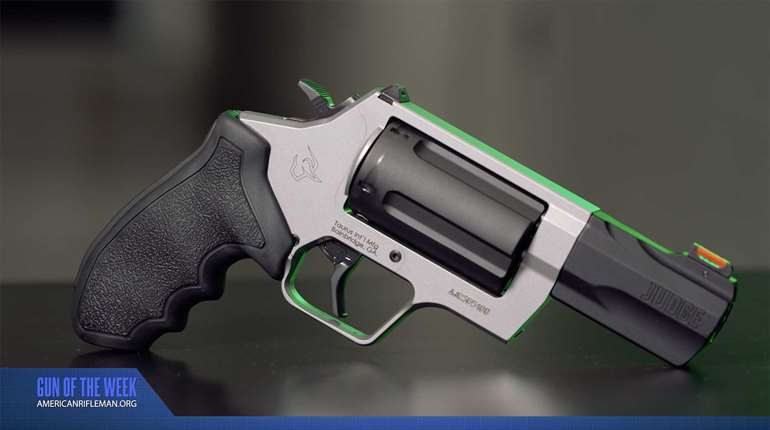
However, there are those who simply are dealing with issues that make them too weak to run an auto slide. They might consider making the transition to a double-action revolver. The action of loading and unloading a DA revolver requires much less muscle strength. When transitioning to a revolver, however, don't hesitate to have a professional gunsmith smooth up the action to make the double-action trigger pull as easy as possible.
5. Increase Mobility With Exercise.
The older we get, the more important exercise is to our maintaining our body strength and mobility. If you have health issues, it is critical that you do not start an exercise program without consulting with a physician. Just as with the optometrist, you may find it a bit more comfortable to find a physician who enjoys the shooting sports.
When you start hunting for a doctor who is a member of our shooting fraternity, you will be amazed at just how many of them there are. I don't want to sound "New Age" here, but the fact is that a yoga class, especially one for older folks, is a great way to increase your agility and mobility. However, if you have any doubts about your ability, take the time to consult with a physician.
It is critically important, as the years go by, to continue to refuse to be a victim. Seek the advice of other aging shooters, use your mind to solve your particular problems as they relate to shooting skills, and simply say to yourself, “I am tough, I am an American shooter, and I am not going to give up."