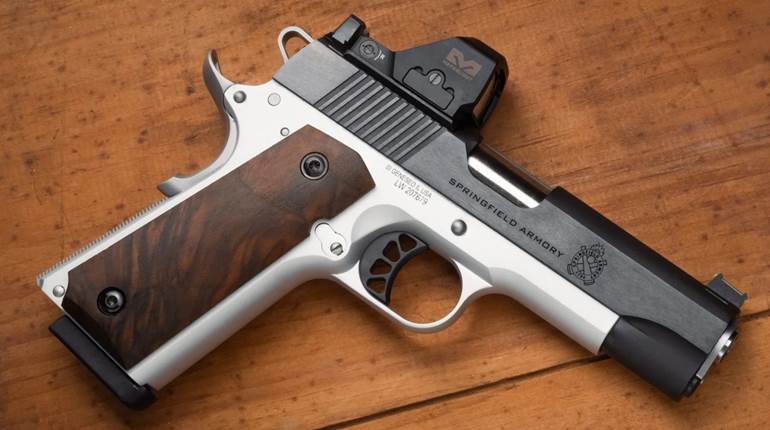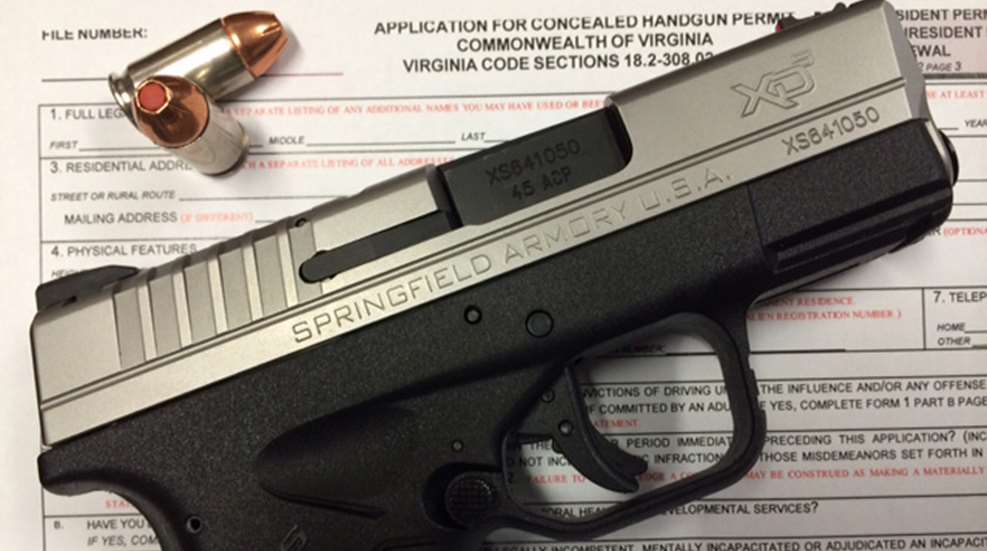
Choosing to legally carry a handgun for personal protection is a big responsibility that must be taken seriously. Above and beyond which caliber is the best or what action type to choose, there are a variety of important considerations which need to be taken into account. Here are a few of the many questions someone should ask himself or herself before buying a firearm to carry outside of the home:
1. Do I understand the legalities of carry in my state?
Although our rights of gun ownership, life, liberty and the pursuit of happiness are enumerated in the Constitution, the list of American laws governing when and where a gun can be carried in public is long and complicated. In addition to restrictions instituted at the federal level that apply to everyone throughout the country, each individual state has its own set of rules which can vastly differ from those of their neighbors.
Do you need a permit before you can purchase a firearm? Once you legally own the gun, do you need to acquire a special license to carry or does your state allow carry without a license (also known as Constitutional Carry)? When the gun is on your person, does it have to be concealed or can it be worn openly? When you're in possession of a loaded gun, where can you legally go with it? Which locations are restricted? If you have a concealed-carry permit, which of the other 49 states does it share reciprocity with?
Violations of carry laws, even unintentionally, can land folks in seriously hot water. Do not rely on second-hand information or gun range scuttlebutt. Take the proper permit classes, read the law, consult a lawyer and contact the proper state agencies for additional information.
2. Am I prepared to alter my daily routine?
Owning a gun for daily carry is a lot like buying a dog. Although it's not an unpleasant or onerous change, it does affect several facets of a person's lifestyle. The gun itself needs to be properly cleaned and cared for. You will need a plan for securely storing it any time it's not in use.
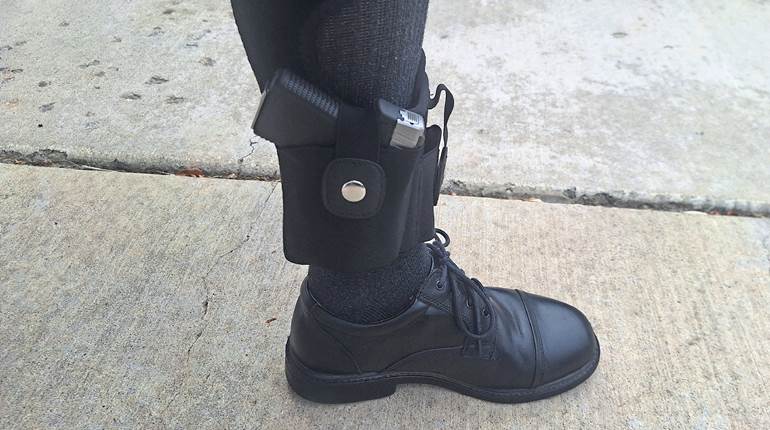
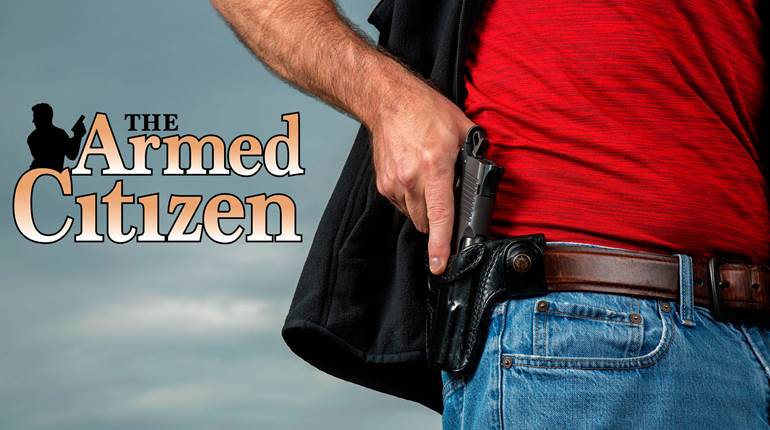
No matter what method of carry you choose (belt holster, in-the-waistband, pocket, ankle, in a purse) it will likely be necessary to buy new clothes or accessories to wear around the gun. Throughout your day you'll need to pay attention to what you're doing and how you're moving to avoid exposing your pistol if it's in a holster. If the gun is carried in a purse or sports bag, it will need to be kept in direct reach, secured to your body by the carry straps or tucked into a lockable container to prevent unauthorized access.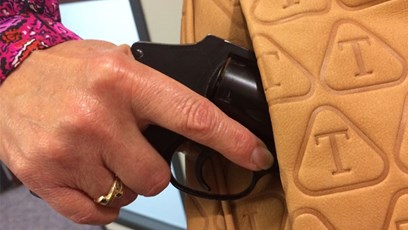
A critical part of working out the new routine is ensuring that the gun is never left unattended or unsecured at any time during the day.
3. Do I trust my support gear?
Just as it would be a big mistake to carry a handgun loaded with an untested variety of ammunition, it's also not a good idea to strap on a new holster system and walk out the door. Instead, the system should be carefully tested and broken in at home using an unloaded gun. 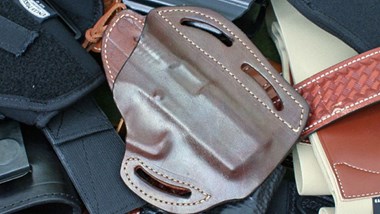
Wear the rig while working at the computer, watching TV, or cleaning the house. In a defensive situation you might have to run, jump and crawl to get out of the line of fire, so go ahead and move around your house (as much as your health will allow) in the same way. Some products, like leather, will stretch and shift in such a way that they will need to be adjusted. It's much easier to shift strap lengths and holster positioning in the privacy of your bedroom than to try and fix the rig in the middle of a work day.
If at any point in the testing process the handgun shakes loose or falls out of the carry system (hopefully onto carpet), then it’s a good idea to try something else.
4. What is my defensive Plan A?
Handguns for personal protection are an important element of a self-defense plan but they should be considered the last line of defense, or Plan B, when all else fails. Some situations demand nearly instantaneous action on the part of the self defender to draw and fire in order to protect themselves or their loved ones. It's these situations that handgun training tends to focuses on. 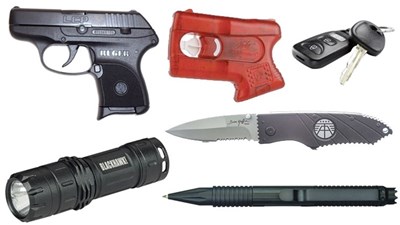
However, other potentially dangerous situations can be dealt with using less lethal Plan A tactics. These include avoidance of known places and people who pose a possible threat, the use of situational awareness and organizing a set of daily carry tools that can be used instead of the gun when circumstances allow.
5. How much training and practice do I need?
This is a tough question to answer because the amount of training and practice deemed appropriate will change depending on who you ask.
I remember listening to a conversation between two shooting instructors certified to teach their home state's mandatory concealed-carry permit course. One of the instructors went off on a bit of a rant. He was openly critical of instructors who settled for teaching only the mandated half-day class. He, on the other hand, insisted on teaching a full-day course with supplementary materials that (in his opinion) truly prepared the students for what they might have to face.
Although I respect this instructor's desire to provide more bang for the buck, I was concerned that he might be giving folks the wrong idea about how much training someone needs. You may only be required to take a permit certification class once but developing a good set of personal-defense skills is a lifelong pursuit.
Unlike swimming or learning to ride a bike, shooting skills are perishable. If you don't practice, they fade away. Making your way to the range to fire 50 rounds of practice grade ammunition and a magazine or two of defense grade loads every six to eight weeks is a good place to start if funds are tight. And the training necessary to know the legal, practical, ethical and tactical aspects of using lethal force can hardly be stuffed into a single day in a classroom. Invest in quality books and videos until you can get into a good live-fire class.
To learn more about available NRA training courses, visit nrainstructors.org.
Most Popular