This Old Gun: Remington Rand M1911A1

by
posted on April 29, 2020
** When you buy products through the links on our site, we may earn a commission that supports NRA's mission to protect, preserve and defend the Second Amendment. **

The U.S. found itself amid the world's largest war following the attack on Pearl Harbor. As a result, the U.S. government needed to scale up the production of arms necessary for the fight. One such firearm needed in larger quantities was the military's iconic sidearm: the M1911.

World War II tank and soldiers


Five companies joined the effort to assist U.S. production: Colt, Union Switch and Signal, Singer Manufacturing Company, Ithaca Gun Company and Remington Rand. Following a few changes to the original design, in 1926, an updated design was standardized, resulting in the “A1” designation. The U.S. government order was to build M1911A1 pistols, .45 ACP-chambered semi-automatics of John Browning’s M1911 design.
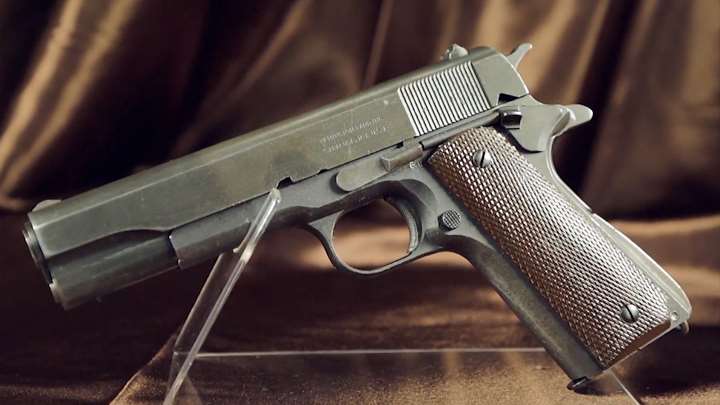
Left-side view of a Remington Rand M1911A1 on clear stand with drapes behind.


Remington Rand, based out of Syracuse, New York, began to ramp up production starting in about May 1943, and a total of about 900,000 pistols were manufactured for the U.S. government from the five aforementioned companies.
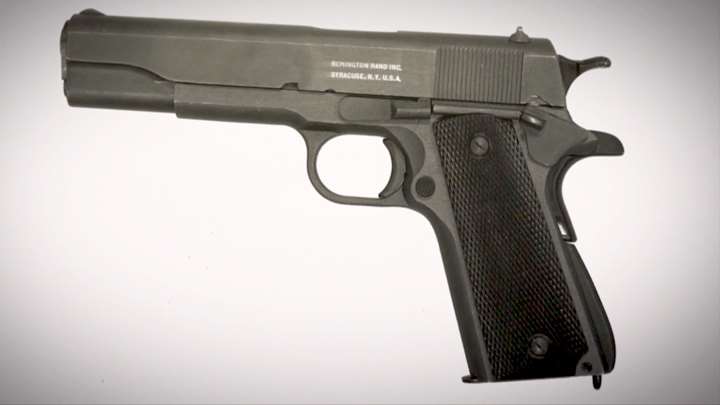
Left-side view of Remington Rand M1911A1 pistol on white background and highlight of Syracuse, N.Y. stamping on the gun's slide.


Despite upsets and slow transitions into firearms manufacture, Remington Rand, not to be confused with Remington Arms Company proper, championed the war effort by furnishing nearly double as many pistols as its closest counterpart.
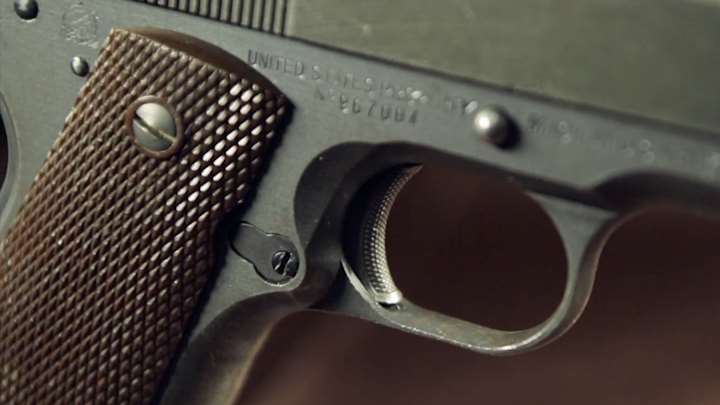
Close-up view of trigger and frame relief of Remington Rand M1911A1 pistol.


The straight-line manufacturing process employed by Remington Rand not only allowed for increased production capacity, but strengthened its product quality, which resulted in the future collectability of its pistols built for the war effort.
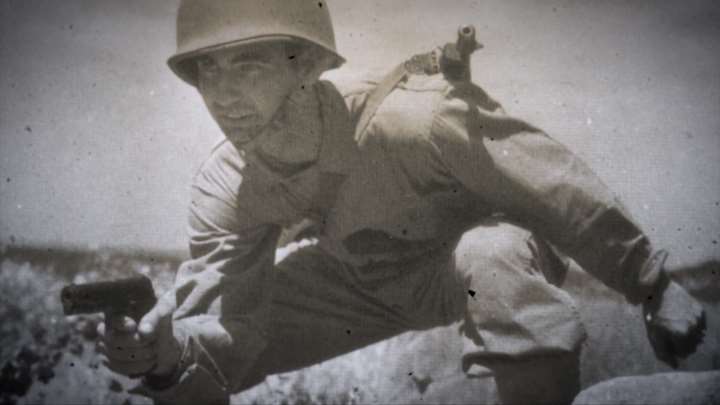
World War II American soldier holding his Remington Rand M1911A1 pistol.


Due to the parts interchangeability and the desirability of genuine Remington Rand pistols, buyers must beware of well-made clones designed fool even the most-informed historian and hobbyist. Do your homework and understand the differences between parts used and markings left behind. Even then, a spoof can be hard to spot.
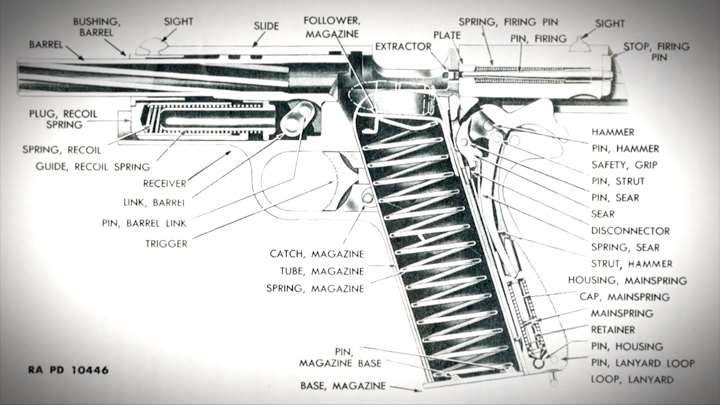
Remington Rand M1911A1 pistol cutaway view with part descriptions.


Watch the American Rifleman Television "I Have This Old Gun" video segment linked above to learn more about M1911A1 pistols built by Remington Rand. 
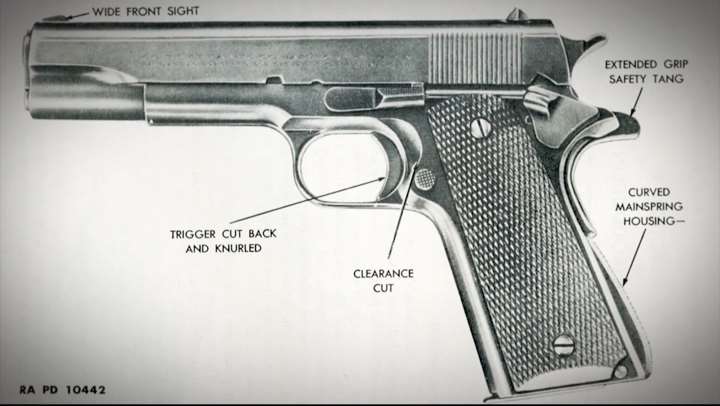

Left-side view of Remington Rand M1911A1 pistol with text descriptors for various parts.


How to identify a M1911A1:
-Frame markings
-Slide markings
-Serial number
-Sights
-Knurling on trigger
-Extended beavertail grip safety
-Arched mainspring housing
-Reconfigured safety mechanism
-Frame relief-cut at trigger’s rear
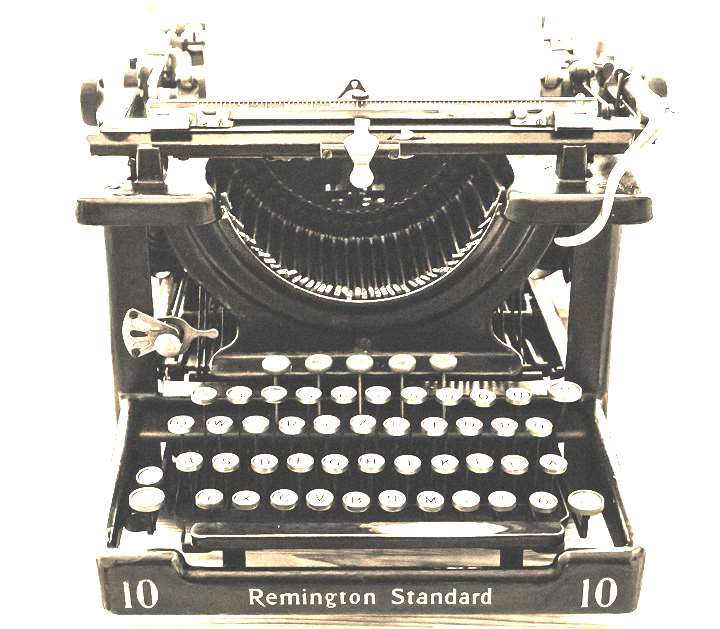

Reminton Rand typewriter.


Latest

French Charleville History 1

The French Charleville: Workhorse Of The American Revolution

Often overlooked, the French "Charleville" infantry musket was one of the most significant longarms of the 18th and 19th centuries and was integral to the success of the Continental Army during the American Revolution.

Lisa Tuason Appointed Interim CEO of Armscor/Rock Island Armory

Following the unexpected passing of Armscor President and CEO Martin Tuason in November, Lisa Tuason was appointed as interim CEO in early December, ensuring continued family leadership.

Preview: BullyWerx BullyTRAKR

Ultra-compact and stealthy by design, the BullyTRAKR is a discreet electronic tracking device that uses nearby smartphones and Wi-Fi Positioning System (WPS) to keep tabs on valuables through that encrypted WPS technology.

I Have This Old Gun: P08 Luger

One of the most iconic sidearms ever made, the P08 Luger was a mainstay in the German army from before World War I until the end of World War II.

Wilson Combat Honors Melvin Forbes With NULA Model 20 Tribute Rifle

Wilson Combat is honoring the 40th anniversary of New Ultra Light Arms, the company founded by legendary riflemaker Melvin Forbes and now part of the Wilson Combat family of companies.

Preview: Otis Technology Pro+ Snap Caps

Dry-fire training is one of the most effective ways to easily improve your firearm-handling skills at home, and safely performing reloads and manipulations requires a good set of snap caps tailored to your firearm.

Interests


Get the best of American Rifleman delivered to your inbox.