Of the many firearm inventors throughout American history, Samuel Colt was one of the more interesting characters. Despite the current-day fame behind the Colt name, Samuel Colt did not start out in the firearm industry. Rather, his early career was marked by many failed business ventures, which even included time as a laughing gas salesman. Yet, as he earned his paycheck through the gas exhibitions and other less-successful side ventures, the man also paid Baltimore, M.D., gunsmiths to render firearms designs and concepts he envisioned.
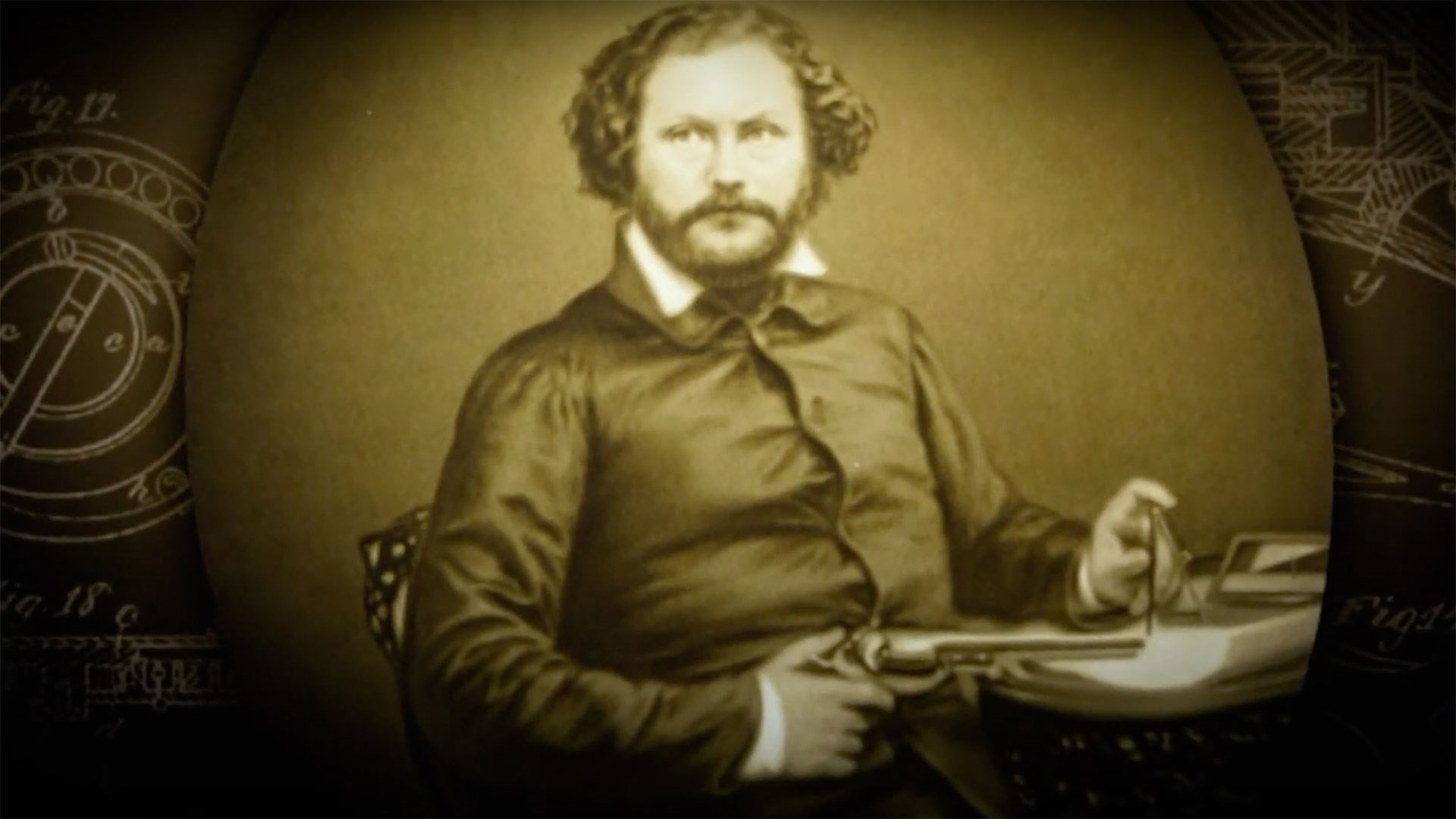
These 'smiths would create rough prototypes for Colt out of steel and wood, based off the concept drawings he gave to them. Colt did not involve himself in the actual manufacturing of these parts, being involved only as the man with the ideas. In 1830, while onboard a ship, Colt allegedly had an epiphany for a new action design, based off of the turning wheel of the ship's capstan. It could also have been the case that Colt borrowed the idea from the Collier revolver, but the legend of the ship's wheel has persisted. Regardless of the source of his idea, Samuel Colt submitted his first patent for a revolver in 1836. These first Colt revolvers were called "Paterson" Colts, since they were manufactured at a factory in Paterson Falls, N.J.
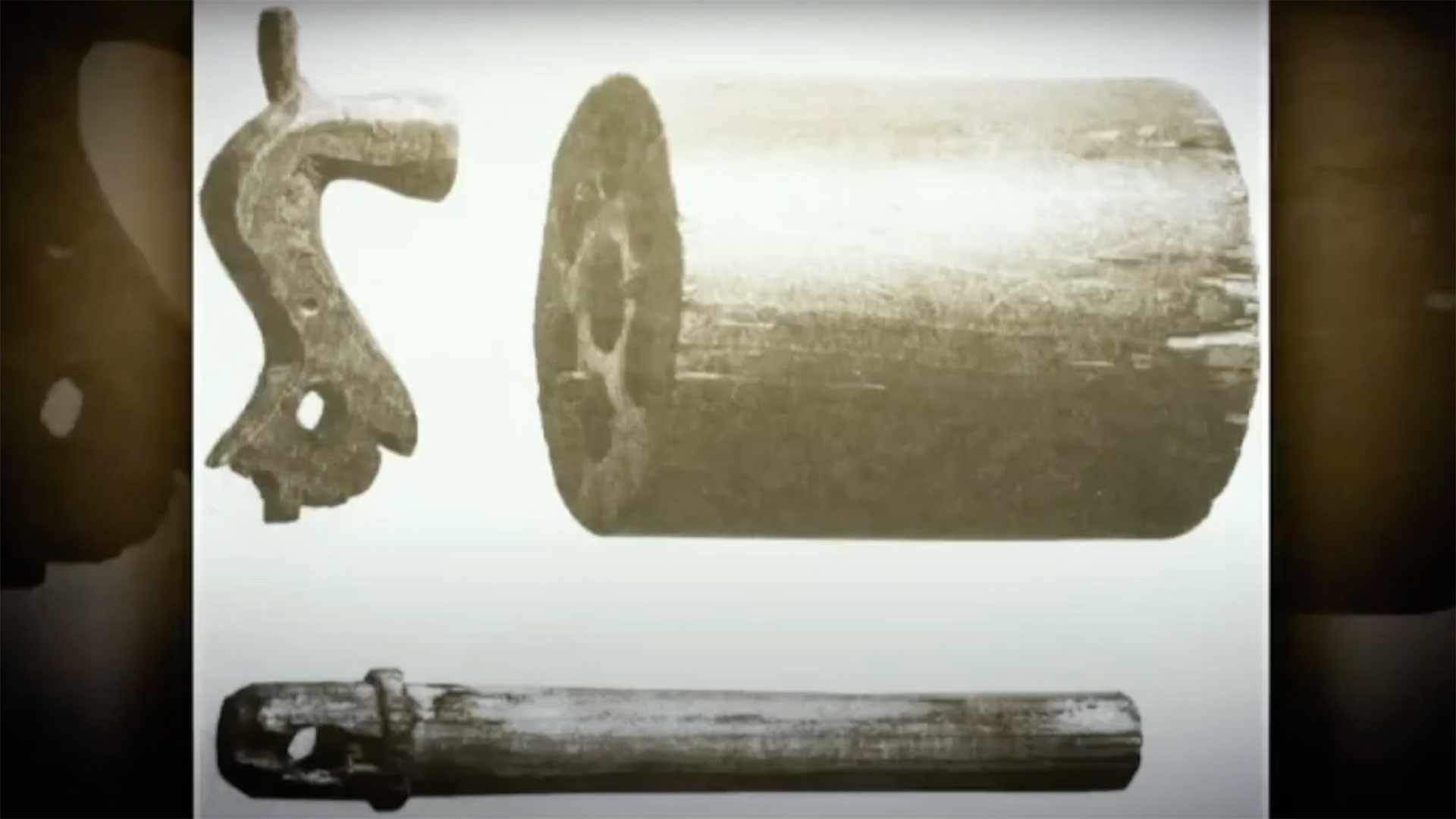
The first revolver to be made at the Paterson factory were not pistols though, but long guns. There was a problem with these rifles and carbines, however, as the misalignment of the bore and cylinder often lead to shaved lead and hot gasses escaping out of the cylinder gap, which could cause serious injury to the user's supporting hand. As for the Colt Paterson revolvers made as pistols, they laid the groundwork for later models, being fairly similar in layout to later 19th-century models. What made them visually and mechanically different, however, was the use of a folding trigger, without a guard, that could be tucked up into the bottom of the frame. The early versions also lacked a loading lever underneath the barrel. Loading on these early Colt Paterson revolvers was awkward and required the cylinder to be removed in order to load power and ball.
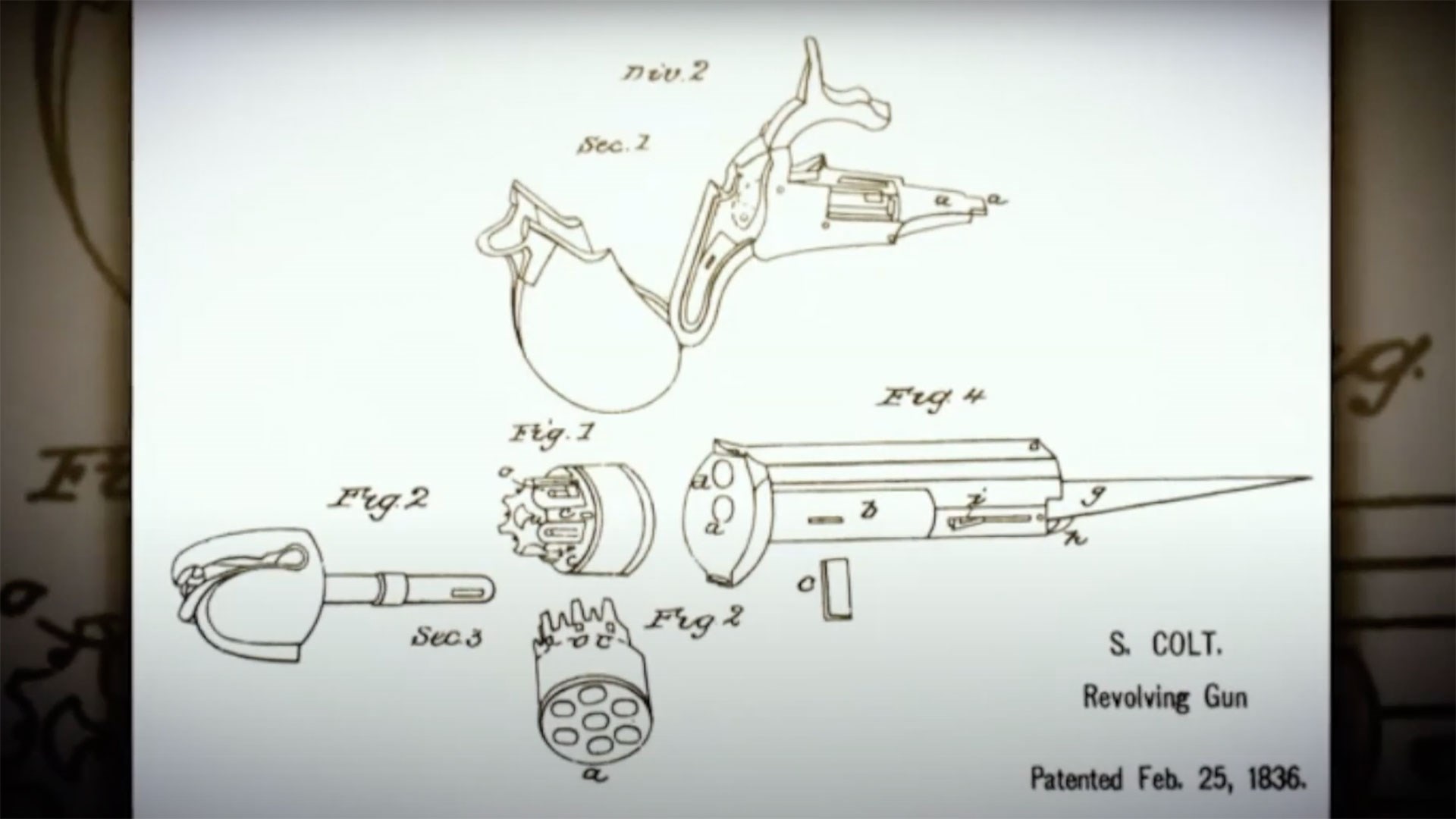
These issues were rectified in the improved versions developed in 1839, which incorporated a loading lever and a cutout at the front and rear of the cylinder in the frame, allowing powder, ball and percussion caps to be loaded without removing the cylinder. Despite the innovation and the popularity in certain circles of these early Colts, they did not turn enough of a profit to reimburse the funding Samuel Colt had put into manufacturing them. As a result, Colt went bankrupt. The Paterson Falls, N.J., factory continued to manufacture revolvers for a time after his departure, and these guns were known as "Ehlers Patersons."
To watch complete segments of past episodes of American Rifleman TV, go to americanrifleman.org/artv. For all-new episodes of ARTV, tune in Wednesday nights to Outdoor Channel 8:30 p.m. and 11:30 p.m. EST.