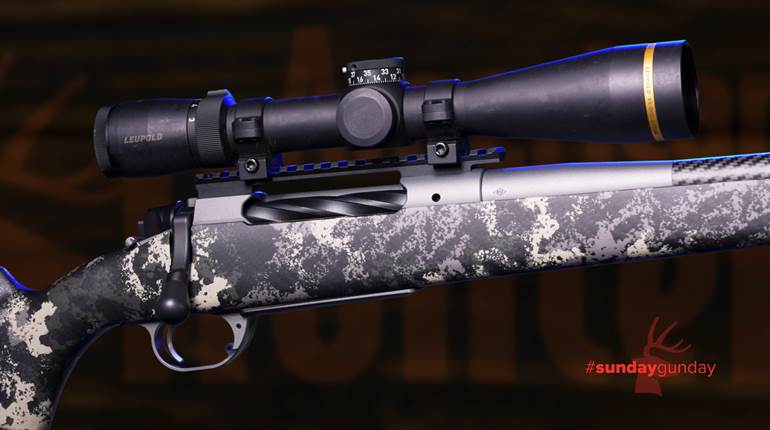
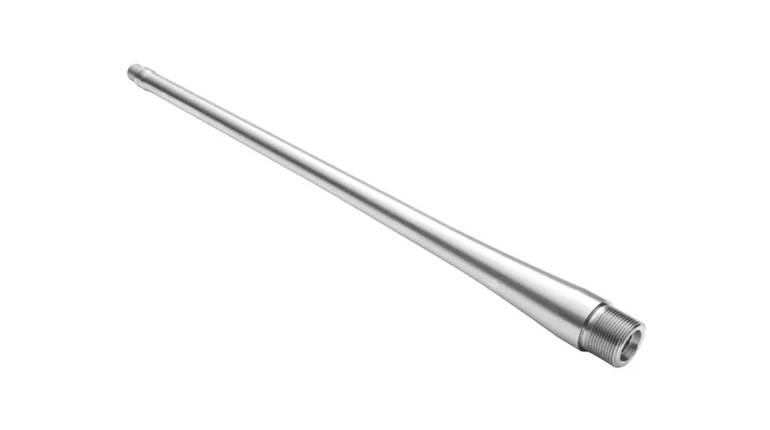
There are a lot of cool barrel-swap systems in the firearm world, but most are expensive, and sometimes a whole new rifle is required. The SwitchLug by West Texas Ordnance is designed for popular rifles, and it’s a modern system that doesn’t require buying new rifle. Instead, it’s a simple lug change on the action, and it’s about as easy of a barrel change as possible.
West Texas Ordnance & The Lore of the Lug
West Texas Ordnance, Inc. (WTO) was founded by Marine Clayton Smith and his wife in 2009 after active duty; the SwitchLug system was patented and then released at SHOT Show in 2017. “I knew… if I did not make the military a career, I wanted to return to Texas and open a gunsmithing business… Long-range shooting and achieving peak accuracy in hunting rifles has been my passion from the beginning.” Smith wanted to use one rifle as a do-all gun for hunting and match shooting, and the SwitchLug concept did just that.
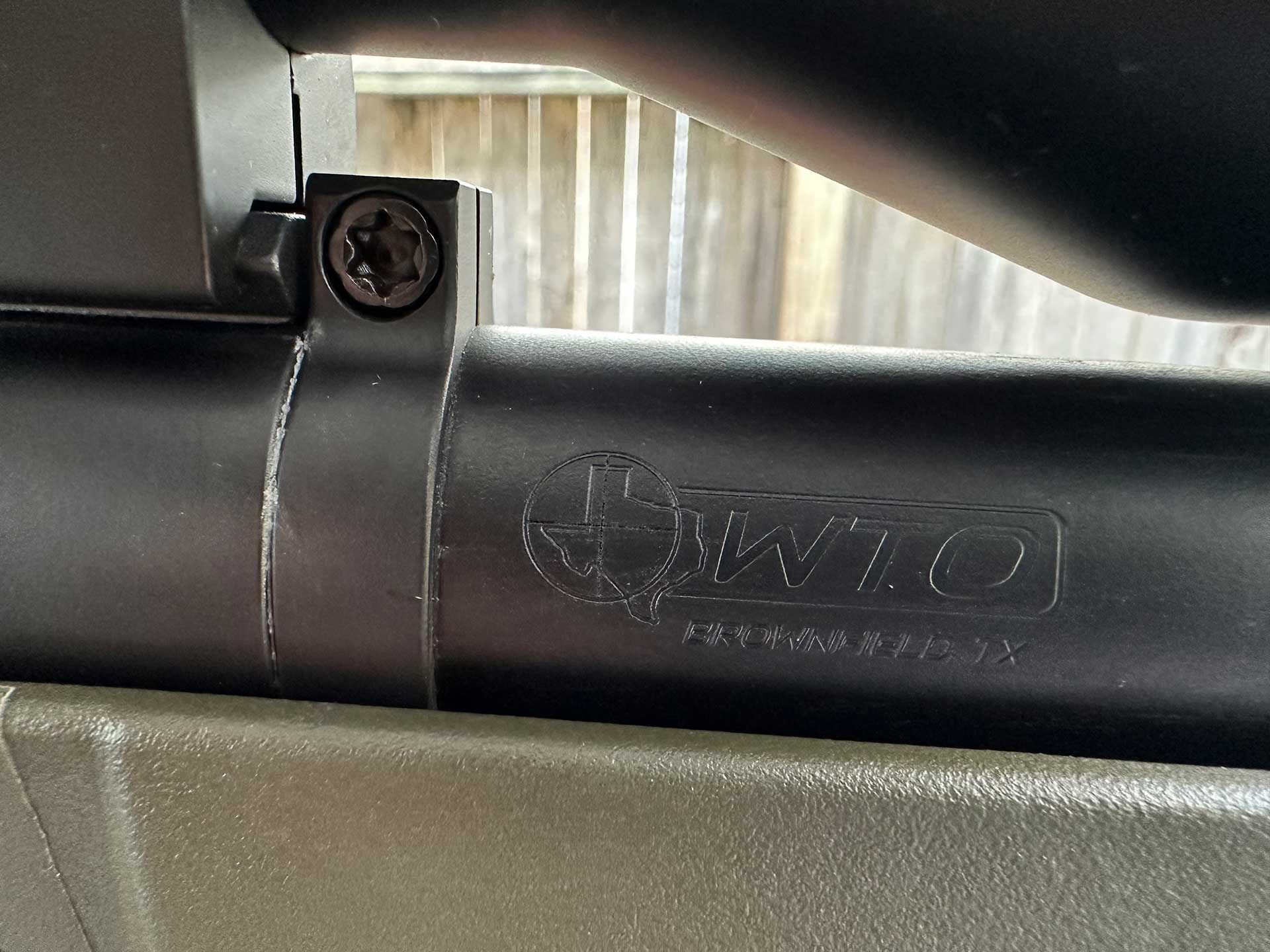
WTO’s SwitchLug system is simple, as it only does one job: keeps the position of a barrel in a rifle action. From there, barrels are headspaced repeatedly and consistently by hand (more on that later). This allows for easy barrel changes, making any rifle capable of adapting to an array of scenarios. And for all the SwitchLug does for anyone with a common rifle action, it costs roughly $150, which is very affordable, especially in today’s market when compared to an entirely new rifle.
If It Fits, It Sits
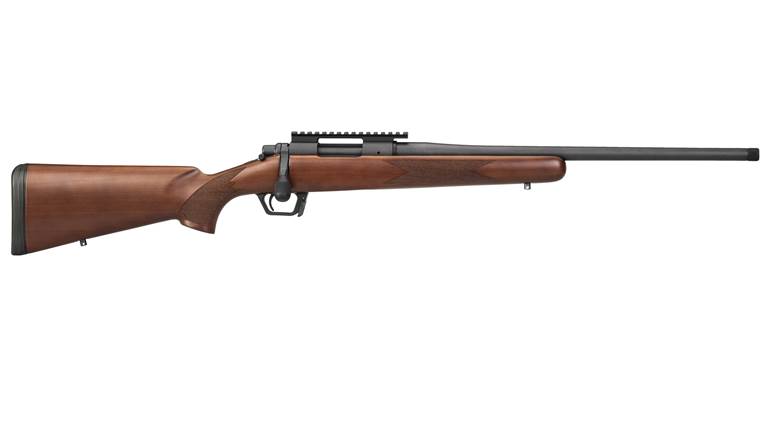
The SwitchLug is available for the Remington 700 rifle family, including most popular clones, as well as for the Tikka T3/T3x rifle family, plus some semi-custom manufacturers like Terminus, Defiance, Zermatt and others. I got one for a Rem. 700 short action (American Hunter's namesake Rem. 700), and Smith gave me the rundown on the SwitchLug.
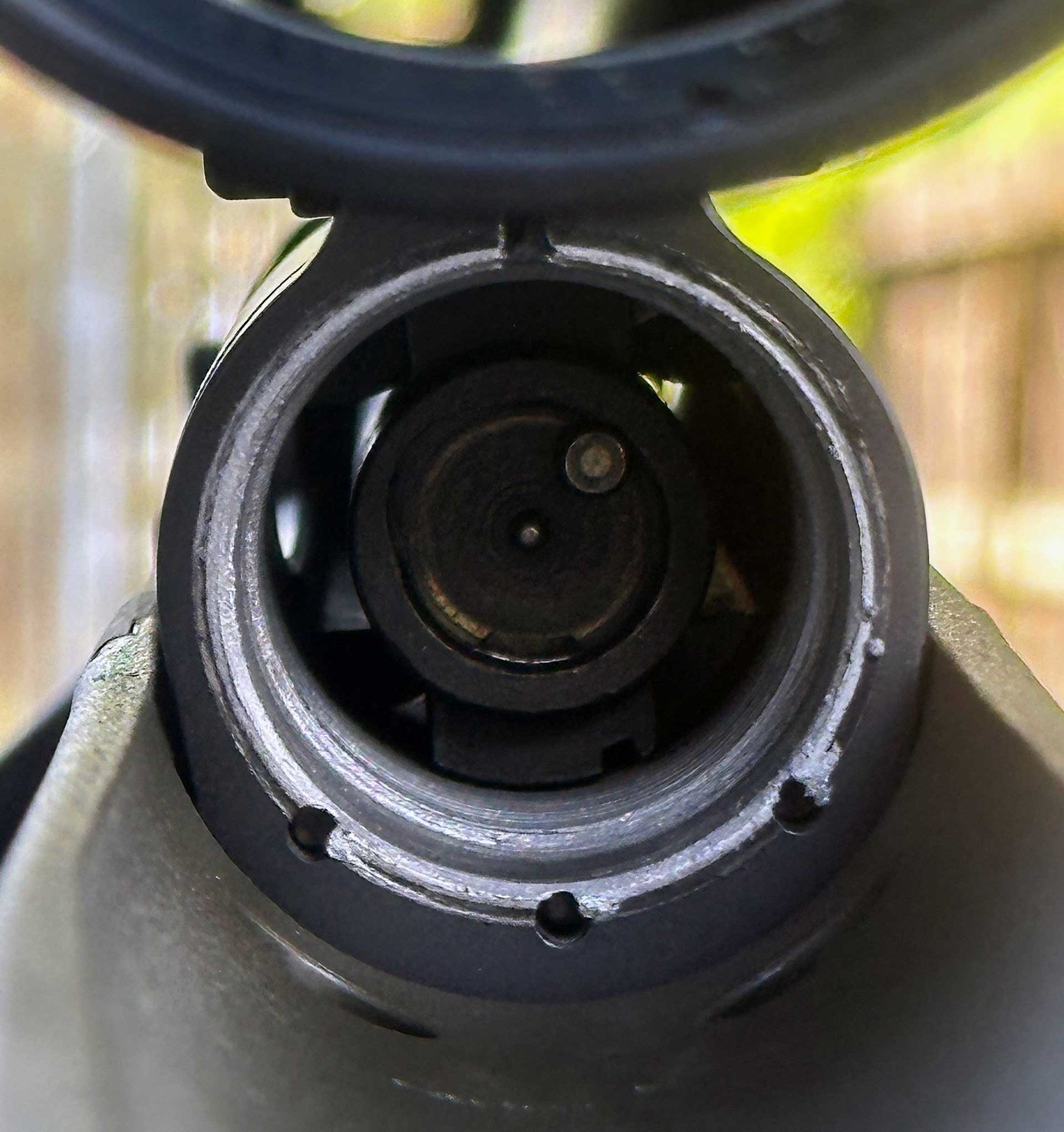
First off, buyer beware: There are some compatibility limits, like specific barrel tenon thread sizes and actions with integral lugs, so not just any barrel within these dimensions will work. Per Smith, some of the other factors are the action and stock or chassis system used. Another note: a compatible barrel shank diameter between 1.200 inches and 1.250 inches works best, as these are the standard diameters for most barrel blanks.
That said, factory or aftermarket barrels are not compatible with the system, as it won’t fit the SwitchLug correctly, so most barrels can’t be retrofitted for the SwitchLug. Therefore, WTO recommends starting with a contoured blank from reputable barrel makers. I got mine from X-Caliber, as they have a much larger chamber catalog than most, and I wanted a dual-purpose hunting setup in cartridges that were ideal for what I wanted to do. After that, simply have WTO or a competent gunsmith machine the barrel to match your action’s SwitchLug after the SwitchLug is installed. However, since a blank is used, both steel and carbon-fiber blanks work with the system. Plus, what the system takes away in finished aftermarket barrel support is compensated by the ease of fitment of a new finished barrel.
A "Lug-xury" Item
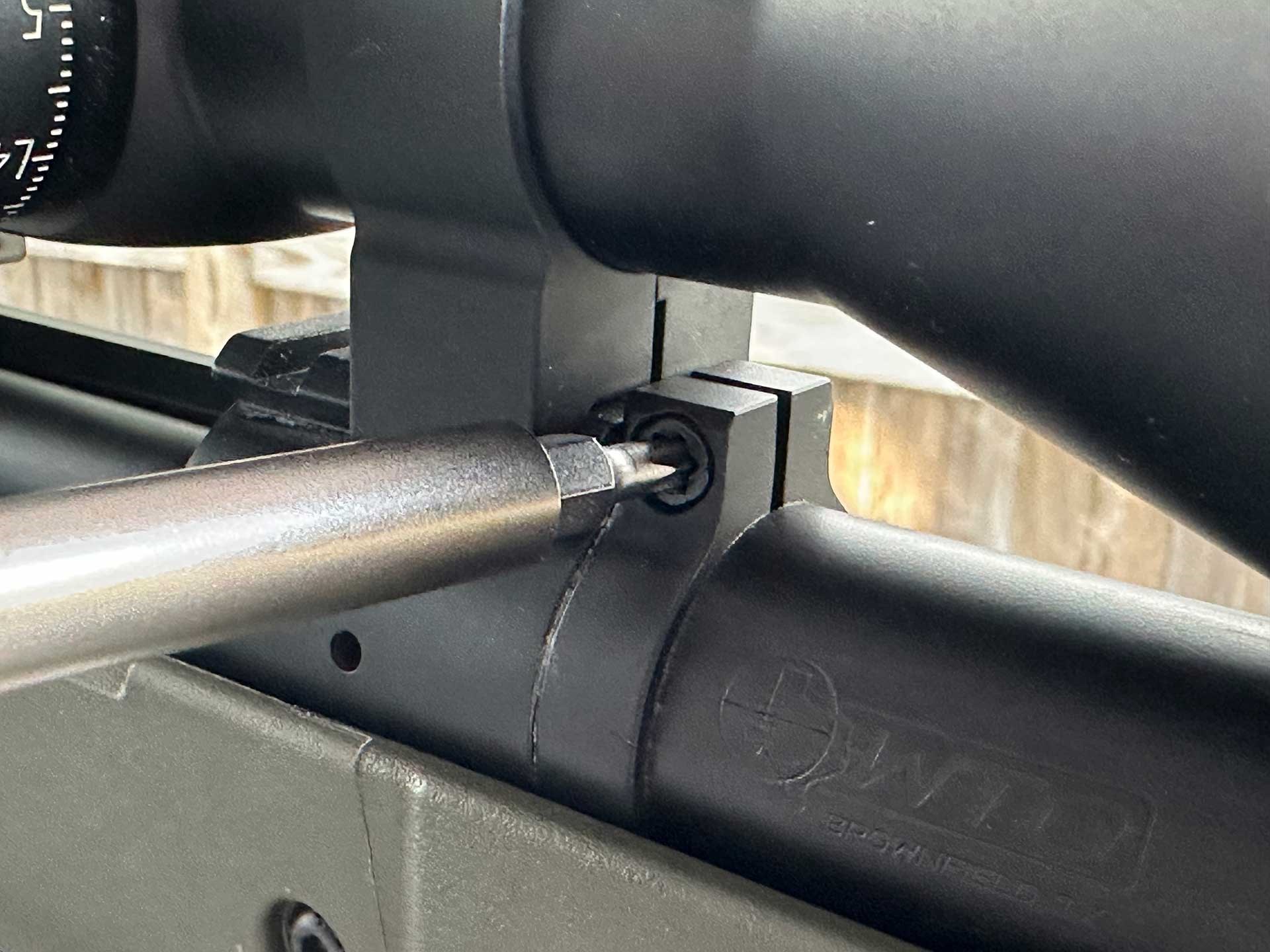
Each lug is machined from a solid billet of 17-4 Precipitation Hardening stainless steel, a material with good machinability and excellent fatigue and corrosion resistance (even if uncoated). The SwitchLug is fixed to the action by a set of index pins installed in the action face, and the specially machined barrel tenon slides through the lug to thread into the receiver. The inside of the SwitchLug has a tapered bore, and a corresponding taper is turned on the barrel tenon just forward of the threads. This causes the barrel to self-center in the lug and action. The top of the SwitchLug is split, with a threaded torque screw applying tension by squeezing the tapered portion of the barrel tenon once the barrel has been screwed into the receiver by hand, providing the proper torque necessary for barrel installation.
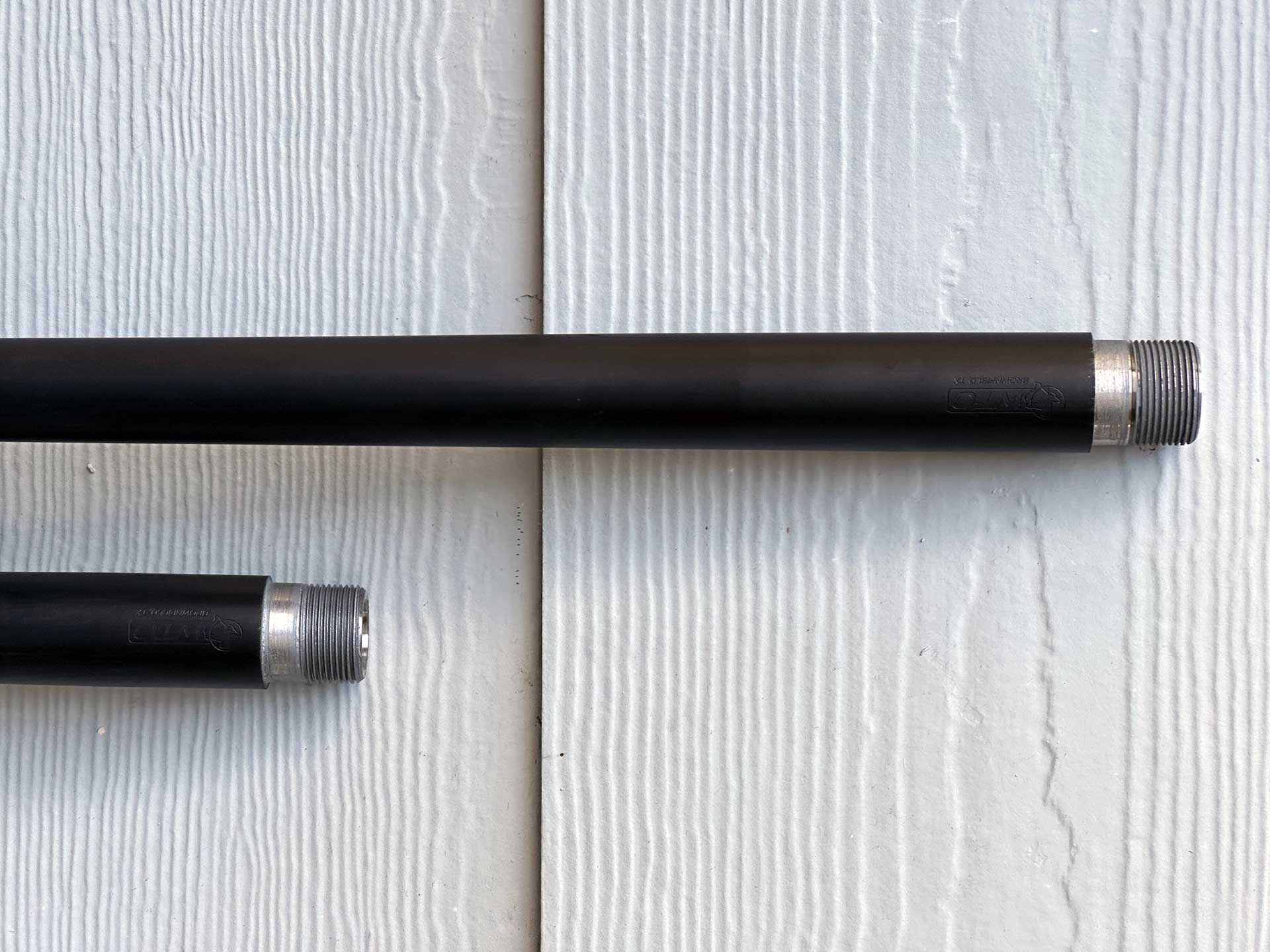
This sounds like a lot, but all the machining can be done by most competent gunsmiths or by WTO since all the needed technical information needed is on WTO’s website. If the customer doesn’t have a preferred 'smith, WTO can install the SwitchLug system on a customer's compatible rifle action. If WTO does the work, the company keeps all required dimensions on file by serial number for each rifle with a SwitchLug, so it doesn’t need the rifle or action on hand for a new barrel. All it needs is the new barrel specs and the serial number of the rifle to match it to the exact SwitchLug.
Handcrafted Barrel Installation
A barrel install – the only part the shooter is responsible for – is simple; WTO has a video showing how quick a barrel swap happens. Don’t believe me? A barrel can be put in the receiver in four simple steps in a matter of about a minute or so:
- Loosen the SwitchLug clamp screw until the screw can move freely.
- Apply a very light coat of anti-seize compound or medium weight grease to barrel shank threads. Ensure that the torque shoulder and mating surfaces on the barrel and SwitchLug are clean and free of debris.
- Screw in the rifle barrel and hand tighten against the front face of the SwitchLug.
- Once the barrel is hand tight, Torque the clamp screw to 30 in.-lbs.
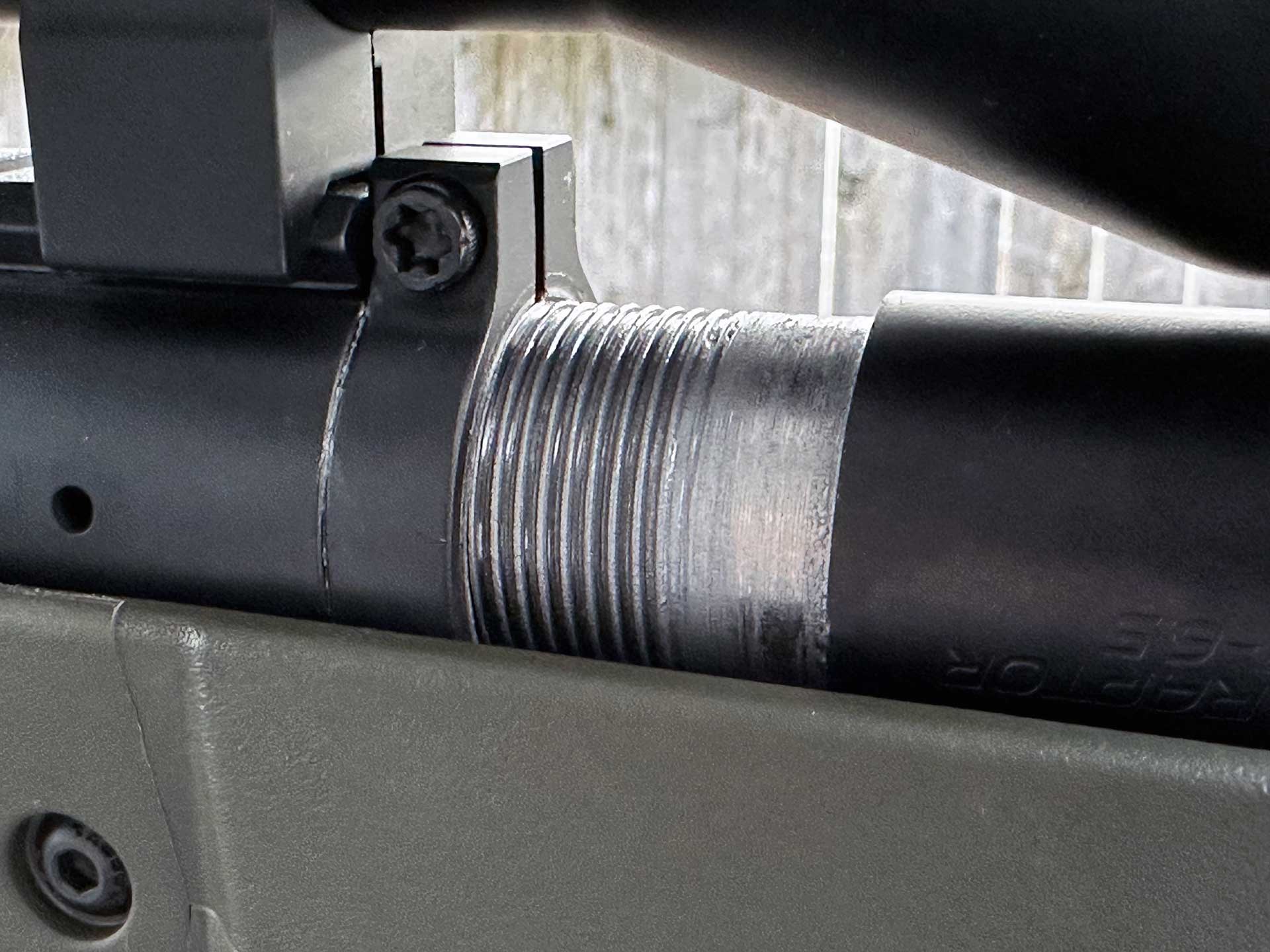
The rifle is now range-ready. To remove a barrel, just reverse the process; loosen the lug clamp screw, unscrew the barrel, then repeat the above process to install a new barrel. That’s all there is to it.
Lugging It Out to the Range
Thanks to the self-centering internal taper design and the consistent tension applied by the clamp and clamp screw, the system is accurate and repeatable. Once a rifle is zeroed with a barrel, it can be removed, and when re-installed, it will be within 0.5-MOA of the original zero.
I achieved that accuracy out of my barrel when I switched from the .260 AI barrel the company placed on the action when they shipped the rifle back to me to the .375 Raptor barrel it cut (I wanted to get a SwitchLug initially for wildcat barrels for my Rem. 700). I wasn’t expecting a big-bore barrel to get that kind of accuracy, especially considering .375-cal. bullets are already over half of that MOA measurement in diameter anyway.
Confirming accuracy, the supersonic load – a 270-grain Speer bullet – made that .5 MOA group, and the 400-grain subsonic load I had (both loads from Black Collar Munitions) shot within a .5 MOA windage-wise of each other, though the subs were a foot lower, and had a vertical spread of 3 inches. That said, with a little tuning, and after seeing what kind of accuracy the SwitchLug produced after switching barrels from the start, I think my subsonic loads, as well as the .260 AI – will be quite the shooter, too.
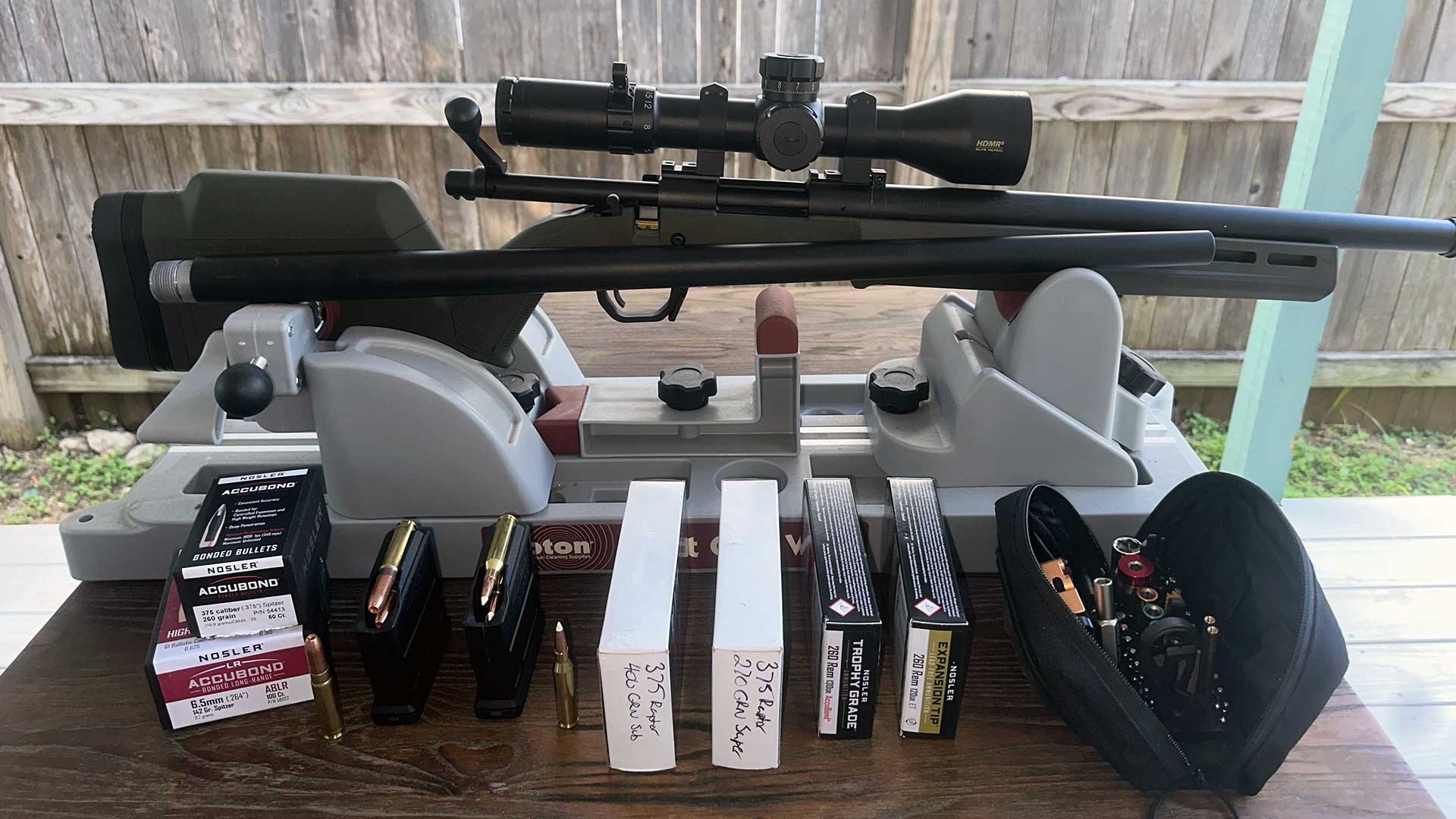
Though this wasn’t a significant test, it did prove that the lug concept works; that kind of accuracy isn’t possible if things aren’t tight, especially with a bore diameter that size with that much force applied to the lug, shot after shot.
To Lug or Not to Lug?
The concept of the SwitchLug is pretty simple. So, if you’re wanting flexibility and want to shoot several similarly sized cartridges out of the same gun, here’s your answer. Just make sure you have a rifle that can accept the hardware.
Most Popular