Q: I have just started reading American Rifleman, and I love the technical information in the magazine. But it seems like you guys sometimes assume every reader knows what every gun term you use means. What is a magazine disconnect? Is it the same thing as a safety?
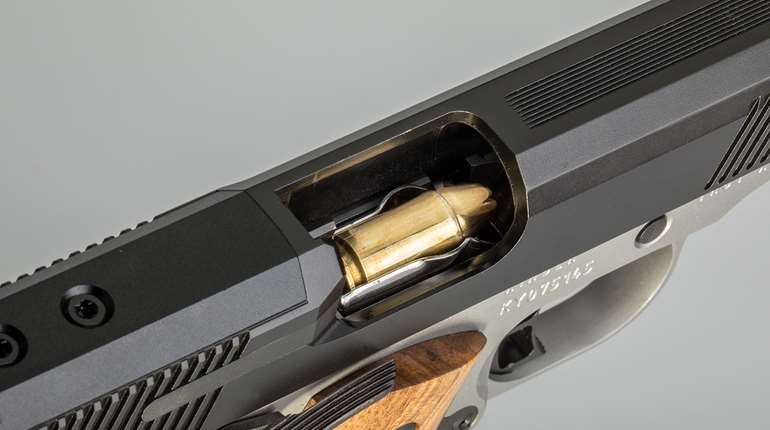
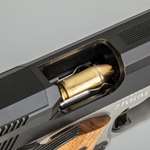
A: The answer is “yes” and “no.” A common misconception—usually made by those not familiar with semi-automatic pistols—is to assume that when the magazine is withdrawn from the firearm, the gun is empty. There may still be, however, a live round in the chamber.
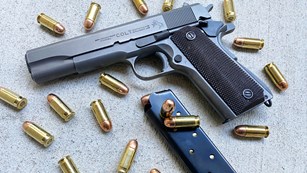
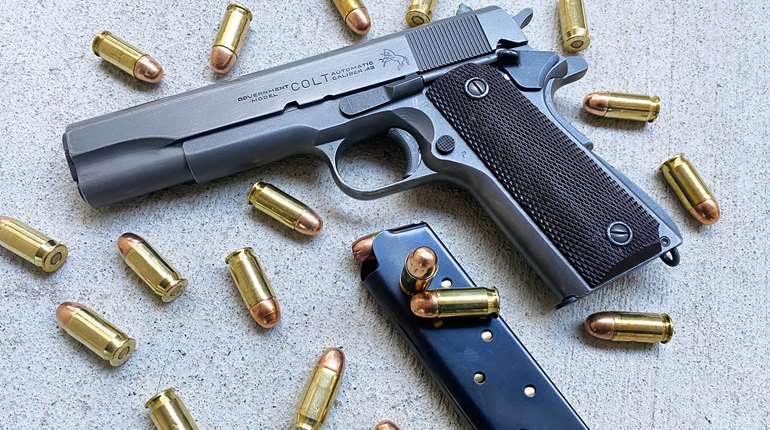
If the slide is in battery with a cartridge chambered, the gun—whether a single-action like the M1911 or a double-action (first shot only) like the Beretta Model 92FS—can be fired, even with the magazine removed. A magazine disconnector, sometimes called a magazine disconnect safety, is designed to prevent this.
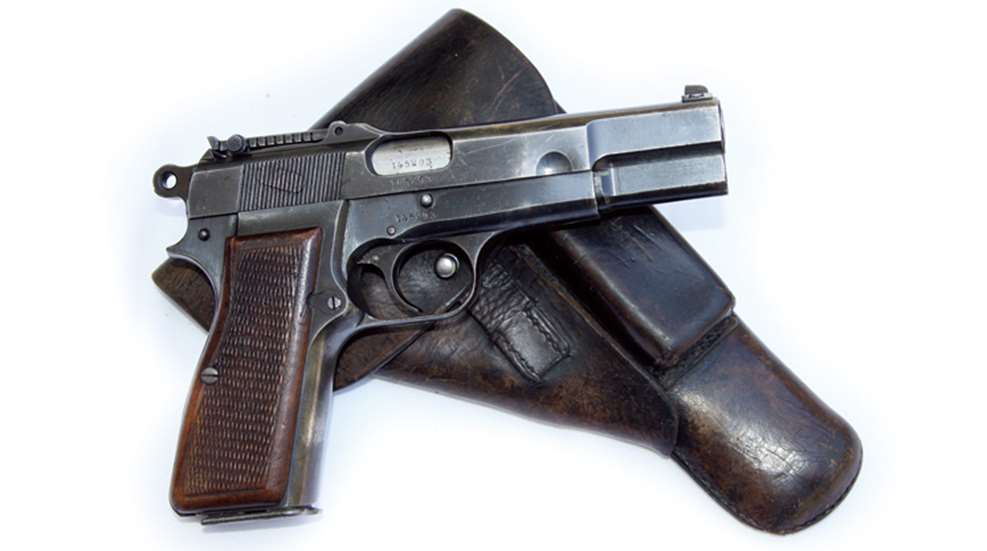
Thus, a handgun such as the Browning High Power, which has a magazine disconnect, cannot be fired if the magazine is even partially withdrawn, as the firing pin is mechanically blocked from striking the primer. With the magazine fully reinserted, the handgun becomes operational again.
For some, the presence of a magazine disconnect is a welcome feature and another layer of mechanical safety—of course, no mechanical device should take the place of common safety practices, including always keeping the muzzle pointed in a safe direction and assuming every gun is loaded.
Nonetheless, the inclusion of a magazine disconnect has some potentially serious drawbacks in a handgun intended for defensive use. For example, if the magazine has not been completely seated in the gun, which can happen, especially under stress, the pistol will not fire. Too, inadvertently depressing the magazine release while drawing the pistol has the same unwanted effect.
Also, while performing a tactical reload, in which a partially empty magazine is replaced with a fully loaded magazine in a situation where increased capacity might be needed, a magazine disconnect renders the gun useless during the reloading process. This puts the handgunner momentarily in a vulnerable situation with a partially loaded gun that will not operate.
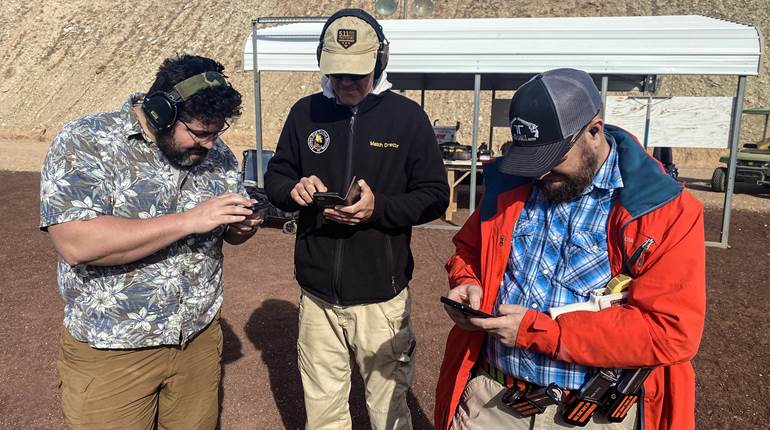
I experienced all of these situations while undergoing the strenuous but comprehensive 250 Pistol Class at Gunsite in Paulden, Ariz. Whether or not you opt for a pistol with a magazine disconnect, it is critical that you understand how your pistol operates (or when it doesn’t) and train to become proficient with whatever handgun you choose.
Most Popular