So, after seeing the specs on Hornady’s .338 ARC (that were so impressive it won our Golden Bullseye Award for Ammunition Product of the Year, mind you), I set out to build a lower receiver for a new .338 ARC-chambered AR-15. I’ve built a number of AR-15-style rifles in the past, from a super lightweight rifle to a long-range build to an extremely dependable defensive carbine. On a side note, much like one’s shooting skills, AR-15-building skills are perishable, and if you don’t practice regularly, you have to go back to the basics. And of course, by that I mean Brownells’ excellent “how-to” videos…
There are hundreds if not thousands of ongoing discussions/arguments over the materials that go into an AR-15 lower receiver. Some maintain that the only way to build a rifle is to start with only the highest of top-tier components—and, let’s stipulate, there’s nothing wrong with that idea. Buying the best ensures that all parts are designed well, will work together easily and will accomplish your goal of having an accurate, reliable rifle. But—and you knew there was a “but” coming—that does come at a cost. If you want to save money, where should you (and shouldn’t you) look?
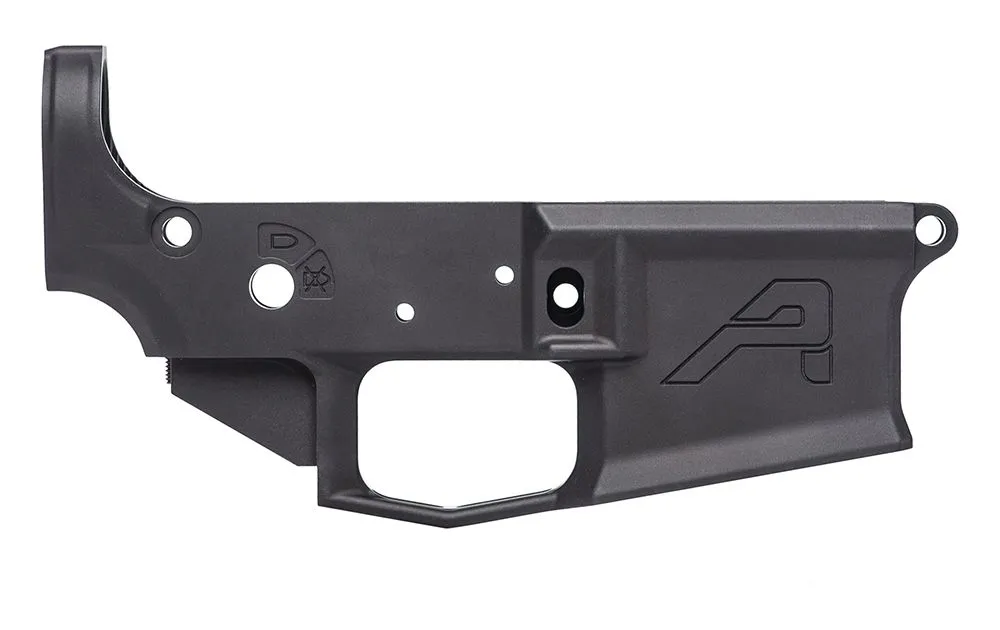
Start with the most obvious of parts: The lower receiver. For this build, I’ve opted for an Aero Precision M4E1 lower receiver. Aero Precision makes excellent parts, and every build I’ve completed with a receiver, handguard or other component from Aero has worked perfectly. Receivers should be well within mil-spec, so that components will fit as designed, and the M4E1 has a couple extra features that make it stand out. First, there’s an integral trigger guard. Yes, the standard carbine has the trigger guard that allegedly can be moved out of the way for gloved fingers. I never use that (ever), so I prefer the trigger guard be integral. Second is the bolt-catch—Aero has a threaded pin rather than a hole for a roll pin. It’s a little thing, but it makes the install easier.
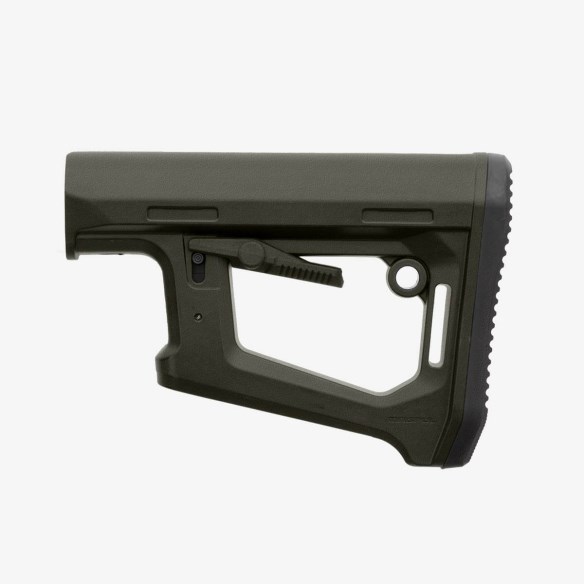
A quick word on furniture: Because the AR-15 is so incredibly modular, furniture is highly subjective and easily swapped. I’ve opted for a Magpul MOE+ grip and new(ish) DT-PR adjustable stock. This rifle will most likely be used to control feral hog populations and may require some slightly precision shooting, but still needs to be carbine-length for portability. The DT-PR is designed as a carbine-friendly, precision-rifle (PR) option with Magpul’s proprietary dual-tension (DT) system to keep it steady. Your mileage may vary, and changing a carbine stock is about the easiest change (other than magazines) out there.
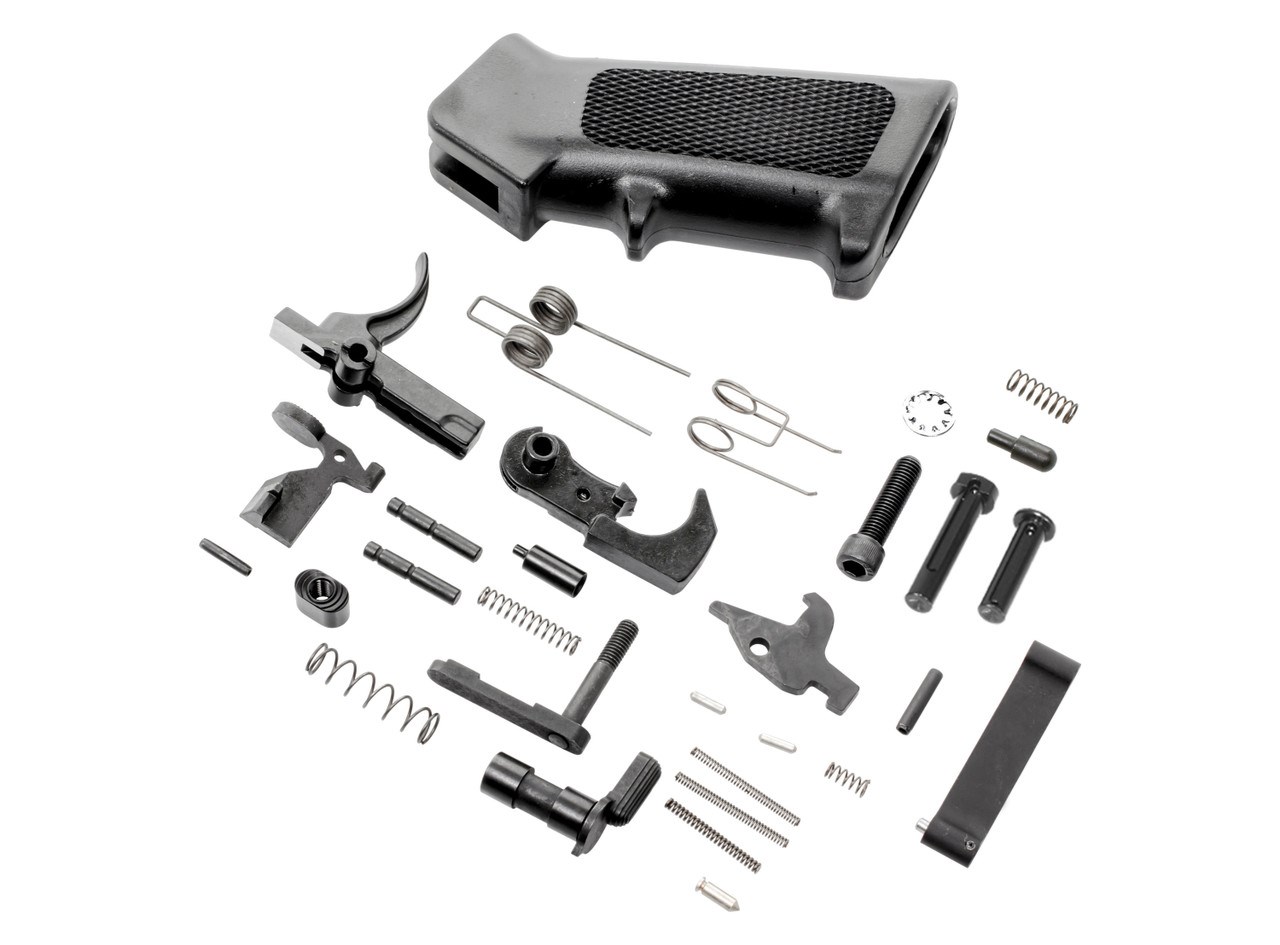
For the parts kit, I’m a big fan of CMMG’s color-coded kits. Five color-coded bags contain components that (for the most part) are related: Pins and detents, bolt catch, hammer and trigger, magazine catch and safety selector and pistol grip. I like this kit because, for example, the magazine-catch spring and the magazine-catch and release button are all together, so there’s no second-guessing yourself on the right spring. Buffer tubes, springs and buffer are also an area where middle-of-the-road components will work just fine, as long as you don’t need specialized gear such as a different-weight buffer for a short barrel large-format pistol (as an example). Also, as a side note, CMMG offers marked "338 ARC" magazines as well.
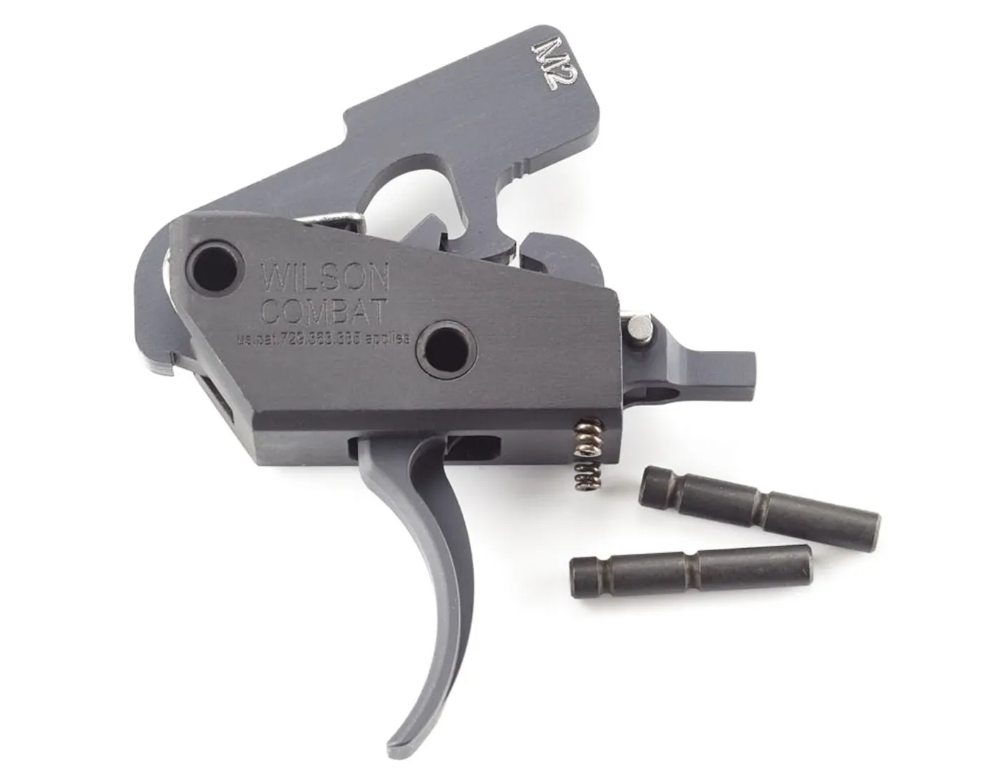
Lastly, and most importantly in my opinion, is the trigger: I maintain that there are really only three main parts in an AR-15 that lead to it working … or not—barrel, bolt-carrier group and trigger. Barrel and bolt-carrier group are in the upper receiver and not part of this article, but here we’re talking about the trigger. Mil-spec is, well, underwhelming; it works just fine if you’re looking for a single-stage trigger with a moderate pull weight. Since this 338 ARC build is going to be a little more refined, I’ve opted for the Wilson Combat TR-TTU Tactical Trigger Unit. It’s a light-but-not-too-light trigger that allows excellent control when needed.
Are these parts the best/most expensive/recommended by the guy you know at the range who’s always weighing in? Maybe. Maybe not. I’ve tested them in previous builds and have found them all to perform exactly as advertised/just how I like it, so that’s what I use. That’s not saying that less-expensive options should automatically be discarded; with the exception of the trigger, which is still far from the most expensive one out there, most of the parts chosen for this are decidedly middle-of-the-road but fully functional.
Most Popular