Q: I have repeatedly seen the descriptor “G10” used in the magazine in reference to the stock panels on modern pistols. Obviously it has nothing to do with the group of countries involved in the Int’l Monetary Fund, so what, exactly, is G10?
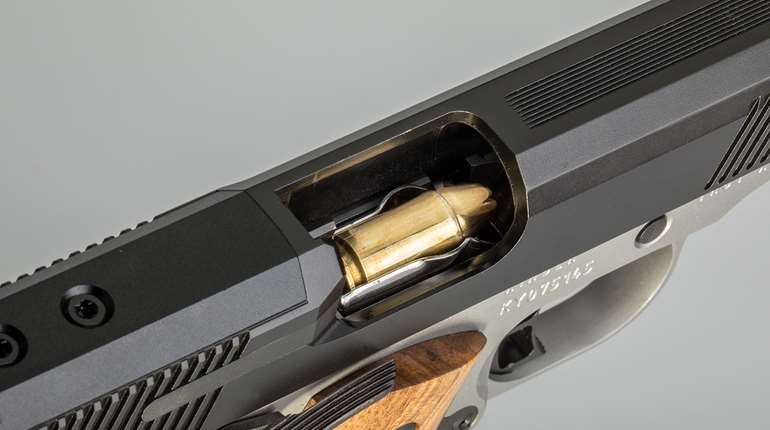
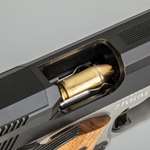
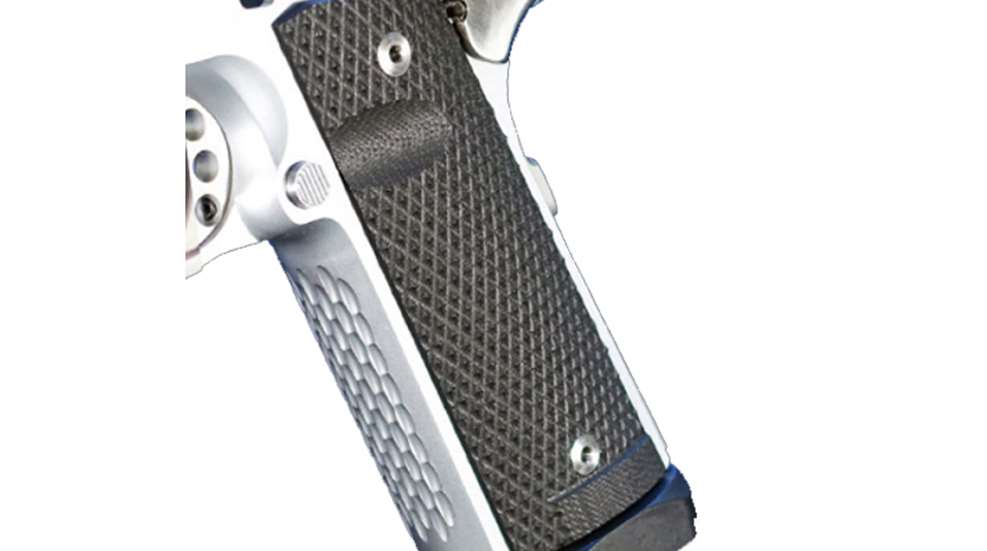
A: Your instinct is, of course, correct with regard to G10—it is indeed a material rather than a body of state financial backers—and its use in the manufacture of knife scales and handgun stocks seems to be increasing. Described generically, G10 is a layered laminate composite material formed when sheets of epoxy-soaked cloth are stacked, compressed, heated and cured to form a solid sheet or block. It was first used to manufacture printed circuit boards. Not entirely dissimilar to Micarta and carbon-fiber laminates, G10 is, nonetheless, likely the toughest of the lot. It is non-conductive, resistant to impacts and chemicals, and easily-machined. Recent uses in firearms include the aforementioned stock panels—in fact, the design of the Techwell, a machined-aluminum magazine well for M1911-style pistols, relies on G10’s strength to hold the metal component in position against the pistol’s frame. Also, VZ, a prominent supplier of factory and aftermarket G10 handgun stocks, has made a line of spear-point daggers from the material. Finally, our recent coverage of Springfield Armory’s 911 pistol in .380 ACP noted that three of its components, the mainspring housing, trigger and stock set, are all machined from G10.
Because of its layered nature, G10 can be manufactured using multiple colors and, when machined into various shapes and/or textured by way of bead- or sand-blasting or polishing, will display a distinct variegated appearance that many users find appealing. Fabricators of the material are forewarned, however, that a respirator and proper ventilation should be employed to keep G10 dust out of the lungs when it is being ground, sanded or blasted.
Most Popular