As politicians thrash around for "doing something” about deranged, dejected homicidal narcissists, many have settled on the Australian model of gun control. But few Americans understand what that really means. In 1996 one of the most horrific mass murders perpetrated by a single deranged individual occurred at Port Arthur in Tasmania. Within weeks, then Prime Minister John Howard railroaded through a Draconian gun-control bill.
Australian gun owners were not as organized at the time as National Rifle Association of America (although the Shooting Sports Association of Australia today is very effective). Also, as a former British colony, self-defense was not a valid reason to own a firearm in the eyes of the state. And, of course, the Australians have no Bill of Rights that includes the Second Amendment. Like many other former British colonies after World War I, the fear of Bolshevism spurred restrictions on handgun ownership. Australia also had a licensing scheme in place for all firearms.
The new law rushed through the state governments “Down Under” not only banned the future sale of certain categories of firearms, but put the full force of the Australian government behind confiscation of entire categories of guns from law-abiding firearm owners.
The government voted to pass a tax on all Australians to pay for the one-time “buy back," which begs the question: How does the government “buy back” something that never belonged to it? This was the personal property of law-abiding Australian subjects.
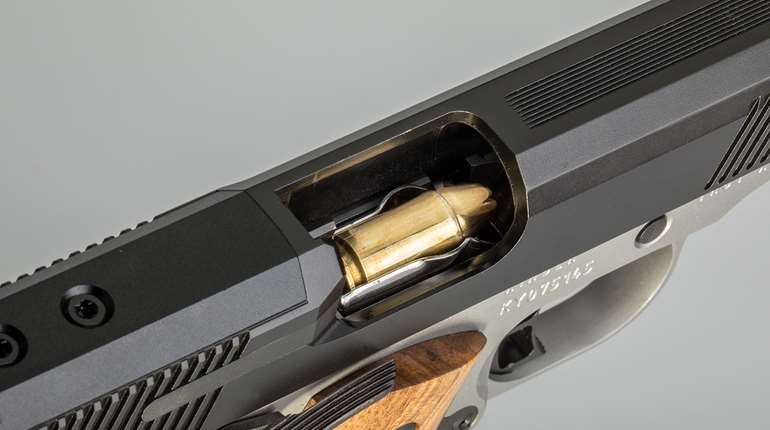
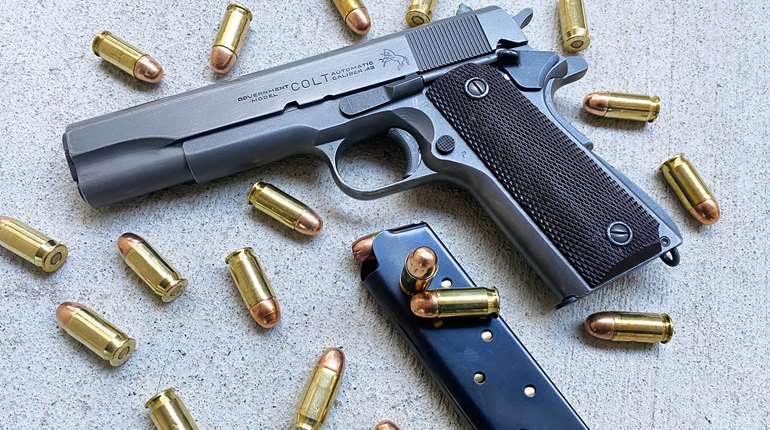
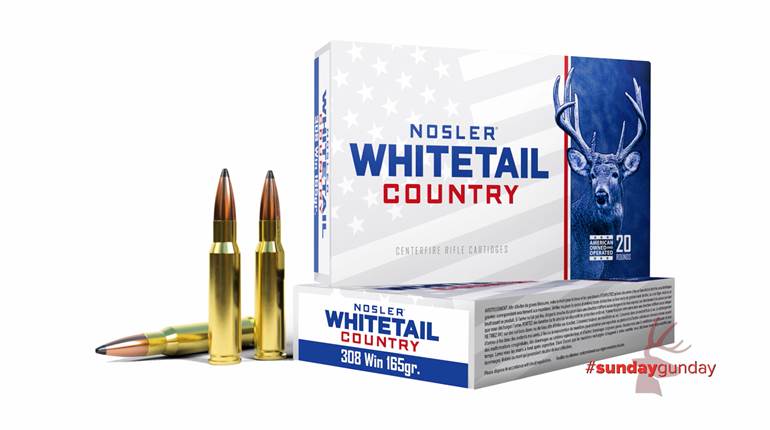
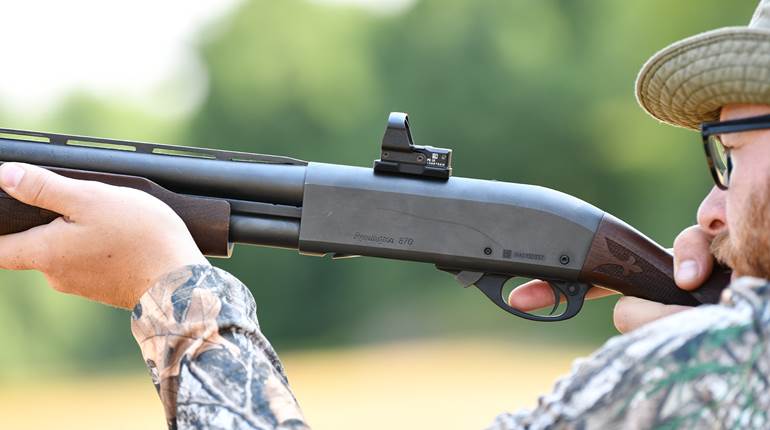
And what guns were banned? Semi-automatic handguns, all self-loading firearms and all pump-action firearms. Ruger 10/22s? Straight to the smelter. Semi-automatic-only service rifles, as used in high-power rifle marksmanship competition, had to go into the shredder. All semi-automatic shotguns, including the Browning A5, too, had to be handed in and destroyed. And the two most popular shotguns in the history of the world—the Remington Model 870 and Mossberg Model 500—were confiscated and destroyed. All of them—because the government had the name of each gun owner, the type of gun and its serial number. The image above appeared on the cover of the Nov/Dec 1998 American Rifleman and shows confiscated firearms that once belonged to Australian citizens being destroyed in mass quantity.
So when anti-gun politicians say "they don't want to take anyone's guns away" but bring up the Australian model, or even worse the British model, they are being untruthful. The heart of Australian gun-control is the confiscation of firearms from peaceable gun owners.
An Australian acquaintance was recently visiting the United States. This was a man who had served in the Royal Australian Regiment in Vietnam, and had never committed a crime in his life. And he recounted, one by one, his guns that were taken from him—which included some that had been in his family for generations—and he told me in no uncertain terms, "Don't let them register your guns, Mate. Because once they do, they can come for them anytime they want.”
Most Popular