Was There Ever An M15 Rifle?

by
posted on September 21, 2025
** When you buy products through the links on our site, we may earn a commission that supports NRA's mission to protect, preserve and defend the Second Amendment. **
M15 Archive

This article, from the September 1975 issue of The American Rifleman, is correspondence between an NRA member and Dope Bag Contributor Kenneth C. Raynor regarding the existence of an M15 rifle. To subscribe to today's magazine, visit the NRA's membership page.


Q. The last two rifles adopted and used by the U.S. Army were the M14 and M16 models. Was there ever an M15 rifle. If so, what can you tell me about it?


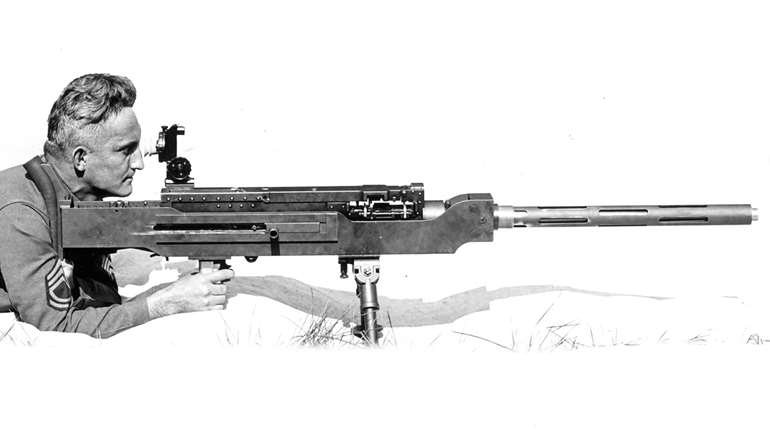
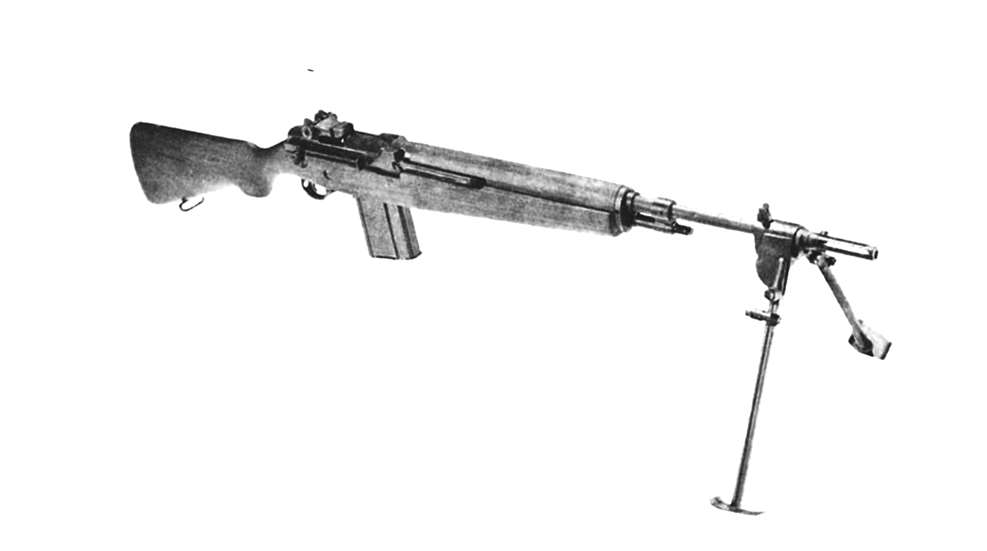
A. Yes, there was an M15 rifle officially designated “Automatic Rifle, Caliber 7.62 mm., M15.” During the developmental stages, it was referred to as the T44E5. This rifle was basically the M14, but had a heavier barrel, heavier stock, a bipod, hinged buttplate, and a selector for full automatic fire. (The issue M14 also had the stud for automatic fire but no selector.) Both M14 and M15 rifles were adopted on May 1, 1957.

The original purpose of the M15 was for use in place of the M1918A2 BAR (Browning Automatic Rifle) as the infantry squad automatic weapon. The BAR weighed 20.8 lbs. while the M15 weighed only 14.1 lbs. Another advantage was that all members of the squad would be using the same rifle cartridge. However, the M15 was never mass-produced. Soon after adoption of the M14 and M15 rifles, it was decided that other changes could be made to the M14, leaving barrel and action the same, so that it could handle the squad automatic weapons job.
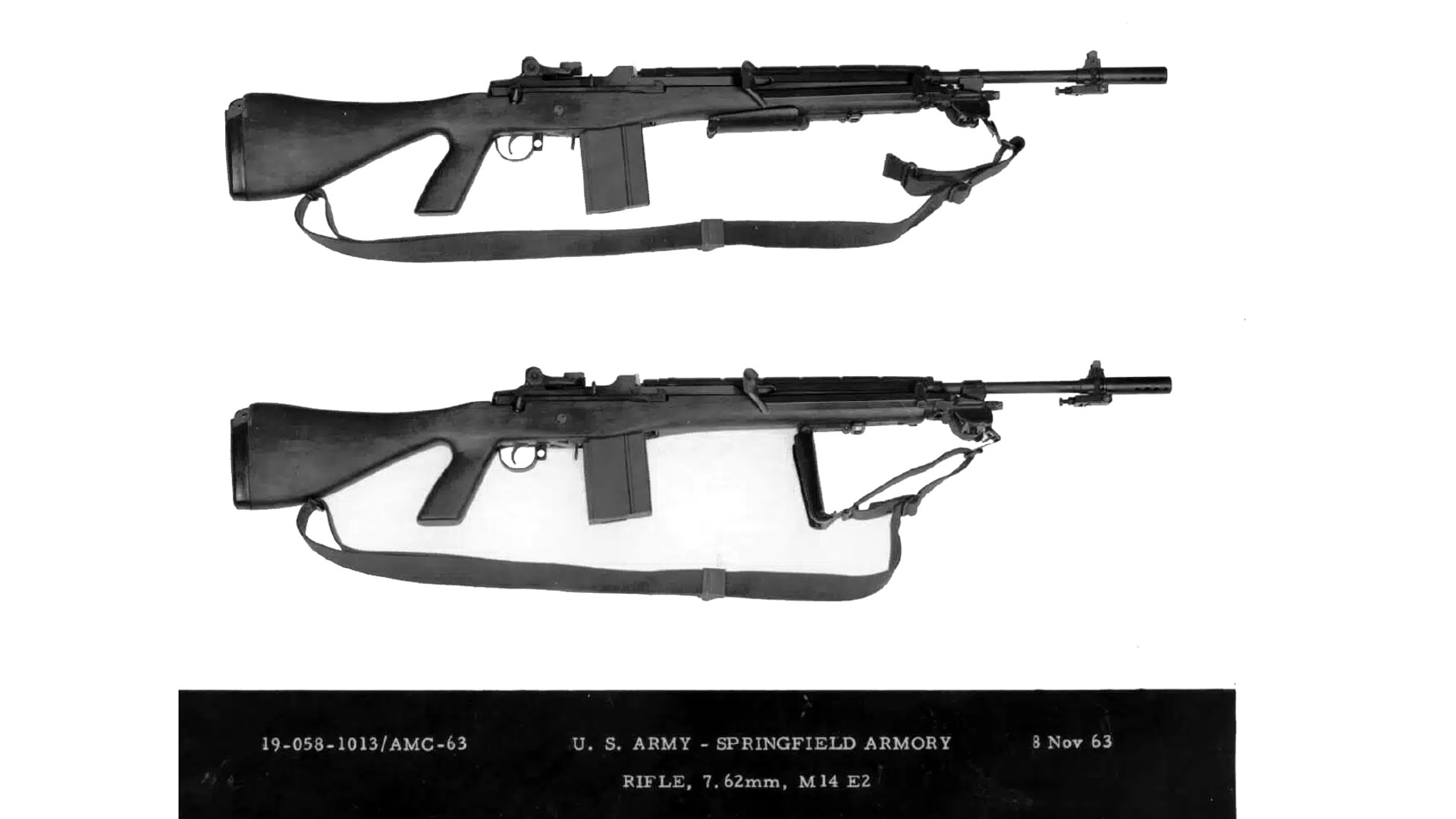
M14E2 rifles comparison shown with sling and photo data from springfield armory
Springfield Armory was a major contributor in the M14E2 project during the 1950s. Note the folding vertical grip and bipod attached. Photo courtesy of the National Archives and Records Administration.

The M14E2 was the finalized automatic rifle version of the M14. Developed by the U.S. Army Infantry Board at Fort Benning, Ga., with the help of Springfield Armory, it was produced for use as the squad automatic weapon. Not widely used in service, this arm was soon supplanted by the M60 machine gun.

—Kenneth C. Raynor

Latest

French Charleville History 1

The French Charleville: Workhorse Of The American Revolution

Often overlooked, the French "Charleville" infantry musket was one of the most significant longarms of the 18th and 19th centuries and was integral to the success of the Continental Army during the American Revolution.

Lisa Tuason Appointed Interim CEO of Armscor/Rock Island Armory

Following the unexpected passing of Armscor President and CEO Martin Tuason in November, Lisa Tuason was appointed as interim CEO in early December, ensuring continued family leadership.

Preview: BullyWerx BullyTRAKR

Ultra-compact and stealthy by design, the BullyTRAKR is a discreet electronic tracking device that uses nearby smartphones and Wi-Fi Positioning System (WPS) to keep tabs on valuables through that encrypted WPS technology.

I Have This Old Gun: P08 Luger

One of the most iconic sidearms ever made, the P08 Luger was a mainstay in the German army from before World War I until the end of World War II.

Wilson Combat Honors Melvin Forbes With NULA Model 20 Tribute Rifle

Wilson Combat is honoring the 40th anniversary of New Ultra Light Arms, the company founded by legendary riflemaker Melvin Forbes and now part of the Wilson Combat family of companies.

Preview: Otis Technology Pro+ Snap Caps

Dry-fire training is one of the most effective ways to easily improve your firearm-handling skills at home, and safely performing reloads and manipulations requires a good set of snap caps tailored to your firearm.

Interests


Get the best of American Rifleman delivered to your inbox.