** When you buy products through the links on our site, we may earn a commission that supports NRA's mission to protect, preserve and defend the Second Amendment. **
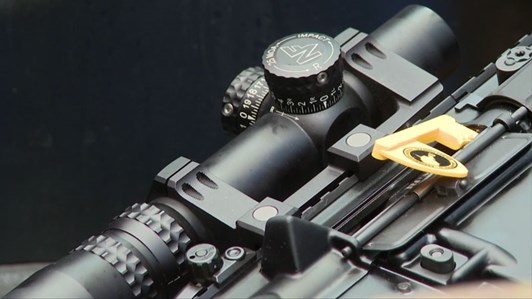
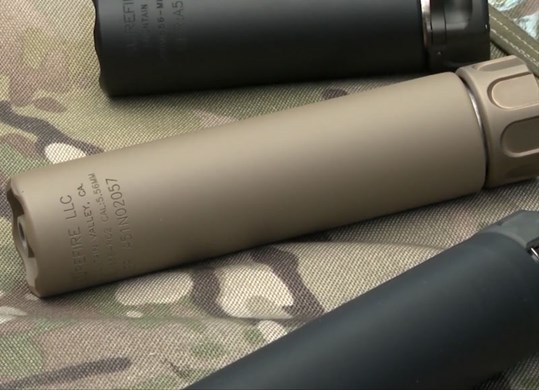
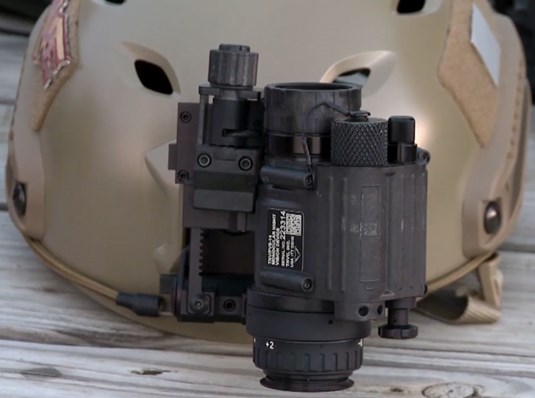
Looking for ways to functionally accessorize your carbine? We follow some competition shooters through a day of training and shooting out at the Peacemaker National Training Center in Glengary, W. Va., during which, through a series of shooting and interview segments, these experienced gunslingers discuss various types of sound suppressors, scopes, flashlights, infrared lasers and night vision, and where each may or may not be applicable. For more, check out this feature segment from a recent episode of American Rifleman TV.
For all-new episodes of American Rifleman TV, tune in Wednesday nights to Outdoor Channel.
For all-new episodes of American Rifleman TV, tune in Wednesday nights to Outdoor Channel.