April 2025 marks 250 years since the famous "shot heard round the world" was fired, beginning a chain of events that resulted in the establishment of a new American nation. The militiamen who stood in defiance on Lexington Green are the first who fired upon the British regulars, but the road to revolution was paved long before gunfire erupted on that cold April morning in Massachusetts. Watch our "American Rifleman Television" feature above to hear about the events and actions that set the stage for what occurred at Lexington and Concord on April 19, 1775.
"A lot of people today think of the American Revolution in broad strokes as being, you know, these rugged, hardy American frontiersmen, clad in buckskin hunting shirts, with their longrifles, sniping off British officers at hundreds of yards, and they view the British as being these stodgy redcoats who are traipsing in rigid lines across open fields, just waiting to be shot at," American Rifleman Executive Editor Evan Brune said. "When you start to look at the facts, you realize that there there's not a ton of truth to a lot of it."
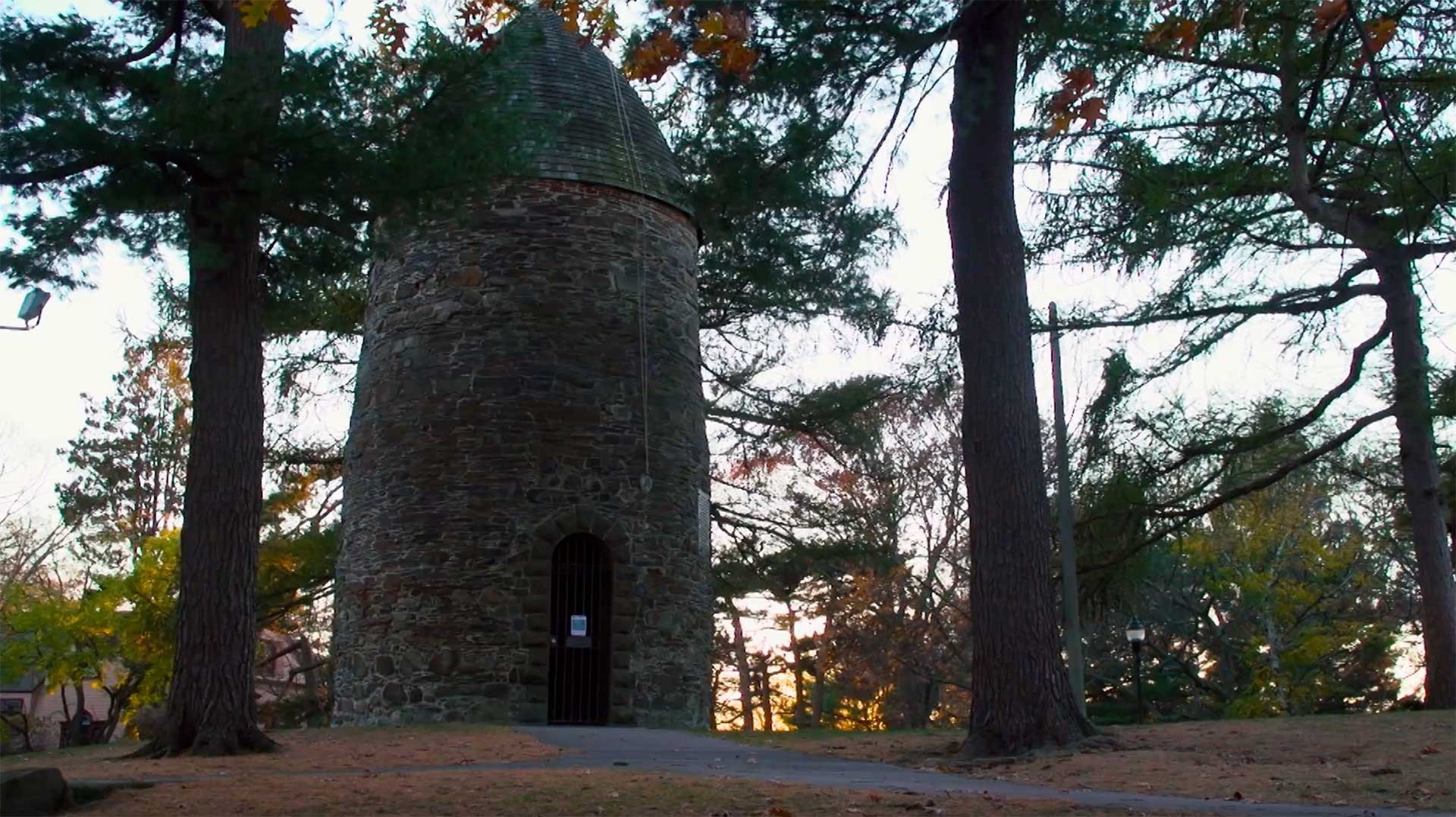
Far from being aloof, British military leadership was keenly aware of the buildup and availability of arms, ammunition and other supplies available to militiamen surrounding Boston. In September 1774, General Thomas Gage, the military governor of Boston, sent out a detachment of British regulars to empty out the Charlestown Powder House, where gunpowder was kept and made available to local militia groups. The approach of the regulars sent out alarms across the countryside.
"Luckily, there wasn't a fight at that time because the provincials were not ready yet," arms historian Joel Bohy said. "They were starting to ramp up their militia service and arming themselves better. Towns had been voting right at that same time period to up their stock of ammunition and guns. But they weren't at a point where they were gonna be equipped and prepared enough to fight the British army."
The Massachusetts Powder Alarm, as the September 1774 event became known, alerted colonial leaders that more needed to be done if they were going to confront the British army on American soil.
"One thing that became abundantly clear in the run up to revolution was there was no real centralized plan. There were no centralized stores to sustain any of these defensive efforts on the part of the colonists, any of these militia bands," Brune said. "So the decision was made that they needed some kind of centralized structure in order to potentially respond to threats, particularly from the crown, from these king's troops that are stationed in Boston. And so it's September of 1774 that they form Committees of Safety."
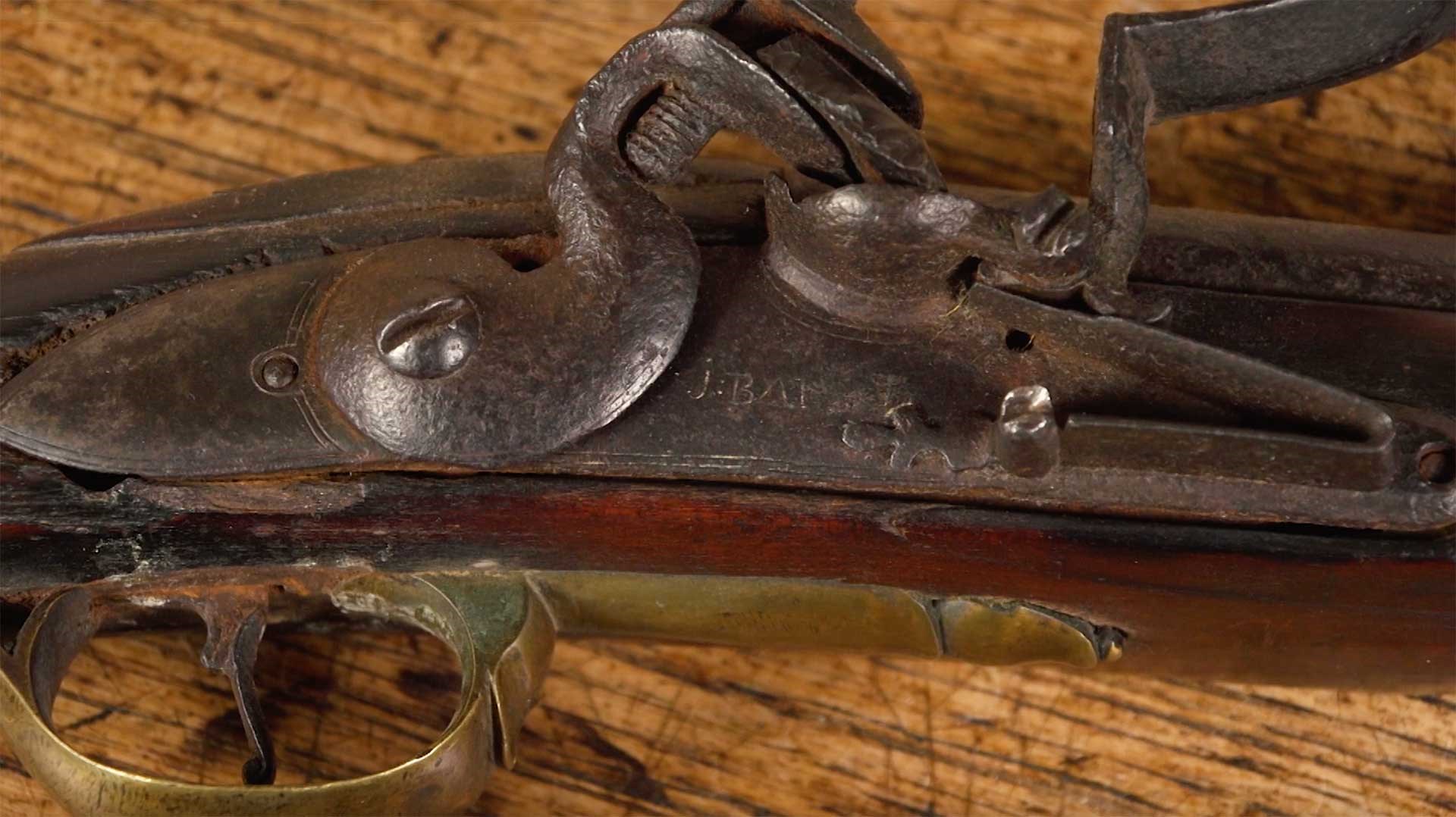
From the beginning, Committees of Safety focused on how to adequately arm many of the militiamen in the surrounding towns and counties. Guns were being built from leftover parts, as surviving Committee of Safety muskets attest to. Additionally, surplus arms remaining from the French & Indian War were also being purchased in large numbers.
"As the buildup to war progresses, you can see a lot of towns buying a stock of arms. So they would go out and buy chests of arms so that they could issue them out or loan them to people in the town that couldn't afford or procure a gun," Bohy said. "We don't know what types of arms these are. They may have been leftover, captured French guns. More than likely, they are. But you also see a lot more ramping up of people building guns and taking old parts and building them into guns."
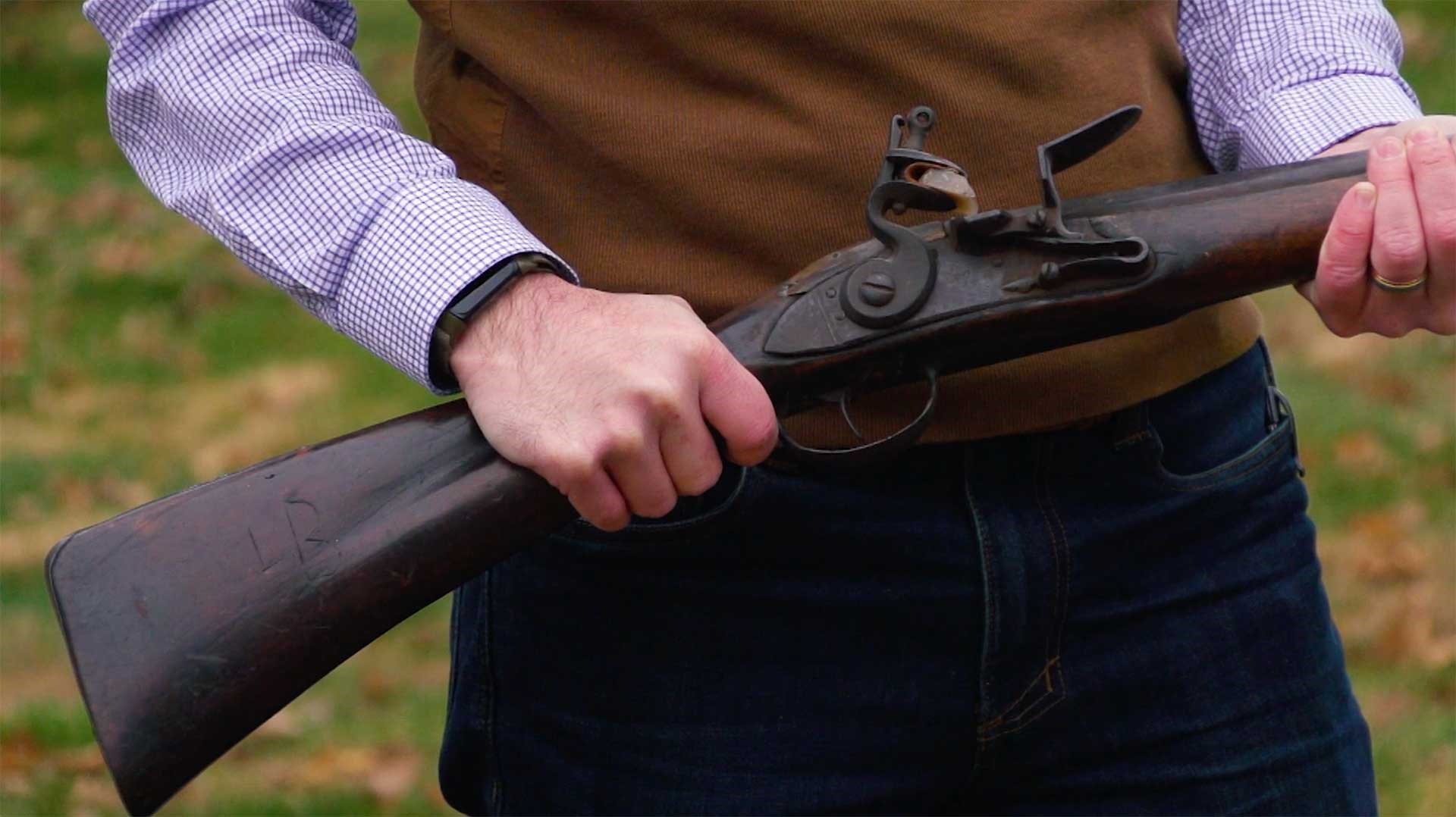
As the arms buildup continued from late 1774 into early 1775, the British military sent more and more expeditions into the countryside with orders to uncover caches of ammunition and powder, leading the colonists to make efforts to conceal their supplies. Increasingly more aggressive confrontations began to occur between the British expeditions and the locals.
"In late 1774 and early 1775, you start seeing more expeditions going out into the surrounding countryside in Boston, and they're finding these supplies. They're destroying them. They're throwing musket balls in ponds. They're dumping powder into the rivers, and, and there's outrage, there's uproar about this. There are even a few standoffs," Brune said. "April of 1775 is a little different."
One of the largest caches of militia supplies was located in the town of Concord, Mass., where militia groups kept musket balls and even several artillery pieces, along with other stores meant to supply an army. To find and destroy these supplies, Gen. Gage assembles the largest British expedition yet. More than 700 men are assembled for the mission, with several hundred British grenadiers and light infantrymen forming an advance column that will clear the way for the main military force that follows.
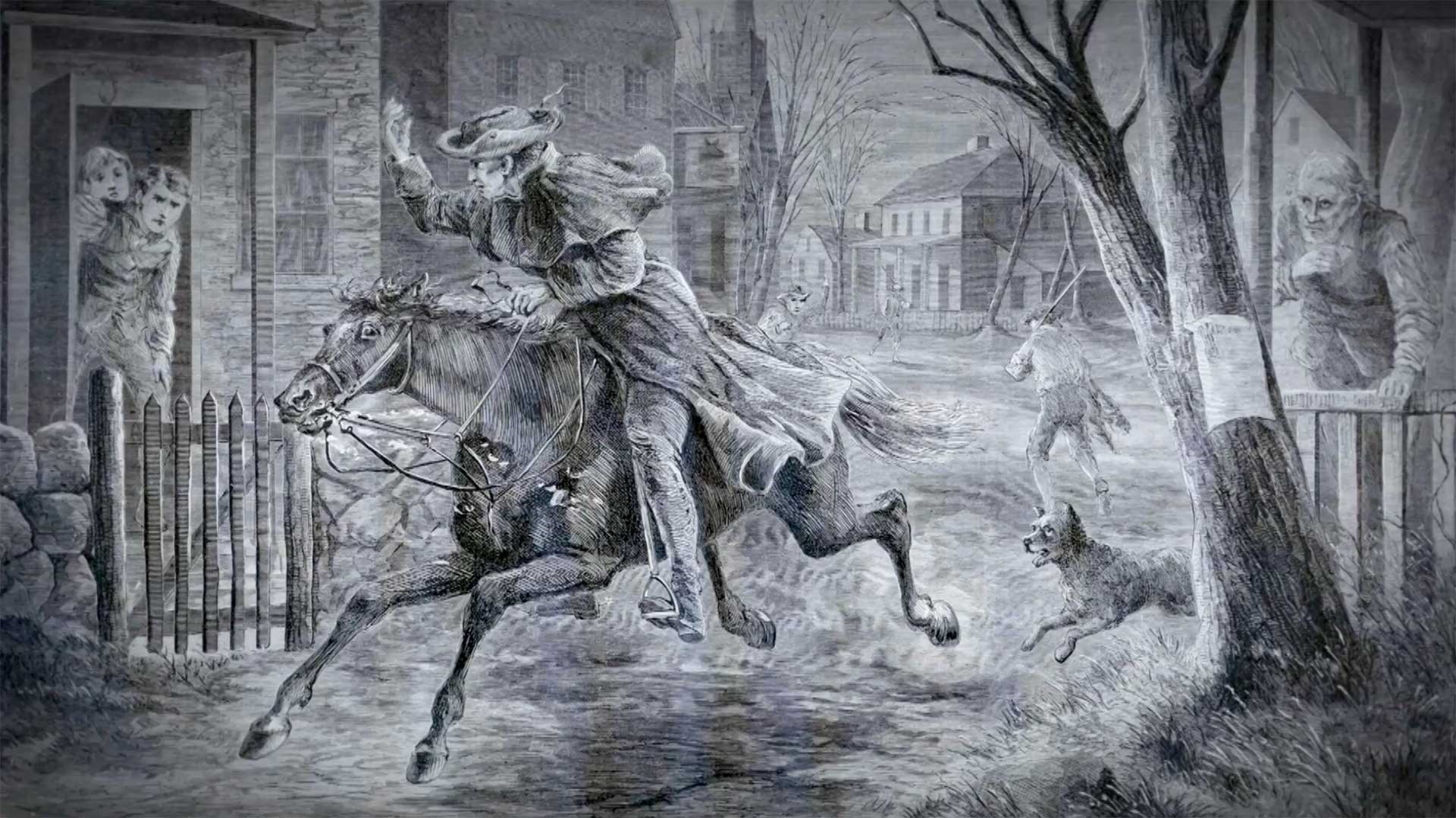
"So they make their march on the night of April 18th. The only thing is, is that the provincials have been watching them. There was a slew of people who were specifically watching the British in Boston and every move they were making, so they knew well in advance. It was a patrol that was sent out, and around eight o'clock at night, that patrol was seen on the 18th and reports start to filter out," Bohy said. " All of these minute and militia companies who had been training in advance of this event and making sure they were armed and equipped start to turn out, form up and march towards Concord with their companies."
To watch complete segments of past episodes of American Rifleman TV, go to americanrifleman.org/videos/artv/. For all-new episodes of ARTV, tune in Wednesday nights to Outdoor Channel 8:30 p.m. and 11:30 p.m. EST.