Despite breaking the German “Enigma” codes during World War II, this coup of signals intelligence and code-breaking still could not deliver the all of the detail information needed to flesh out the Allied assessment of German defenses in Normandy.
In the ongoing intelligence war, the role of the French Resistance was to provide critical data about German troop dispositions, weapons and defensive positions in Normandy and elsewhere in France. Agents and couriers, while effective, were extremely rare and increasingly likely to be caught. Radio transmissions were limited by the technology of the time and by the abilities of any given resistance cell. Ultimately homing pigeons, a staple of military communications for centuries, became an important tool for Allied intelligence, and an equally important target for Germany.
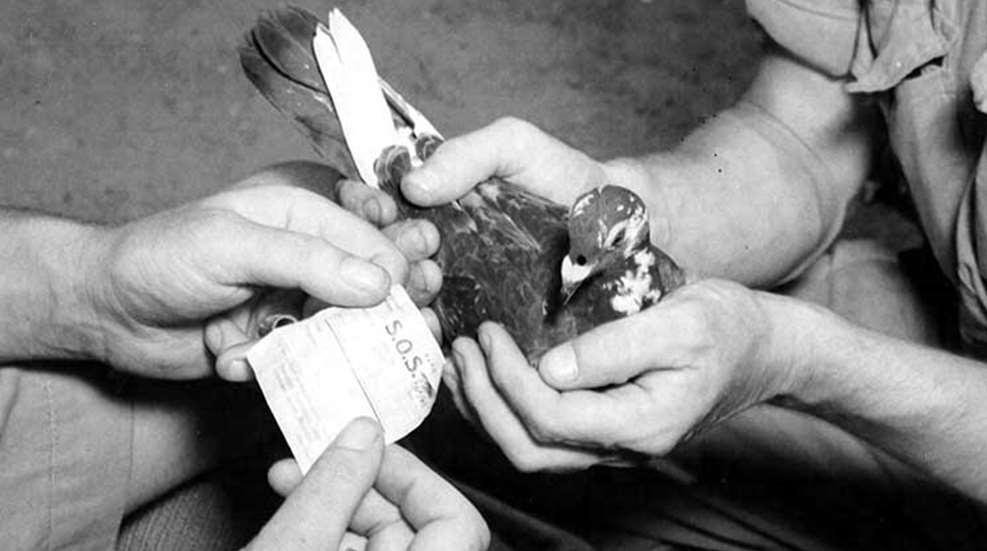
The use of homing pigeons in Occupied Europe began as simple program during 1942. Originally, British Intelligence dropped large numbers of homing pigeons to citizens in Occupied Europe. The pigeons came equipped with a questionnaire about the activities of German troops in a specific area. More than 16,000 pigeons were dropped into Occupied Europe and approximately 1,800 made their way back to England. The German “Abwehr” intelligence service worked diligently to intercept the homing pigeons, often replacing legitimate messages with counterintelligence information.
Homing pigeons were also regularly used by French Resistance as an alternative to radio transmission. German radio detection teams were particularly aggressive and effective, and as the intelligence war heightened, many French resistance cells would not use radio transmitters for fear of discovery. Homing pigeons became a key communications tool to deliver important intelligence data about German defenses along the Atlantic Wall. The use of pigeons to communicate intelligence across the English Channel was soon discovered by German forces. Straightforward countermeasures followed.
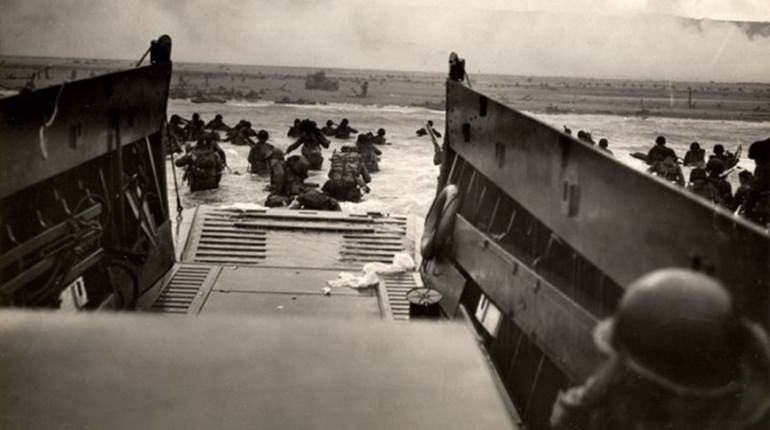
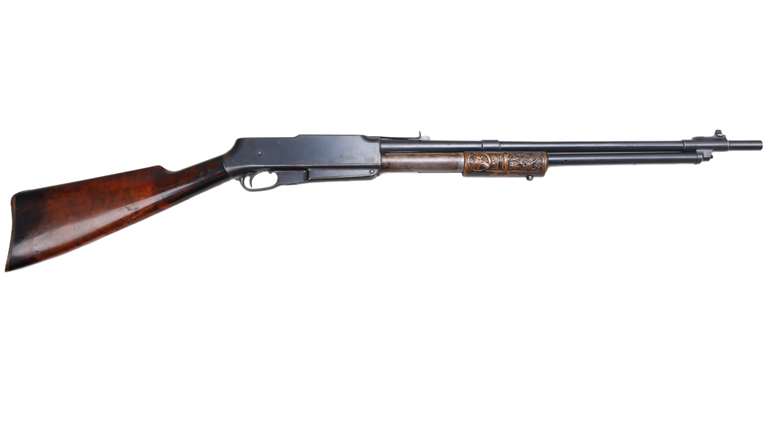
The German 352nd Infantry Division, stationed near what would become “Omaha Beach” in Normandy conducted regular pigeon patrols from early 1944. Civilian shotguns of various types replaced the troops’ standard Mauser Gewehr 98k rifle. Several dozen pigeon “kills” were recorded. Despite these efforts, some information got through, and yet German troop strength and beach defenses on Omaha Beach were badly underestimated. The rest, as they say, is history.