We’ve all heard the advice to write down the make, model and serial number of firearms and to store the inventory in a separate and secure place. The Bureau of Alcohol, Tobacco, Firearms and Explosives even has a PDF form you can download and use for free. And, by the way, a “secure” place isn’t necessary stored on your computer (or anything) that will probably disappear in the same heist.
Photos will help, too (especially with insurance claims), so I spent two full days taking images of guns, optics, weaponlights and even rangefinders after nearly becoming a victim two weeks ago. That’s a lot of time behind the camera, making printouts and writing DVDs. Don’t get me wrong. It’s worth it and you should do the same, but you might as well learn from my mistakes.
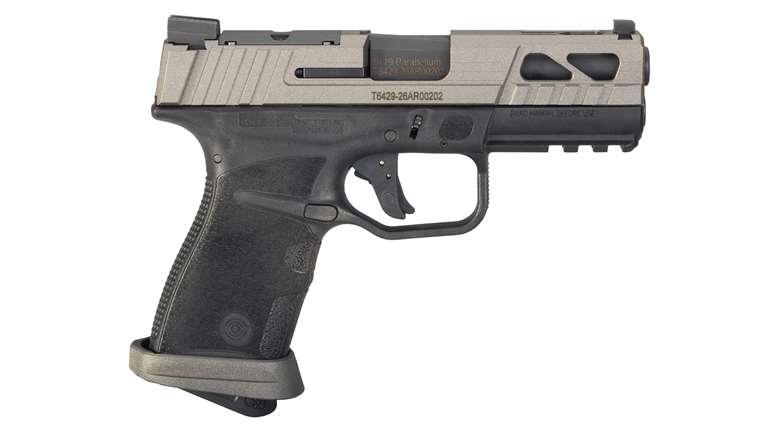
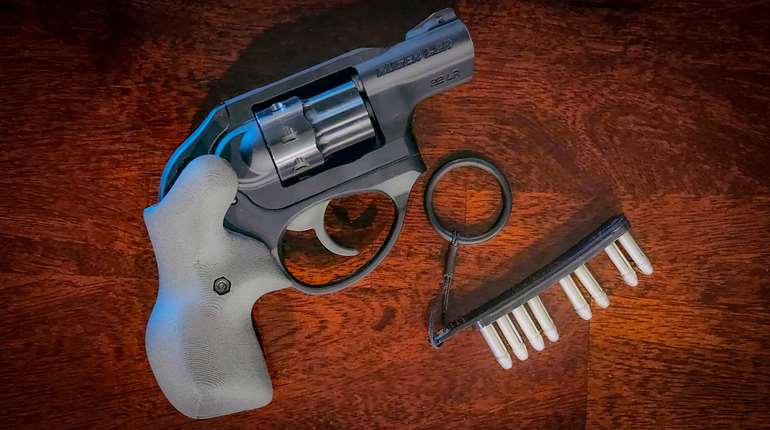
First and foremost, don’t bother turning on your digital DSLR. These aren’t magazine-quality glamour shots. The above photo of a Beretta Px4 Storm I took several years ago is a good example of what not to do. That image is not going to help law enforcement ID the gun during a bust or pawn shop inspection, nor will it provide a redundant record of the serial number.
I can’t believe I’m recommending this, but use your cell phone camera. Yes, they stink. You can’t even hold one steady in low light and sometimes the flash acts more like the whole-body scanner at an airport (which is oddly OK at the beach, but not in this case).
It’s up to you whether the photos stay on your phone. If they do, however, and they back up a moving van while you’re away you’ll have a complete record intact. Plug your phone into your computer, download them, burn them to DVD and place in a secure place the crooks won’t loot (like your limited-edition director’s cut of “Dirty Dancing” sleeve). Make another and leave it at a trusted friend or relative’s house, or even a safety-deposit box.
To me, taking the photos (which I’ve already begun) with absolutely no control over exposure is like working in a cubicle-no matter how hard you try, you’re only going to be frustrated with the results and everyone gets to watch. Get over it. All you need is documentation for insurance if applicable, and law enforcement.
Here’s how I began, but I’m sure others will have some better ideas. First I scored two big pieces of white poster board from a craft store. I always have some white Styrofoam hanging around, too, and place it next to guns to reflect light into those dark corners.
Find a shady spot in your yard or garage and lay the poster board down, end to end (long enough for your long arms, hopefully). If the nosy lady with the Pekinese next door is home, don’t go outside. Then, lay the first gun down (check and double check to make sure all are unloaded) and take a full-length photo. If it’s too dark, force the flash on (exactly how varies by cell phone), which is what I had to do with my dark blue or polymer handguns.
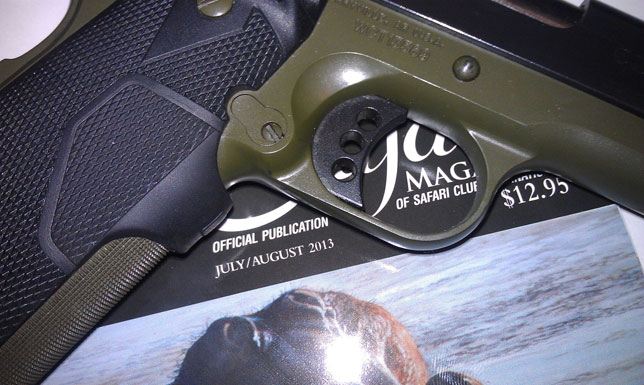
Next, get a magazine or newspaper with a recent publication date and place it on the poster board. Now, move the gun so the serial number is visible and close to that date. Make sure the serial number can be read easily, so take a nice close-up. On darker guns you may need to place a flashlight next to it to increase contrast and visibility. If you don’t have a bill of sale, that photo leaves no doubt as to your possession of the firearm on that date (or thereabouts). Metadata carried by the image will confirm, but when a law enforcement officer arrives he or she is not going to waste time as you tear apart photo data on your computer, which is probably gone, anyway.
The image of the gun and date will not be as ironclad as a receipt, but if there’s any claim by the “new owner” that his purchase was lawful prior to that date, you’ll have evidence otherwise. It’s just an added layer of protection for family heirlooms whose receipts are probably long gone.
Simply delete the ones that won’t work and continue shooting until you’re done. It’s not perfect, but it’s one less reason to curse the tiny, gutless, fuzzy and invasive cameras on cell phones that never seem to work on the beach, anyway.
Most Popular