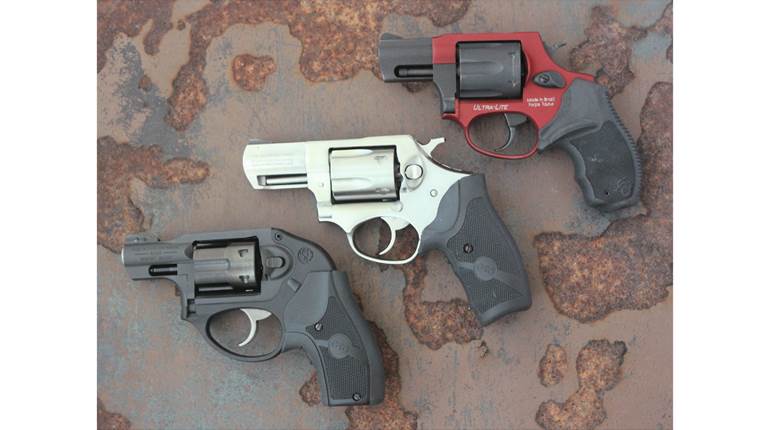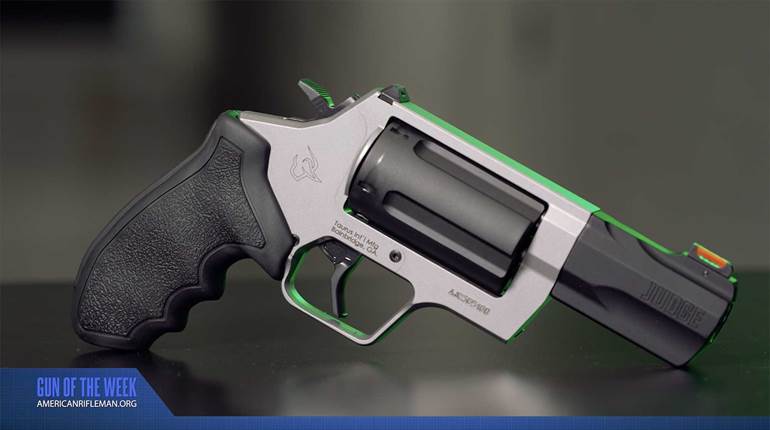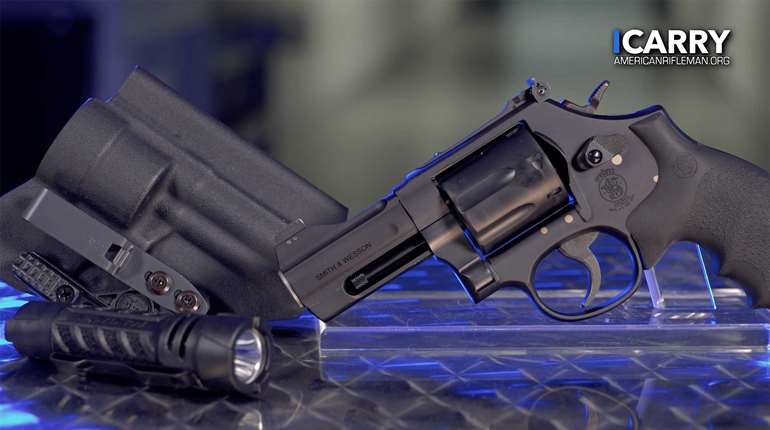
Do you shoot double-action revolvers? Carry or hunt with one? I’m a great fan of them, personally. It started during my law enforcement career, and I had the good fortune to be trained by some real-deal old school gunfighters. One of the many things they taught me was the value of dry-fire practice.
These days, as a professional firearms instructor, I understand the value of dry-fire practice in performing the many thousands of repetitions needed for a skill to become reflexive. That is, the ability to be perform flawlessly without conscious thought. While I feel this is true in my own experience, I have seen it in many of my students.
In this case, those who have mastered the double-action revolver trigger stroke can manage any other trigger system with ease. Another one of my mentors from long ago was a Navy SEAL, who introduced me to the sport of high-power rifle shooting. He was the first to observe that successful revolver shooters can shoot anything well, and I’ve seen it again and again over the years.
I’m also pretty sure I shoot revolvers, in double-action, more accurately than other handguns. Counter-intuitive I know, but there’s a good reason. As I stroke through the double-action trigger pull, I’m concentrating on keeping the sights aligned and focusing on the front sight. While staying on the sights is always a good idea, doing so while stroking the trigger is imperative.
And I said “stroking”, didn’t I? This is different from pressing or pulling the trigger, and dry-fire practice is an excellent way to develop this skill. First, set up a dry-practice target in a place where you won’t be distracted or disturbed, and a bullet would be stopped or trapped if you accidentally fire a shot. To prevent that, unload the revolver, check it, check it again and make sure there is no live ammunition present.
You can also load the revolver with dummy rounds, but to prevent any confusion I prefer to leave it completely unloaded. Trigger finger placement is important in double-action shooting. Rather than press the trigger with the fingertip we need to wrap more finger around the trigger. Now, concentrating on the front sight throughout the stroke, see if you can drop the hammer and “fire” a shot without moving the sights off the point of aim.
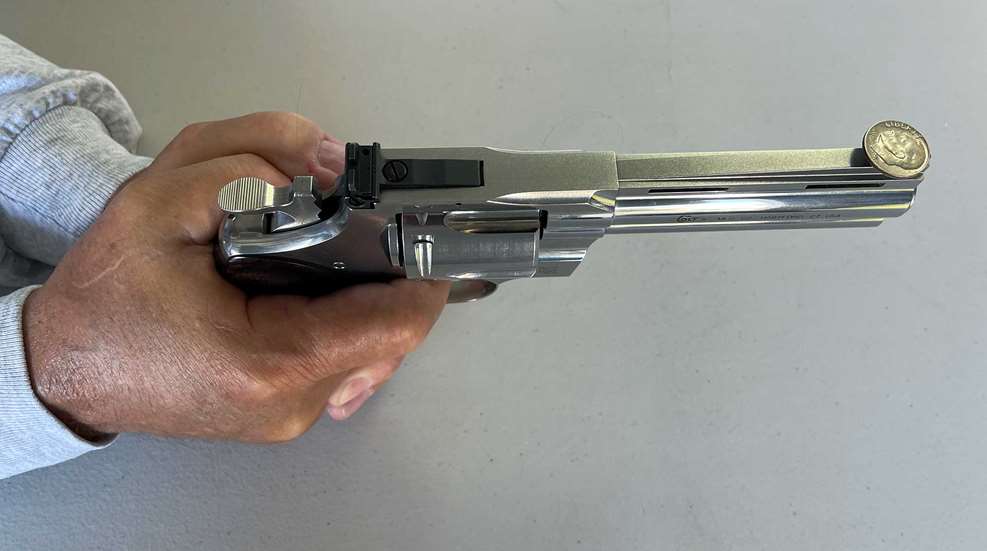
Once that’s going well, try balancing a cartridge case on the barrel. If you’re stroking the trigger smoothly you should be able to drop the hammer repeatedly, all while leaving that empty case in place. Once you’ve mastered that skill try balancing a penny, then a dime on the barrel or the front sight while you stroke the trigger.
I like revolvers, always have and always will. If you haven’t learned to run one your education is incomplete. Give this practice a try and you might surprise yourself when you hit the range.
Most Popular