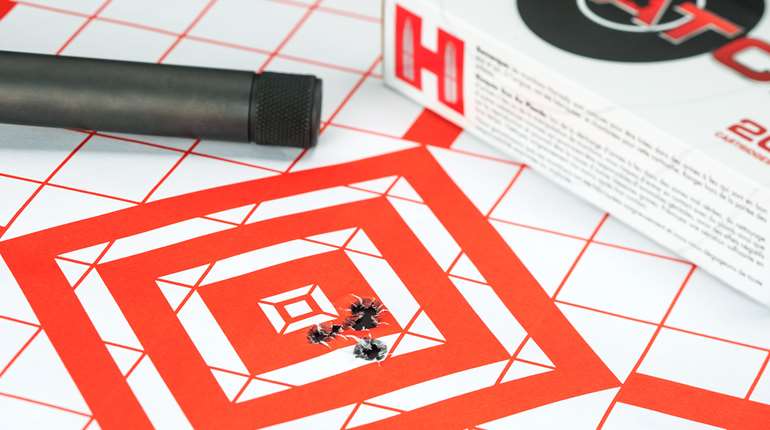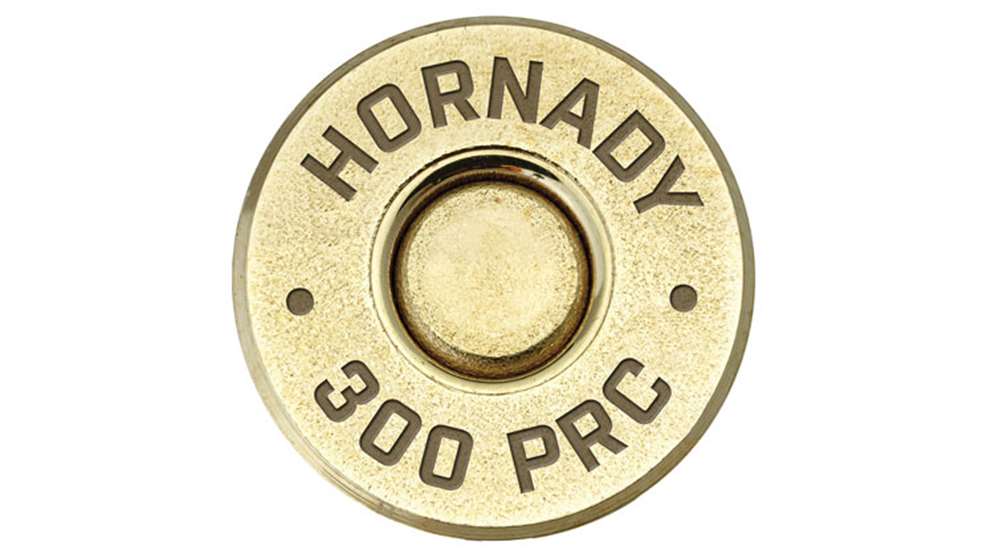
Hornady’s announcement this week that it has been awarded a Department of Defense (DoD) contract for .300 PRC cartridges—which took the company nearly a decade to develop and has been available to the public for less than a year—is an unusual deviation from the U.S. military’s typically snail’s pace in ammunition and small arms procurement. Enthusiasts received some prior notice when Barrett landed three DoD contracts a few weeks ago, including one for MRADs specifically digesting the round.
Value of the contracts and volume of the orders were not disclosed. At the very least they signal the military sees a lot of promise in the cartridge for its long-range sniper program when coupled with the MRAD.
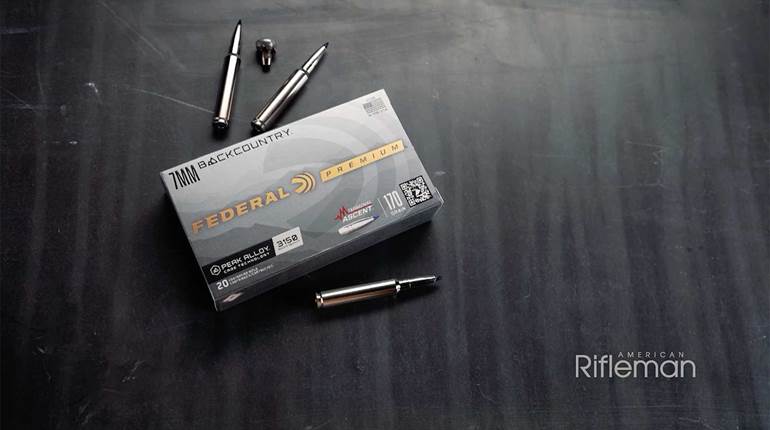
Federal Ammunition’s $41 million, five-year contract with the U.S. Naval Surface Warfare Center (NSWC), Crane Division (NSWC) announced this week is more routine. The MK 318 Mod 0 5.56 NATO Ball, Carbine, Barrier cartridges ordered are compatible with existing Navy and Marine Corps guns, yet deliver terminal performance after passing through barriers commonly encountered in today’s warfare—like automobile windshields and doors. Under terms of the agreement the ammunition, which features a lead-free 62-grain open-tip match bullet, begins shipping early next year.
“We are enthused Federal ammunition will continue to serve Navy and Marine Corps units, and their unique needs in combat,” said Federal Ammunition President Jason Vanderbrink. “Design parameters and development of the projectile, a joint effort between Federal and NSWC, represent the continued innovation, and excellence required to support our units in the field.”
Federal Ammunition also received an order for .223 Rem. ammunition worth up to $75 million with U.S. Immigration and Customs Enforcement (ICE) this month. The cartridges will run safely in the more than 8,000 M4s the agency currently fields, according to Reuters, although those carbines are typically chambered in 5.56 NATO. Running 5.56 NATO cartridges in guns chambered for .223 Rem. is not safe, however, according to the Sporting Arms and Ammunition Manufacturers’ Institute’s FAQ page. The announcement didn’t indicate why the alternate cartridge was purchased by ICE.
Most Popular