It seems obvious that the muzzle end of a handgun barrel should be cut square with the bore. But some shooters seem to be unaware of how critical a proper crown is to the overall performance of a gun. As a bullet leaves the cartridge and heads down the barrel of the gun, it picks up speed very quickly, because the powder charge is burning at a high-flame temperature and producing violently expanding gas. The gas exerts pressure on the base of the bullet, which drives it forward. It is a really hostile world in a handgun barrel as all of this happens. The bullet is a snug fit in the barrel and spiral grooves (rifling) cut in the bore cause the bullet to rotate. Then the moving bullet, which has been stabilized in the barrel, comes to the end and launches free into space.
Happily enough, the spinning causes the bullet to be stabilized in flight. This means the bullet continues on a straight forward flight to the target. But only if the muzzle of the barrel is perpendicular with its geometric axis. If the rifling is a little irregular at one or more points around its circumference, this can have a negative effect on the stability of the spinning projectile and cause it to vary its path from true. That why gunmakers take pains to insure the muzzle is properly crowned when a gun leaves the factory.
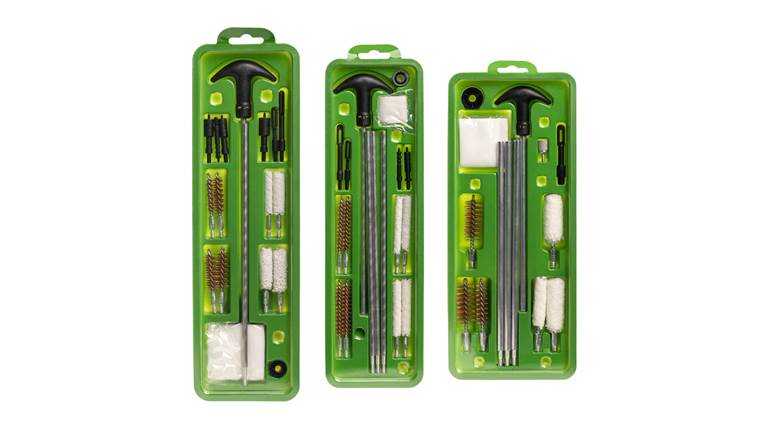
Over the years that I have been fooling with handguns, I have seen a number of otherwise accurate pistols and revolvers suddenly lose their competitive edge. Sometimes, it’s because the muzzle crown has somehow been altered. This seems to be more common with revolvers than pistols. We often use our cleaning rods improperly with revolvers, dragging the rod across the muzzle crown and thereby ever-so-slightly deforming it. Beyond doubt, this can impact the bullet’s flight and degrade accuracy. It is usually easy for a well-equipped and competent pistolsmith to re-cut the crown, but a better fix is to protect it from damage in the first place.
Most Popular