Robert Stevens thought he was living in a free country. Then he found himself in court, embroiled in a case now headed to the U.S. Supreme Court. A First Amendment battle that could make it a felony to air a show on bear hunting with hounds in a state where hunting with hounds is illegal.
Baffled? So was Stevens. He'd pursued his passions by publishing a book titled "Dogs of Velvet and Steel: Pit Bulls" as well as DVDs on pit bulls. He had a clean record. He thought he was a law-abiding example of the American dream. But then Stevens, a resident of Virginia, was charged under Section 48 of Title 18, United States Code, which says, "Whoever knowingly creates, sells or possesses a depiction of animal cruelty with the intention of placing that depiction in interstate or foreign commerce for commercial gain, shall be fined under this title or imprisoned not more than 5 years, or both."
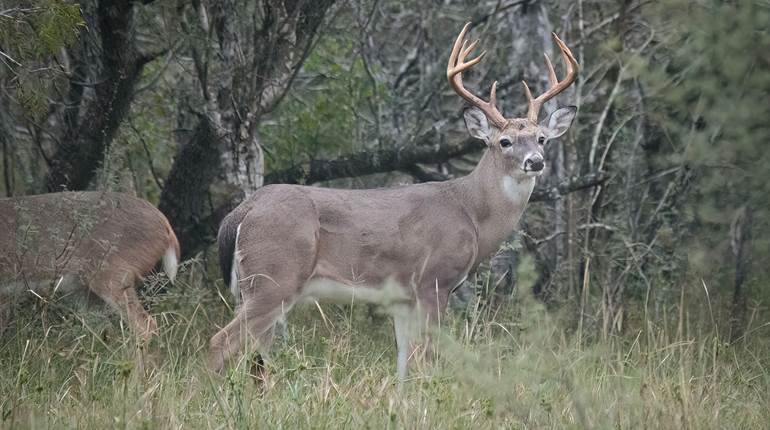
This federal statute defines "depiction of animal cruelty" as "any photograph, motion-picture film, video recording, electronic image or sound recording of conduct in which a living animal is intentionally maimed, mutilated, tortured, wounded, or killed, if such conduct is illegal under Federal law or the law of the State in which the creation, sale, or possession takes place, regardless of whether the maiming, mutilation, torture, wounding, or killing took place in the State." Yeah, that's right, your American Hunter or American Rifleman magazine could break this law by simply mailing an issue containing a dove-hunting article to NRA members in New York, a state with no dove season.
The statute passed through Congress and was signed by President Bill Clinton into law with virtually no opposition because Congress never intended to inadvertently curb First Amendment rights by condemning an entire, law-abiding industry (hunting media). Stevens was caught in this ideological overreach. However, he was sure he'd beat the silly charge.
Stevens hired an attorney and appeared in a federal court in Pittsburgh in 2004. He was the first person to be prosecuted under the decade-old statute. Stevens' documentaries on pit bulls tell the breed's history, cover their misuse as fighting dogs and details their practical uses in home protection and legal hunting methods. He included pit bull fight footage (recorded in Japan) as an example of how this breed has been misused.
Then Stevens was caught flatfooted. He found himself being convicted of a felony and sentenced to 37 months in prison for making and selling the films, even though there was never an allegation that Stevens engaged in dog fighting or any acts of animal cruelty.
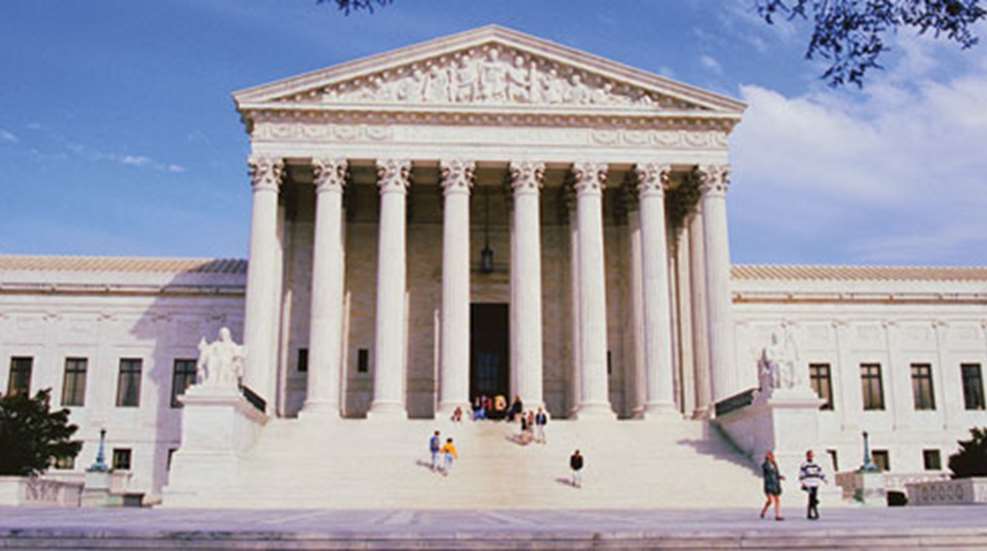
Naturally, he appealed. The Third Circuit Court of Appeals overturned the conviction as unconstitutional based on the First Amendment; however, before Stevens could sing "God Bless America," the government appealed to the U.S. Supreme Court, which will hear the case this fall. As a result, the NRA, the Professional Outdoor Media Association, the National Shooting Sports Foundation and more are weighing in to make certain this precedent-setting case doesn't destroy the First Amendment right to show perfectly normal, legal hunting practices in print and on screen.
The government argues it has a "compelling interest" to prevent people from profiting from animal cruelty. The federal prosecutors and, incidentally The Humane Society of the United States (HSUS), the largest anti-hunting group in the world, say they're just after people who sell things like "crush" videos, in which women, with their faces unseen, are shown stomping rabbits or puppies to death with spiked-heel shoes. By using such horrific examples, the government attorneys and HSUS are trying to make this into a case about animal cruelty, even though Stevens was never charged with a single act of animal cruelty.
To understand why, you need look no further than the statute's exemption: "Subsection (a) does not apply to any depiction that has serious religious, political, scientific, educational, journalistic, historical, or artistic value." So, if the conviction is reinstated, the federal government will have the legally vague authority to determine "value." They could then use this moral mandate to destroy those they don't approve of, such as hunters and trappers. This is why this case-U.S. v. Stevens-is about the First Amendment, not animal cruelty; after all, animal cruelty is already illegal in all 50 states. If the U.S. Supreme Court makes the wrong decision, it could devastate your rights. NRA is adding a "friend of the court" brief to the court's docket. We'll keep you posted.
Most Popular