** When you buy products through the links on our site, we may earn a commission that supports NRA's mission to protect, preserve and defend the Second Amendment. **
Gallery
1 of 1
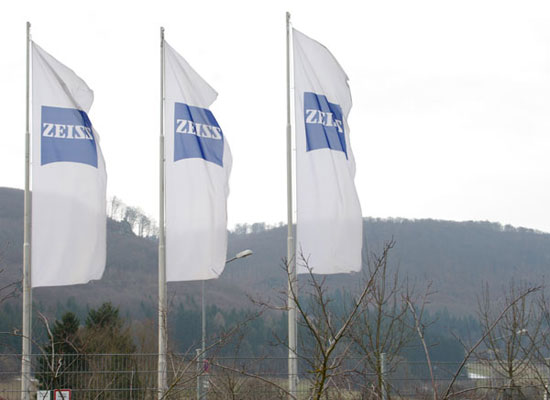
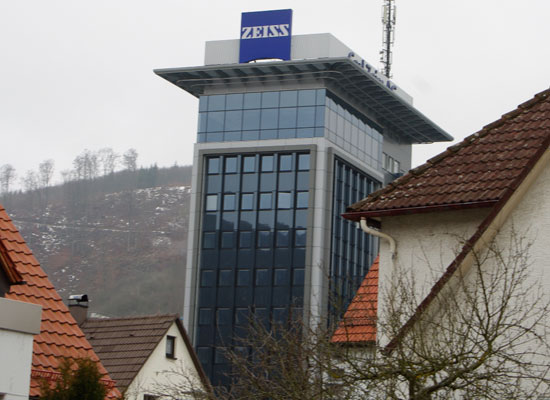
Home of Zeiss
The German towns of Oberkochen and Wetzlar are home to Carl Zeiss and its Sports Optics Division.
1 of 1
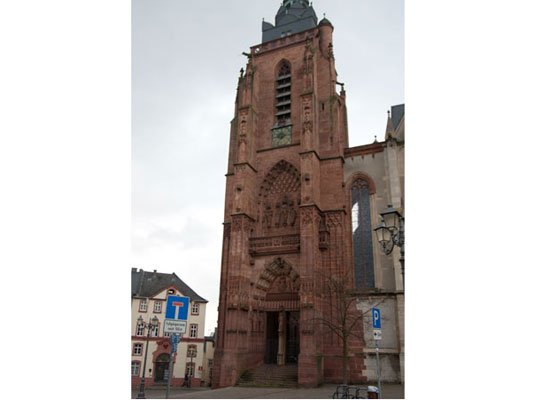
Wetzlar's Gothic Cathedral
Though Wetzlar’s Gothic cathedral dates back to 800 A.D., the town is a global manufacturing center for high-tech optical equipment.
1 of 1
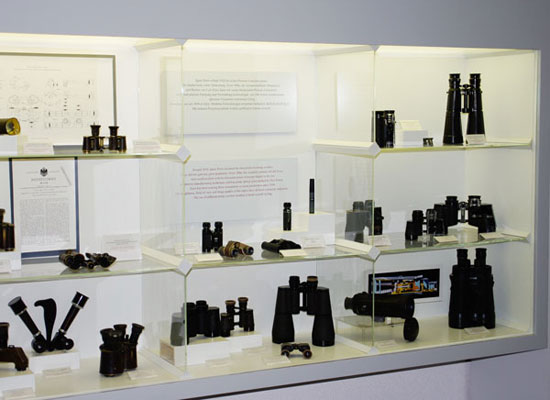
Pioneers
As a pioneer in the development of binoculars and riflescopes, Carl Zeiss has exerted a profound influence over hunting worldwide.
1 of 1
Breakthroughs
Zeiss breakthroughs in binoculars include: lightweight prisms (1894 and 1964); anti-reflection coatings (1935); center focusing (1956); miniaturization (1960s); multi-layer coatings (1979); fluoride-glass lenses (2006).
1 of 1
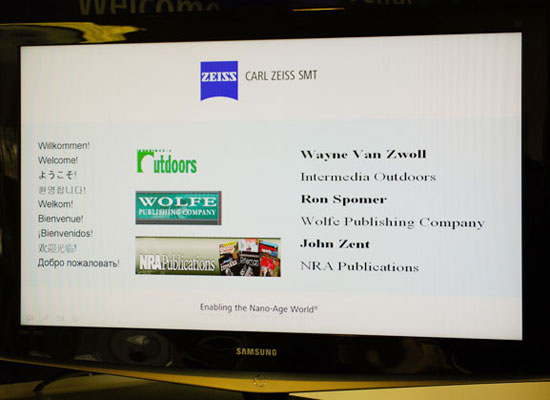
Visiting Writers
NRA’s John Zent was part of a small group of U.S. gun writers invited to visit Carl Zeiss.
1 of 1
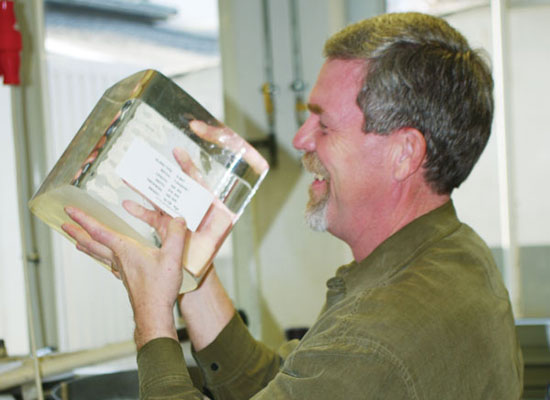
Raw Material
John Zent hoists the key raw material—high-quality optical glass—that Zeiss uses to produce its scopes and binoculars.
1 of 1
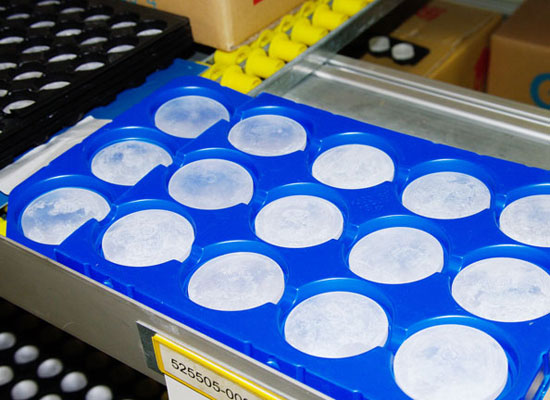
Raw Lenses
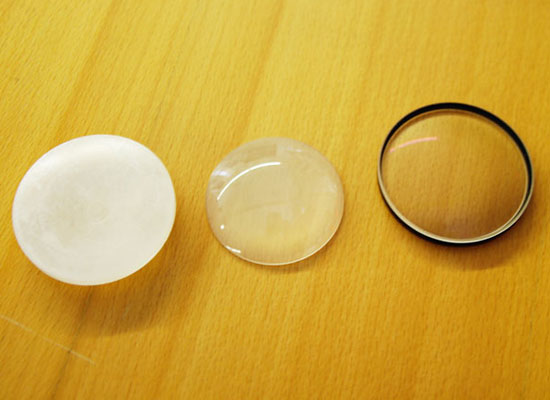
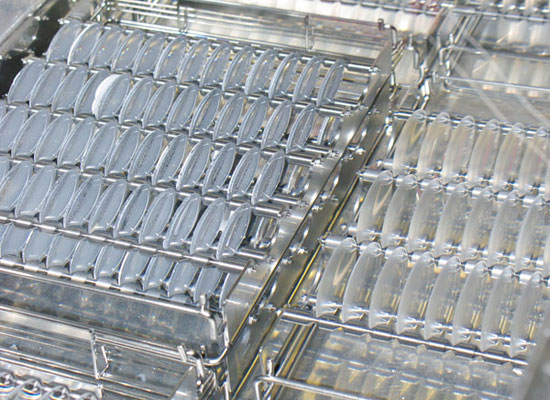
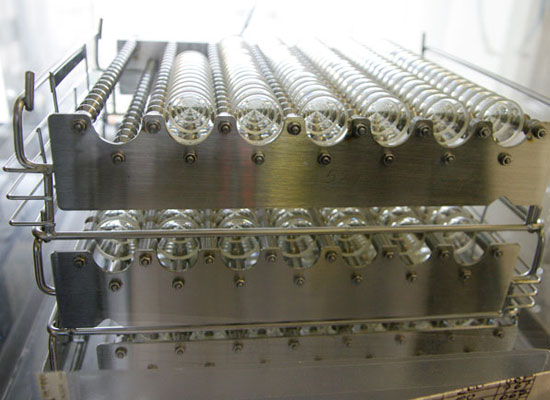
Raw lenses straight from glass suppliers have an opaque appearance
1 of 1
Clarity
before being polished to crystal clarity early in the manufacturing process
1 of 1
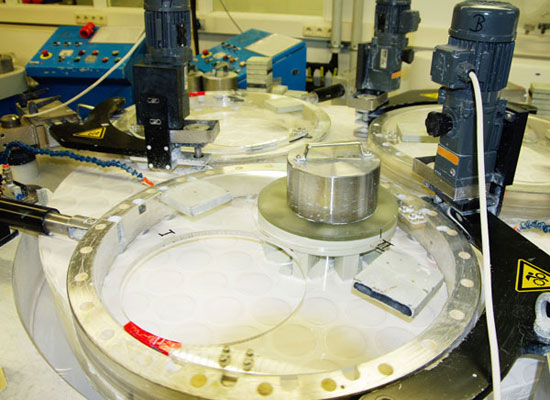
Precision Machinery
through the use of precision, high-speed machinery.
1 of 1
Polished Lenses
Polished lenses are then prepared for the next step ...
1 of 1
Image Quality
the application of lens coatings critical to obtaining optimum image quality.
1 of 1
Coatings
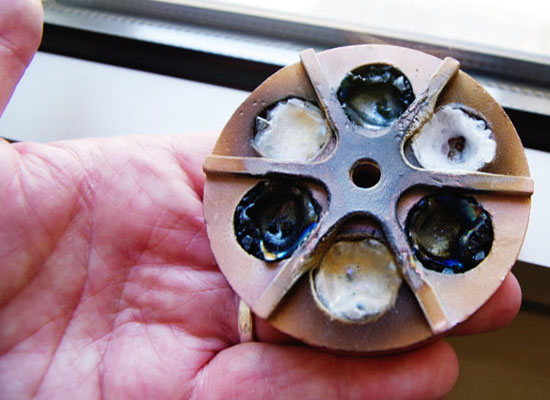
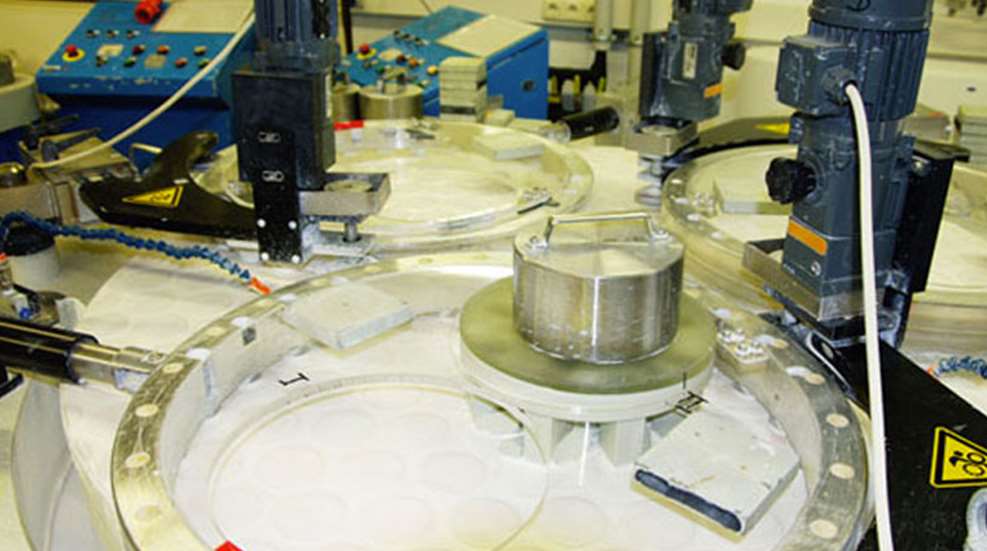
At Carl Zeiss, six or more different ionized materials are applied to lenses confined in vacuum chambers.
1 of 1
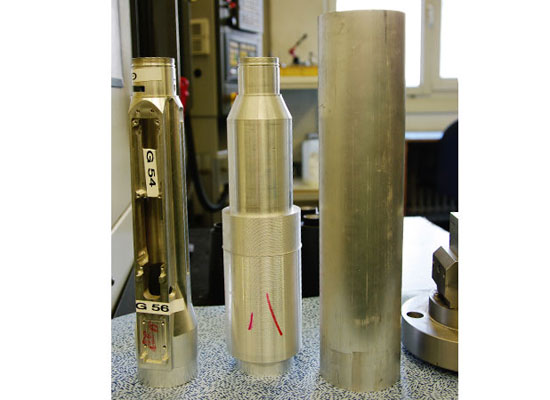
Blanks
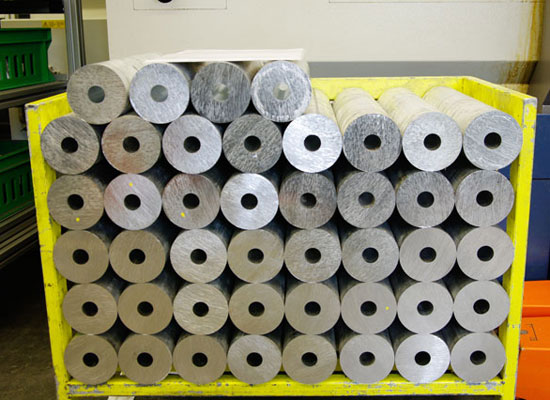
Riflescope housings begin as aluminum blanks...
1 of 1
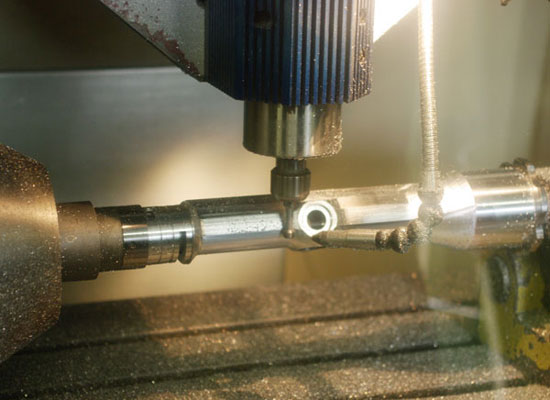
CNC
which are milled by state-of-the-art CNC machines...
1 of 1
Tolerances
to exact tolerances...
1 of 1
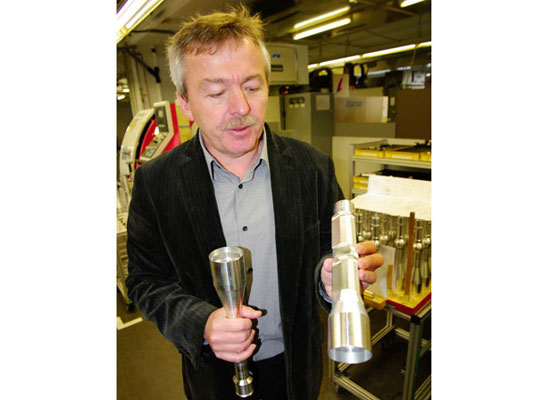
Walter Schwab
in the familiar configurations displayed by Zeiss’s Walter Schwab
1 of 1
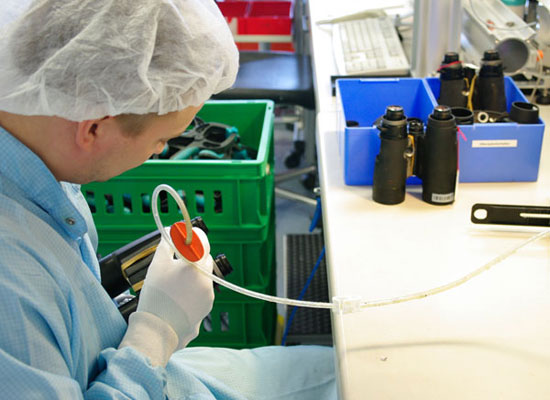
Dust Free
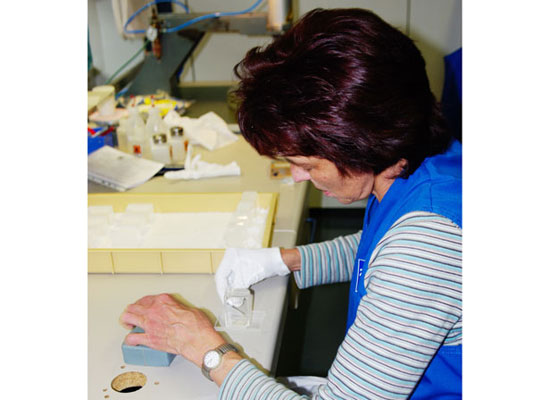
Binocular assembly is handled by skilled craftsmen working in a dust-free environment.
1 of 1
Prism Development
The heart of every binocular is its prisms and over the years Zeiss has played a major role in ongoing prism development.
1 of 1
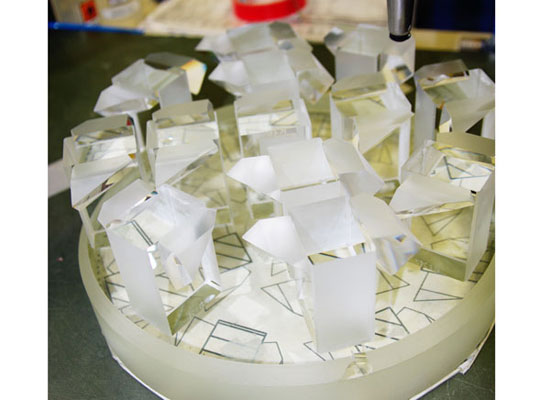
Polishing Prisms
At Carl Zeiss today, all prisms are carefully polished, then precisely hand-fitted.
1 of 1
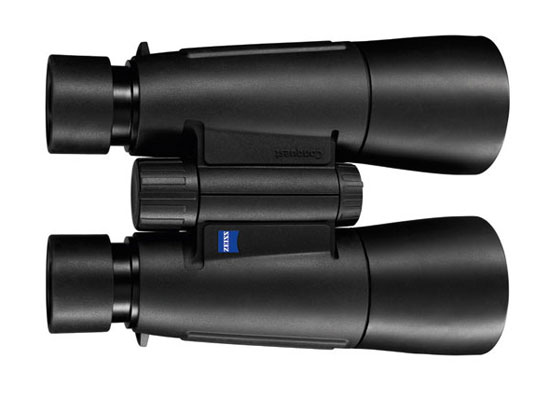
Conquest 10x56 T*
Called T* for twilight, the Conquest 10x56 T* delivers the low-light performance needed by hunters trying to catch that last bit of legal light. There is also an 8x56 T* for younger hunters whose exit pupil diameters are larger.
1 of 1
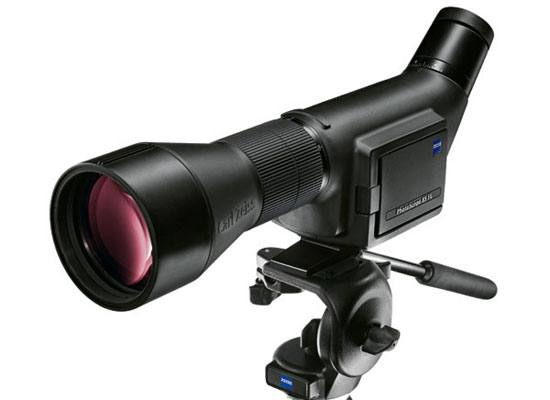
PhotoScope 85 T* FL
Zeiss combined observation and photography with the PhotoScope 85 T* FL. Take seven-megapixel photographs at long distances with this spotting scope
1 of 1
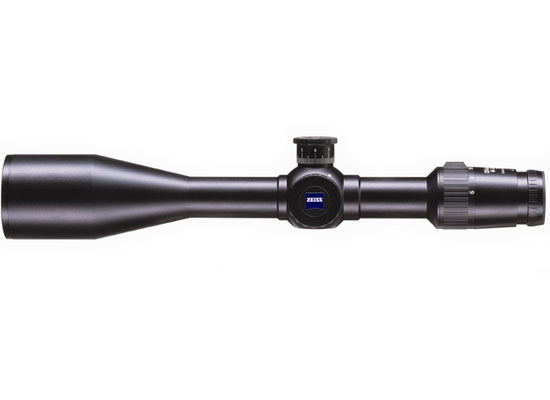
Zeiss Victory Diavari 6-24x56 T* with Rapid-Z Varmint
Zeiss’ Rapid-Z ballistic reticles provide long-range shooters with precision aiming by providing easy-to-use, accurate holdover and wind-corrected information for their selected calibers. The Victory Diavari 6-24x56 T* with the Rapid-Z Varmint reticle features holdover lines that relate to the ballistics of popular varmint calibers such as the .204 Ruger and the .22-250.
After World War II, the French military was left with a hodgepodge of leftover submachine guns. After several years, the army consolidated on a standard service rifle, the MAS-49, and a standard submachine gun: the MAT-49.