Why Old Ammunition Was Coated With Wax

by
posted on March 25, 2014
** When you buy products through the links on our site, we may earn a commission that supports NRA's mission to protect, preserve and defend the Second Amendment. **
qanda2015_fs.jpg (5)

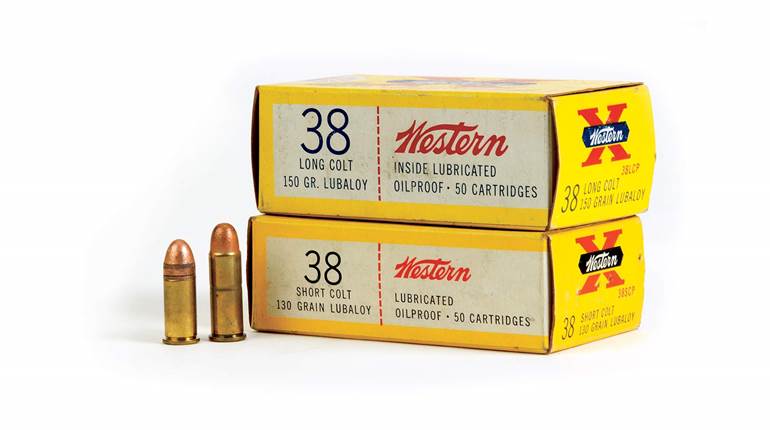
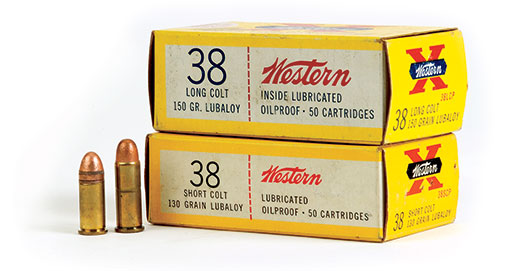
Q. I have an old box of Winchester-Western Super X .38 Colt hollow-point ammo. On the side of the box is “Lubaloy coated Bullet special dry wax lubricant.”  It seems to me that most modern ammunition is not coated. Why is it (or was it) necessary to put some form of wax on ammunition?

A. The wax was designed to reduce the friction caused by the lead or copper fouling left in the rifle bore after firing. Without the wax, it was believed that lead would build up due to friction in the bore, eventually causing accuracy problems as well as the need to scrub the bore clean after firing. Ammunition manufacturers still use some type of wax coating on lead bullets. Copper-plated and jacketed rimfire ammunition is not coated. I am sure that when using lubricated bullets, there was a lot of that wax scraping off in the bore and chamber, requiring a lot more cleaning than would probably be necessary when firing jacketed bullets.

-Dave Andrews

Originally published April, 2006

Latest

Woman covering rifle target

Why This DOJ Opinion on Handgun Ownership Matters

The DOJ Office of Legal Counsel recently released an opinion concluding that the federal ban on licensed firearms dealers selling handguns to 18-20-year-old U.S. citizens is unconstitutional.

I Have This Old Gun: Czech vz.27

Following World War I, Czechoslovakia needed to equip its new army, and one of its priorities was to select a service sidearm, which ultimately became the vz.27.

Rimfire M1 Refined: The Chiappa Bushranger

Italian manufacturer Chiappa is not afraid to take an original design and give it a modern twist. New for 2026, the company is taking its rimfire M1 carbine design one step further with the Bushranger.

TriStar Arms Celebrates 30th Anniversary

Established in 1996 by the father-and-son team of Gus and Ryan Bader, TriStar Arms has grown into one of the firearm industry’s most respected names in value-driven products.

Optic on an Optic: Why You Should Add a Red-Dot to Your LPVO

Why is it that, suddenly, it seems like everyone is running around with little red-dot sights mounted on top of low-power, variable optics? Well, it turns out there are reasons for that.

How Accurate are Today’s Rifles?

In just the last few decades, rifle accuracy has improved an astonishing amount, and our expectations have risen accordingly.

Interests


Get the best of American Rifleman delivered to your inbox.